
A cycle air pump is one of the most critical tools in any cyclist’s maintenance kit, yet choosing the right type requires a clear understanding of your personal riding habits. The decision between a stationary floor pump and a compact portable pump is not merely a matter of size; it dictates how easily you can maintain your tires and how prepared you are for unexpected roadside issues.
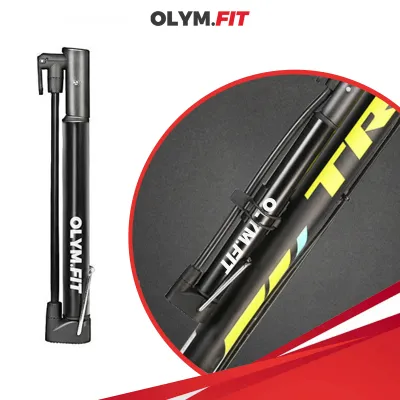
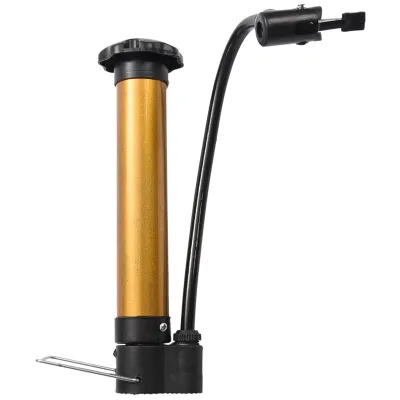
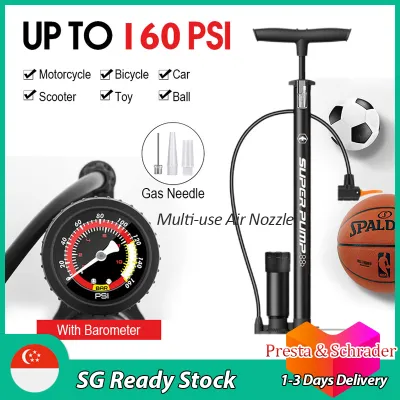
Floor pumps, commonly referred to as track pumps, serve as the ultimate home maintenance tool. They are engineered to deliver high air volume with minimal physical effort, allowing you to achieve precise tire pressures quickly before you head out. On the other hand, portable pumps—which include mini pumps, frame-fit pumps, and CO2 inflators—are specialized emergency tools designed to be carried on your bicycle or in a pocket to rescue you from a flat tire during a ride.
If you are deciding on a single purchase today, the general rule of thumb is to invest in a high-quality floor pump first. Regular home inflation is your best defense against punctures, as riding on under-inflated tires is a primary cause of pinch flats. However, if your riding routine involves long-distance journeys far from bicycle shops or urban transport links, a portable pump becomes a mandatory safety item that you must carry on every ride to ensure you are never left stranded.
Products mentioned in this guide
![[LH7W] Bike Air Pump Portable Bicycle Pump Hand Air Pumps with Schrader Valve for Bike Tires Balls Balloons](https://img.lazcdn.com/g/p/a25ed6b70dc7d6221dfcf03b31a98d23.jpg_400x400q80.jpg_.webp)
Prices are valid at publication and may change. Please refer to the product page for the latest price.
Core Differences: Performance, Precision, and Portability
Understanding the mechanical differences between these two pump categories helps clarify why each excels in its respective environment. The primary difference lies in the air volume displaced per stroke. A floor pump features a long, wide-diameter steel or aluminum barrel that draws in a substantial amount of air with every upward pull and compresses it into the tire on the downward push. This mechanical advantage allows you to inflate a completely flat tire to its optimal pressure in a matter of seconds.
In contrast, a portable mini pump has a highly restricted chamber size to keep its physical footprint small. Because the volume of air moved per stroke is minute, you must perform hundreds of rapid strokes to inflate a tire. This process requires significant physical arm strength and endurance, especially as the pressure inside the tire increases and creates greater resistance against the pump piston.
Pressure gauge accuracy is another critical area of divergence. Floor pumps are equipped with large, highly visible analog or digital gauges positioned either at the base or the top of the barrel. These gauges provide clear, real-time pressure readings, allowing you to tune your tires to the exact specification recommended for your weight and riding conditions. Portable pumps, if they feature a gauge at all, utilize small, inline pressure indicators that are difficult to read accurately and are highly susceptible to damage or calibration drift from the vibrations of riding.
The physical footprint, weight, and storage requirements of each type reflect their opposing design goals. Floor pumps are heavy, stable, and designed to stand upright on a flat surface, making them perfect for storage in a garage or utility closet. Portable pumps prioritize lightweight construction and compact dimensions, allowing them to be tucked away in a jersey pocket, strapped to a frame tube, or mounted directly beneath a water bottle cage without adding noticeable weight or bulk to your bicycle.
| Feature | Floor Pump | Portable Mini Pump | CO2 Inflator |
|---|---|---|---|
| Air Volume per Stroke | Very high; inflates tires in a few strokes | Low; requires hundreds of strokes | Instantaneous release of compressed gas |
| Max Pressure Ease | High; easily reaches target pressure using body weight | Low; requires significant physical arm effort | High; reaches pressure instantly but lacks control |
| Gauge Accuracy | High; large, clear analog or digital display | Low to none; small inline indicators | None; requires separate pressure check |
| Weight and Size | Heavy and bulky; designed for stationary home use | Lightweight and compact; fits on frame or in pocket | Extremely light and pocket-sized; requires cartridges |
| Primary Use Case | Regular home maintenance and pre-ride pressure tuning | Roadside or trailside emergency puncture repairs | Rapid race-day tire inflation and quick self-rescue |
Floor Pumps: The Home Base for Precision and Tubeless Setup
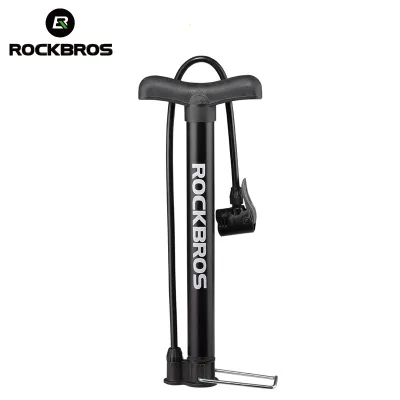
The ergonomic design of a floor pump is specifically engineered to make tire inflation as effortless as possible. By incorporating a wide, heavy base made of cast iron, steel, or durable composite materials, these pumps allow you to plant both feet firmly on the ground. This stability enables you to leverage your entire body weight on the downward stroke, engaging your core muscles rather than relying solely on your arms. Large, padded T-handles offer a comfortable grip that prevents hand strain, even when pushing tires to high pressures.

Using a floor pump for regular pre-ride checks is essential for maintaining optimal bicycle performance and safety. Bicycle tires naturally lose pressure over time because inner tubes and tubeless tire systems are slightly porous. Checking your tire pressure before every ride ensures that you maintain the correct rolling resistance, cornering grip, and shock absorption. Properly inflated tires also provide a critical layer of puncture protection, preventing the tire from bottoming out against the rim when rolling over potholes or uneven pavement.
For cyclists utilizing tubeless tire setups, a floor pump is an indispensable tool. Seating a tubeless tire requires a sudden, high-velocity blast of air to force the tire beads outward until they snap securely into the bead seats of the rim. Because a floor pump displaces a large volume of air per stroke, it can often generate the necessary airflow to seat a tubeless tire. For particularly stubborn tubeless setups, specialized floor pumps equipped with an integrated charge chamber allow you to pump air into a separate cylinder and release it all at once, mimicking the action of an air compressor.
Despite their outstanding performance, floor pumps are strictly limited by their lack of portability. They are heavy and cumbersome, making them impractical to carry on any ride. For urban cyclists living in compact apartments or HDB flats, finding a convenient storage spot is an important consideration. Many riders store their floor pumps in utility closets, balcony corners, or alongside their indoor bicycle storage racks. If you park your bicycle in shared void deck bicycle racks, you will need to perform your tire maintenance inside your home before taking your bicycle down, as leaving a high-quality floor pump in public areas is not secure.
Portable Pumps: Your Roadside and Trailside Rescue Kit
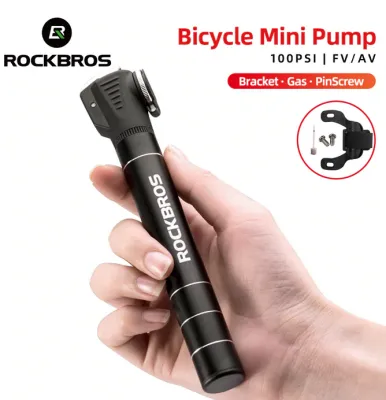
Portable pumps are specialized recovery tools designed to get you back on the road after a flat tire, and they are divided into distinct categories based on their design and mechanism. Mini pumps are typically optimized for either high volume or high pressure. High-volume (HV) mini pumps feature wider barrels designed to push more air per stroke, making them highly efficient for wide mountain bike, gravel, or commuter tires that operate at lower pressures. High-pressure (HP) mini pumps utilize narrower barrels that make it physically easier to compress air into narrow road bike tires, where high resistance makes pumping difficult.
CO2 inflators offer an alternative to manual pumping by utilizing small, threaded canisters of pressurized carbon dioxide gas to inflate tires instantly. This speed makes them incredibly popular for competitive events, group rides, or situations where you want to minimize your exposure to traffic while repairing a flat. However, CO2 systems have notable limitations. Each canister is strictly single-use, meaning if you misalign the inflator head or experience a second puncture, you must have additional cartridges available. Furthermore, CO2 gas diffuses through butyl rubber inner tubes much faster than regular air, meaning a tire inflated with CO2 will lose pressure within 24 hours and must be deflated and refilled with a standard pump once you return home.
Safety and environmental factors must also be managed when using CO2 inflators. In hot and humid tropical climates, storing pressurized gas canisters requires care. You should avoid leaving CO2 cartridges in direct sunlight or inside a hot vehicle trunk for extended periods, as extreme heat can increase the internal pressure of the canister. Additionally, the rapid release of compressed gas causes the inflator head and canister to freeze instantly during use. Always use an insulating sleeve on the cartridge or wear cycling gloves to protect your skin from freeze burns.
Carrying options for portable pumps are highly versatile, allowing you to choose the method that best fits your riding style. Most mini pumps come with a mounting bracket that bolts directly beneath your water bottle cage, keeping the pump secure and accessible. Other riders prefer to carry their pump in a jersey pocket or tucked inside a frame bag. Regardless of how you carry it, you must manage your expectations regarding a portable pump’s performance. It is not designed to replace a floor pump for regular maintenance; its sole purpose is to provide enough air pressure to allow you to ride home or to the nearest repair shop safely.
Match the Pump to Your Cycling Routine
Choosing the right pump requires evaluating your specific cycling habits, the distances you travel, and where you store your equipment.
Choose a Floor Pump if: You primarily start and end your rides at home, ride a bicycle with tubeless tires that require high-volume seating, value highly accurate pressure tuning for optimal performance, or have a dedicated storage space in your home. A floor pump is the most reliable, durable, and comfortable tool for routine tire maintenance.
Choose a Portable Pump if: You regularly ride long distances far from urban centers, commute daily through areas without easy access to bicycle repair shops, or ride off-road trails where punctures from debris or sharp rocks are a constant risk. If self-sufficiency on the road is your priority, carrying a portable pump is essential.
Choose Both if: You want the ideal cycling setup. This allows you to maintain perfect tire pressure at home before every ride using your floor pump, while carrying a lightweight mini pump or CO2 inflator in your saddlebag as an insurance policy against unexpected punctures.
Verify first if: You are purchasing a pump for a specialized e-bike, cargo bike, or heavy-duty utility bicycle. Always check the manufacturer’s recommended tire pressure and valve type printed on the tire sidewall. Heavy-duty tires with thick casings may require a high-volume pump to inflate efficiently, and some e-bike wheels have limited clearance around the valve stem that requires a low-profile pump head.
Your local riding environment plays a major role in determining which pump is most critical. For a weekend cyclist in Singapore tackling long-distance routes like the Round Island Route or the Changi Coastal Road, a portable pump is a vital safety net. While the island has excellent infrastructure, getting a flat tire kilometers away from the nearest MRT station or bike shop can leave you stranded in intense heat. Conversely, a daily commuter riding short distances along the Park Connector Network (PCN) might find that a high-quality floor pump kept at home is their most important tool, especially if they are comfortable walking a short distance to a transit node or local shop in the rare event of a puncture.
Essential Specs to Verify Before You Buy
Before purchasing any cycle air pump, verifying specific technical details will ensure compatibility with your bicycle and prevent frustrating setup issues. Valve compatibility is the first and most important check. Bicycle inner tubes and tubeless valves generally come in two designs: Presta (slender, with a small locking nut, common on road and mid-to-high-end bicycles) or Schrader (wider, identical to automotive valves, common on utility, kids’, and entry-level bicycles). Ensure your pump head is compatible with your valve type. Many modern pumps feature a dual-head design with separate ports, an adaptable smart-head, or a reversible internal rubber chuck that can be unscrewed and flipped to accommodate both styles.
Hose length and the style of the pump head connection are critical for floor pumps. A long, flexible hose allows you to reach the valve stem easily, even when your bicycle is mounted on a repair stand or parked at an awkward angle. A hose that is too short can pull on the valve stem during pumping, which can bend or break the valve, especially on deep-section aerodynamic carbon rims where the valve stem is long and fragile. Thread-on pump heads offer a highly secure connection but can occasionally unscrew removable Presta valve cores if tightened excessively; press-on chucks with a locking lever are generally faster and safer for daily use.
Build materials directly impact the durability and lifespan of your pump. Floor pumps constructed with steel or aluminum barrels and heavy metal bases offer superior stability and heat dissipation, ensuring the internal seals do not degrade over time during rapid pumping. Plastic pumps are lighter and less expensive, but they can flex under high pressure and are more susceptible to wear on the internal threads. For portable pumps, CNC-machined aluminum bodies offer the best balance of structural strength and low weight, protecting the pump from moisture, sweat, and road vibration.
Always cross-reference your specific tire sidewall markings and rim manufacturer specifications for maximum pressure limits before inflating. Exceeding these limits can cause the tire to blow off the rim, resulting in damage to your equipment and potential injury.
Frequently Asked Questions (FAQ)
Can I use a portable mini pump to seat a tubeless tire?
Standard portable mini pumps are generally unable to seat a tubeless tire because they cannot deliver the rapid, high-volume burst of air required to push the tire bead onto the rim. To seat a tubeless tire successfully, you must overcome the air escaping through the unsealed gaps between the tire bead and the rim channel. For initial tubeless setup and seating, you should use a high-volume floor pump, a dedicated tubeless floor pump with an integrated pressurized charge chamber, or a workshop air compressor.
Do I really need a pump with a built-in pressure gauge?
For road, gravel, and tubeless riders, a built-in pressure gauge is highly recommended. Tire pressure directly influences rolling resistance, cornering traction, and puncture resistance, and even minor variations of 5 to 10 PSI can significantly alter how your bike handles. For casual commuters or mountain bikers using high-volume tires at lower pressures, a gauge is helpful but less critical, as experienced riders can often gauge adequate inflation using a firm thumb-squeeze test to get home safely during a roadside emergency.
Community discussion
Share your experience or ask a question. Comments are reviewed before publication.