
A fluorocarbon leader is a specialized length of fishing line made from polyvinylidene fluoride (PVDF), a dense fluoropolymer. Anglers tie this material to the end of their main fishing line to serve as the final connection to the lure or bait. Because of its unique physical properties, this material is virtually invisible underwater, sinks rapidly, and resists abrasion far better than standard nylon lines. These characteristics make it an invaluable tool for presenting lures naturally and securing catches in challenging environments.
Understanding how this material behaves under water and how it differs from other options is key to improving your catch rate. Whether you are casting into clear reservoirs, navigating coastal structures, or targeting sharp-toothed species, selecting the right leader material can make the difference between a successful landing and a frustrating break-off. By learning the science behind fluorocarbon and mastering its application, you can make informed decisions on the water that directly translate to more consistent angling success.
What Makes Fluorocarbon Different from Other Fishing Lines?
To understand why fluorocarbon is highly regarded, it helps to look at its chemical composition. Unlike standard nylon monofilament, which is made from a single strand of nylon polymer, fluorocarbon is extruded from polyvinylidene fluoride. This heavy compound results in a line that is significantly denser than water. While nylon monofilament has a specific gravity close to water and tends to sink very slowly or suspend, fluorocarbon sinks quickly, allowing your lures to reach their target depth with minimal resistance.
Products mentioned in this guide
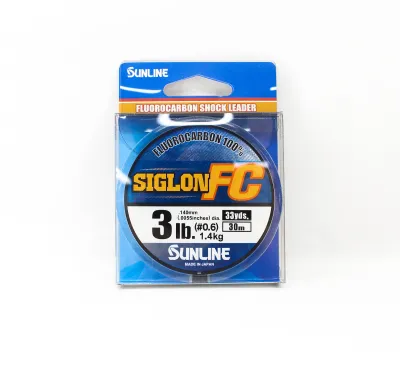
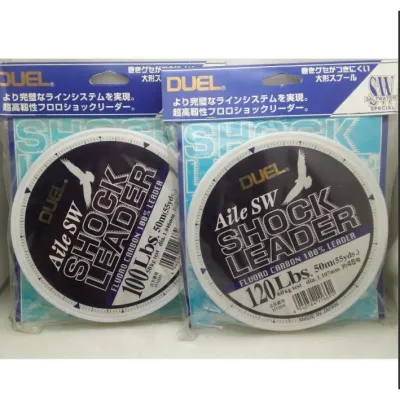
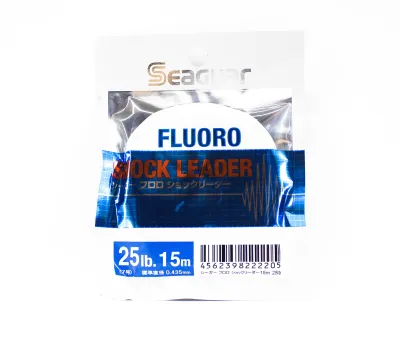
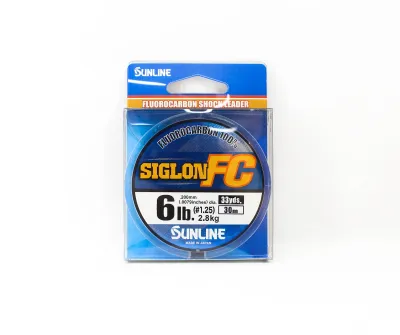
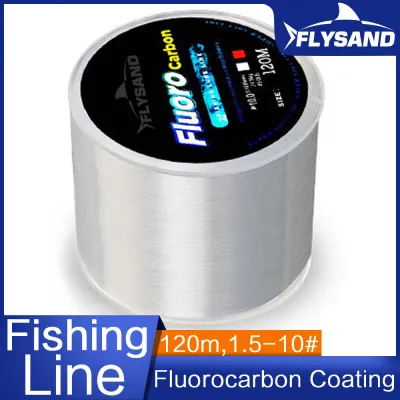
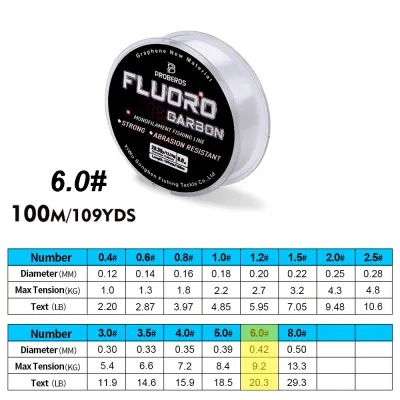
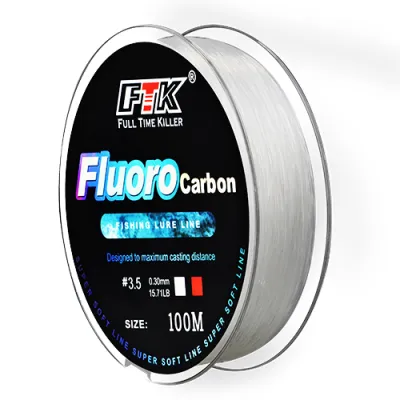
Prices are valid at publication and may change. Please refer to the product page for the latest price.
This rapid sinking property directly influences how your lures behave in the water column. When using lightweight soft plastics, jigs, or sinking flies, a fluorocarbon leader helps pull the offering down through the water column more efficiently. It also helps eliminate the unwanted bow or slack that wind and surface currents can create in lighter, floating lines. This direct path from your rod tip to the lure ensures better control and a more natural presentation.
Another major differentiator is how the material reacts to environmental exposure. Standard nylon lines absorb water over time, which can weaken the material and alter its handling characteristics during a long day of fishing. Fluorocarbon is completely waterproof, meaning it maintains its full tensile strength, diameter, and stiffness from the first cast to the last. Furthermore, PVDF is inherently resistant to ultraviolet (UV) light. While sunlight degrades nylon lines over time, making them brittle and prone to unexpected breakage, fluorocarbon remains stable even after prolonged exposure to harsh sunlight.
When shopping for leader material, it is important to verify the specific product details on the packaging. Some products labeled as fluorocarbon are actually nylon lines with a thin fluorocarbon coating. While these hybrid lines are often more affordable and supple, they do not offer the full density, UV resistance, or durability of a 100% fluorocarbon line. Always check the manufacturer’s specifications for material purity, density ratings, and diameter tolerances to ensure you are getting the performance you expect.
Key Advantages of Using a Fluorocarbon Leader
The primary reason anglers turn to a fluorocarbon leader is its low visibility in water. This stealth is due to a scientific property known as the refractive index, which measures how much light bends as it passes through a material. The refractive index of water is approximately 1.33, while fluorocarbon sits at around 1.42. In comparison, standard nylon monofilament has a refractive index ranging from 1.53 to 1.62. Because the refractive index of fluorocarbon is so close to that of water, light passes through it with very little distortion, making the line nearly invisible to wary fish in clear water conditions.

In addition to its stealth, fluorocarbon is highly valued for its exceptional abrasion resistance. The dense molecular structure of PVDF creates a hard outer surface that resists deep nicks and scrapes. When your line rubs against sharp rocks, concrete pilings, submerged timber, or the abrasive teeth and scales of a fish, fluorocarbon is less likely to shear or fail compared to softer materials. This durability gives you the confidence to cast into heavy cover where target fish often hide.
Sensitivity is another critical benefit that stems from the material’s physical structure. While fluorocarbon does stretch under heavy loads, it exhibits very little stretch under the light tension typically experienced when sensing a bite. This low initial stretch means that vibrations from a fish tapping your lure are transmitted directly up the line to your rod tip. This enhanced feedback allows you to detect subtle takes more quickly and execute faster, more positive hooksets.
However, it is important to note that these performance characteristics are not entirely uniform across all brands. Actual abrasion resistance, stiffness, and visibility can vary significantly depending on the manufacturer’s proprietary production processes, raw material quality, and the line’s diameter. Thicker leaders naturally offer greater abrasion resistance but are stiffer and more visible, while thinner leaders maximize stealth at the expense of raw strength. Anglers should evaluate these trade-offs based on their specific fishing conditions.
Fluorocarbon vs. Monofilament: Which Should You Tie On?
Choosing between a fluorocarbon leader and a traditional monofilament leader requires a clear understanding of your fishing environment and the techniques you plan to use. While fluorocarbon excels in clear water and deep-water presentations, monofilament remains a highly effective and sometimes superior choice for specific scenarios. The decision ultimately comes down to balancing buoyancy, stretch, visibility, and ease of handling.
Buoyancy is often the deciding factor when matching your leader to a specific lure. Because monofilament floats or sinks very slowly, it is the ideal choice for topwater lures, such as poppers and walkers. Using a heavy fluorocarbon leader with a topwater lure can pull the nose of the bait downward, ruining its action and reducing its effectiveness. Conversely, when you want to keep a jig, worm, or deep-diving crankbait down in the strike zone, the sinking properties of fluorocarbon are highly advantageous.
Handling and manageability also differ greatly between the two materials. Monofilament is generally much softer and more supple, giving it less memory (the tendency of a line to retain the coiled shape of the spool). This suppleness makes monofilament easier to knot and manage, especially for beginners. Fluorocarbon is stiffer and retains more memory, which can make tying knots more challenging and can affect how naturally very light lures move in the water.
To help you decide which material to spool up for your next outing, consider the following comparison of their key characteristics:
| Feature / Scenario | Fluorocarbon Leader | Monofilament Leader |
|---|---|---|
| Buoyancy | Sinks quickly (high density) | Floats or suspends slowly |
| Visibility | Extremely low (near water's refractive index) | Moderate to high visibility |
| Stretch & Sensitivity | Low initial stretch, high sensitivity | Moderate to high stretch, cushions shocks |
| Abrasion Resistance | High (dense, hard surface) | Moderate (more susceptible to deep nicks) |
| Handling & Memory | Stiffer, higher memory, requires careful knotting | Supple, lower memory, easier to knot |
| Ideal Applications | Bottom jigs, clear water, deep diving lures | Topwater lures, shock leaders, dirty water |
How to Select and Rig the Right Fluorocarbon Leader
Selecting the correct fluorocarbon leader requires matching the line’s diameter and breaking strength (pound test) to your target species, the surrounding structure, and water clarity. For light-tackle fishing in open water or sandy flats, a thinner leader (such as 6 lb to 12 lb test) maximizes stealth and lure action. If you are fishing around heavy structures like concrete jetty pilings, bridge supports, or coral reefs, you will need to step up to a heavier, thicker leader (such as 20 lb to 50 lb test or higher) to withstand the inevitable scrapes and friction.
Because fluorocarbon is inherently stiff and slick, tying knots requires extra care to prevent slippage and breakage. Standard knots that work well with monofilament can slip or fail if not tied correctly with fluorocarbon. For joining your leader directly to a lure or hook, the Palomar knot and the improved clinch knot are highly reliable options. When joining a fluorocarbon leader to a braided main line, connection knots like the FG knot or the Double Uni knot are preferred because they maintain a slim profile that passes smoothly through the rod guides.
The most critical step in rigging a fluorocarbon leader is lubricating the knot before tightening it. Because the material is hard and dense, pulling a dry knot tight creates intense friction heat. This heat can easily damage the polymer structure, severely weakening the line at its most vulnerable point. Always wet the knot thoroughly with water or saliva before slowly and steadily drawing it tight. Once tightened, trim the tag end cleanly, leaving a tiny tag to accommodate any minor settling under load.
Finally, make it a habit to inspect your leader frequently throughout your fishing session. Run your thumb and forefinger along the entire length of the leader after every catch, snag, or cast near structure. If you feel any rough spots, nicks, or kinks, do not risk losing your next fish. Cut the damaged section away and retie the leader immediately. Taking these proactive steps ensures your gear remains reliable when you hook into a prized catch.
Frequently Asked Questions (FAQ)
Does fluorocarbon leader expire or degrade over time?
Unlike nylon monofilament, which absorbs moisture and degrades quickly under UV light, 100% fluorocarbon is highly stable and does not degrade easily over time. When stored properly in a cool, dry place away from direct sunlight and extreme heat, a spool of fluorocarbon leader can last for several years without losing its strength. However, you should always inspect older line before use. Check for signs of degradation such as extreme stiffness, a chalky or cloudy appearance on the surface, or a tendency to snap easily when testing a basic knot under moderate tension.
Can I use fluorocarbon as my main line instead of just a leader?
While you can spool an entire reel with fluorocarbon, it is often impractical and expensive for most angling situations. Because fluorocarbon is stiff and has high line memory, spooling a full reel—especially a spinning reel—can lead to casting difficulties, line twists, and frustrating wind knots. Additionally, high-quality fluorocarbon is significantly more expensive than braided or monofilament lines. For the best balance of performance and cost-effectiveness, most anglers prefer to use a braided main line for maximum casting distance and sensitivity, paired with a one-to-two-meter fluorocarbon leader for stealth and abrasion resistance.
Community discussion
Share your experience or ask a question. Comments are reviewed before publication.