
Quick Answer: Which Massage Ball Material Is Right for You?
Selecting the right massage ball material depends on your tissue sensitivity, pain tolerance, and the target muscle group. For runners dealing with tender, highly sensitive areas or those new to self-myofascial release, a lightweight foam ball offers a gentle introduction. If you require deep, penetrating pressure to reach stubborn knots in dense calf muscles, a high-density rubber ball provides the necessary firmness without slipping. For pinpointing highly localized trigger points in the arch of the foot or deep within the calf belly, a spiked massage ball can offer targeted stimulation.
The complex anatomy of the lower leg and foot—where delicate tendons, thin layers of fascia, and dense muscle groups sit close to bones—means that a single level of pressure is rarely suitable for every area. Before starting any new recovery routine, especially if you are experiencing persistent pain or suspected injuries like plantar fasciitis, consult a qualified physiotherapist or medical professional for a personalized assessment.
Comparing the Three Main Massage Ball Materials
To choose the most effective recovery tool, it helps to understand how different materials interact with your muscles. The performance of a massage ball is primarily determined by three key physical dimensions: density, surface texture, and pressure distribution. By comparing foam, rubber, and spiked designs across these dimensions, you can select a tool that matches your recovery goals and comfort level.
Products mentioned in this guide
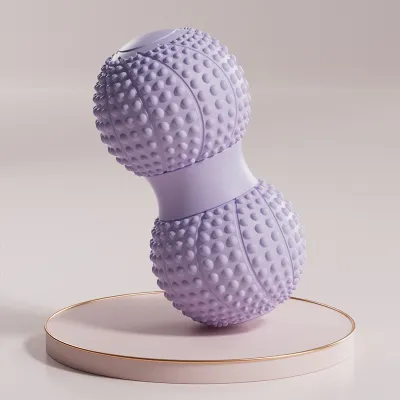
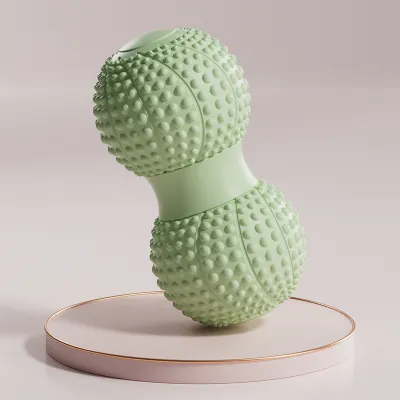
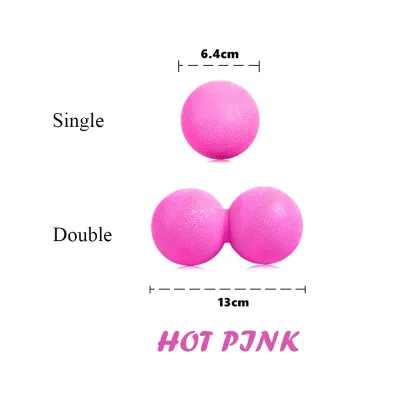
![⭐[Sg Seller] Single/Double Hard Lacrosse Ball Body Massage Muscle Peanut/Round Shape Roll Ball](https://img.lazcdn.com/g/p/056d8d1f23ae5682d18f080dc9484d22.png_400x400q80.png_.webp)
Prices are valid at publication and may change. Please refer to the product page for the latest price.

Foam Massage Balls
Foam massage balls, typically made from expanded polypropylene (EPP) or high-density ethylene-vinyl acetate (EVA), are lightweight and offer a slight, forgiving yield under body weight. When you apply pressure, the foam compresses slightly, distributing the force over a wider surface area rather than concentrating it on a single point.
This broad pressure distribution makes foam balls highly suitable for runners who are new to self-massage, have a lower pain tolerance, or are recovering from a demanding speed session where muscles are generally tender. They are excellent for gentle rolling along the outer edges of the foot or the superficial layers of the calf muscles during warm-ups and cool-downs.
However, the primary limitation of foam is its structural compression. For dense muscle groups like the calves, or for thick, fibrous tissue like the plantar fascia, a foam ball may compress too much to reach deeper layers. Over time, lower-quality foam can also lose its shape and firmness.
Rubber Massage Balls
Rubber massage balls, often made from solid natural rubber or high-density synthetic compounds, offer a stark contrast to foam. They are heavy, solid, and exhibit virtually no compression when subjected to full body weight. The smooth surface of a high-quality rubber ball provides excellent grip against both the skin and floor surfaces, preventing the ball from slipping away during deep tissue work.
This material is highly effective for targeting the dense, multi-layered muscle groups of the calf, specifically the gastrocnemius and the deeper soleus muscle. Because the rubber does not yield, it delivers deep, consistent pressure that can help release chronic tension and restore slide-and-glide capacity to restricted fascial layers.
The main drawback of rubber is its intensity. Because the pressure is highly concentrated and unyielding, using a rubber ball directly on bony areas, such as the ankle bones, shin, or highly inflamed portions of the heel, can cause significant discomfort or bruising. It requires careful body-weight regulation and a gradual introduction.
Spiked Massage Balls
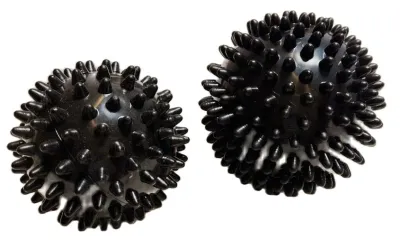
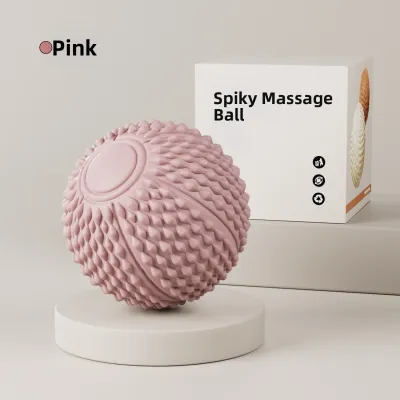
Spiked massage balls feature a firm plastic or hard rubber core covered in protruding, blunt nodules or spikes. This textured surface is specifically designed to grip the skin and underlying fascia, preventing the sliding motion common with smooth balls. Instead of a rolling sensation, the spikes provide localized, multi-point compression.
These tools are highly effective for pinpointing specific, stubborn trigger points—often referred to as muscle knots—in the arch of the foot or within the thickest parts of the calf muscle. The individual spikes can penetrate through superficial layers to stimulate localized blood flow and target restricted areas that smooth surfaces might glide over.
However, spiked balls carry a high potential for discomfort and are generally not tolerated well by beginners. They are entirely unsuitable for broad, sweeping massage strokes or for use on areas experiencing acute inflammation, swelling, or open skin. Using them with excessive pressure can irritate nerves and delicate connective tissues.
Matching Material to Your Running Recovery Needs
An effective recovery routine requires matching the physical properties of the massage ball to the specific anatomical structures of your lower limbs. The tissues in your feet and calves differ significantly in thickness, depth, and proximity to bone, meaning a tool that works perfectly for one area might cause discomfort or prove ineffective in another. Adjusting your choice based on these anatomical differences ensures a safer and more productive session.
Foot Recovery (Plantar Fascia and Arch)
The underside of the foot contains a complex network of ligaments, tendons, and small muscles covered by a relatively thin layer of soft tissue. The plantar fascia, a thick band of connective tissue running from the heel to the toes, is highly sensitive and sits directly over the hard bones of the foot. Because of this close proximity to bone, applying excessive or unyielding pressure can easily bruise the tissue or aggravate conditions like plantar fasciitis.
For general foot recovery, a smoother, slightly yielding ball—such as a firm foam ball or a softer rubber ball—is often the safest starting point. This allows you to roll the entire length of the arch to stimulate circulation without putting excessive stress on the heel attachment point. If you encounter a specific, localized knot in the center of the arch, a spiked ball can be used with extreme caution.
To test pressure safely, perform a manual check first. Sit in a chair and place the ball under your foot, gradually applying a small portion of your body weight. If you experience a sharp, stabbing sensation rather than a dull, therapeutic ache, reduce the pressure immediately or switch to a softer material. Avoid rolling directly over the heel bone or the ball of the foot, focusing instead on the soft tissue of the mid-foot arch.
Calf Recovery (Gastrocnemius and Soleus)
The calf complex consists of dense, powerful muscles designed to absorb heavy loads during running. The superficial gastrocnemius muscle forms the visible bulk of the upper calf, while the wider, flatter soleus muscle lies underneath it. Because these muscles are thick and highly active during every stride, they often require firmer pressure to achieve effective myofascial release.
A firm rubber massage ball is highly suitable for calf recovery, as its density allows it to penetrate through the outer gastrocnemius to reach the deeper soleus muscle. For highly localized knots in the lateral or medial heads of the calf, a spiked ball can also be effective when applied directly to the trigger point without rolling.
To manage the intense pressure of a firm rubber or spiked ball, you must adjust your technique and leverage. Instead of placing your full weight on the ball while sitting on the floor, start by leaning against a wall. Place the ball between your calf and the wall, which allows you to easily control the pressure by shifting your body weight. As your tolerance improves, you can transition to floor-based rolling, using your hands and opposite leg to support and regulate the load.
Decision Framework: How to Choose Your Massage Ball
To select the right tool for your gear bag, consider this structured decision framework based on your experience level, recovery goals, and physical needs:
- Choose Foam if: You are new to self-myofascial release, have low pain tolerance, or require a gentle tool for daily, light rolling of sensitive foot arches. It is also highly suitable if you want a lightweight option that adds virtually no weight to your running vest or travel bag.
- Choose Rubber if: You require deep, penetrating pressure to address chronic tightness in dense calf muscles, prefer a highly durable tool that will not compress over time, and want a smooth surface that is easy to wash and sanitize.
- Choose Spiked if: You have experience with deep tissue massage, possess high pain tolerance, and need to target specific, stubborn trigger points in the arch of your foot or calf bellies that smooth balls cannot resolve.
- Verify Your Health Status First: Before using any massage ball, verify that you do not have acute inflammation, swelling, open wounds, deep vein thrombosis (DVT), or sensory neuropathy. If you suspect an injury, such as a muscle tear or Achilles tendinitis, consult a physiotherapist first.
- Size and Portability: A standard size of approximately 6 to 8 centimeters in diameter is highly versatile for both feet and calves, fitting easily into gym bags or carry-on luggage for destination races.
Safe Usage and Maintenance for Runners
Using a massage ball safely is critical to preventing soft tissue damage and ensuring long-term recovery benefits. Never apply direct, heavy pressure to bones, joints, or the back of the knee, where major nerves and blood vessels are highly vulnerable. If you feel a sharp, shooting, or radiating pain, stop the movement immediately, as this indicates nerve compression rather than muscle release.
Keep your sessions brief and focused. Limit rolling to approximately 30 to 60 seconds per localized spot, and restrict the entire session to under 10 minutes per muscle group. Overworking an area can lead to localized bruising, increased inflammation, and muscle guarding, which defeats the purpose of recovery.
Proper maintenance ensures your recovery tools remain hygienic and functional. Non-porous materials like solid rubber and hard plastic spiked balls can be easily washed with warm water and mild soap after every use, which is particularly important if you run in warm, humid climates like Singapore where sweat and outdoor debris accumulate quickly. Porous foam balls require more delicate care; check the manufacturer’s label for specific cleaning instructions, and avoid soaking them in water to prevent material degradation or mold growth.
Frequently Asked Questions (FAQ)
Can I use a tennis ball or lacrosse ball instead of a dedicated massage ball?
Yes, household sports balls can serve as temporary alternatives, but they have distinct physical differences compared to dedicated massage tools. A tennis ball is hollow and covered in felt; it compresses significantly under body weight, making it highly gentle but often too soft for deep calf work. Additionally, the felt surface quickly collects dirt, sweat, and hair, making it difficult to clean hygienically. A lacrosse ball is made of solid, high-density rubber, making it very similar to a professional rubber massage ball. While highly effective for deep tissue work, its extreme hardness and weight can be too intense for beginners or sensitive foot arches. Dedicated massage balls offer a wider range of tailored densities, hygienic surfaces, and ergonomic textures designed specifically for human tissue.
How often should runners use a massage ball for foot and calf recovery?
For general maintenance and muscle relaxation, using a massage ball two to three times a week is typically sufficient to support tissue elasticity without causing irritation. You can integrate light rolling into your post-run routine or evening stretching sessions. However, you must monitor your body’s response closely. If you experience persistent muscle soreness, visible bruising, or increased pain during your runs, reduce the frequency immediately or stop using the tool. Self-myofascial release should complement, not replace, structured rest, proper hydration, and professional guidance from a physiotherapist during intense training cycles.
Community discussion
Share your experience or ask a question. Comments are reviewed before publication.