
Choosing between a standard foam and an Ethylene-Vinyl Acetate (EVA) kickboard depends on how often you swim, your training goals, and your budget. For swimmers seeking a highly durable, chemical-resistant, and ergonomically shaped training aid that withstands daily pool sessions, an EVA kickboard is generally the superior choice. Conversely, standard polyethylene foam kickboards offer a lightweight, highly buoyant, and cost-effective alternative for casual swimmers, beginners, or those who only visit the pool occasionally. Understanding how these materials perform under different conditions will help you select the right gear to improve your kicking technique and build lower-body strength.
Understanding Foam and EVA Constructions
Standard foam kickboards are typically manufactured from expanded polyethylene (EPE) or similar mixed-cell plastic formulations. These boards are created by fusing small plastic beads together, resulting in a lightweight structure filled with tiny air pockets. While highly buoyant initially, the open or semi-closed nature of these cells means they can gradually absorb water over time, especially if the outer skin becomes punctured or worn.
In contrast, EVA (Ethylene-Vinyl Acetate) kickboards are constructed from a high-density, closed-cell copolymer foam. The manufacturing process yields a uniform, solid material where the individual cells are completely sealed off from one another. This closed-cell structure prevents water from penetrating the core of the board, ensuring it remains lightweight and retains its shape even after prolonged submersion.
Products mentioned in this guide
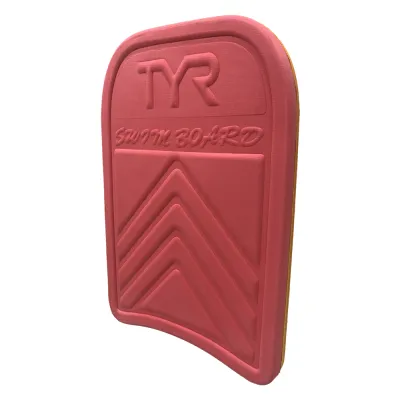
![[SG Stock] Swimming Kickboard Float Kids Adults Kick Board Learn To Swim Safety Pool Aid Plate Children](https://img.lazcdn.com/g/p/19e9b69ae94352f2a472a5e2355a4741.jpg_400x400q80.jpg_.webp)
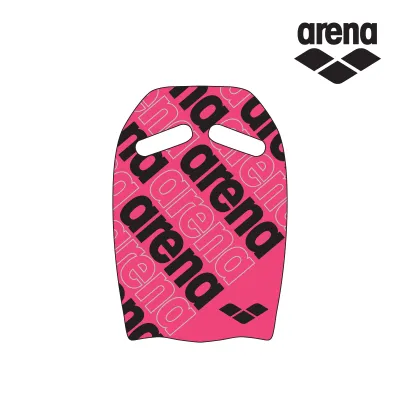
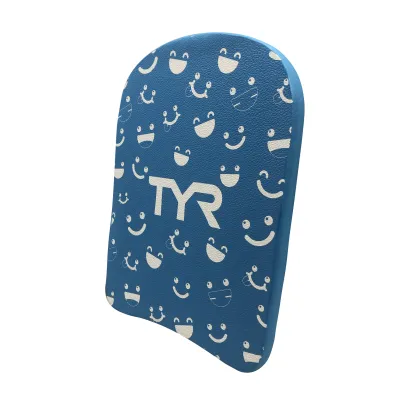
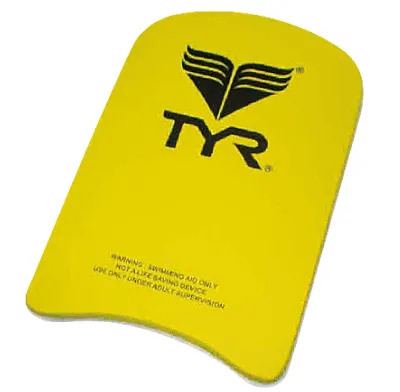
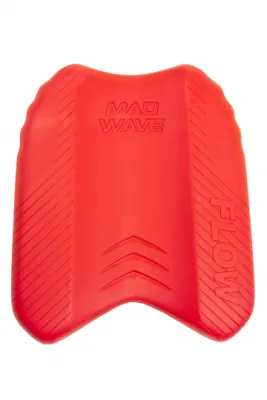
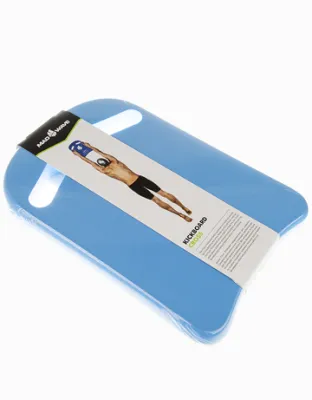
Prices are valid at publication and may change. Please refer to the product page for the latest price.
When shopping for swimming gear, generic labels can sometimes be misleading, as terms like “foam” are often used loosely. To ensure you are getting the exact material properties you desire, always inspect the manufacturer’s material tags, product specifications, or online descriptions. Look for explicit mentions of “100% EVA foam” or “high-density closed-cell EVA” to distinguish premium training aids from basic polyethylene models.
Comparing Buoyancy and Flotation Support
Buoyancy is not determined solely by the material type; it is a function of material density, board thickness, and overall volume. Standard polyethylene foam is inherently less dense than high-density EVA, which often gives it a highly buoyant, springy feel in the water. However, because EVA is denser and more rigid, manufacturers can design thinner EVA boards that still provide excellent flotation support without feeling overly bulky under your arms.

Your body weight, swimming skill level, and the intensity of your kicking drills dictate how much flotation support you actually need. Beginners and heavier swimmers often benefit from a highly buoyant board that keeps the upper body high in the water, reducing lower-back strain and allowing them to focus entirely on their leg kick. Advanced swimmers, on the other hand, sometimes prefer a slightly less buoyant, more streamlined board that sits lower in the water to mimic a natural body position.
Because material composition alone does not guarantee a specific level of flotation, you must check the physical dimensions of the kickboard before purchasing. Compare the length, width, and thickness specifications provided by the manufacturer. A larger surface area and greater thickness will always yield more buoyancy, regardless of whether you choose standard foam or EVA.
Evaluating Durability and Longevity
Durability is where the structural differences between these two materials become most apparent. Standard foam boards are highly susceptible to physical damage; they can easily chip, peel, or develop permanent indentations from tight finger grips or accidental impacts against pool walls. Over months of regular use, the edges of a polyethylene board may begin to crumble, shedding small plastic particles into the water.
EVA kickboards are exceptionally resilient and resist physical wear. The rubber-like flexibility of Ethylene-Vinyl Acetate allows the board to bend slightly under pressure and spring back into shape without cracking or taking on permanent dents. This makes EVA highly suitable for competitive swim teams, swim schools, and fitness enthusiasts who pack their gear tightly into swim bags.
Environmental factors like ultraviolet (UV) radiation from the sun and pool sanitizers such as chlorine or salt can accelerate material degradation. Standard foam tends to dry out, become brittle, and fade quickly when exposed to intense sunlight and harsh pool chemicals. EVA exhibits superior resistance to chemical breakdown and UV exposure, making it the preferred choice for outdoor pools in tropical climates like Singapore.
To monitor the health of your swim gear, perform regular visual inspections. Look for surface pitting, edge crumbling, or a noticeable loss of structural rigidity when you apply gentle bending pressure. If a standard foam board begins to feel waterlogged, heavy, or soft, it has reached the end of its functional lifespan and should be replaced to maintain consistent training support.
Assessing Comfort, Grip, and Handling
The tactile experience of holding a kickboard during a long set can significantly impact your training comfort. Standard foam boards often have a slightly textured, porous surface that can feel rough against sensitive skin, occasionally causing mild chafing on the forearms during extended sessions. EVA boards, by contrast, feature a smooth, soft, and slightly rubbery texture that is gentle on the skin while providing a naturally slip-resistant grip when wet.
Edge design plays a critical role in reducing forearm fatigue and maintaining proper wrist alignment. Many basic foam boards feature squared-off edges that can press uncomfortably into your hands and wrists. Premium EVA boards are almost always designed with rounded, ergonomic edges that conform naturally to the curve of your hands, allowing for a more relaxed grip and reducing tension in your shoulders.
Modern kickboard designs frequently incorporate specialized shapes to enhance handling. Look for boards with ergonomic contours that allow your forearms to rest naturally on the surface, or models featuring built-in grip cutouts and handle holes. These design elements are much more common in molded EVA boards, providing secure hand placement options for various drills, whether you prefer to grip the top, sides, or bottom of the board.
Decision Framework: Which Kickboard Should You Buy?
Choose standard foam if you are a casual swimmer, a parent buying gear for children who may quickly outgrow it, or if you are working within a strict budget. Standard foam boards are highly buoyant, incredibly lightweight, and perfectly adequate for occasional recreational use or basic swim lessons where the gear is not subjected to daily wear and tear.
Choose EVA if you swim multiple times a week, participate in structured swim training, or prioritize long-term durability and comfort. The superior resistance of EVA to chlorine, salt, and UV rays ensures that your investment will last for years without crumbling or losing its shape. Additionally, the ergonomic designs and comfortable textures of EVA boards make them ideal for long, intense kicking sets.
Verify first before making your final purchase. Check your local pool facility rules, as some public or condo pools in Singapore have specific guidelines regarding the types of training equipment allowed. Measure your arm length to ensure the board’s dimensions allow you to grip it comfortably without overextending your shoulders, and always confirm the exact material specifications on the product label to ensure you are getting genuine EVA.
Frequently Asked Questions (FAQ)
How do I clean and maintain my kickboard to prevent degradation?
To maximize the lifespan of your kickboard, always rinse it thoroughly with clean, fresh tap water immediately after every pool session. This simple step removes residual chlorine, salt, and other pool chemicals that can slowly break down the material. After rinsing, allow the board to air dry completely in a shaded, well-ventilated area; never leave it in direct sunlight or inside a hot car, as extreme heat and UV rays can warp both foam and EVA. Avoid using harsh chemical cleaners, bleach, or abrasive scrubbing pads, which can puncture the outer skin or degrade the material’s structural integrity.
Can I use a standard kickboard for open-water swimming?
Standard pool kickboards are designed specifically for controlled, flat-water environments like swimming pools and are not suitable or safe for open-water swimming. They lack the high-visibility colors, specialized attachment points, and extreme buoyancy required to serve as safety devices in open water. In currents, waves, or windy conditions, a standard kickboard can easily be swept away from your grip, leaving you without support. For open-water swimming, always use dedicated safety equipment such as an inflatable swim buoy or tow float, which is designed to remain securely attached to your body and provide high visibility to watercraft.
Community discussion
Share your experience or ask a question. Comments are reviewed before publication.