
Selecting the right squat wedge material depends on your lifting load, training environment, and portability needs. Foam wedges are highly portable and gentle on joints, making them ideal for bodyweight exercises, physical therapy, and travel. Rubber wedges offer exceptional density and floor grip, making them the standard choice for heavy barbell training in permanent home or commercial gyms. Wooden wedges provide an entirely rigid, non-compressive platform preferred by Olympic lifters who require absolute stability and zero energy loss during deep squats. By matching these material characteristics to your specific training goals, you can ensure a safe and effective squatting experience.
Identifying Your Squat Wedge Requirements
Before comparing materials, you must define your primary training environment, portability constraints, and load requirements. A wedge that works optimally in a dedicated home gym may be highly impractical if you need to pack it into a gym bag for a daily commute.
First, assess where you will perform your workouts. If you train in a permanent home gym with rubber tile flooring, a heavy, high-grip rubber wedge is easy to store and keep in place. However, if you frequently travel or commute to a commercial facility, carrying heavy rubber or bulky wooden blocks becomes a physical burden. In these mobile scenarios, lightweight materials that fit easily into a standard backpack are far more practical.
Products mentioned in this guide
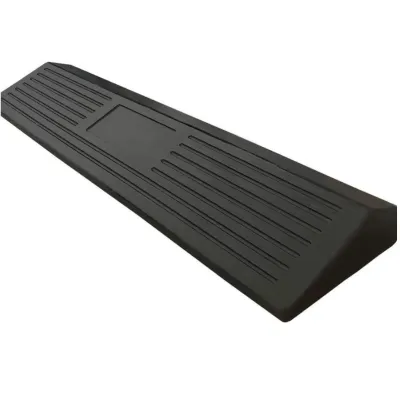
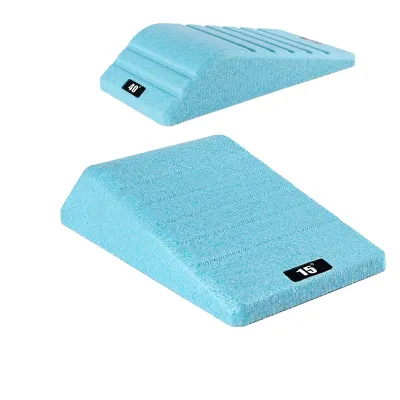
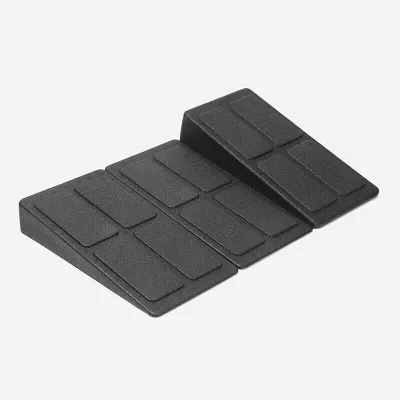
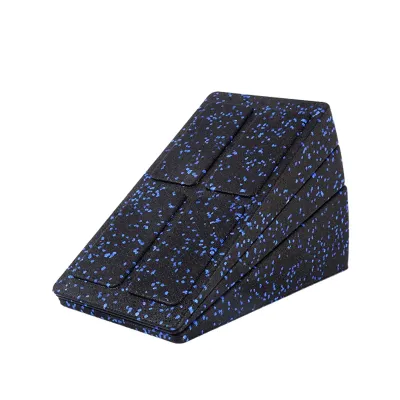
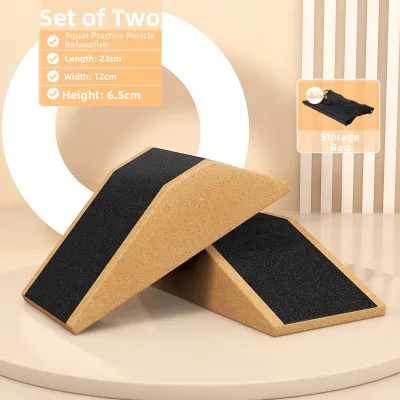
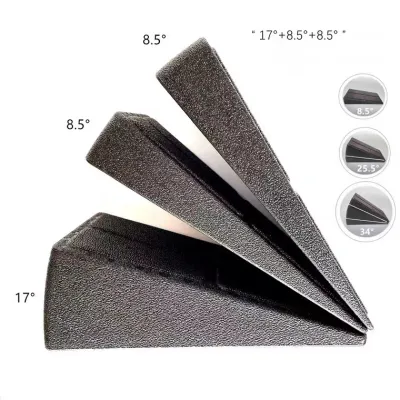
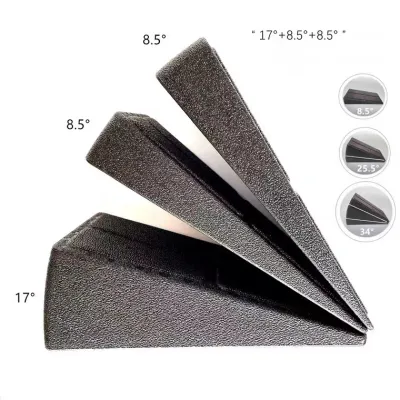
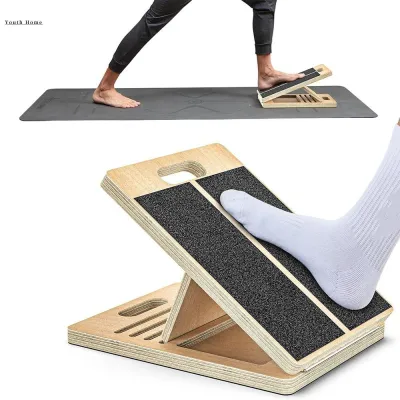
Prices are valid at publication and may change. Please refer to the product page for the latest price.
Second, evaluate your typical lifting weights and physical constraints. The total load on the wedge includes both your body weight and any external resistance, such as barbells, dumbbells, or kettlebells. Heavy strength training demands a material that will not compress or deform under load, as any structural shifting can compromise your balance and joint alignment. Conversely, lighter rehabilitation movements or bodyweight mobility drills may benefit from a slightly softer, more forgiving surface.
Finally, consider your floor surface. Hardwood, laminate, polished concrete, and rubber gym mats all interact differently with wedge materials. Some materials slide easily on smooth floors, requiring additional non-slip backings, while others can leave scuff marks or residue on delicate residential flooring. Understanding these environmental factors beforehand prevents damage to your home and ensures your training platform remains completely stable.
Evaluating Foam Squat Wedges
Foam squat wedges are characterized by their extremely low weight and soft-to-medium density. Typically manufactured from high-density expanded polypropylene (EPP) or closed-cell foam, these wedges are easy to pick up, stack, and transport. Many models feature textured surfaces or fabric covers to enhance foot traction, though the core material remains inherently lightweight and slightly yielding.

When evaluating a foam wedge, you must verify the manufacturer-stated weight limits and density specifications. Because foam is susceptible to compression, using a low-density wedge under heavy loads can cause the material to flatten, altering the incline angle and reducing stability. Look for high-density EPP foam options that explicitly state their maximum load capacity, and inspect the outer surface for durable, tear-resistant coverings that can withstand repeated shoe friction.
Foam wedges are ideal for travel, light bodyweight exercises, physical therapy, and gentle mobility work. If your practice focuses on high-repetition heel-elevated squats, calf stretches, or balance training without heavy external weights, foam provides a comfortable, joint-friendly surface. Its lightweight nature makes it the most portable option, allowing you to toss a pair into your bag without adding noticeable weight.
However, foam has distinct limitations. Under heavy barbell loads, even high-density foam will compress slightly, which can lead to minor instability or an uneven platform. Over time, repeated heavy compression can permanently deform the foam, shortening its lifespan. Additionally, foam wedges have lower inherent floor grip compared to rubber, meaning they may slide on smooth surfaces like polished wood or tile unless placed against a wall or on a high-traction yoga mat.
Evaluating Rubber Squat Wedges
Rubber squat wedges are dense, heavy, and highly durable training tools. Typically constructed from recycled tire rubber or vulcanized virgin rubber, these wedges are designed to withstand extreme environments. They are structurally firm, offering minimal to zero compression under standard athletic loads, and they possess a natural, high-traction surface that grips both your shoes and the floor.
Before purchasing rubber wedges, verify their exact product weight and floor compatibility. Because rubber is highly dense, a pair of these wedges can weigh several kilograms, making them less suitable for casual transport. You should also check the manufacturer’s load ratings, which are typically high enough to support heavy powerlifting. Be aware that some recycled rubber products can leave dark scuff marks on light-colored residential floors or emit a strong, distinct manufacturing odor initially, requiring a brief off-gassing period in a well-ventilated area.
Rubber wedges are most suitable for heavy barbell squats, permanent home gym setups, and commercial training facilities. If your routine involves lifting heavy loads where any platform movement could compromise safety, the high density and exceptional floor grip of rubber provide an unyielding, secure foundation. They stay firmly in place on rubber gym mats, concrete, and turf, allowing you to focus entirely on your lifting technique.
The primary limitations of rubber wedges are their weight and portability. Carrying them in a gym bag is inconvenient, and they are generally more expensive than foam alternatives. Additionally, the initial rubber smell can be off-putting if used in small, unventilated spare rooms at home. While highly durable, they represent a more permanent, stationary investment rather than a mobile training accessory.
Evaluating Wooden Squat Wedges
Wooden squat wedges offer a classic, aesthetically pleasing, and completely rigid platform. Usually crafted from hardwood, birch plywood, or bamboo, these wedges feature a solid, non-yielding structure. The surface is often treated with a clear protective coat, and high-quality models incorporate textured grip tape or carved ridges to prevent your feet from slipping during use.
When inspecting wooden wedges, pay close attention to the wood type, surface treatment, and base features. Ensure the wood is free from splinters and has been properly sealed to resist sweat and moisture. Because bare wood has very little natural grip on smooth floors, it is crucial to verify the presence of non-slip rubber pads or grip strips on the underside of the wedge. Without these additions, a wooden wedge can easily slide on hardwood or tile floors, creating a slipping hazard.
Wooden wedges are most suitable for Olympic weightlifting, permanent home gyms, and lifters who demand absolute rigidity. Because wood does not compress at all, it ensures 100% energy transfer during explosive movements like cleans and snatches. If you prefer a solid, unyielding feel underfoot and want a piece of equipment that can last a lifetime with proper care, wood is an excellent choice.
However, wooden wedges have notable drawbacks. They lack any inherent shock absorption, which some users find less comfortable for high-repetition or joint-rehabilitation exercises. They are also heavier and bulkier than foam, making them difficult to transport. Furthermore, if wooden wedges are exposed to excessive moisture or stored in damp environments like garages without proper sealing, they can warp, split, or lose their structural integrity over time.
Squat Wedge Material Comparison Matrix
To help you quickly compare the physical characteristics and practical trade-offs of each material, review the comparison matrix below. This table highlights how portability, rigidity, and grip vary across foam, rubber, and wood.
| Material | Weight & Portability | Structural Rigidity | Floor Grip | Ideal Applications |
|---|---|---|---|---|
| Foam | Extremely lightweight; highly portable | Low to moderate; may compress under heavy loads | Low; prone to sliding on smooth floors | Travel, bodyweight exercises, physical therapy, and mobility work |
| Rubber | Heavy; low portability | High; minimal compression under heavy loads | Excellent; naturally slip-resistant on most surfaces | Heavy barbell training, permanent home gyms, and high-traffic facilities |
| Wood | Moderate to heavy; low portability | Absolute; zero compression under any load | Low to moderate; requires rubber base pads | Olympic lifting, rigid support preference, and long-term durability |
This matrix demonstrates the clear trade-off between portability and structural rigidity. While foam is easy to carry, it sacrifices the absolute stability required for heavy lifting. Conversely, rubber and wood provide the unyielding support needed for heavy loads but are far less convenient to transport.
Making Your Final Material Decision
To choose the right squat wedge, apply this conditional framework to your specific training habits, environment, and budget.
Choose Foam if you:
- Prioritize travel, lightweight handling, and easy storage in a gym bag.
- Focus primarily on bodyweight squats, calf stretches, physical therapy, or light dumbbell exercises.
- Have a lower budget, as foam wedges are generally the most affordable option, often costing under S$30.
Choose Rubber if you:
- Perform heavy barbell squats, powerlifting, or high-intensity strength training.
- Require maximum floor grip to prevent the wedges from sliding during dynamic movements.
- Have a permanent training space, such as a home gym or garage, where weight and portability are not concerns.
Choose Wood if you:
- Demand absolute rigidity with zero compression for Olympic lifting or heavy squats.
- Prefer a highly durable, natural material that will not degrade or compress over years of use.
- Train on a surface where you can safely use rubber-backed wooden blocks without risk of sliding.
Before making your final purchase, always verify the manufacturer’s specified weight capacity and dimensions. If you plan to use the wedges for multi-purpose movements like handstands, push-ups, or single-leg lunges, ensure the surface area is wide enough to accommodate your hands or feet comfortably and safely.
Frequently Asked Questions (FAQ)
Can I use a squat wedge for exercises other than squats?
Yes, squat wedges are highly versatile tools that can support a variety of lower-body and upper-body movements. They are commonly used for heel-elevated lunges, calf raises, and Jefferson curls to target specific muscle groups or improve joint range of motion. Some athletes also use them as wrist supports during push-ups or handstands to reduce the extension angle on the wrists. However, before performing non-squat movements, you must verify that the wedge’s surface area, angle, and material rigidity are suitable for the exercise. Always check the manufacturer’s guidelines to ensure the wedge can safely support your weight in these alternative positions without tipping or sliding.
How do I clean and maintain different squat wedge materials?
Proper maintenance depends entirely on the material of your wedge. For foam wedges, wipe the surface with a damp cloth and a mild, non-abrasive soap; avoid harsh chemical solvents, as they can degrade the foam structure or damage any protective outer covers. For rubber wedges, clean them using a mixture of mild soap and warm water, and avoid oil-based cleaners which can break down the rubber compound and make the surface slippery. For wooden wedges, use a dry or slightly damp microfiber cloth to remove dust and sweat, and inspect the wood periodically for any splinters or wear in the protective sealant. Keep wooden wedges stored in a dry, climate-controlled environment to prevent warping or moisture damage.
Community discussion
Share your experience or ask a question. Comments are reviewed before publication.