
Comparing foldable exercise mats across different brands requires balancing joint cushioning with stability and ease of transport. While thickness is a primary consideration, comfort is heavily influenced by material density and the structural design of the folding hinges. A thicker mat is not universally better; the ideal choice depends on your specific workout environment, the exercises you perform, and your portability needs.
By evaluating key specifications such as foam density, seam construction, and folded dimensions, you can make an informed decision without relying on unverified marketing claims. This guide provides a structured framework to help you compare foldable mats and select the right thickness-to-portability balance for your fitness routine.
Understanding the Thickness-to-Comfort Trade-Off
Mat thickness directly impacts both joint protection and physical stability during exercise. Thin foldable mats, typically ranging from 4mm to 6mm, offer excellent ground feedback and stability, making them highly suitable for standing balance poses. However, they provide minimal cushioning, which can cause discomfort during floor-based exercises that place pressure on the knees, elbows, or spine.
Products mentioned in this guide
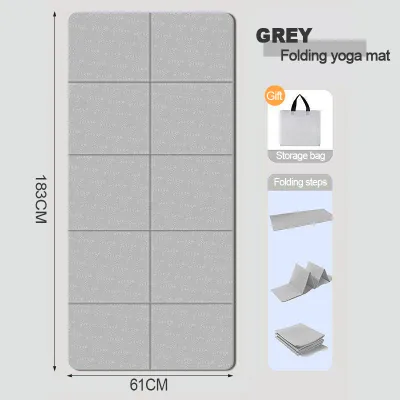
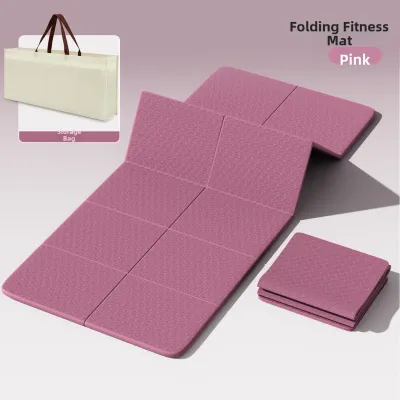
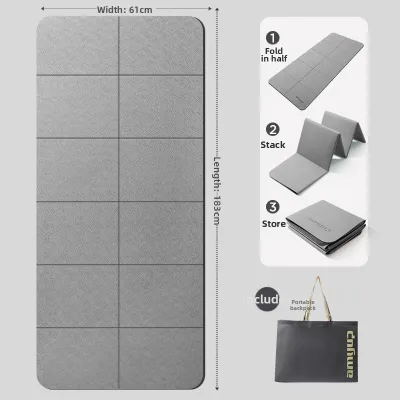

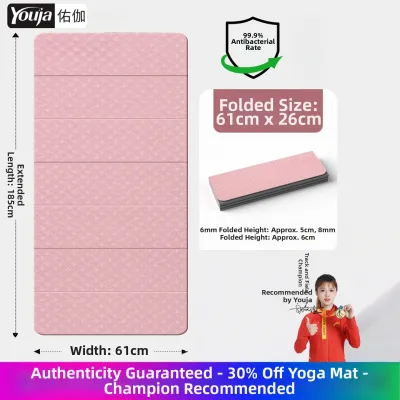
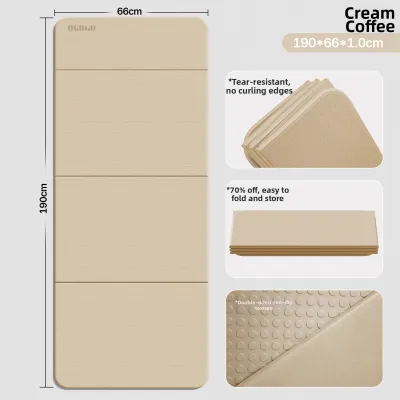
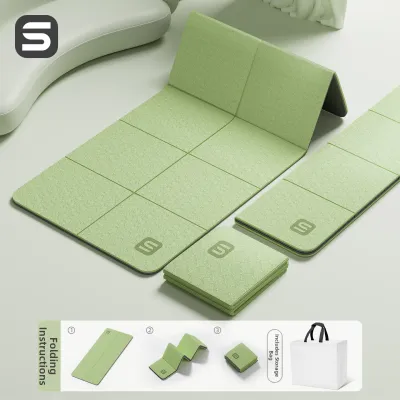
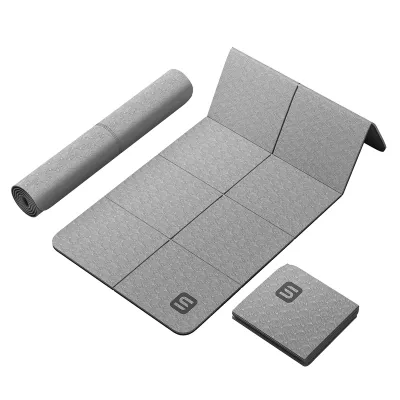
Prices are valid at publication and may change. Please refer to the product page for the latest price.
Medium-thickness mats, generally between 8mm and 15mm, strike a practical balance for multi-purpose workouts. They offer sufficient joint protection for kneeling and seated exercises while maintaining enough firmness to prevent excessive sinking. These mats are often preferred by individuals who transition frequently between standing and floor-based movements.
Thick mats, which range from 20mm to 50mm or more, are typically designed with segmented foam panels. These mats provide maximum impact absorption, making them ideal for high-intensity floor exercises, gymnastics, or physical therapy. The trade-off is a significant reduction in stability; the thick foam compresses under concentrated weight, making standing balance poses difficult and potentially straining the ankles.
The physical constraints of folding mechanisms also limit how thick a portable mat can be. Thicker mats require wider hinges or more panels, which increases the overall folded volume and makes transport more cumbersome. High-density materials are more difficult to fold tightly, meaning manufacturers must often choose between a soft, low-density foam that folds easily but bottoms out under pressure, or a firm, high-density foam that remains bulky even when folded.
Matching the thickness profile to your specific exercise type is essential for safety and comfort. Floor-based Pilates, core training, and stretching routines benefit from thicker, supportive panels that isolate the body from hard floors. Conversely, dynamic yoga flows and agility drills require a thinner, firmer surface to ensure proper alignment and prevent slipping.
Key Dimensions for Comparing Foldable Mat Brands
When comparing different brands, material density is often a more critical indicator of comfort than thickness alone. High-density foams, such as closed-cell polyethylene (PE) or dense thermoplastic elastomer (TPE), offer superior compression recovery. This means the material quickly returns to its original shape after pressure is applied, preventing your joints from pressing directly against the hard floor.

Surface texture is another vital dimension that influences both comfort and safety. Look for brands that feature textured patterns on both the top and bottom surfaces of the mat. A textured underside prevents the mat from sliding across slick floor surfaces during movement, while a textured top surface helps you maintain traction when your hands or feet become sweaty.
The design of the folding hinges and seams is a major differentiator among brands. High-quality foldable mats feature reinforced, heat-sealed, or double-stitched seams that lie completely flat when unfolded. Poorly constructed hinges can create raised ridges or deep gaps, which present tripping hazards during dynamic movements or cause discomfort when lying flat across the panels.
Weight and folded dimensions directly impact how easily you can transport and store the mat. A mat that is easy to tuck away in a closet might still be too heavy or bulky for a daily commute. Compare the folded height, width, and depth against your available storage space and your preferred carrying method, such as integrated handles or backpack straps.
Always rely on verified manufacturer specifications and product labels rather than vague marketing terms like “ultra-comfortable” or “shatterproof.” Check the exact dimensions, weight, and material composition listed in the product documentation to make an objective comparison between brands.
Matching Mat Specifications to Your Workout Needs
The floor surface of your primary workout environment dictates your thickness requirements. If you train on hard tiles, concrete, or hardwood floors, you will need a thicker or denser mat to isolate your joints from the rigid surface. On carpeted floors, a thinner mat is often sufficient because the carpet and underlay already provide a layer of cushioning.
Multi-panel folding designs, such as tri-fold or quad-fold configurations, offer different storage and stability profiles. Tri-fold mats typically have fewer seams, which can provide a more continuous surface, but they fold into larger, thicker blocks. Quad-fold mats fold into a more compact footprint but introduce more seams, which requires careful placement during exercises to avoid joint discomfort on the hinges.
Consider the primary location of your workouts when choosing a mat. A heavy, thick folding mat is excellent for a dedicated home gym setup where it can remain unfolded or be tucked away nearby. However, if you travel frequently or attend classes at a local studio, a lightweight, ultra-thin folding mat that fits into a standard tote bag is far more practical, even if it offers less cushioning.
In compact living spaces, such as apartments or shared rooms, storage efficiency is a priority. A folding mat that can stand upright in a closet or slide under a bed frame helps keep your living area clutter-free. Measure your intended storage space before purchasing to ensure the folded dimensions of the mat fit comfortably.
How to Evaluate Brand Claims and Product Labels
Understanding material compositions helps you decode brand claims on product labels. Thermoplastic Elastomer (TPE) is lightweight, offers moderate grip, and is often recyclable, making it a popular choice for mid-thickness mats. Nitrile Butadiene Rubber (NBR) is highly cushioned and cost-effective but tends to stretch and has lower compression recovery. Polyvinyl Chloride (PVC) is highly durable and provides excellent grip, but it is heavier and may retain a strong chemical odor initially.
Examine product labels for technical specifications such as load-bearing limits or compression recovery rates. While many consumer mats do not list explicit weight capacities, heavy-duty gymnastics folding mats often specify the density of the foam core. Look for certifications regarding chemical safety, such as REACH or RoHS compliance, to ensure the materials are free from harmful phthalates.
Slip resistance is highly dependent on environmental conditions. A mat that offers excellent traction in a dry, air-conditioned room may become slippery in a humid environment or during a high-sweat workout. Verify whether the manufacturer recommends using a microfiber towel overlay for wet conditions, as some materials lose their grip entirely when wet.
Regularly inspect the structural integrity of your folding mat. If you notice tearing along the seams, exposed foam core, or a permanent indentation that no longer recovers, the mat’s ability to distribute weight evenly is compromised. Stop using the mat immediately if the folding hinges show signs of material fatigue, as this can lead to sudden slipping or tripping during an exercise.
Decision Framework: Choosing Your Ideal Foldable Mat
To finalize your choice, apply a structured decision framework based on your physical priorities and workout environment. If your routine consists primarily of floor-heavy exercises like Pilates, core work, or stretching, and you train on hard surfaces, prioritize a thicker, high-density foam mat to maximize joint cushioning.
If your workouts involve standing balance poses, dynamic agility drills, or frequent travel, choose a thinner, firmer folding mat. This profile ensures your feet remain close to the solid floor, providing the necessary stability to prevent ankle strain while keeping the folded package lightweight and compact.
If you have pre-existing joint conditions, chronic pain, or are recovering from an injury, consult a medical professional or physical therapist before purchasing. They can recommend specific medical-grade cushioning levels or advise against certain unstable surfaces that could exacerbate your condition.
Before completing your purchase, use this final inspection checklist:
- Verify that the manufacturer specifies the exact folded and unfolded dimensions.
- Check that the seams are reinforced and designed to lie flat.
- Confirm the material composition matches your sensitivity to odors.
- Ensure the carrying strap or handle is securely integrated into the design.
- Check that the mat fits within your budget, keeping in mind that high-density materials often cost more but offer longer durability.
Frequently Asked Questions (FAQ)
Can I use a foldable exercise mat for high-impact workouts?
Foldable mats can be used for moderate high-impact workouts, but they have distinct limitations. The hinges and seams can shift or slide during rapid lateral movements, which increases the risk of tripping or ankle rolling. For intense plyometrics or cardio drills, a dedicated, non-folding high-impact mat with a continuous, high-traction surface is safer and more stable.
How do I clean and maintain the folding hinges?
Clean the hinges by wiping them down with a damp cloth and a mild, diluted soap solution. Avoid soaking the seams, as moisture can trap inside the folds and lead to mold growth or material degradation. Always allow the mat to dry completely in an unfolded, flat position in a well-ventilated area away from direct sunlight before folding it for storage. Stop cleaning and replace the mat if you observe the seam material cracking or peeling away.
Does a thicker foldable mat always mean better comfort?
No, thickness does not automatically equate to comfort. A very thick mat made of low-density foam will compress completely under concentrated weight, causing your joints to press against the hard floor. Conversely, a slightly thinner mat made of high-density foam distributes weight more evenly and prevents bottoming out, offering superior long-term comfort and joint support.
Community discussion
Share your experience or ask a question. Comments are reviewed before publication.