
Finding a foldable rowing machine that actually fits into a Singapore Housing & Development Board (HDB) flat requires looking beyond the glossy marketing photos of spacious, open-concept homes. In a typical HDB layout, where bedroom and living room square footage is highly optimized, a rowing machine must not only fit during a workout but also disappear seamlessly when stored. True compatibility depends on matching the equipment’s stored footprint, folding mechanism, and operational clearance with your specific room layout.
Before committing to a purchase, it is essential to recognize that a rowing machine is one of the longest pieces of cardio equipment available. Unlike a compact treadmill or a stationary spin bike, a rower requires a long, straight path to accommodate the slide rail and the user’s physical movement. Balancing your fitness goals with the spatial realities of high-density living is the first step toward establishing a sustainable home workout routine.
Understanding HDB Space Constraints for Cardio Equipment
When assessing your home, do not just measure the bare floor space of your intended storage corner. Account for skirting boards, which can steal 1.5 to 2 centimeters of depth, as well as wall-mounted power sockets, electrical trunking, curtain tracks, and the swing path of built-in wardrobe doors. A machine that seems to fit perfectly on paper might block a wardrobe door or sit awkwardly against a protruding socket, forcing you to store it in a more intrusive location.
Products mentioned in this guide
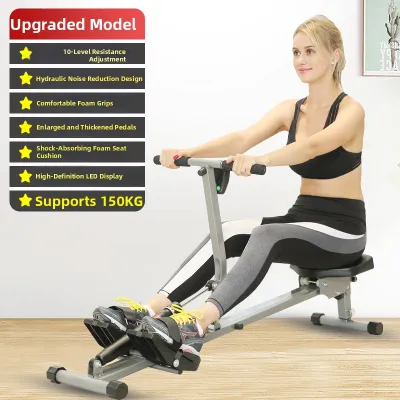
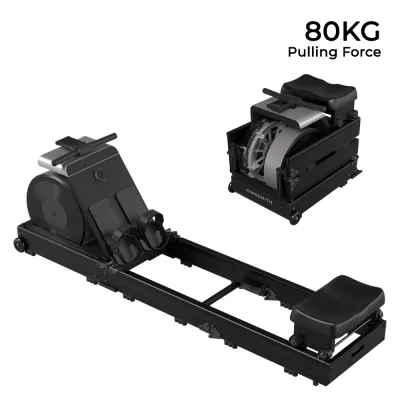
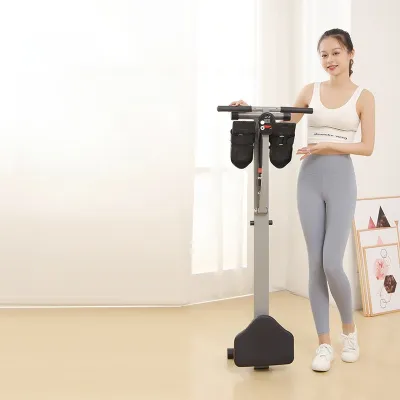
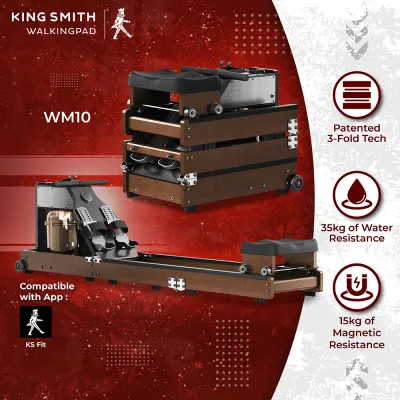
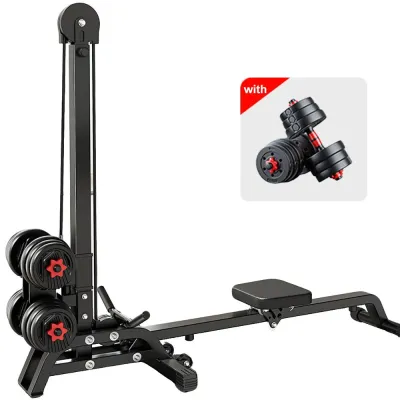
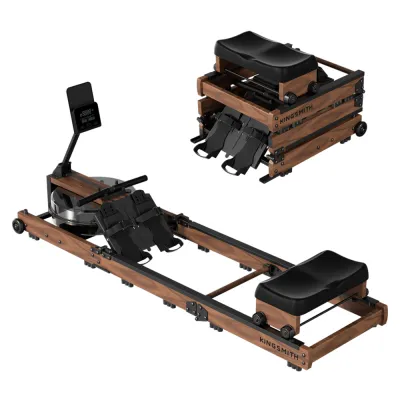
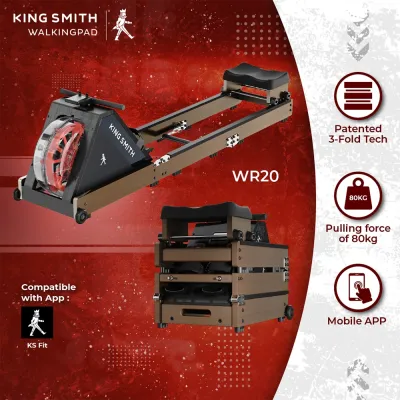
Prices are valid at publication and may change. Please refer to the product page for the latest price.
Maneuvering the equipment through your flat is another critical consideration. Consider the journey from the lift lobby, through your front door, and into the final room. HDB main doors, bedroom doors, and corridor corners often have tight turning radiuses that can trap long boxes or fully assembled frames. Measure your door frame widths—which typically range from 80 to 85 centimeters in newer HDB flats—and compare them with the packaged box dimensions. If you live in an older estate, lift doors and cabin sizes can also be surprisingly narrow, making it difficult to transport a non-folding frame without professional disassembly.
Ceiling heights and overhead hazards must also be factored into your storage plan. Standard HDB ceiling heights generally range from 2.6 to 2.8 meters. If you plan to store a rowing machine vertically, check the total vertical height of the machine when stood upright to ensure it clears the ceiling. Crucially, look up to identify potential hazards such as ceiling fans, air conditioning units, or low-hanging pendant lights. A vertical rower stored directly beneath an active ceiling fan poses a significant safety risk during daily setup and teardown.
Evaluating Foldable Rowing Machine Designs
Upright storage models stand vertically on their front stabilizer wheels, keeping the rail intact. This design typically occupies a very small floor footprint, often similar to a dining chair, but it requires sufficient vertical clearance and the physical strength to lift the rail safely. In contrast, mid-rail folding designs hinge in the middle of the slide rail, reducing the length by half but often resulting in a wider, bulkier shape that sits flat on the floor. Mid-rail models are easier to fold for those who prefer not to lift heavy frames vertically, but they reclaim less usable floor space.

When storing a machine vertically, the center of gravity shifts upward, making stability a primary safety concern. In a busy HDB household with young children or pets, an unstable vertical rower is a serious tipping hazard. Verify if the model features a dedicated locking mechanism, wall-anchor straps, or wide, heavy-duty front stabilizers to prevent accidental tipping. If the base feels narrow or top-heavy, vertical storage in a high-traffic corridor or common area is not recommended.
A foldable machine is only practical if you can move it without straining your back or damaging your home. Check the total weight of the machine before buying. While heavier steel frames offer excellent stability during intense workouts, they can be exhausting to maneuver on a daily basis. Look for high-quality, wide polyurethane transport wheels rather than cheap, narrow plastic rollers. Poorly designed wheels can scratch delicate flooring and make steering around tight HDB corners incredibly frustrating.
How to Measure and Match Dimensions Before You Buy
The “stored footprint” is only half the equation; you must also map out the “in-use dimensions” to ensure a safe workout environment. When in use, a rowing machine requires a much larger operational clearance than its physical frame. You must account for the full length of the slide rail plus the physical space occupied by your body at the end of the stroke, where you lean back slightly. Ensure there is at least 50 centimeters of clear space behind the rear stabilizer and on both sides of the machine to allow for safe mounting, dismounting, and unrestricted elbow movement.
User height directly dictates the required rail length, which in turn affects the machine’s overall footprint. Taller users require a longer slide rail to achieve a full leg extension and proper rowing form. However, longer rails naturally demand more floor space when in use and more vertical clearance when stored upright. If you are taller than 1.8 meters, verify the maximum inseam or user height specification of the rower. Opting for an ultra-compact model with a shortened rail might save space, but it will restrict your stroke mechanics, leading to poor form and potential joint strain.
Never rely solely on vague marketing terms like “compact” or “space-saving.” Always download the official product manual or specification sheet to find the exact millimeter measurements for both folded and unfolded states. Manufacturers sometimes omit protruding parts, such as the console, handle hooks, or footplates, from their summary dimensions. Verifying these details beforehand prevents the disappointment of purchasing a machine that is just a few centimeters too large for its designated storage nook.
Floor Protection and Noise Management in HDB Flats
Rowing machines are heavy and subject to dynamic, repetitive forces during a workout. Placing a machine directly on HDB vinyl, laminate, or parquet flooring can cause permanent indentations, scratches, or discoloration over time. Use a high-density, non-slip equipment mat. The mat should be slightly wider and longer than the machine’s in-use footprint to catch sweat, distribute the weight evenly, and prevent the machine from creeping forward during high-intensity intervals.
In high-density HDB blocks, sound and structural vibrations travel easily through concrete floors to your neighbors downstairs. Air resistance rowers use a flywheel fan that generates a noticeable wind noise, which can be disruptive in a quiet apartment. Water resistance rowers produce a soothing sloshing sound but have a larger, heavier footprint. Magnetic resistance rowers are generally the quietest option for HDB living, as they operate with minimal friction and transfer very little vibration to the floor below.
Over time, the folding hinges, locking pins, and transport wheels can accumulate dust and lose lubrication, leading to annoying squeaks and rattles. Establish a regular maintenance routine to keep the machine quiet and safe. Check and tighten all bolts, wipe down the slide rail to keep the seat rollers gliding smoothly, and lubricate the folding joints as recommended by the manufacturer to ensure quiet operation and prolong the machine’s lifespan.
Frequently Asked Questions (FAQ)
Do I need to fold the rowing machine after every single workout?
No, you do not have to fold it daily if you have a dedicated workout space that does not interfere with daily foot traffic. However, in a multi-functional HDB room, leaving a two-meter-long machine unfolded can quickly become a tripping hazard and disrupt the flow of the household. If the folding process is cumbersome or the machine is exceptionally heavy, you may find yourself skipping workouts just to avoid the setup hassle. Assess your daily routine: if the space is shared, choose a model with an effortless, gas-assisted folding mechanism to make daily storage painless.
Can I store a vertically standing rowing machine near a window or balcony?
It is highly discouraged to store your rowing machine near a window or on a balcony in Singapore’s tropical climate. Direct sunlight and UV exposure will rapidly degrade plastic components, fade digital console screens, and weaken rubber resistance bands or bungee cords. Furthermore, the high humidity and occasional rain splashes can cause metal rails to rust, damage electronic wiring, and warp wooden frames. To protect your investment, store the machine in a cool, dry, and shaded indoor area away from direct environmental exposure.
Community discussion
Share your experience or ask a question. Comments are reviewed before publication.