
When searching for a yoga mat foldable design, you will quickly discover that choosing the perfect model requires balancing two competing priorities: cushioning thickness and compact portability. Standard roll-up mats offer uniform thickness and excellent joint cushioning, but they are notoriously awkward to carry on crowded public transit or pack into travel luggage. Foldable alternatives solve this transport dilemma by collapsing into neat, flat rectangles, yet this convenience introduces structural compromises. Comparing popular brands reveals that no single option maximizes both dimensions perfectly, making your choice highly dependent on your specific practice environment and lifestyle.
The primary decision condition when comparing these brands is whether you prioritize joint protection for dedicated studio or home use, or extreme compactness for frequent travel and daily commuting. Thicker, denser materials provide the essential padding required for sensitive knees and wrists but result in a bulkier, heavier folded package. Conversely, ultra-thin travel profiles fold down to the size of a book but offer minimal cushioning on hard floors. To make an informed comparison, you must evaluate brands across several non-standardized metrics, including the folding mechanism, hinge durability, and actual packed dimensions, rather than relying solely on generic marketing labels.
The Core Trade-Off: Why Thickness and Portability Compete in Foldable Mats
How Folding Mechanisms Affect Cushioning
To understand why thickness and portability are in constant tension, it is helpful to look at the physical construction of a foldable mat. Unlike traditional mats that roll into a continuous cylinder, foldable mats rely on pre-creased fold lines, often referred to as hinges. These hinges are intentional points of structural weakness or compression designed to let the material bend back on itself. Creating these creases requires manufacturers to either thin out the material along the fold lines or segment the mat into distinct panels.
Products mentioned in this guide
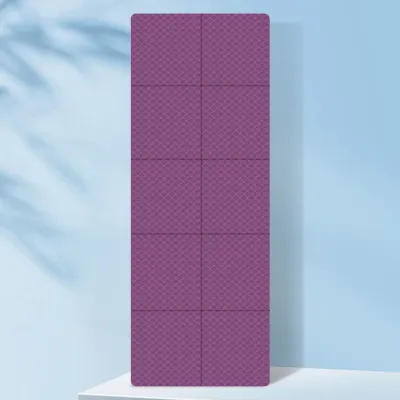
Prices are valid at publication and may change. Please refer to the product page for the latest price.
This structural requirement inherently compromises the uniformity of the mat’s cushioning. When you perform poses that place concentrated pressure directly on a fold line—such as a low lunge or a tabletop position—your joints may press through the thinned hinge directly to the hard floor beneath. Brands must choose between a seamless, uniform surface that is difficult to fold flat, and a highly segmented, easily folded design that presents noticeable gaps or thin spots across the practice surface. Finding a brand that minimizes this structural compromise is key to a comfortable practice.
Material Density vs. Folded Volume
The physical properties of the materials used in yoga mats directly dictate how compactly they can fold and how much they will weigh. High-density materials, such as natural rubber or heavy-duty polyurethane (PU), offer superior joint support and excellent floor traction. However, these materials are dense and heavy. When a natural rubber mat is folded multiple times, the accumulated layers create a thick, heavy block that can easily weigh over 1.5 kilograms, making it cumbersome for daily transit.
On the other hand, lighter materials like Thermoplastic Elastomer (TPE) or Ethylene-Vinyl Acetate (EVA) foam can be manufactured with greater thickness (such as 4mm to 6mm) while remaining remarkably lightweight. However, these foaming agents contain trapped air, which gives them a high “material memory.” This memory causes the mat to resist folding flat, often resulting in a springy, unstable stack that takes up significant volume in a backpack. Consequently, a thicker TPE mat folded in half or quarters may actually occupy more physical space in your bag than a thinner, denser natural rubber mat folded into eighths.
4 Key Dimensions to Compare Across Foldable Yoga Mat Brands
Thickness and Joint Support
When evaluating different brands, the overall thickness is the most critical factor affecting your physical comfort during practice. Foldable mats generally fall into three thickness categories, each serving a distinct purpose:

- Ultra-Thin Travel Profiles (1mm to 2mm): These mats are designed primarily as hygiene barriers or "mat toppers" to be laid over a studio's rental mat. When used directly on hardwood or concrete floors, they offer virtually no joint protection and are unsuitable for practitioners with sensitive knees or wrists.
- Standard Versatile Profiles (3mm to 4mm): This range represents the middle ground, offering a moderate level of cushioning that can support a standalone practice on most surfaces while remaining relatively easy to pack.
- Thick Comfort Profiles (5mm to 6mm and above): These mats prioritize joint protection, making them ideal for restorative practices or Yin yoga. However, they are significantly bulkier and typically utilize simpler folding designs that limit their portability.
Beyond nominal thickness, you must inspect the depth and design of the hinge creases. Deep, wide creases can cause instability during standing balance poses, such as Tree Pose (Vrksasana), if your foot lands directly on a fold line. Look for brands that utilize low-profile, precision-molded hinges that maintain structural support across the entire surface of the mat.
Folding Design and Packed Size
The portability of a mat is largely determined by its folding configuration, which dictates its final packed shape and dimensions. Manufacturers utilize several distinct folding designs:
- Bi-Fold Designs: The mat folds once down the center, either lengthwise or widthwise. While this reduces one dimension of the mat, it remains relatively long and semi-rigid. These mats are difficult to fit into standard backpacks and are best suited for carrying like a portfolio or sliding into a dedicated flat tote bag.
- Tri-Fold and Quad-Fold Designs: The mat is segmented into three or four panels that fold over one another. This design creates a flatter, more structured package that fits neatly into larger travel gear or commuter bags.
- Multi-Fold (Grid) Designs: The mat is divided into a grid of six, eight, or more panels, allowing it to fold both horizontally and vertically. This configuration yields the most compact packed size, often resembling a thick book, which can easily slip into a standard 20-liter daypack or a carry-on suitcase.
Rather than relying on vague marketing terms like “compact” or “travel-friendly,” always obtain the exact folded dimensions (length, width, and height) provided by the manufacturer. Compare these measurements directly against the dimensions of your preferred commuter bag or luggage compartment to ensure a proper fit.
Weight and Carry Options
Weight is a crucial consideration for anyone commuting with their gear. Carrying an extra two kilograms during a long walk or a crowded train ride can quickly become exhausting. Ultra-lightweight foldable mats typically weigh under 1 kilogram, making them effortless to carry, though they may shift or bunch up on the floor during dynamic transitions. Mid-weight to heavyweight options range from 1.2 to 2 kilograms; they offer excellent floor stability and cushioning but require a more robust carrying system.
Compare the carrying accessories and options provided by each brand. Some mats feature built-in carrying handles or integrated elastic bands that keep the folded panels securely compressed. Other brands include dedicated carry bags, zippered cases, or shoulder straps. A rigid bi-fold mat with a built-in handle can be carried comfortably like a briefcase for short distances, whereas a flexible multi-fold mat is much easier to secure inside a backpack, keeping your hands entirely free.
Surface Grip and Hinge Durability
The physical creases that allow a mat to fold are also the areas most susceptible to wear and tear. Over time, the repeated mechanical stress of folding and unfolding can cause materials to fatigue, leading to micro-tears, peeling, or permanent creasing where the mat refuses to lie flat on the floor. Natural rubber and high-grade polyurethane generally exhibit superior hinge durability compared to cheaper PVC or low-density TPE foams, which can crack or split along the fold lines after a few months of regular use.
Furthermore, these creases can impact your traction during active transitions. If you practice dynamic styles of yoga, such as Vinyasa or Ashtanga, your feet slide across the mat frequently. A raised crease or a loose fold can catch your toes, disrupting your flow or causing a slip. When comparing brands, look for designs where the hinges fold flat under your body weight, ensuring a smooth, uninterrupted surface that maintains consistent grip from edge to edge.
How to Verify Brand Claims and Evaluate Real-World Usability
Verifying Specifications and Material Disclosures
To avoid disappointment, look past subjective marketing claims and focus on verifiable technical specifications. Reliable brands clearly disclose the exact weight, unfolded dimensions, folded dimensions, and material composition of their products. If a brand fails to provide these precise measurements, treat their portability claims with caution.
Material safety is another critical factor, especially since your skin comes into direct, prolonged contact with the mat. Because foldable mats require specialized synthetic blends or treated rubbers to prevent the hinges from tearing under tension, it is important to verify that these formulations are non-toxic. Look for recognized independent safety certifications, such as Oeko-Tex Standard 100 or SGS testing reports, which confirm the absence of harmful chemicals, heavy metals, and phthalates.
Odor and Sweat Resistance
Different materials handle moisture and odor in distinct ways, which directly affects usability. Closed-cell materials (such as high-grade TPE and certain synthetic rubbers) do not absorb moisture. This makes them highly hygienic and easy to wipe clean, but it also means that sweat can pool on the surface, making the mat slippery during intense sessions. Open-cell materials (like natural rubber) absorb moisture to maintain a high-traction grip even when wet, but they can trap sweat and odor over time if not cleaned meticulously.
When evaluating a brand’s claims regarding odor resistance, check if they utilize antimicrobial treatments or if the material itself is naturally resistant to bacteria. Be aware that natural rubber mats often carry a distinct, sweet rubber scent when new. While this odor typically fades with airing, individuals with sensitive noses should verify whether a brand’s rubber formulation is processed to minimize this natural scent.
Evaluating Warranty and Return Policies
Given that the folding hinges are subject to high mechanical stress, a brand’s warranty policy is a strong indicator of their product’s build quality and expected lifespan. Before purchasing, review the manufacturer’s warranty terms to see if they specifically cover structural failures at the fold lines.
Some brands offer comprehensive warranties that cover splitting, tearing, or permanent warping of the hinges under normal use conditions, while others classify hinge wear as standard “wear and tear” that is excluded from coverage. A brand that stands behind its engineering will typically offer a clear, straightforward warranty policy, giving you greater confidence in the mat’s long-term durability.
Managing Moisture in Humid Climates
Practicing yoga in warm, humid environments—such as Singapore, where relative humidity levels frequently exceed 80%—presents unique maintenance challenges for foldable mats. When you fold a mat immediately after a sweaty practice, you trap moisture, sweat, and skin oils within the tightly compressed creases. In a humid climate, this dark, damp environment is highly conducive to the growth of mold, mildew, and unpleasant odors.
To prevent this, you must carefully follow the manufacturer’s care and storage instructions. Most reputable brands advise against leaving a folded mat damp inside a closed gym bag for extended periods. Instead, verify that the mat can be easily wiped down with a damp cloth and mild soap, and ensure you have a suitable space to hang it flat or draped over a rail to dry completely in a well-ventilated, shaded area before folding it for long-term storage. Never expose the mat to direct sunlight, as UV rays can degrade natural rubber and synthetic polymers, causing them to become brittle and crack along the hinges.
Decision Framework: Choosing the Right Foldable Profile for Your Practice
Choose a thicker, bi-fold profile if:
- Your primary practice location is at home or a local studio that you travel to by car, minimizing the need to carry the mat over long walking distances.
- You require maximum joint protection due to sensitive knees, wrists, or ankles, and cannot practice comfortably on thin surfaces.
- You prioritize a highly stable, seamless practice surface with minimal crease lines, allowing you to perform standing balance poses and dynamic transitions without any physical interference.
Choose a thinner, multi-fold profile if:
- You travel frequently by air and need a mat that complies with strict carry-on luggage dimensions and weight limits.
- You rely on public transit (such as the Singapore MRT or public buses) for your daily commute and need a mat that fits entirely inside a standard backpack or commuter tote, keeping your hands free.
- You plan to use the foldable mat as a hygienic topper over a thicker studio-provided mat, allowing you to enjoy the benefits of a clean personal surface without needing to carry a heavy, thick mat of your own.
Verify first if:
- You have chronic joint issues or injuries: A thin travel mat used directly on a hard floor can exacerbate joint discomfort. In this scenario, verify if you can layer the mat or if a thicker foldable model is absolutely necessary.
- You practice highly dynamic, fast-paced styles of yoga: Styles like Ashtanga or power Vinyasa require absolute floor stability. Verify that the mat's bottom surface has sufficient grip to prevent the folded panels from sliding on polished studio floors.
- You practice hot yoga or sweat heavily: Deep fold creases can collect pools of sweat, which can compromise your traction. Verify if the mat's material maintains its grip when wet, or plan to pair the mat with a dedicated, non-slip yoga towel to absorb excess moisture.
Frequently Asked Questions (FAQ)
Can I use a foldable yoga mat for hot yoga or high-intensity practice?
Yes, you can use a foldable yoga mat for hot yoga, but you must take specific precautions regarding grip and moisture management. During hot yoga or high-intensity sessions, sweat can accumulate within the fold lines and creases, creating slippery spots that can compromise your stability during active transitions. If you choose a closed-cell foldable mat, the sweat will pool on the surface; if you choose an open-cell mat, it will absorb the moisture but require deep cleaning afterward to prevent odor.
To maintain safe traction, it is highly recommended to pair your foldable mat with a specialized, absorbent yoga towel that features silicone grip dots on the underside. This towel will absorb perspiration and bridge the creases, providing a continuous, high-grip surface. Additionally, verify that the mat’s material can withstand high temperatures, particularly if you practice in infrared-heated studios, as excessive heat can sometimes soften adhesives or synthetic compounds used in the hinges.
Do the fold lines on a travel mat eventually tear or lose their shape?
Over time, all foldable yoga mats will experience some degree of material fatigue along their creases due to the repeated mechanical stress of folding and unfolding. However, the rate of degradation depends heavily on the quality of the material and how the mat is maintained. Cheaper PVC and low-density TPE mats are more prone to developing micro-tears, cracking, or permanent warping, where the creases begin to curl upward and refuse to lie flat on the floor. High-quality natural rubber and polyurethane mats generally offer much greater resilience, retaining their shape and structural integrity for years when cared for properly.
To maximize the lifespan of your mat’s hinges, avoid storing the mat folded under heavy items, such as books or weights, which can permanently crush the creases. Always fold the mat gently along its natural, pre-creased lines without forcing or over-compressing the joints. Regularly clean the creases to remove dirt and grit, which can act as abrasives and wear down the material within the hinges over time. Finally, check the manufacturer’s warranty terms, as some premium brands offer specific coverage against premature tearing or splitting at the fold lines.
Community discussion
Share your experience or ask a question. Comments are reviewed before publication.