
Selecting a folding kayak in Singapore requires evaluating how different brand designs handle the unique combination of tropical heat, high humidity, and local storage constraints. While traditional rigid kayaks offer excellent performance, they are often impractical for those living in high-density housing like HDB flats or condominiums. Folding kayaks solve this storage dilemma, but not all brands are built to withstand the specific environmental and logistical demands of the region. To find a model that offers lasting value, paddlers must look beyond marketing claims and systematically compare material durability, structural rigidity, and local after-sales support.
Understanding Singapore's Paddling Conditions
Singapore offers a diverse range of paddling environments, from the tranquil waters of inland reservoirs like MacRitchie, Bedok, and Marina Reservoir to sheltered coastal stretches along Pasir Ris, East Coast Park, and Sentosa. Each environment places distinct demands on a folding kayak. Calm reservoirs require a kayak that tracks straight with minimal effort, allowing you to glide smoothly across flat water. In contrast, coastal waters introduce light chop, tidal currents, and wind, which demand a more stable hull design and reliable tracking to prevent drifting.
The tropical climate is another critical factor. Singapore’s high UV index and year-round intense heat can rapidly degrade untreated plastics, synthetic fabrics, and adhesives. Over time, prolonged sun exposure can cause materials to become brittle, crack, or delaminate. Therefore, understanding how a brand’s materials react to intense UV radiation is essential for long-term safety and performance.
Products mentioned in this guide
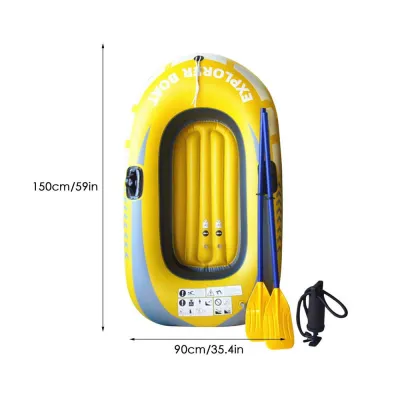
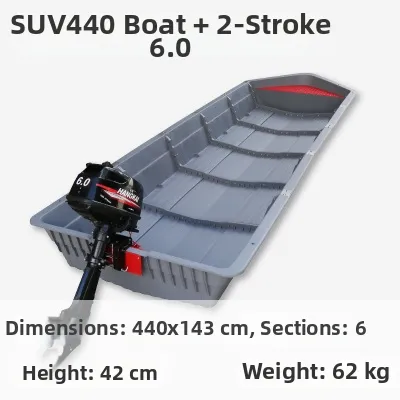
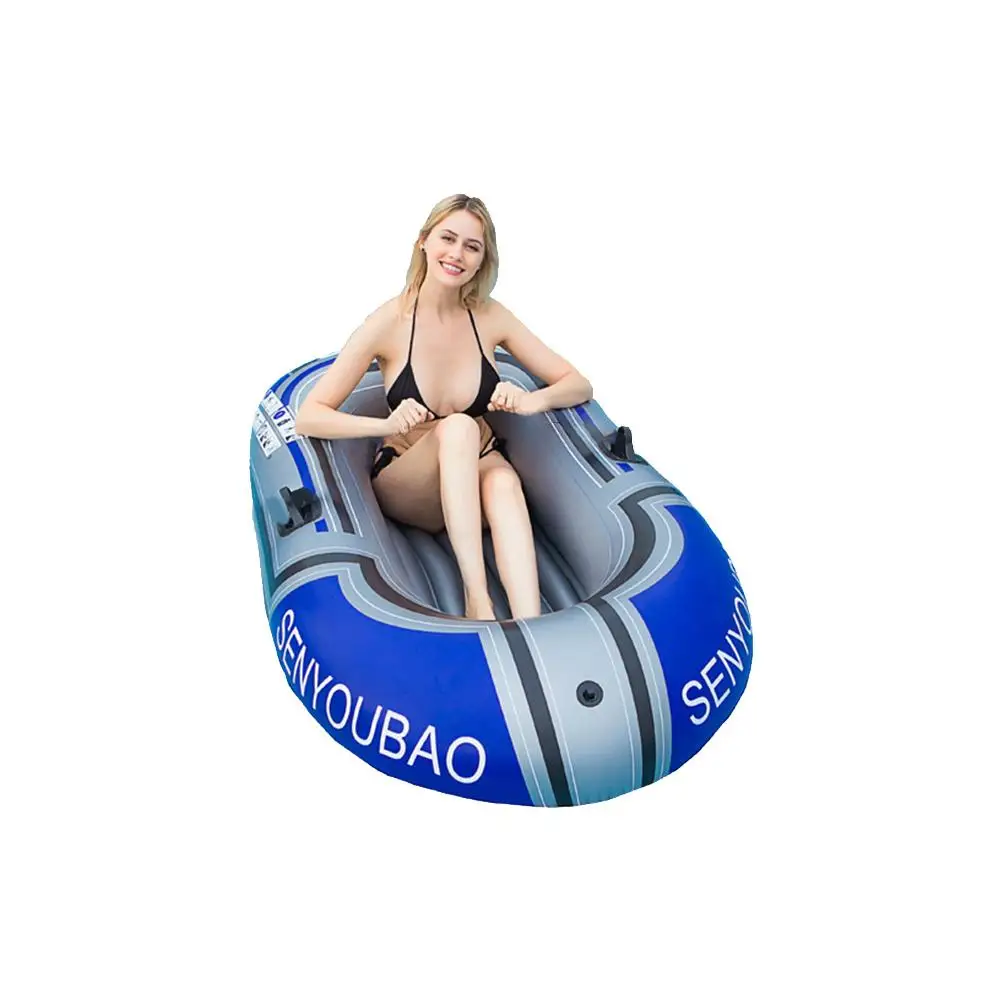
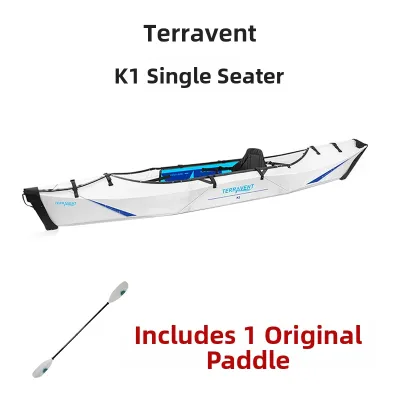
Prices are valid at publication and may change. Please refer to the product page for the latest price.
Logistical constraints also dictate your choice. Most local paddlers do not have the luxury of a private garage or a dedicated vehicle rack. A folding kayak must be compact enough to store in a standard apartment closet or bomb shelter, and light enough to transport via public transit, private hire vehicles, or small car boots. The ease of carrying the packed kayak from your home to the launch point is just as important as its performance on the water.
Key Dimensions for Comparing Folding Kayak Brands
When comparing different folding kayak brands, you must look closely at the manufacturer’s technical specifications and design choices. Key dimensions to evaluate include the maximum weight capacity, folded dimensions, total weight, and estimated setup time. However, specifications on paper do not always reflect real-world durability. It is vital to research independent user feedback regarding how well the joints, hinges, and folding seams hold up after repeated assembly cycles. Additionally, verify what accessories are included in the purchase price, as some brands bundle essential gear like seats, paddles, and repair kits, while others require you to purchase them separately.

Hull Materials and UV Resistance
The longevity of a folding kayak under the tropical sun depends heavily on its hull material. Brands generally fall into two categories: those utilizing rigid folding plastics (such as custom-extruded polypropylene) and those using flexible skin-on-frame designs with PVC or polyurethane skins. Rigid plastic models rely on pre-creased fold lines to assemble, acting like heavy-duty origami. These materials are highly puncture-resistant but can suffer from crease fatigue over years of folding and unfolding.
Flexible skin-on-frame models use a synthetic skin stretched over an internal frame. While these skins are highly resilient and absorb impacts well, they are susceptible to abrasions from sharp rocks or barnacles found along Singapore’s coastlines. When evaluating any brand, check the manufacturer’s documentation for explicit mentions of UV-inhibiting additives or protective coatings. You should also perform regular visual inspections of the fold lines and seams; look for signs of material fatigue such as whitening of the plastic, deep creasing, or a loss of flexibility in the fabric, which indicate that the material is nearing the end of its safe operational life.
Frame Structure and Rigidity
A kayak’s structural rigidity directly influences its speed, stability, and tracking on the water. When a hull flexes excessively in response to waves or paddling strokes, energy is lost, making the kayak harder to control. Rigid internal frames, typically constructed from anodized aluminum or fiberglass ribs, provide excellent structural integrity that closely mimics a traditional hard-shell kayak. However, these frames can be complex to assemble and require meticulous rinsing to prevent corrosion.
Alternatively, some modern brands utilize hybrid designs that combine a folding skin with inflatable drop-stitch panels. These hybrid models offer high rigidity and are often faster to set up, but they rely on air pressure to maintain their shape. When comparing these structural designs, use a checklist to assess the locking mechanisms, tensioning buckles, and hinges. Ensure that all moving parts operate smoothly and lock securely without excessive play. Keep in mind that while complex frame structures often deliver superior tracking in open water, they demand more careful handling during setup and require more intensive post-paddle maintenance.
Evaluating Local Availability and After-Sales Support
Purchasing a folding kayak is a significant investment, often ranging from S$1,000 to over S$3,000. Therefore, securing reliable after-sales support is crucial. In Singapore, paddlers generally choose between buying from an authorized local distributor or importing directly from overseas via online marketplaces. While direct imports may sometimes offer a lower upfront price, they carry substantial risks regarding warranty claims and replacement parts.
Authorized local distributors provide a critical safety net. If a hinge snaps, a seam leaks, or a frame piece bends, a local distributor can often supply replacement parts immediately or handle the warranty claim directly with the manufacturer. Before buying, contact the seller to verify if the manufacturer’s international warranty is fully honored in Singapore and whether they stock common replacement parts like nose cones, buckles, and patch kits locally. Purchasing from unauthorized or cross-border sellers often means you must ship the damaged kayak or parts back to the country of origin at your own expense, which can be prohibitively expensive and leave you without a kayak for months.
Decision Framework: Matching Brand Profiles to Your Needs
To narrow down your choices, match the design characteristics of different folding kayak categories to your specific paddling goals and lifestyle constraints.
If your primary goal is long-distance paddling, coastal exploration, or you prioritize a kayak that tracks exceptionally well in light chop, focus on hard-shell folding brands or high-end skin-on-frame models with rigid internal frames. These designs offer the structural integrity needed to handle open water efficiently. They are highly durable against abrasions but may require a slightly longer setup time and a larger storage footprint when folded.
If you prioritize ultra-lightweight portability, quick assembly, and casual paddling in calm reservoirs, look toward origami-style folding plastic brands or lightweight hybrid inflatable models. These options are incredibly easy to transport on public transport, can be assembled in under ten minutes, and fit easily into small apartment closets. However, they may have lower weight capacities and can be more susceptible to drifting in windy coastal conditions.
Before making a final decision, always verify that the brand you choose offers accessible repair kits and clear maintenance guidelines tailored for humid, tropical environments. It is also important to recognize the limits of these watercraft. If you plan to paddle in rough ocean surf, strong tidal currents, or heavy whitewater, a folding kayak is generally not suitable. For these high-risk activities, traditional rigid sea kayaks or specialized whitewater kayaks are necessary, and no equipment can replace professional safety training and sound maritime judgment.
Frequently Asked Questions (FAQ)
Do folding kayaks require special storage in Singapore's humid climate?
Yes, Singapore’s high humidity creates an ideal environment for mold, mildew, and adhesive degradation. After every paddle, thoroughly rinse your folding kayak with fresh water to remove salt, sand, and organic debris. Allow the kayak to dry completely in a shaded, well-ventilated area before folding it for storage. Storing a wet or damp kayak inside its carry bag will lead to mold growth and can weaken the seams. Store the folded kayak in a cool, dry indoor location, away from direct sunlight and off concrete floors, which can transfer moisture. You may also apply manufacturer-approved UV-protective and anti-fungal sprays to extend the life of the hull material.
Can I use a folding kayak in both reservoirs and the ocean?
Folding kayaks are highly versatile and can be used in both calm inland reservoirs and sheltered coastal waters, provided you adhere to local regulations and safety guidelines. Reservoirs managed by local authorities often require specific activity permits and have designated launching zones. For coastal paddling, stick to sheltered bays and calm weather conditions. Avoid taking a folding kayak into rough ocean surf, strong tidal currents, or far offshore, as their lighter weight and flexible hulls make them more vulnerable to wind drift and swamping. Always wear a properly fitted personal flotation device (PFD), carry a signaling device, and check the weather forecast before heading out.
Community discussion
Share your experience or ask a question. Comments are reviewed before publication.