
Choosing the ideal bike bag setup for navigating Singapore’s Park Connector Network (PCN) and urban roads depends on two main factors: what you need to carry and how far you are riding. There is no single universal solution that fits every cyclist. Instead, the right setup balances cargo capacity, riding comfort, and bike handling.
For riders carrying daily essentials like a phone, wallet, keys, and a light windbreaker, a frame bag offers the most balanced bike handling and quickest access. If your cargo is strictly limited to emergency tools, a compact saddle bag keeps your bike streamlined and your body completely free. When your commute requires transporting a laptop, work attire, or bulky items, a cycling-specific backpack remains necessary despite the tropical heat.
Many local commuters find that a hybrid setup—such as combining a half-frame bag with a small saddle bag or a lightweight backpack—provides the ultimate flexibility for transitioning from weekend PCN leisure rides to weekday office commutes.
Products mentioned in this guide
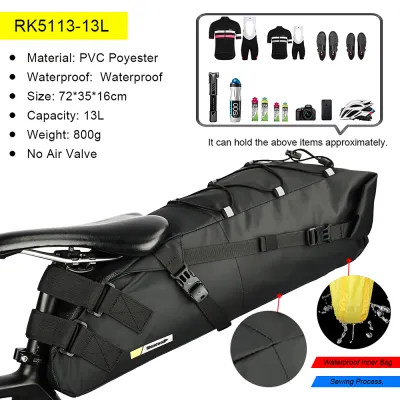
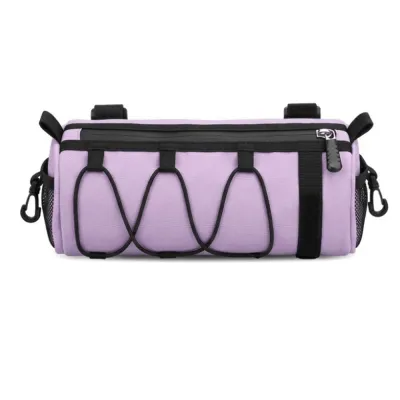
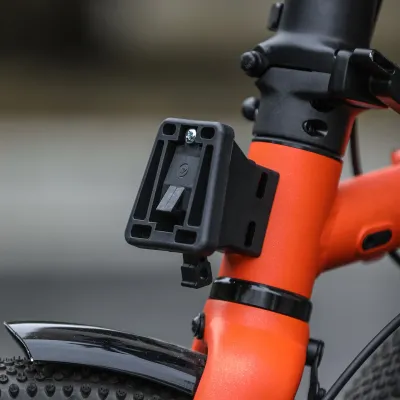
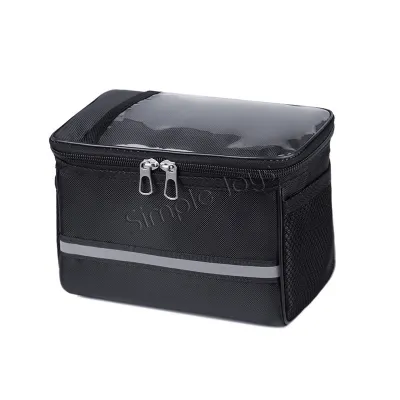
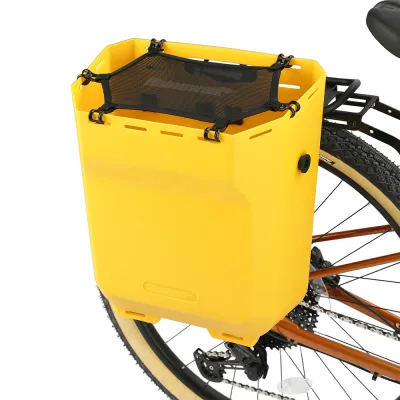
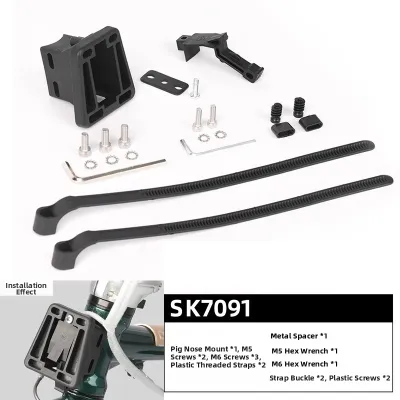
Prices are valid at publication and may change. Please refer to the product page for the latest price.
How Frame, Saddle, and Backpacks Compare on the Bike
Weight Distribution and Bike Handling
The placement of your gear directly influences how your bicycle responds to steering inputs, cornering, and sudden stops. Frame bags utilize the central triangle of the bicycle, positioning the weight low and directly between your wheels. This low center of gravity minimizes the impact on steering, making the bike feel stable and predictable when navigating tight corners or dodging pedestrians on shared PCN paths.
Saddle bags place weight behind the rider, high up under the saddle rails. While small saddle bags containing flat-repair kits have a negligible effect, larger bikepacking-style seat packs can introduce noticeable sway. When you stand up to pedal on an incline or accelerate quickly, this rear-heavy weight can cause the rear of the bike to wag, requiring more core engagement to keep the bike tracking straight.
Backpacks transfer all cargo weight directly to the rider’s body. This raises your overall center of gravity, which can make the bicycle feel slightly twitchy at low speeds or during sudden maneuvers. However, because the weight is unsprung and moves with your torso, many riders find that it feels highly intuitive once they are up to cruising speed, as they can actively shift their body weight to assist with cornering.
Accessibility and Daily Convenience
When commuting or enjoying a long ride along the coast, how easily you can access your gear is a major convenience factor. Frame bags excel in this category, acting as an easily reachable dashboard. Most models feature side-entry zippers that you can operate with one hand while stopped at a traffic light, allowing quick access to your phone, EZ-Link card, or a quick snack without needing to dismount.
Saddle bags sit completely out of sight and out of reach while riding. To access anything inside, you must bring your bicycle to a complete stop, dismount, and bend down behind the rear wheel. This makes saddle bags highly impractical for items you might need frequently throughout a ride, but they are perfectly suited for emergency gear that you hope you will not have to access at all.
Backpacks offer excellent convenience once you arrive at your destination, but they are the least accessible option while on the saddle. To retrieve even a small item, you must stop, unbuckle any chest or waist straps, slide the pack off your shoulders, and open the main compartment. This extra effort can become tedious during a multi-stop commute or when you quickly want to snap a photo along a scenic PCN route.
Comfort, Heat, and Weather Protection
Singapore’s tropical climate, characterized by high humidity and average daytime temperatures that frequently exceed 30 degrees Celsius, makes rider comfort a primary consideration. Wearing a backpack creates a solid barrier against your back, trapping heat and sweat. Even backpacks featuring advanced ventilation channels or mesh back panels will inevitably lead to a damp shirt, which can be highly uncomfortable if your workplace lacks shower facilities.
Bike-mounted options like frame bags and saddle bags completely eliminate back sweat by transferring the cargo load directly to the bicycle frame. This leaves your body unencumbered, allowing natural airflow to keep you cool during warm morning commutes. For long-distance weekend rides along the PCN, keeping the weight off your shoulders and spine also significantly reduces fatigue in your lower back and neck.
Weather protection is another crucial factor due to sudden, heavy tropical downpours. Backpacks generally offer superior water resistance because they sit behind the rider’s torso, shielded from direct road spray, and many commuter models feature roll-top closures or integrated high-visibility rain covers. Frame and saddle bags, conversely, are positioned directly in the path of tire spray and rain; unless they are constructed from fully welded waterproof materials with water-resistant zippers, water can seep in and damage sensitive electronics.
Deep Dive: Pros, Cons, and Best Use Cases for Each Bike Bag
Frame Bags: The Commuter's Dashboard
Frame bags occupy the space inside your bike’s main triangle, attaching securely to the top tube, down tube, and seat tube using heavy-duty hook-and-loop straps or dedicated frame mounts. This design makes highly efficient use of otherwise dead space, keeping your gear organized and easily reachable.

The Advantages
- Optimized Balance: By centering the cargo weight directly between your knees, frame bags preserve the natural handling characteristics of your bicycle.
- On-the-Go Access: Zippers run along the side of the bag, allowing you to grab essentials quickly during short stops.
- Pedaling Clearance: Most modern frame bags are designed with a slim profile that prevents your knees or thighs from rubbing against the fabric while pedaling.
The Limitations
- Reduced Bottle Space: A full-frame bag will completely block your water bottle cages, forcing you to relocate your hydration or use a half-frame bag that leaves the lower triangle open.
- Aesthetic and Paint Wear: The mounting straps can collect road grit and dust, which acts like sandpaper against your frame's paintwork over time.
- Sizing Constraints: Frame shapes vary wildly between brands, meaning a bag that fits a standard road bike perfectly may not fit a step-through commuter or a full-suspension mountain bike.
Best Use Cases Frame bags are ideal for daily commuters who need to carry a moderate amount of gear—such as a wallet, keys, phone, compact pump, light jacket, and lunch container—without wearing a heavy pack. They are also excellent for long PCN endurance rides where quick access to energy bars and sunscreen is essential.
Saddle Bags: The Minimalist's Toolkit
Saddle bags, or seat packs, tuck neatly underneath your saddle rails and strap around the seatpost. They range in size from tiny pouches barely large enough for a spare tube to massive roll-top bags designed for multi-day bikepacking adventures.
The Advantages
- Aerodynamic Placement: Sitting directly behind the rider, saddle bags are completely shielded from the wind, making them the most aerodynamic carrying option.
- Zero Body Contact: They keep your back and shoulders entirely free, maximizing ventilation and reducing physical fatigue.
- Universal Fit: Unlike frame bags, standard saddle bags fit almost any bicycle, regardless of frame geometry or size.
The Limitations
- Zero On-the-Bike Access: You cannot reach the contents of a saddle bag while riding; a complete stop is always required.
- Swaying Under Load: Larger saddle bags can sway side-to-side when you pedal out of the saddle, which can be unsettling for inexperienced riders.
- Exposure to Road Grime: Positioned directly above the rear wheel, saddle bags bear the brunt of mud, water, and road grit kicked up by your tire.
Best Use Cases A small-to-medium saddle bag is the gold standard for carrying emergency roadside repair tools, such as a spare inner tube, tire levers, a multi-tool, and a CO2 inflator. It is an essential component of almost any commuter’s setup, ensuring you are never stranded by a flat tire on a remote stretch of the PCN.
Backpacks: The Versatile Cargo Carrier
Backpacks are the traditional choice for utility cycling, offering unmatched versatility and capacity. Cycling-specific backpacks differ from standard lifestyle packs by incorporating ergonomic shoulder straps, chest straps, ventilated back panels, and reflective details.
The Advantages
- Maximum Capacity: Backpacks easily accommodate large, bulky, or oddly shaped items that would never fit inside a frame or saddle bag.
- Off-Bike Versatility: Once you park your bike, a backpack functions as a normal bag, making it perfect for walking into an office, supermarket, or cafe.
- Superior Electronic Protection: Carrying a laptop on your back isolates it from the harsh vibrations and road shocks of the pavement, protecting delicate internal components far better than a bike-mounted bag.
The Limitations
- Severe Heat Retention: The lack of airflow against your back leads to excessive sweating, particularly in Singapore's humid climate.
- Physical Strain: Carrying heavy loads on your shoulders can cause fatigue in your neck, shoulders, and lower back over longer distances.
- High Center of Gravity: A heavy backpack shifts your balance upward, making quick maneuvers on crowded paths more challenging.
Best Use Cases Backpacks are indispensable for commuters who must transport a laptop, a full change of formal clothes, shoes, and a lunchbox to work. They are also the best choice for quick grocery runs where cargo volume and off-bike carrying convenience are the top priorities.
Decision Framework: Choose Your Ideal PCN and Commute Setup
Choose a Frame Bag if:
- You carry a moderate amount of daily gear (such as your phone, wallet, keys, and a light change of clothes) and want to keep your back completely sweat-free.
- You prioritize stable, predictable bike handling and want to access your items quickly during short stops without dismounting.
- Your bicycle frame has a standard triangle geometry that can easily accommodate a frame bag while still leaving room for at least one water bottle cage.
Choose a Saddle Bag if:
- Your carrying needs are strictly limited to emergency roadside tools and puncture repair kits.
- You want a lightweight, aerodynamic setup that does not alter the look or handling of your bicycle.
- You already wear a backpack for your laptop but want to offload heavy, dense metal tools from your shoulders to your bike frame.
Choose a Backpack if:
- You must carry a laptop (typically 13 inches or larger), bulky office clothes, shoes, or groceries on your daily commute.
- Your commute is relatively short (under 10 kilometers), or your workplace provides shower and changing facilities to handle post-ride sweat.
- You ride multiple different bicycles and need a single, versatile carrying solution that requires zero installation or compatibility checks.
Choose a Hybrid Setup if:
- You use your bicycle for both weekday commuting and long weekend rides along the PCN. A highly effective combination is a half-frame bag for daily items and a small saddle bag dedicated strictly to tools.
- You need to carry a laptop but want to minimize shoulder strain; you can place your heavy lock, tools, and water bottles on the bike frame, leaving only the lightweight laptop and clothes in a small, well-ventilated backpack.
Critical Compatibility and Safety Checks to Verify First:
Before purchasing any bike bag, perform these essential checks to ensure compatibility and safe operation:
- Frame Geometry: Measure the interior dimensions of your bike's front triangle. Step-through frames, folding bikes, and full-suspension mountain bikes often have limited space that may not fit standard frame bags.
- Saddle Rail Material: If your bicycle has carbon fiber saddle rails, verify that your chosen saddle bag's clamping mechanism is approved for use with carbon. Some strap designs can cause abrasive wear on delicate carbon rails.
- Frame Material and Paint Protection: Aluminum, steel, and carbon frames can all suffer cosmetic damage from bag straps. Always apply a layer of protective polyurethane tape (such as helicopter tape) to the contact points on your frame before mounting a bag.
- Clearance and Obstruction: Ensure that a mounted frame bag does not interfere with your knees while pedaling, and check that a saddle bag does not rub against your rear tire, especially if you ride a small frame size or a bike with rear suspension.
Practical Tips for Riding with Bags in Singapore
Riding in Singapore requires preparation for both intense tropical weather and navigating shared pathways safely. Sudden afternoon downpours can occur with little warning. To protect your electronics, documents, and dry clothes, do not rely solely on the water resistance of your bike bags. Instead, pack your sensitive items inside lightweight, roll-top dry bags or heavy-duty plastic zip bags before placing them inside your frame or saddle bag.
Safety is paramount when navigating the PCN, which is shared with pedestrians, runners, and other cyclists. Loose, dangling straps from frame bags or backpacks can easily migrate into your spokes, chain, or brake calipers, causing immediate wheel lockup and potential falls. Always tuck away, double-wrap, or trim excess strap lengths before setting off.
Additionally, tropical downpours and early nightfall can drastically reduce visibility. Choose bags with integrated reflective strips or dedicated attachment loops for safety lights. Mounting a bright, flashing red light to the rear of your saddle bag or backpack ensures you remain highly visible to motorists and other path users during early morning commutes or sudden storm-induced darkness.
Frequently Asked Questions (FAQ)
Can I use a regular backpack for cycling, or do I need a cycling-specific one?
While a standard school or office backpack works perfectly fine for short commutes of three to five kilometers, a cycling-specific backpack is highly recommended for longer rides. Cycling-specific bags are designed with an ergonomic cut that fits your torso comfortably while bent over the handlebars. They typically feature chest and waist straps to prevent the bag from shifting side-to-side during cornering, along with specialized high-airflow back panels to reduce sweat buildup. Many also include integrated high-visibility rain covers and dedicated loops for attaching safety lights.
Will a frame bag scratch my bike's paint?
Yes, a frame bag can scratch your bicycle’s paint if proper precautions are not taken. As you ride, road dust, sand, and grit will inevitably find their way underneath the bag’s hook-and-loop straps. The constant micro-movements of the bag against the frame act like fine sandpaper, wearing down the clear coat and paint. To prevent this, thoroughly clean your bike frame and apply protective polyurethane adhesive tape (often called helicopter tape) to all areas where the straps contact the frame. Ensuring the straps are pulled as tight as possible will also minimize movement and friction.
Community discussion
Share your experience or ask a question. Comments are reviewed before publication.