
Choosing between a front-mount and a rear-mount baby bicycle seat depends on your child’s developmental stage, weight, and your bicycle’s frame design. Front-mount seats are generally designed for younger, lighter toddlers, positioning them between your arms for easy communication and close supervision. Rear-mount seats are built for older, heavier children, offering robust back support and higher weight capacities while mounting behind the rider’s saddle. Selecting the right baby seat bicycle setup requires balancing these physical limits with your bike’s structural compatibility and your comfort with altered riding dynamics.
Before making a purchase, you must evaluate how each seat type interacts with your specific bicycle frame and how it alters your control of the bike. A child seat adds significant weight to a bicycle, which shifts the center of gravity and changes how the bike steers, balances, and stops. Understanding these differences is essential for ensuring a safe, stable ride for both you and your passenger on shared paths and park connectors.
Understanding the Core Design Differences
To establish a baseline for your decision, it is important to grasp the fundamental structural and positional differences between front and rear child seats. A front-mount baby bicycle seat typically attaches to the bicycle’s steering stem, head tube, or the top tube of the frame. This positioning places the child directly between your arms and behind the handlebars, keeping them in your immediate field of vision while you ride.
Products mentioned in this guide
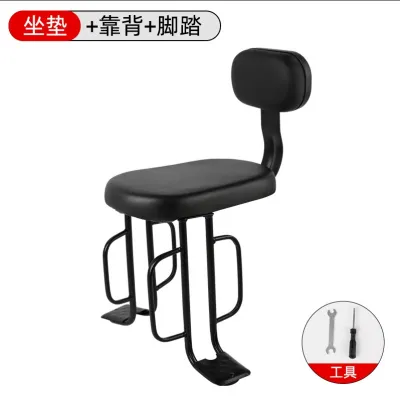

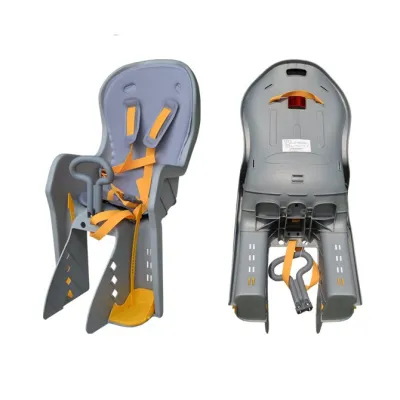
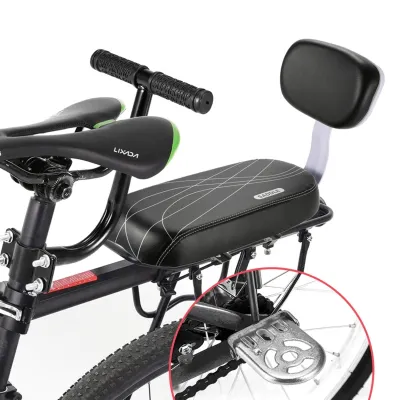
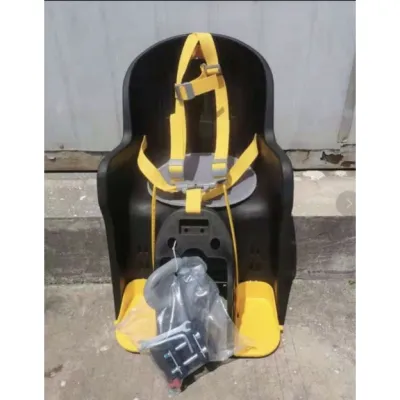
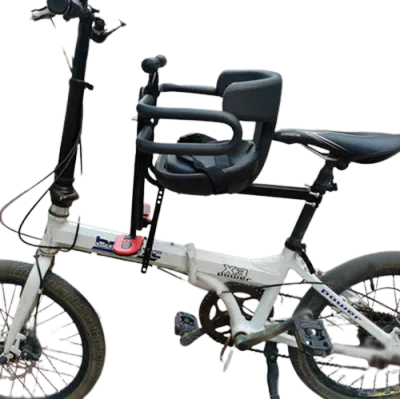
![[✅SG Ready Stock] Safety Child Bicycle Seat Bike Front Baby Seat Kids Saddle Pedals Support Back Rest Bike](https://img.lazcdn.com/g/p/e1cdf55a8d30ffdc906d0b3cad7fbbf1.jpg_400x400q80.jpg_.webp)
![[✅SG Ready Stock] bicycle child seat Safety Bike Front Baby Seat Kids Saddle Pedals Support Back Rest Bike](https://img.lazcdn.com/g/p/082206dce3c6de95ff40d55a6e74cd44.jpg_400x400q80.jpg_.webp)
Prices are valid at publication and may change. Please refer to the product page for the latest price.
In contrast, a rear-mount baby bicycle seat is positioned behind the rider’s saddle, attaching either directly to the seat post or to a dedicated rear cargo rack. This placement keeps the child out of your direct line of sight but provides them with a larger, more enclosed seating area.
These distinct mounting positions significantly alter how weight is distributed across the bicycle frame. A front-mount seat concentrates the passenger’s weight over the front wheel and steering column, which can make the steering feel heavier and more sensitive to sudden movements. A rear-mount seat shifts the center of gravity backward and upward, which can make the front wheel feel lighter and less responsive, particularly when climbing inclines or accelerating from a complete stop.
Age and Weight Limits: Matching the Seat to Your Child
Your child’s physical development is the most critical factor when choosing a baby seat bicycle setup. Before considering any bicycle seat, your child must be able to sit upright completely unaided and support the weight of their head while wearing a properly fitted child bicycle helmet. This level of neck strength is essential to withstand the vibrations, bumps, and sudden movements encountered during a ride.

You must always check the manufacturer’s specified minimum and maximum weight limits on the product label or instruction manual before installation. These limits are not mere suggestions; they represent the structural boundaries within which the seat can safely absorb impacts and remain securely attached to the frame.
As your child grows, they will eventually enter a transition phase where they outgrow the weight or physical dimensions of a front-mount seat but are not yet ready to ride independently. Recognizing this transition is vital for maintaining safety, as overloading a front seat can compromise your ability to steer and balance safely.
Front-Mount Seats: Ideal for Younger Toddlers
Front-mount seats are highly suitable for younger toddlers who are just beginning their cycling journey. You must verify the specific age and weight ranges in the product manual, but most front-mount models are designed for children weighing up to approximately 15 kilograms. Because these seats have lower maximum weight limits, they are best utilized during the early toddler years when close supervision is most beneficial.
The primary advantage of a front-mount seat is the ability to keep your child in your direct line of sight. This positioning allows you to monitor their comfort, check if they are falling asleep, and communicate easily without turning your head away from the path ahead. It also provides the child with an unobstructed view of the surroundings, making the ride highly engaging.
However, front-mount seats present physical limitations as your child grows. Longer legs can quickly interfere with the movement of the handlebars or your knees while pedaling. Additionally, the physical space between your torso and the handlebars must be sufficient to accommodate both the seat and the child without forcing you into an uncomfortable or unsafe riding posture.
Rear-Mount Seats: Built for Older and Heavier Children
For older, heavier toddlers and young children, a rear-mount seat is often the necessary choice. You must consult the product manual to verify the exact limits, but rear-mount seats typically support children up to 22 kilograms, with some heavy-duty models rated slightly higher. This higher capacity makes them a long-term solution that can accommodate your child for several years.
Rear-mount seats generally offer superior physical support, featuring high backrests, deep side wings, and adjustable footrests with secure straps that grow alongside your child. This enclosed design provides better protection and comfort, particularly if your child tends to fall asleep during longer rides.
The main trade-off with a rear-mount seat is that the child is positioned entirely behind you, out of your direct line of sight. Monitoring your child requires relying on verbal communication or installing a small handlebar-mounted rearview mirror. You must also remain highly aware of their movements, as sudden shifts in their weight can catch you off guard and affect your balance.
Bicycle Compatibility and Frame Geometry
Before purchasing any baby seat bicycle accessory, you must thoroughly inspect your bicycle’s frame material, tube shapes, and cable routing. Not every bicycle is structurally compatible with child seats, and forcing a mount onto an incompatible frame can lead to catastrophic component failure.
For front-mount seats, the primary installation constraints involve the steering column and head tube area. You must check for exposed brake or gear cables running along the top tube, as clamping a seat bracket over these cables can pinch them, rendering your brakes or shifters inoperable. Furthermore, you must never install a clamp-on front seat to a carbon fiber steerer tube or carbon fiber handlebars. Carbon fiber is not designed to withstand the localized crushing forces of mounting clamps, which can cause the material to crack and fail without warning.
For rear-mount seats, compatibility depends on whether the seat uses a frame-mounting bracket or a rack-mounting system. Frame-mounted rear seats require a round, non-carbon seat tube with sufficient clearance below the saddle collar. If your bike has an ovalized, squared, or carbon fiber seat tube, a frame-mounted bracket cannot be safely installed. Rack-mounted rear seats, on the other hand, require a sturdy rear cargo rack that is explicitly rated to carry the combined weight of the seat and your child. You must verify that the rack is securely bolted to the frame’s eyelets and is not made of lightweight materials designed only for light panniers.
Specialized bicycle designs present additional hurdles. Step-through frames often lack the top tube required for certain front-mount adapters, while full-suspension mountain bikes have rear shock absorbers that interfere with rear-mount brackets. Folding bicycles, with their unique hinge mechanisms and long, narrow seat posts, are generally incompatible with standard child seats due to stability and structural limits. In these cases, you may need to source specialized adapter brackets approved by the bicycle manufacturer or consult a professional mechanic.
Riding Dynamics and Safety Considerations
Adding a child passenger to your bicycle fundamentally alters how the vehicle handles, requiring you to adjust your riding style and remain highly vigilant. Your physical movements must adapt to the specific seat position to maintain control and prevent tipping.
When riding with a front-mount seat, you will likely need to adopt a wider arm stance on the handlebars to steer around the seat. More significantly, you may have to pedal with your knees flared outward to avoid striking the back of the child’s seat. This altered pedaling motion can cause joint fatigue over longer distances, so it is wise to keep rides relatively short. Steering will also feel heavier, requiring deliberate, smooth inputs rather than quick, sharp turns.
With a rear-mount seat, the rearward shift in the center of gravity makes the bicycle highly sensitive to rear-end sway. You must take corners at slower speeds and avoid sudden swerves, as the momentum of the child’s weight can pull the bike downward. Mounting and dismounting also require a modified technique; you cannot swing your leg over the rear wheel as you normally would, but must instead step over the top tube or tilt the bike forward while keeping a firm grip on the handlebars.
Regardless of the seat type you choose, safety checks are paramount before every ride. You must ensure your child is wearing a properly fitted, certified bicycle helmet that does not push their head forward against the seat back. The seat’s harness must be snugly adjusted over their shoulders and waist, and their feet must be securely strapped into the footrests to prevent them from contacting the spinning wheel spokes. Before riding on public paths or shared park connectors, practice riding with a heavy bag in the seat in a safe, traffic-free area to familiarize yourself with the altered balance and braking distances.
Final Decision Framework: Which Seat Should You Choose?
To make an informed purchase, you can use the following comparison framework to match your child’s physical size and your bicycle’s specifications to the correct seat type.
| Feature | Front-Mount Seat | Rear-Mount Seat |
|---|---|---|
| Typical Weight Limit | Lower (Verify product manual limits) | Higher (Verify product manual limits) |
| Rider Visibility | Direct line of sight; easy communication | Out of sight; requires verbal checks or mirror |
| Steering & Handling | Heavier steering; weight centered between wheels | Light front end; prone to rear sway during turns |
| Pedaling Clearance | May require a wider knee stance | Unobstructed legroom and normal pedaling |
| Mounting Location | Stem, head tube, or top tube | Seat post, seat tube, or rear cargo rack |
You should choose a front-mount seat if your child is younger and lighter, your bicycle has a compatible metal head tube or stem with clear cable routing, and you prioritize close interaction and direct monitoring during short, casual rides.
You should choose a rear-mount seat if your child is older or heavier, your bicycle features a standard round, non-carbon seat tube or a robust rear cargo rack, and you require unobstructed legroom for longer, more comfortable pedaling.
Before proceeding with any installation, you must verify your bicycle’s frame material. If your bike features a carbon fiber frame, carbon components, full suspension, or non-standard internal cable routing, do not attempt to install a clamp-on child seat. Instead, consult your bicycle manufacturer or a qualified mechanic at a local bike shop to identify safe, approved mounting alternatives.
Frequently Asked Questions (FAQ)
Can I Install a Baby Bicycle Seat on an E-Bike?
You must check your electric bicycle manufacturer’s manual to verify if the frame and rear rack are explicitly approved for carrying child passengers. E-bikes are heavier and travel at higher average speeds than traditional bicycles, which subjects the frame, brakes, and mounting brackets to significantly higher stress. The increased total weight also extends your braking distance, requiring you to ride at moderate speeds and brake much earlier than usual. Additionally, e-bikes with integrated frame batteries or specialized rear hub motors may have non-standard frame shapes that prevent standard mounting clamps from fitting securely.
What Safety Gear Does My Child Need Beyond the Seat Harness?
Beyond the seat’s built-in harness, your child must always wear a properly fitted, certified child-sized bicycle helmet to protect against head injuries in the event of a fall. You must also ensure your child wears secure, closed-toe footwear, and that all shoelaces, pant cuffs, or loose clothing are tucked away to prevent them from getting caught in the wheels or chain. In Singapore, under the Active Mobility Act, passengers on public paths and roads must wear helmets, and riders must ensure their passengers are safely secured in proper seats. Investing in high-quality, certified safety gear is an indispensable step before taking your child out on any ride.
Community discussion
Share your experience or ask a question. Comments are reviewed before publication.