
Choosing the right bike child seat depends on your child’s physical development, your bicycle’s frame design, and where you plan to ride. For parents navigating shared paths or commuting, selecting between a front-mounted and a rear-mounted seat is the first major decision. The choice directly impacts how your bicycle handles, how you interact with your child, and how long you can use the seat as your child grows.
Quick Answer: Which Bike Child Seat Should You Choose?
Your decision should align with your child’s age, weight, and your typical riding environment. A front-mounted seat is ideal if your child is a younger toddler and you prioritize close interaction, easy monitoring, and short, casual rides. This setup keeps your child nestled between your arms, making it easy to offer reassurance and share the view.
Conversely, a rear-mounted seat is the better choice if your child is older, heavier, or if you plan to ride longer distances. Rear seats offer higher weight capacities, more legroom for the rider, and unobstructed steering. Before making any purchase, always verify your specific bicycle’s frame compatibility and the seat manufacturer’s exact age and weight limits to ensure a safe ride.
Products mentioned in this guide
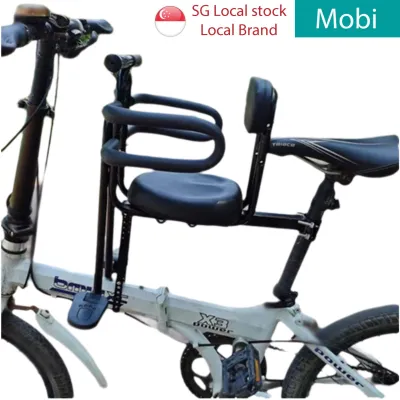
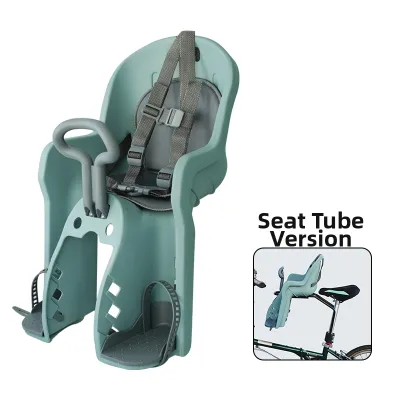
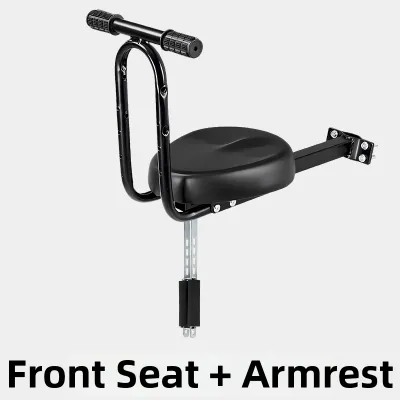
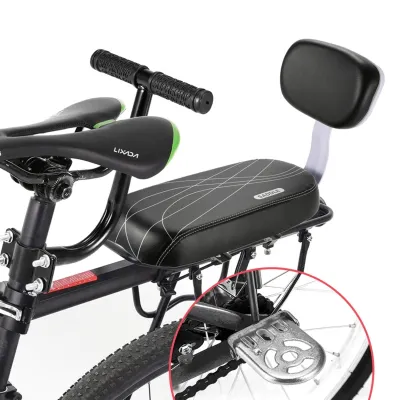
![[✅SG Ready Stock] Safety Child Bicycle Seat Bike Front Baby Seat Kids Saddle Pedals Support Back Rest Bike](https://img.lazcdn.com/g/p/e1cdf55a8d30ffdc906d0b3cad7fbbf1.jpg_400x400q80.jpg_.webp)
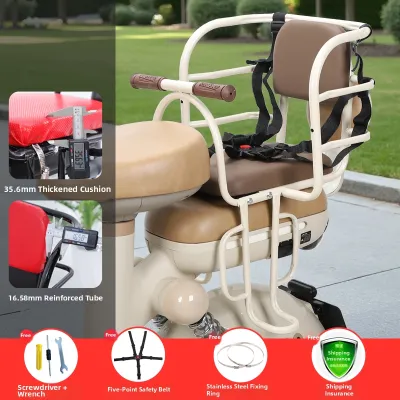
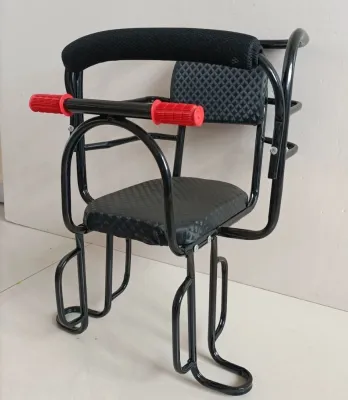
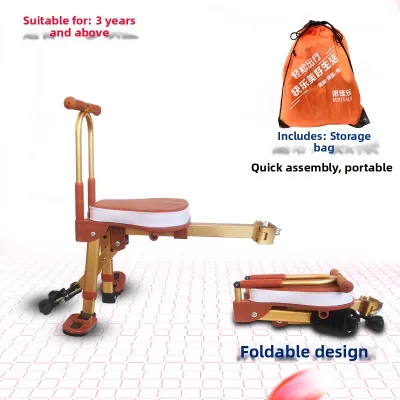
Prices are valid at publication and may change. Please refer to the product page for the latest price.
Front-Mounted Bike Child Seats: Ideal for Toddlers and Short Trips
Front-mounted bike child seats position your child between the saddle and the handlebars, creating an intimate and highly interactive riding experience. This setup is typically designed for younger toddlers who have developed sufficient neck strength to support their heads and a helmet while riding. Because weight limits for front-mounted seats are generally lower than those for rear-mounted models, you must carefully check the manufacturer’s product label to ensure your child falls within the safe operating range.

The primary advantage of a front-mounted seat is the direct line of sight it provides. You can monitor your child’s reactions, check if they are getting sleepy, and talk to them easily without turning your head away from the path. This close proximity offers immense reassurance to hesitant toddlers, making their first cycling experiences feel secure and enjoyable.
However, front-mounted seats introduce specific physical limitations that affect your riding posture and bicycle handling. Because the seat occupies space directly behind the handlebars, taller riders may find their knees striking the bottom of the child seat during pedaling. To avoid this, you might have to cycle with your knees flared outward, which can cause joint strain over longer distances. Additionally, the added weight over the front wheel makes steering feel heavier and more sensitive to sudden movements, requiring a confident hand on the handlebars.
Rear-Mounted Bike Child Seats: Best for Older Kids and Longer Rides
Rear-mounted bike child seats are the workhorses of family cycling, designed to accommodate older toddlers and young children as they grow. These seats attach either directly to the bicycle’s seat tube via a cantilevered bracket or mount securely onto a heavy-duty rear luggage rack. Because they are positioned behind the rider, they generally support significantly higher weight capacities, allowing you to use the seat for several years.
Comfort and space are major highlights of the rear-mounted design. Without the physical constraints of the handlebars and the rider’s chest, rear seats can feature taller backrests, deeper side wings, and more generous padding. Many premium models also offer reclining mechanisms, which are incredibly useful if your child tends to fall asleep during longer weekend rides along the Park Connector Network.
From a riding perspective, a rear-mounted seat keeps your cockpit completely clear, allowing you to pedal with natural, efficient biomechanics. The steering remains light and responsive because the front wheel is free of extra load. The main trade-off is the lack of direct visibility; you cannot see your child’s face or easily hear their voice over wind and traffic noise. Installing a small rearview mirror on your handlebars is a practical way to keep an eye on your passenger without unsafely twisting your torso while riding.
Comparing Front and Rear Seats: Handling, Safety, and Comfort
Understanding how each mounting position alters your bicycle’s physics is crucial for maintaining control on the road. A front-mounted seat shifts the center of gravity forward and upward, which can make the bicycle feel twitchy when cornering or navigating tight spaces. When stopping, you must be prepared to support the extra weight concentrated near the front fork.
A rear-mounted seat shifts the center of gravity backward, behind the rear axle. This rearward weight bias can make the front wheel feel light, particularly when climbing steep inclines or accelerating from a complete stop. It also changes how you mount and dismount the bicycle; you can no longer swing your leg over the rear wheel without risking hitting your child, meaning you must adopt a step-through mounting technique.
Safety features require rigorous verification regardless of the mounting position you choose. When evaluating seats, prioritize those equipped with a secure harness system—ideally a 5-point harness that prevents your child from slipping their shoulders out of the straps. Adjustable footrests with integrated foot straps are essential to keep small feet securely positioned and prevent them from dangling near the spinning spokes. Additionally, look for models with built-in spoke guards or wide plastic barriers that physically isolate the child’s legs from the rear wheel assembly.
| Feature | Front-Mounted Seats | Rear-Mounted Seats |
|---|---|---|
| Mounting Position | Steerer tube, top tube, or stem | Seat tube (frame) or rear luggage rack |
| Typical Suitability | Younger toddlers (verify label limits) | Older toddlers and young children |
| Steering & Handling | Direct impact on steering; heavier front end | Unobstructed steering; lighter front end on climbs |
| Rider Leg Clearance | May require wider pedaling stance | Normal pedaling stance and full leg extension |
| Child Monitoring | Direct line of sight; easy verbal interaction | Requires rearview mirror or turning head |
| Best Riding Scenario | Short, casual rides on flat paths | Longer commutes, recreational rides, and daily utility |
Decision Framework: Matching the Seat to Your Cycling Habits
To select the perfect seat, you must evaluate your typical riding routes and local infrastructure. If your cycling consists of leisurely weekend rides along Singapore’s flat, well-paved Park Connector Network (PCN), a front-mounted seat provides a wonderful, engaging way to explore the outdoors together. However, if your daily routine involves urban commuting, navigating busy footpaths, or making frequent stops at traffic lights, the superior stability and natural handling of a rear-mounted seat are highly advantageous.
Your bicycle’s frame design plays a decisive role in what can physically be installed. Step-through frames, which lack a high top tube, are exceptionally well-suited for rear-mounted seats because they allow you to step over the frame easily during stops. Standard diamond frames can accommodate both styles, but you must ensure there is enough clearance on the steerer tube or top tube for a front mount. If you ride a carbon fiber bicycle, avoid clamp-on child seats entirely, as the clamping force can crush or compromise the structural integrity of carbon tubes.
Consider your long-term family plans and how you expect your cycling habits to evolve. If you want a single investment that will last from infancy through preschool, a rear-mounted seat offers the necessary longevity. If you have multiple children close in age, you might need to explore alternative setups, such as combining a front seat with a rear seat, or transitioning to a dedicated child bike trailer that can accommodate two passengers simultaneously.
Essential Safety Checks and Bike Compatibility
Before installing any child seat, you must perform a thorough compatibility audit of your bicycle. For rear rack-mounted seats, check that your existing luggage rack is rated to carry the combined weight of the seat and your child; many standard racks are only rated for light loads and are unsafe for passenger transport. Ensure that the mounting brackets do not pinch, rub, or interfere with rear brake cables, gear lines, or disc brake calipers.
During installation, strictly adhere to the manufacturer’s instructions and torque specifications. Use a torque wrench to tighten all bolts to the exact values specified to prevent brackets from slipping or damaging your bike frame. Never attempt DIY modifications, such as drilling new holes in brackets or using non-approved hardware, to force a seat onto an incompatible bicycle.
If you encounter any warning signs during the installation process, stop immediately and consult a professional. If your bicycle frame lacks dedicated mounting eyelets, uses non-standard ovalized tubing, or if the installed seat obstructs your ability to brake, steer, or pedal safely, do not ride. Take your bicycle and the child seat to a local bike shop, where a qualified mechanic can assess the setup and ensure your passenger’s safety is never compromised.
Frequently Asked Questions (FAQ)
Can I use a bike child seat on an e-bike?
- Compatibility: You must verify that both your e-bike manufacturer and the child seat manufacturer explicitly approve the combination.
- Weight Limits: Check your e-bike's manual for maximum rear rack load capacities and frame weight limits.
- Riding Style: Always ride at moderate, controlled speeds while allowing extra stopping distance.
Do I need a helmet for my child in a bike seat?
- Safety Requirement: A properly fitted, certified bicycle helmet is absolutely essential for any child riding in a bike seat.
- Proper Fit: Ensure the helmet sits level on your child's forehead, covers their temples, and has a snug chin strap.
- Neck Development: Choose a lightweight helmet designed specifically for toddlers, and check the fit regularly as they grow.
Are bike trailers safer than mounted child seats?
- Trailer Advantages: Trailers keep the child much lower to the ground, eliminating high fall risks, and feature a protective metal roll cage.
- Seat Advantages: Mounted seats have a much smaller footprint, making them easier to maneuver on narrow paths and more visible in traffic.
- Decision Factor: Your choice should depend on your storage space, the width of your typical riding routes, and your comfort level with towing.
Community discussion
Share your experience or ask a question. Comments are reviewed before publication.