
Quick Answer: Full-Finger vs Half-Finger Gym Gloves
Choosing the right gym gloves is not about finding a universally superior design, but rather about matching the glove’s structure to your specific training style and physical environment. The choice between full-finger and half-finger models depends on how you balance the need for tactile feedback against the demand for comprehensive skin protection.
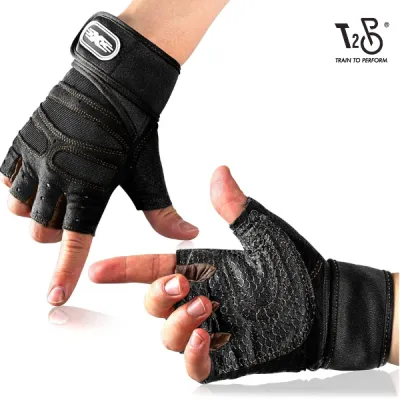
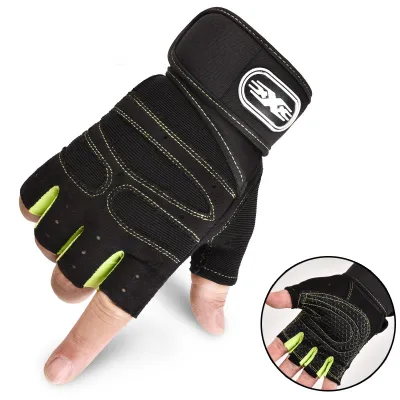
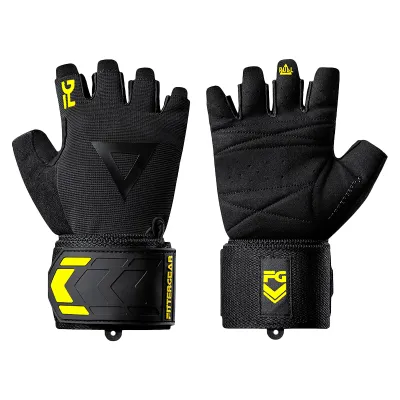
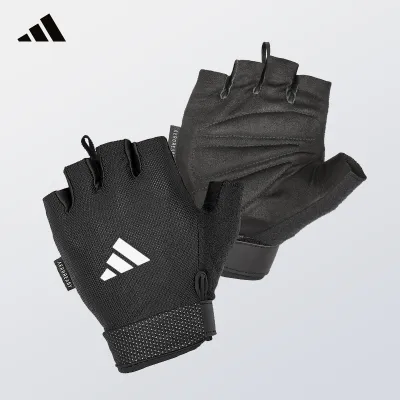
Half-finger gym gloves are the traditional choice for standard weightlifting and bodybuilding. They leave your fingertips exposed, which maximizes your sensory connection to the barbell or dumbbell while allowing heat and sweat to escape easily. This design is ideal if your workouts consist primarily of bench presses, bicep curls, and machine-based resistance training where palm protection is your main priority.
Full-finger gym gloves, on the other hand, offer complete hand encapsulation. This style is highly beneficial for high-friction functional movements, rope climbs, and outdoor training where your knuckles and fingertips are vulnerable to abrasions. They are also excellent for training in air-conditioned commercial gyms where maintaining hand warmth helps preserve grip flexibility, or for protecting your hands from outdoor elements.
Products mentioned in this guide
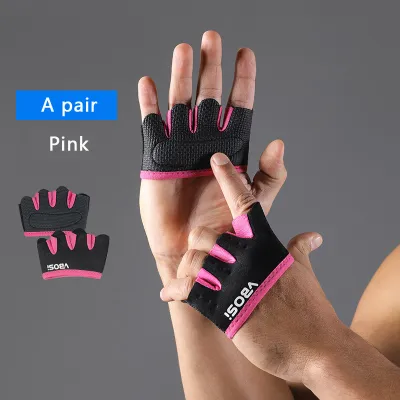
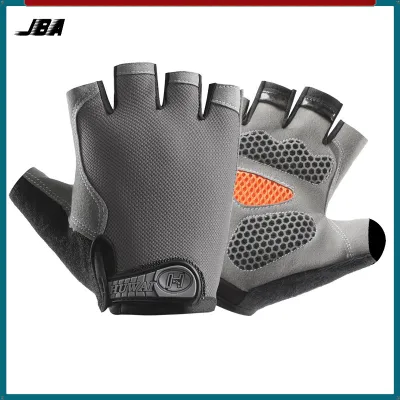
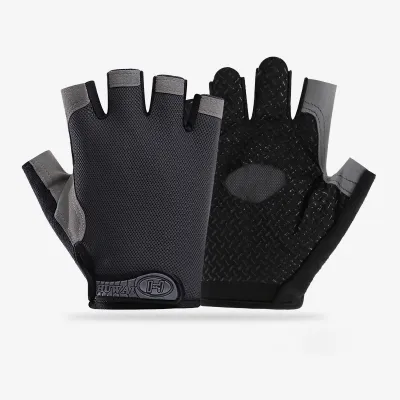
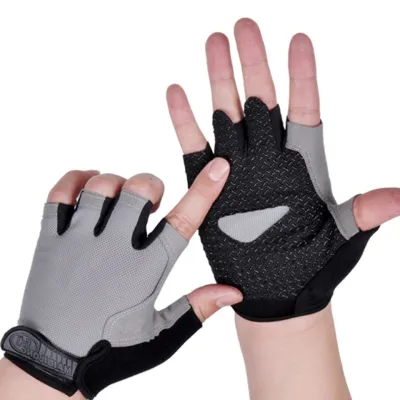
Prices are valid at publication and may change. Please refer to the product page for the latest price.
Core Differences in Design and Protection
The physical construction of gym gloves dictates how they distribute pressure and protect your hands during intense training sessions. Understanding these structural differences allows you to select a pair that supports your movement patterns without hindering your performance.

Coverage Area The most obvious distinction lies in the coverage area. Half-finger gloves typically cover the palm and extend just past the first knuckle of each finger, leaving the upper phalanges and fingertips completely bare. Full-finger gloves enclose the entire hand up to the fingertips, creating a continuous barrier between your skin and the training equipment. This complete coverage prevents direct contact with metal knurling, rubberized handles, and shared gym surfaces across every square inch of your hand.
Callus and Blister Prevention While both styles protect the primary friction zones of the palm, they handle secondary friction points differently. Half-finger gloves protect the base of the fingers where calluses most commonly form during heavy pulling exercises. However, they leave the tips of your fingers exposed to friction when wrapping your hands around a bar. Full-finger gloves extend this protective barrier to your fingertips and the outer sides of your fingers, which is crucial for preventing blisters during high-repetition movements or when using rough ropes.
Wrist Support Integration Many modern gym gloves incorporate integrated wrist wraps to help stabilize the joint during heavy pressing movements. This feature is independent of finger length, meaning you can find robust wrist support in both half-finger and full-finger designs. When evaluating these options, you should check the manufacturer’s specifications regarding the length, width, and stiffness of the wrist strap. A longer, stiffer strap offers more rigid support for heavy lifts, while a shorter, flexible strap allows for greater joint mobility during functional fitness routines.
Material and Padding Thickness The thickness and placement of palm padding significantly affect how a glove performs. Thick gel or foam padding can absorb shock and reduce pressure on your palms, but it also increases the effective diameter of the bar you are gripping. This can fatigue your forearm muscles faster and reduce your overall grip strength. Whether you choose full-finger or half-finger designs, look for padding that matches your lifting style: thinner, high-grip materials for heavy barbell work, and thicker padding for high-impact or machine-based training.
Matching Glove Style to Your Training Activities
Your daily workout routine is the most critical factor in determining which glove style will serve you best. Different exercises place unique demands on your hands, making specific glove designs more advantageous for certain disciplines.
Traditional Weightlifting and Bodybuilding For classic strength training involving barbells, dumbbells, and cable machines, half-finger gloves are generally preferred. The exposed fingertips allow you to feel the knurling of the bar, which is essential for establishing a secure grip and maintaining proper lifting mechanics. This tactile feedback helps you make micro-adjustments to your hand positioning mid-set, ensuring that the load is distributed evenly across your skeletal structure rather than slipping into soft tissue.
CrossFit and Functional Fitness Functional fitness regimens often combine high-repetition weightlifting with gymnastics and bodyweight movements. In these dynamic environments, full-finger gloves offer distinct advantages. During rope climbs, the friction generated between your hands and the rope can cause severe burns; full-finger coverage protects your entire hand from this hazard. Additionally, when transitioning quickly from kettlebell snatches to burpees, full-finger designs protect your hands from floor debris and prevent sweat from making your hands slippery on the equipment.
Calisthenics and Pull-ups Calisthenics athletes rely heavily on bar work, where the hands constantly rotate around a fixed steel bar. Half-finger gloves are highly effective here because they protect the primary callus lines at the base of the fingers while keeping the fingertips free to hook over the bar. However, if you frequently practice advanced movements like the false grip on wooden or plastic rings, full-finger gloves can prevent the skin on the wrists and lower palms from pinching and tearing against the ring surface.
Mixed-Use and Outdoor Training If your workouts take you outside the traditional gym environment—such as obstacle course racing, outdoor calisthenics parks, or neighborhood fitness corners—full-finger gloves become highly practical. They protect your hands from hot metal bars exposed to the sun, cold equipment in air-conditioned spaces, and rough concrete or dirt during ground-based exercises. When choosing a full-finger glove for outdoor use, ensure the palm material is designed to maintain traction even when wet from rain or sweat.
Fit, Breathability, and Comfort Considerations
A gym glove is only effective if it fits correctly and remains comfortable throughout your entire workout. Poorly fitting gloves can cause more hand issues than training barehanded.
Breathability and Sweat Management In a humid tropical climate like Singapore’s, sweat management is a primary concern. Training in open-air fitness corners or non-air-conditioned gyms can quickly lead to sweaty palms, which causes your hands to slide around inside the glove. Half-finger gloves naturally excel in breathability because the open-finger design allows air to circulate freely and heat to dissipate. Full-finger gloves must rely on advanced material engineering to achieve adequate ventilation. Look for full-finger models that feature mesh backing, perforated palms, or moisture-wicking synthetic fabrics to keep your hands dry and cool.
Sizing and Finger Length Achieving the correct fit requires careful measurement. For half-finger gloves, you primarily need to measure your hand circumference around the knuckles. For full-finger gloves, you must also consider individual finger lengths. If a full-finger glove is too short in the fingers, it will pull down on your fingertips when you make a fist, restricting your range of motion and causing discomfort. Conversely, if the fingers are too long, the excess material at the tips will bunch up, severely compromising your grip security.
Ease of Removal Removing tight, sweaty gym gloves can be surprisingly difficult at the end of a grueling workout. Many half-finger gloves feature integrated pull-tabs on the fingers or loops between the fingers to help you slide them off easily. Full-finger gloves lack these tabs, so they often require you to peel them off from the wrist downward, turning them inside out. Look for designs with flexible wrist closures and stretchy materials that simplify the removal process.
Washing and Maintenance Gym gloves absorb sweat, oils, and chalk, making regular cleaning essential for hygiene and durability. Before washing your gloves, always check the manufacturer’s care label. Synthetic materials can often be machine-washed on a gentle cycle and air-dried, whereas genuine leather gloves require specialized cleaning to prevent the material from drying out, cracking, and losing its grip properties. Proper maintenance ensures that the materials retain their structural integrity and do not degrade prematurely.
Decision Framework: Which Gym Glove Should You Buy?
To finalize your choice, evaluate your training habits against this practical decision framework to determine which style best supports your fitness goals.
Choose Half-Finger If:
- Your workouts consist primarily of traditional weightlifting, bodybuilding, or machine exercises.
- You prioritize maximum tactile feedback and want to feel the texture of the barbell knurling.
- You train in warm, humid environments and require maximum ventilation to prevent sweaty hands.
- You want an easy-to-remove glove with simple pull-tabs.
Choose Full-Finger If:
- Your routine includes high-friction functional movements, rope climbs, or outdoor obstacle courses.
- You require comprehensive protection for your knuckles, fingertips, and the backs of your hands.
- You train in highly air-conditioned gyms or cooler environments where keeping your hands warm is necessary.
- You want to minimize direct contact with shared gym surfaces for hygiene reasons.
Verify First If:
- You require specific wrist support; check the length and stiffness of the integrated wrist wraps.
- You have unique hand proportions; measure both hand circumference and finger length against the manufacturer's size chart.
- The palm material (such as leather, silicone grip, or synthetic suede) is compatible with the specific equipment you use.
Neither May Fit If:
- You prefer absolute sensory feedback from the bar and find any material between your skin and the steel distracting.
- You rely entirely on gym chalk or grip tape to manage moisture and friction during heavy lifts.
Frequently Asked Questions (FAQ)
Do gym gloves prevent calluses completely?
Gym gloves do not completely eliminate calluses, as calluses are caused by pressure and compression of the skin, not just friction. While gloves provide a protective barrier that significantly reduces friction and prevents painful skin tears or blisters, the pressure of heavy weights will still cause the skin to thicken over time. To manage calluses effectively, you should combine glove use with proper grip technique—placing the bar at the base of your fingers rather than in the middle of your palm—and maintain a regular hand care routine that includes moisturizing and gently filing down excess rough skin.
How tight should gym gloves fit?
Gym gloves should fit snugly, acting like a ‘second skin’ without restricting your blood circulation or finger mobility. When you put the gloves on, there should be no excess material bunching up in the palm when you close your hand into a fist, as this bunching can pinch your skin and compromise your grip safety. You should be able to bend your knuckles and fingers fully without feeling excessive resistance from the material. Always test the fit by mimicking a gripping motion before committing to a pair, ensuring that the wrist closure secures the glove firmly in place without digging into your skin.
Community discussion
Share your experience or ask a question. Comments are reviewed before publication.