
Quick Answer: Core Differences Between Futsal and Outdoor Balls
A futsal ball is specifically engineered for hard, flat indoor courts. Unlike a standard outdoor football, a futsal ball features a low-rebound design, a smaller size 4 profile, and a heavier feel relative to its size. These characteristics ensure the ball stays close to the ground, allowing players to maintain tight control and execute rapid passes in confined spaces without the ball bouncing unpredictably out of play.
Size, Weight, and Bounce: The Defining Specifications
When shopping for a futsal ball, you must verify three critical physical specifications on the packaging or product description: size, weight, and rebound height.

A standard futsal ball is designated as a size 4. While a standard size 4 outdoor ball is lightweight and bouncy, a futsal ball of the same size is noticeably heavier. This extra weight is not meant to make the ball feel like a stone, but rather to keep it grounded on smooth wooden, vinyl, or polished concrete courts.
Products mentioned in this guide
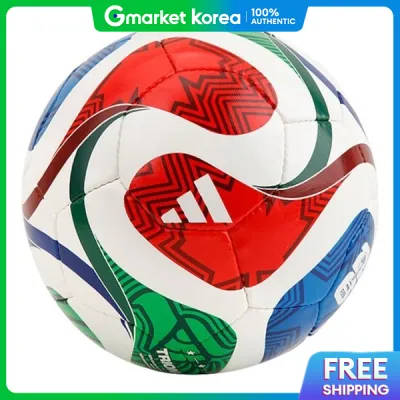
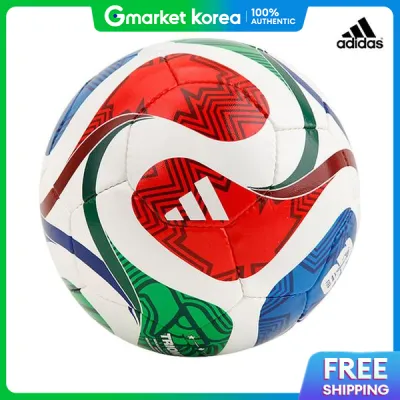
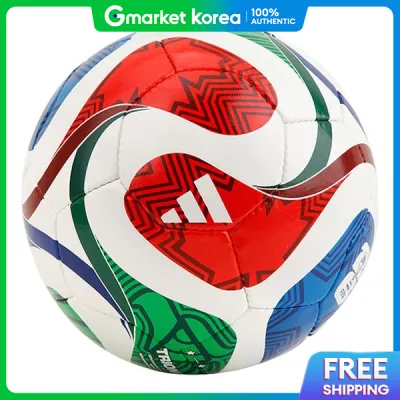
Prices are valid at publication and may change. Please refer to the product page for the latest price.
To verify the bounce, look for the manufacturer’s rebound specifications. A proper futsal ball dropped from a height of two meters should only bounce up about 50 to 65 centimeters. This low-rebound property is achieved by stuffing the inner bladder with synthetic fibers or foam, which dampens the impact.
Choosing a ball with these exact specifications is vital for player safety. Using an incorrect, overly bouncy, or poorly weighted ball on hard indoor courts increases the risk of joint strain in your ankles and knees, as you must constantly fight to bring a high-flying ball back down to the hard floor.
Surface Materials and Panel Construction for Court Grip
The outer casing of a futsal ball directly influences how it feels against your shoe and how it behaves on smooth indoor surfaces. Most modern futsal balls are made from synthetic leathers, primarily Polyurethane (PU) or Polyvinyl Chloride (PVC).
PU is generally the preferred choice for players seeking a soft touch and excellent responsiveness. It offers superior grip on smooth courts, allowing for precise footwork and control. PVC, on the other hand, is highly durable and resistant to scuffs, making it a cost-effective option for intense training sessions, though it tends to feel stiffer and less tactile.
Panel construction also plays a major role in shape retention and flight accuracy. Traditional balls feature hand-stitched or machine-stitched panels. Machine-stitched balls are common and affordable but may have exposed seams that wear down over time. Thermally bonded balls, which use heat to fuse the panels together, offer a seamless surface. This seamless design prevents moisture absorption and ensures a perfectly spherical shape for consistent rolling.
Additionally, look for subtle surface textures. A textured outer casing increases friction against the court and your footwear, preventing the ball from slipping away during high-speed dribbles on dusty or highly polished indoor floors.
Bladder Types and Air Retention: Checking the Inner Core
The bladder is the heart of the futsal ball, determining how well it holds air and how it responds to your foot. Manufacturers typically use either butyl or latex for the inner bladder.
Butyl bladders are highly favored for recreational play and regular training because they offer exceptional air retention. A butyl-bladder ball can hold its pressure for weeks without needing a top-up, making it a low-maintenance choice. However, it can feel slightly stiffer.
Latex bladders provide a much softer, more responsive touch, which is why they are often preferred for competitive matches. The trade-off is that latex is porous and slowly leaks air, meaning you will need to check and inflate the ball before almost every session.
Before purchasing, check the recommended inflation pressure, usually printed directly around the valve or on the packaging. Futsal balls generally require a lower pressure than outdoor footballs, typically ranging between 6.0 and 9.0 PSI (pounds per square inch). Keeping the ball within this specified range is crucial to maintaining its low-bounce characteristics and preventing damage to the inner seams.
Quality Marks and Certifications: Decoding the Labels
If you want to ensure your futsal ball meets international standards, look for official certification marks printed on the casing. The most common labels are FIFA Quality Pro, FIFA Quality, and IMS (International Match Standard).
These marks indicate that the ball has undergone rigorous laboratory testing. The tests verify that the ball maintains a consistent weight, a perfect circumference, a precise rebound height, and minimal water absorption even under damp conditions. A FIFA Quality Pro mark represents the highest standard, suitable for professional and top-tier competitive matches.
For casual weekend games or personal training on local Singapore courts, an uncertified training replica from a reputable brand is often perfectly adequate and more budget-friendly. However, if you are playing in organized leagues or competitive tournaments, prioritizing an officially certified match ball ensures that every player experiences consistent, predictable ball behavior.
Frequently Asked Questions (FAQ)
Can I use a regular outdoor football for futsal?
No, using a regular outdoor football for futsal is highly discouraged. Outdoor footballs are designed to bounce high on grass, which makes them incredibly difficult to control on hard, confined indoor courts. The high rebound causes the ball to fly off the court constantly, disrupting the flow of the game. Furthermore, the harder outer materials of some outdoor balls can damage delicate indoor court surfaces and increase the risk of ankle or knee injuries due to the high-impact forces required to control a fast-bouncing ball.
How do I properly inflate and maintain a futsal ball?
To maintain your futsal ball’s low-bounce properties and extend its lifespan, always use a reliable pressure gauge to inflate it to the manufacturer’s recommended PSI. Before inserting the pump needle, lubricate it with a drop of glycerin or valve oil to prevent damaging the valve core, which is a common cause of slow air leaks. Store the ball in a cool, dry place away from direct sunlight and extreme heat, as high temperatures can warp the synthetic outer casing and degrade the inner bladder.
Community discussion
Share your experience or ask a question. Comments are reviewed before publication.