
When planning an outdoor event or a camping trip, choosing the right gazebo tent is crucial to prevent sudden rain from ruining your plans. The key specification that determines how well a canopy handles wet weather is its waterproof rating, expressed in millimeters (mm). While a higher number generally indicates better water resistance, selecting the ideal rating requires balancing your specific environment, setup duration, and budget.
Understanding these technical specifications ensures you do not overspend on commercial-grade gear you do not need, nor end up with a leaking shelter during a sudden downpour. By evaluating how these ratings translate to real-world performance, you can confidently select a canopy that keeps you dry and comfortable.
What Does the "mm" Waterproof Rating Actually Mean?
The “mm” rating on a gazebo tent fabric refers to its hydrostatic head measurement, which indicates the level of water pressure the material can withstand before moisture penetrates it. It is a common misconception that this number represents the physical thickness of the fabric or the coating itself. Instead, it is a direct measurement of water column pressure.
Products mentioned in this guide
![[SG SELLER] Gazebo Canopy Tent Heavy Duty Canvas Foldable Retractable Cover Waterproof Steel Stand Top Cover Side Cover Roller Bag Cover Tent](https://img.lazcdn.com/g/p/327a103929f9e53193fe6d59d146013a.jpg_400x400q80.jpg_.webp)
![[SG Seller] Gazebo Tent 2m*2m (GreenRedBlue)](https://img.lazcdn.com/g/p/e326d0f46f861e9f9638594b36f39252.png_400x400q80.png_.webp)
![[SG Seller] Gazebo Tent 3m*6m (GreenRedBlue)](https://img.lazcdn.com/g/p/06ae7b845a2da473c3e02bbda5745f53.png_400x400q80.png_.webp)
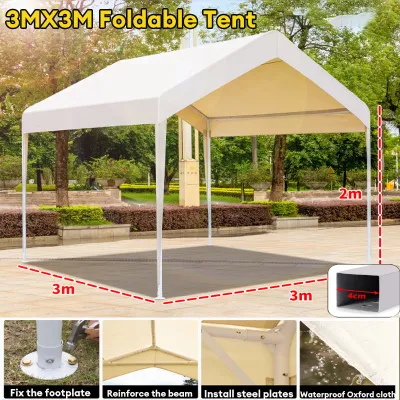
Prices are valid at publication and may change. Please refer to the product page for the latest price.
During a hydrostatic head test, a piece of the canopy fabric is clamped tightly at the bottom of a vertical, clear tube. Testers fill this tube with water, gradually increasing the height of the water column to exert pressure on the fabric. A rating of 1000mm means the fabric successfully resisted water penetration until the column reached a height of 1,000 millimeters (or one meter).
While this test provides a standardized laboratory baseline, real-world performance is dynamic and often more demanding. In an outdoor setting, factors such as wind tension, fabric stretching across the frame, and physical wear alter how the material behaves.
When strong winds drive rain against the canopy, the physical impact increases the localized pressure on the fabric. Similarly, if the gazebo tent is not pitched tightly, water can pool in sagging areas, creating sustained hydrostatic pressure that can cause a lower-rated fabric to leak much faster than it would in a controlled laboratory environment.
Common Waterproof Rating Levels for Gazebo Tents
To choose the right gazebo tent, it helps to understand what different rating brackets mean for actual outdoor use. Manufacturers design canopies for varying levels of exposure, ranging from light sun shades to heavy-duty storm shelters.

1000mm to 1500mm (Light to Moderate Rain)
This entry-level tier is suitable for brief, light showers and general backyard use where sun protection is the primary goal. If you are hosting a short afternoon barbecue or setting up a temporary market stall during clear weather, a canopy in this range offers sufficient peace of mind.
However, these fabrics will struggle under prolonged exposure or intense downpours. Wind-driven rain can easily force moisture through the weave, resulting in a fine mist or slow drips inside the shelter. If you expect unpredictable weather, relying on this level of protection can be risky.
2000mm to 3000mm (Heavy Rain and Storms)
This range is the reliable standard for consistent, multi-season weather protection. A gazebo tent with a rating between 2000mm and 3000mm is engineered to handle steady, prolonged rainfall without allowing water to seep through the canopy fibers.
For outdoor activities in tropical climates like Singapore, where sudden and intense afternoon thunderstorms are common, this rating level is highly recommended. It provides a necessary safety margin to handle rapid water accumulation and the high-velocity wind pressure that typically accompanies tropical squalls.
3000mm and Above (Extreme Conditions)
Canopies rated at 3000mm and above are specialized, heavy-duty pieces of equipment designed for extended camping, commercial events, or semi-permanent outdoor installations. These structures are built to remain dry through severe, multi-day storms and continuous exposure to the elements.
While highly protective, these fabrics come with practical trade-offs. To achieve such high water resistance, manufacturers apply thick polyurethane (PU) coatings or multi-layered laminates, making the canopy fabric heavier, stiffer, and more challenging to fold and transport. Additionally, these dense materials trap heat and humidity underneath the shelter, which can make the interior feel stuffy on hot, humid days.
How to Choose the Right Rating for Your Outdoor Setup
Selecting the ideal waterproof rating requires assessing your specific activity, local climate conditions, and how long you plan to leave the structure standing.
Assess the primary use case Consider the duration and nature of your outdoor activities. For occasional, short-term events like a weekend garden party or a family gathering at a local park, a lightweight and highly portable gazebo tent with a 1000mm to 1500mm rating is often the most practical and budget-friendly choice. If you are planning multi-day camping trips where you cannot easily pack up and leave when the weather turns, prioritize a minimum rating of 2000mm.
Factor in local climate Your geographic location dictates your baseline requirements. In tropical regions characterized by high humidity and sudden, heavy rainfall, a higher baseline rating of 2000mm+ is essential for any outdoor setup. This ensures that sudden convective storms do not cut your event short or soak your equipment.
Consider setup duration and tension If you plan to leave your gazebo tent erected for weeks at a time, it will face continuous ultraviolet (UV) exposure, which degrades waterproof coatings. Long-term setups are also prone to material stretching, which can lead to water pooling on the roof. For these scenarios, look for heavy-duty commercial canopies with ratings of 3000mm or higher, supported by robust steel or aluminum frames that maintain tight fabric tension.
Beyond the mm Rating: What Else Keeps a Gazebo Tent Dry?
A high hydrostatic head rating is only one part of the waterproofing puzzle. Even a canopy fabric rated at 3000mm can let water in if the overall construction and design of the gazebo tent are lacking.
Seam construction The seams where the fabric panels are stitched together are the most vulnerable points for water entry. Stitched seams contain thousands of tiny needle holes that will leak under rain, regardless of the fabric’s waterproof rating. When selecting a tent, verify that it features taped or heat-sealed seams, where a waterproof tape is thermally applied over the stitching to block water from passing through.
Roof pitch and water pooling The structural design of the frame directly influences how water behaves on the canopy. A steep, high-peaked roof pitch encourages rainwater to shed rapidly. If a frame design is too flat or allows the fabric to sag, rainwater will pool in the corners. The weight of standing water creates continuous hydrostatic pressure that can eventually overwhelm the waterproof barrier, leading to leaks and potential frame collapse.
Fabric type and coatings Most gazebo canopies are made from polyester or Oxford cloth. Polyester is lightweight and naturally resistant to stretching, while Oxford cloth is heavier and offers superior tear resistance. Many manufacturers apply a polyurethane (PU) coating to the underside of the fabric for water resistance, often paired with a silver or UV-resistant coating on the exterior. This outer coating is vital because it protects the underlying PU layer from UV degradation, preserving the tent’s waterproof capabilities over time.
Maintenance boundaries Proper care is essential to maintain your gazebo tent’s waterproof integrity. Always consult the manufacturer’s care instructions before cleaning the canopy, as harsh detergents and abrasive scrubbing can strip away the protective PU coating. Additionally, never pack away a damp canopy; ensure the fabric is completely dry before storage to prevent mold and mildew, which can eat away at the waterproof lining and cause premature fabric failure.
Frequently Asked Questions (FAQ)
Is a 1000mm gazebo tent waterproof enough for a garden party?
A 1000mm gazebo tent can suffice for a brief garden party if the weather forecast is favorable and you only expect light, passing showers. However, relying on this rating in tropical climates with highly unpredictable weather carries risks. If a sudden, heavy downpour occurs, a 1000mm canopy may allow water to mist through the fabric or leak at the seams, potentially disrupting your gathering.
Does a higher mm rating mean the gazebo tent is more durable?
No, a higher mm rating does not automatically mean the fabric is more durable against physical wear. The mm rating specifically measures water pressure resistance, not tear or abrasion resistance. Physical durability is determined by the fabric’s thickness and weave density, which is measured in Denier (D). A thin 150D polyester fabric can have a high 3000mm waterproof coating but will still tear more easily under high winds than a thick, heavy-duty 600D Oxford fabric with a 1500mm rating.
Community discussion
Share your experience or ask a question. Comments are reviewed before publication.