
Choosing the right knee ice pack is a balance between your recovery goals, your daily mobility needs, and the specific nature of your joint discomfort. Whether you are recovering from an intense workout, managing a chronic condition, or rehabilitating after a minor strain, the method you use to apply cold therapy can significantly impact your comfort and recovery speed. The decision typically comes down to two primary designs: gel wraps and compression knee ice packs.
While both options leverage the therapeutic benefits of cold, they deliver that cold in fundamentally different ways. A gel wrap focuses on deep, targeted cold penetration that molds directly to the contours of your knee, making it effective for stationary recovery. In contrast, a compression knee ice pack combines the benefits of cold therapy with active, elastic joint support, allowing for a snug fit that stays secure even if you need to move around. Understanding these structural differences is the first step toward selecting the tool that aligns with your recovery routine.
To make an informed choice, you must evaluate how each design interacts with your joint, how much mobility you require during use, and what specific features ensure a safe and durable product. By comparing the structural designs, matching them to your physical needs, and checking critical usability features, you can find a suitable balance of cold retention and physical support for your knees.
Products mentioned in this guide
Prices are valid at publication and may change. Please refer to the product page for the latest price.
Decoding the Designs: Gel, Wrap, and Compression Ice Packs
To choose the right recovery tool, it is essential to understand how these designs are constructed and how they function. Gel packs are often chosen for their high moldability and flexibility. Unlike traditional ice bags that can feel stiff and uneven, modern gel packs utilize specialized formulations that remain pliable even when stored in standard home freezers. This flexibility allows the pack to drape smoothly over the patella, wrapping around the sides of the joint to target the lateral and medial ligaments directly. The primary advantage here is surface contact; because the gel conforms to the uneven shape of the knee, it minimizes air gaps and ensures consistent cold transfer to the affected tissues.
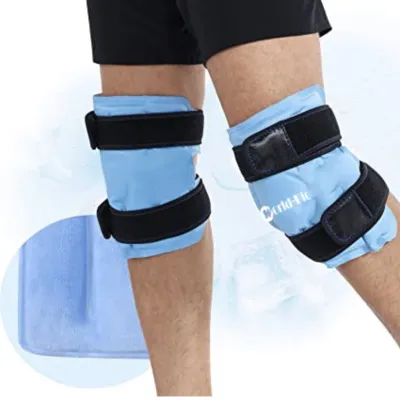
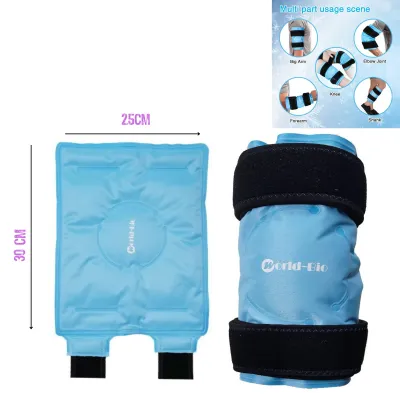
Wrap-style ice packs build upon this flexibility by integrating adjustable strap mechanisms. A standard wrap typically consists of a fabric or neoprene sleeve equipped with pockets to hold one or more gel inserts. These wraps feature long, adjustable hook-and-loop straps that allow you to secure the cold source tightly against your leg. The main benefit of the wrap style is its broad surface coverage and customizable tension. You can position the cold inserts exactly where you need them—whether on the front, back, or sides of the knee—and pull the straps to achieve a firm, personalized fit that keeps the cold source from shifting.
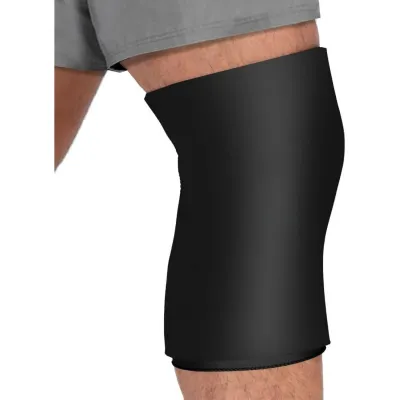
Compression sleeves represent a more integrated approach to recovery, combining elastic joint support with thermal therapy. These sleeves are often constructed from high-stretch fabrics like elastane, neoprene, or specialized knit materials, and they feature either built-in gel layers or slim, removable cold inserts. Unlike wraps that rely on individual straps to create pressure, a compression sleeve provides a uniform, 360-degree squeeze across the entire joint. This design mimics the supportive feel of a standard athletic knee sleeve while simultaneously delivering mild cooling, making it a common choice for those who want to combine compression therapy with cold application.
Matching the Ice Pack to Your Specific Knee Needs
Selecting the right ice pack requires a clear assessment of your physical condition and recovery stage. For acute swelling and immediate post-injury care, intense cold penetration is usually the priority. When a joint is highly inflamed immediately after a minor sprain or strain, a moldable gel wrap is effective. The direct, concentrated cold helps manage localized swelling by constricting blood vessels in the targeted area. During this acute phase, you are typically resting and elevating the leg, meaning the stationary nature of a heavy gel wrap is not a drawback but rather an encouragement to remain still and let the joint rest.

For chronic joint stiffness or post-workout recovery, your needs may shift toward a combination of mild compression and light mobility. If you experience ongoing stiffness from old injuries or repetitive strain, a compression knee ice pack can offer a more balanced solution. The uniform compression helps support the joint structure, while the milder, integrated cold therapy provides soothing relief without freezing the tissues too deeply. This combination is particularly beneficial for post-workout recovery, where you want to address minor aches while maintaining the ability to walk around the house or perform light stretching.
Mobility requirements are a crucial dividing line between these two designs. If your recovery routine demands that you remain active—such as standing at a desk, preparing a meal, or moving between rooms—a compression sleeve is generally more practical. Because it fits snugly like a sock and moves with your joint, it is far less likely to slide down your leg during light movement. On the other hand, if your recovery sessions are dedicated, stationary periods where you can sit or lie down with your leg elevated, a larger gel wrap will deliver a more robust and longer-lasting cold treatment.
Critical Features to Check Before You Buy
Before purchasing any knee ice pack, it is important to evaluate the practical specifications and usability factors listed on the product packaging. First, examine the strap mechanisms and adjustability ranges. If you choose a wrap style, look for wide, durable hook-and-loop fasteners that can withstand repeated pulling and washing. Check the manufacturer’s sizing chart carefully; a wrap that is too large will not provide sufficient tension to keep the cold source in place, while one that is too small can restrict blood circulation or pinch the skin behind the knee.
Material durability and skin-contact safety are equally vital. Because these packs undergo extreme temperature changes, the outer shell must be robust enough to prevent leaks or tears. Look for double-sealed seams on gel inserts and puncture-resistant materials like heavy-duty nylon or vinyl. For the outer wrap or sleeve, prioritize breathable fabrics that manage condensation effectively. A wet, dripping ice pack is not only uncomfortable but can also cause skin irritation. Many wraps feature a dual-sided design, with a soft microfiber or mesh lining on the side facing the skin to act as a protective barrier against direct freeze burns.
Finally, verify the freezing requirements and cold retention limits specified by the manufacturer. Some gel formulations are designed to freeze quickly, reaching therapeutic temperatures in under an hour, while others may require several hours in a standard home freezer. Additionally, check the recommended cold retention duration; most packs are engineered to maintain a safe, therapeutic cold level for 15 to 20 minutes. Lastly, consider ease of cleaning. Since these items are worn against the skin and may absorb sweat, look for wraps with removable gel inserts that allow the fabric portion to be hand-washed or machine-washed on a gentle cycle.
Making the Final Decision: A Conditional Guide
To finalize your decision, consider your primary recovery goals and how you plan to integrate cold therapy into your daily routine.
Choose a gel wrap if your top priorities are deep cold penetration, targeted application, and broad joint coverage. This design is highly suited for individuals who can dedicate 15 to 20 minutes to stationary recovery, allowing the heavy, moldable gel to conform fully to the knee joint while resting or elevating the leg. It is a suitable option for managing acute swelling, localized post-injury inflammation, or intense post-workout soreness where deep cooling is required.
Choose a compression pack if you require active joint stabilization, uniform pressure, and mild cooling during light movement. This style is ideal for those who want a wearable, low-profile solution that supports the joint while they move around the home or office. It is particularly beneficial for managing chronic joint stiffness, mild everyday aches, or as a supportive sleeve during the later stages of physical rehabilitation.
Regardless of the style you select, always verify the manufacturer’s specifications before your first use. Carefully review the sizing charts to ensure a proper fit, and strictly adhere to the recommended wear-time limits and temperature thresholds printed on the product label. Remember that cold therapy equipment is designed to support your recovery, but it cannot replace professional medical guidance, proper physical training, or structured rehabilitation exercises.
Frequently Asked Questions (FAQ)
Can I wear a compression knee ice pack while exercising?
It is generally not recommended to wear a compression knee ice pack during active, high-intensity exercise. While compression sleeves provide joint support, the addition of cold therapy can numb the surrounding muscles and nerves, which temporarily reduces your pain perception and joint position awareness. This lack of sensation can increase the risk of overexertion or re-injury because you may not feel when you are pushing the joint too far. For active exercise, use a standard supportive knee sleeve without cold inserts, and save the cold therapy compression pack for your post-workout recovery session when your body is at rest. Always consult the manufacturer’s guidelines for specific movement restrictions and safe usage instructions.
How long should I apply a gel wrap to my knee?
You should typically apply a gel wrap to your knee for 15 to 20 minutes per session, or as specifically directed by the manufacturer’s instructions printed on the packaging. Applying cold therapy for too long can lead to skin damage, tissue irritation, or frostbite. To protect your skin, ensure there is a fabric barrier—such as the built-in lining of the wrap, a thin towel, or your clothing—between the frozen gel pack and your bare skin. If you experience extreme numbness, burning, or increased discomfort during use, remove the pack immediately. Allow your skin temperature to return to normal, which usually takes at least one to two hours, before applying cold therapy again.
Community discussion
Share your experience or ask a question. Comments are reviewed before publication.