
A golf ball marker is a small, flat object used to temporarily identify the exact spot where your golf ball rests on the putting green. For beginners stepping onto the golf course for the first time, this simple tool is just as important as your clubs or tees. Using a marker allows you to lift your ball to clean it, align your next shot, or clear the path for another player’s putt. Choosing your first ball marker is a straightforward process, but understanding how visibility, weight, and attachment styles affect your game will help you make a practical choice that fits your routine.
Why a Ball Marker Is Essential on the Green
The putting green is a highly sensitive area of the golf course where precision is paramount. When multiple players reach the green, their balls often lie in close proximity to one another. Leaving your ball in place can create a physical obstacle or a mental distraction for your playing partners who are trying to putt. By placing a marker behind your ball and lifting it, you ensure a clear line of sight and an unobstructed path for everyone else on the green.
Beyond basic etiquette, marking your ball is a practical necessity for maintenance. Golf balls frequently collect grass clippings, sand, and mud as they travel from the tee to the green. In tropical climates like Singapore, where sudden afternoon downpours can leave the greens damp and soft, mud easily sticks to the dimples of your ball. Under the Rules of Golf, you are permitted to lift and clean your ball once it is on the putting green, but you must mark its position first. Failing to mark the ball before lifting it can result in a one-stroke penalty, making this tiny tool crucial for keeping an accurate score.
Products mentioned in this guide


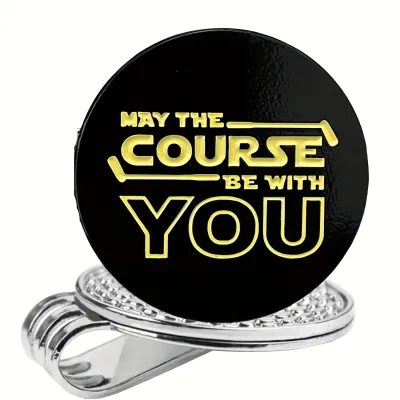
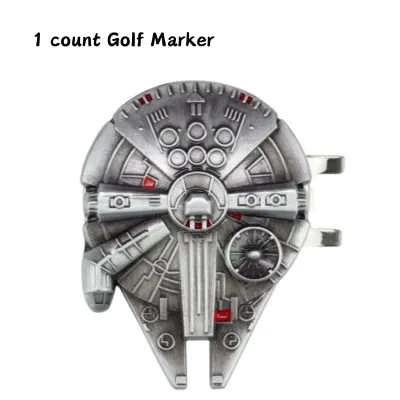
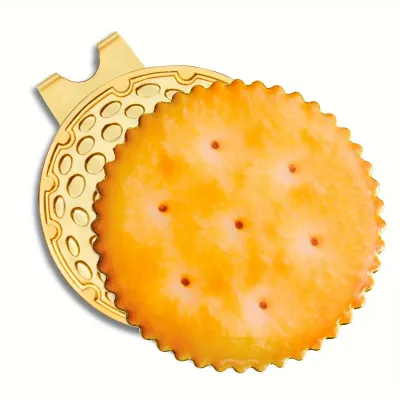
![[SG 🚚] 50 PCS Golf Ball Marker 18mm Random Color](https://img.lazcdn.com/g/p/48dd6b50fff238d4ed926b7fb6c3b13d.jpg_400x400q80.jpg_.webp)
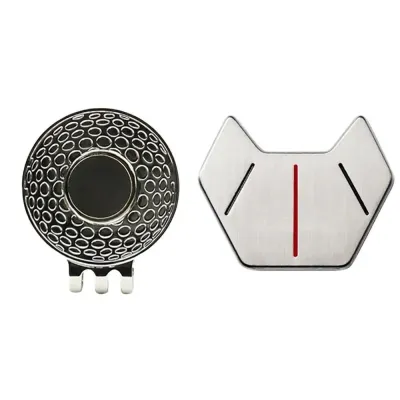
Prices are valid at publication and may change. Please refer to the product page for the latest price.
Using a marker also protects you from accidental penalties associated with moving a ball at rest. If another player’s putt strikes your unmarked ball on the green, you could face penalties depending on the format of play. By marking and lifting your ball, you eliminate this risk entirely. Demonstrating this level of care shows respect for your playing partners and helps maintain the pace of play, ensuring a smooth and enjoyable round for everyone in your group.
Step-by-Step Guide to Marking and Replacing Your Ball
Marking your ball correctly is a fundamental skill that every golfer must master to avoid rule infractions. The process begins before you even touch your golf ball. Approach your ball on the green and identify its position relative to the hole. Take your ball marker and place it on the turf directly behind the ball, aligned with the target line. Once the marker is firmly pressed into the grass, you may safely lift your ball.

Using a flat object is essential during this process. If your marker is too thick or bulky, it could deflect another player’s ball if their putt happens to roll over your marked spot. Press the marker flush with the turf so it sits as flat as possible. If your marker is directly in another player’s putting line, they may ask you to move it. To do this, align your putter head with a fixed object in the distance, such as a tree or a bunker, place the heel of the putter next to your marker, and move the marker to the toe of the putter. Reverse this exact process to return the marker to its original spot before replacing your ball.
When it is your turn to putt, you must replace the ball in its exact original position. Place the ball directly in front of the marker, ensuring it rests precisely where it was before you lifted it. Once the ball is stationary on the ground, you can lift the marker. Removing the marker before the ball is properly replaced, or dropping the ball instead of placing it, can lead to rule violations. Practicing this sequence until it becomes second nature will build your confidence on the green.
What to Look for When Buying Your First Ball Marker
When selecting your first ball marker, size and visibility should be your primary considerations. You need a marker that is large enough for you to spot easily from several meters away, especially when walking around the green to read your putt. However, it must not be so large that it distracts other players or physically interferes with their lines. A diameter of approximately 20 to 25 millimeters—roughly the size of a standard coin—is generally ideal for beginners.
Color and contrast play a vital role in visibility under varying course conditions. On bright, sunny days, a shiny metallic marker might cause glare, while a dark-colored marker can easily get lost in the shadows of the grass. High-contrast colors like neon yellow, bright red, or white are excellent choices because they stand out against the green turf regardless of the time of day. This is particularly helpful during early morning rounds when dew covers the grass, or during late afternoon games when light levels begin to fade.
Material and weight also play a significant role in how well a marker performs on the course. Lightweight plastic markers are highly affordable, often costing under S$2, but they can easily blow away on windy days. Heavier metal markers, such as those made of brass, steel, or copper, offer much better stability. In coastal or open golf courses where wind speeds can fluctuate, a heavier metal marker will stay securely in place on the turf.
Storage and retention are equally important for preventing loss during a round. Golfers are constantly moving, bending down, and reaching into their pockets. A loose marker can easily fall out or get lost among tees and pitch mark repair tools. Look for markers that feature magnetic attachments or pocket clips. These systems allow you to secure the marker to your cap, belt, or glove, keeping it easily accessible and reducing the time spent rummaging through your pockets before every putt.
Common Ball Marker Designs to Consider
Standard flat discs and coins are the most traditional and widely used ball markers. These are typically simple metal or plastic circles that lie completely flat on the green. Many golfers enjoy using commemorative coins or custom-designed discs that reflect their personal style. They are highly functional, affordable, and fit easily into any pocket, making them an excellent starting point for any beginner.
Magnetic hat clip markers offer a significant upgrade in convenience. This design consists of two parts: a magnetic base clip that slides onto the brim of your golf cap or visor, and a metal ball marker that sticks to the magnet. When you reach the green, you simply reach up, pull the marker off your cap, and mark your ball. This system keeps the marker clean, prevents it from getting lost in your pockets, and ensures you always know exactly where it is. Durable magnetic sets typically range from S$10 to S$25.
Alignment markers are designed with printed lines, arrows, or crosshairs to help you aim your putts. When you place the marker behind your ball, you can align the printed line with your intended putting path. Then, you can align the markings on your golf ball with the line on the marker. While highly useful for improving your putting accuracy, these designs require careful and precise placement to ensure you do not accidentally alter the position of the ball, which requires a bit of practice to master.
How to Care for and Store Your Ball Marker
Proper maintenance ensures your ball marker remains highly visible and functional for many rounds to come. After playing on wet or muddy greens, take a moment to wipe off any dirt, grass clippings, or moisture using your golf towel. This is especially important for metal markers, which can tarnish or rust over time if left damp in your golf bag.
If you use a magnetic hat clip system, regularly check the strength of the magnet and clean the contact surfaces. Dust and sweat can accumulate on the clip, reducing the magnetic hold and increasing the risk of the marker falling off during your swing. Store your marker in a dedicated pocket of your golf bag or inside a small accessory pouch. Keeping it separated from loose change, tees, and heavy tools will prevent scratches and ensure you can find it instantly before your next tee time.
Frequently Asked Questions (FAQ)
Can I use a regular coin as a ball marker?
Yes, using a regular coin is completely legal under the Rules of Golf. Many players prefer using local coins because they are flat, durable, and easy to replace if lost. However, standard coins can sometimes be difficult to spot on dark green grass or in low-light conditions. If you choose to use a coin, select one with a bright finish or a distinct pattern to ensure you can easily locate it from a distance.
What happens if my ball marker is accidentally moved?
If your ball marker is accidentally moved by wind, water, or another player, there is no penalty. Under the Rules of Golf, you must simply estimate the original position of the marker and place it back as accurately as possible. However, if you or your equipment accidentally cause the marker to move, you must replace it immediately. Understanding these distinctions helps you handle unexpected situations on the green calmly and within the rules.
Do I need a ball marker with an alignment line?
While alignment markers are beneficial for setting up your putting line, they are not strictly necessary for beginners. As a new golfer, your primary focus should be on developing a consistent putting stroke and learning green-reading basics. An alignment marker adds an extra step to your pre-putt routine, which can sometimes feel overwhelming. Start with a simple flat disc or coin, and consider upgrading to an alignment design once you feel comfortable with your basic setup.
Community discussion
Share your experience or ask a question. Comments are reviewed before publication.