
Finding a reliable yoga foam block in Singapore requires looking beyond aesthetic appeal to evaluate material density, manufacturing transparency, and physical performance under load. A high-quality block serves as a crucial extension of your body, providing the necessary height, stability, and joint cushioning required to execute poses safely and with correct alignment. In Singapore’s warm, humid climate, selecting a block that resists moisture absorption and maintains its grip during sweaty sessions is essential for a safe and consistent practice.
While many practitioners prioritize color or price, the structural integrity of the foam determines whether a block will support your weight safely or wobble during a challenging pose. Trusted brands distinguish themselves by using high-density, closed-cell Ethylene-Vinyl Acetate (EVA) foam that resists compression over long-term use. By understanding the specific design elements, material standards, and brand categories available in the local market, you can make an informed purchase that supports your long-term wellness journey.
How to Evaluate Brand Reputation and Trustworthiness
Evaluating the trustworthiness of a yoga foam block brand requires looking at the technical specifications of the materials used. High-quality brands are transparent about their manufacturing processes, often specifying the use of high-density, closed-cell EVA foam. This closed-cell structure is vital because it prevents the block from absorbing sweat, dirt, and bacteria, making it hygienic and easy to clean. Reputable manufacturers will also provide clear information regarding the Shore hardness rating of their foam, which indicates the material’s resistance to indentation. A brand that openly shares these technical details demonstrates a commitment to quality and structural safety.
Products mentioned in this guide
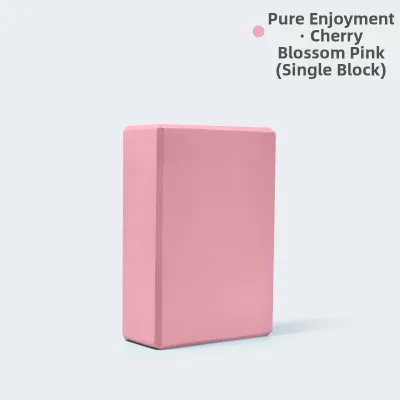
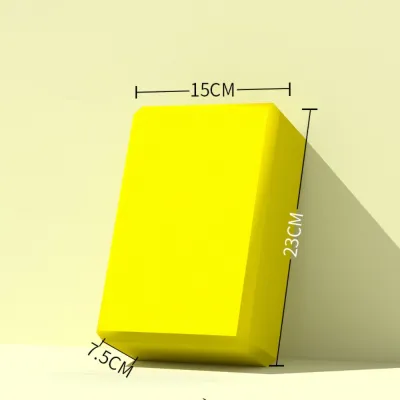
Prices are valid at publication and may change. Please refer to the product page for the latest price.
In addition to material transparency, look for independent safety certifications on product packaging or brand websites. Trusted brands often comply with international chemical safety standards, such as REACH (Registration, Evaluation, Authorisation and Restriction of Chemicals) or RoHS (Restriction of Hazardous Substances) directives. These certifications verify that the foam is free from harmful substances like heavy metals, toxic phthalates, and formaldehyde. Because yoga blocks come into direct contact with your skin and face during restorative poses, verifying these non-toxic credentials is a key step in identifying a reputable brand.
User feedback from experienced practitioners offers valuable insight into how a foam block performs over time. When browsing reviews on online platforms, look past initial impressions of color or shipping speed, and focus on long-term performance indicators. Trustworthy products will have reviews detailing how well the block retains its shape after months of daily use, whether the edges crumble under pressure, and how slip-resistant the surface remains when wet. Peer recommendations from local yoga communities can help you filter out low-quality, generic options that degrade quickly.
Professional endorsements from certified yoga instructors and local studios serve as another strong indicator of brand reliability. Yoga studios in Singapore put their props through rigorous daily use by dozens of different practitioners, making durability their highest priority. If a brand is widely adopted by boutique studios in areas like Tanjong Pagar, River Valley, or Orchard, it is highly likely that the blocks can withstand intense, repetitive use. Brands that partner with registered yoga teacher training (YTT) programs also carry a high level of trust, as these programs require props that meet strict standards for alignment and student safety.
Essential Features to Look for in a Quality Foam Block
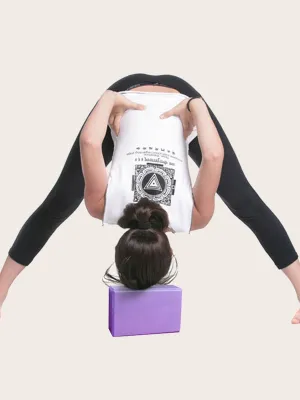
When choosing a yoga foam block, the balance between material density and firmness is the most critical factor to consider. The block must be firm enough to support your full body weight without compressing or flattening, yet soft enough to provide comfortable cushioning for sensitive joints. Low-density foam blocks often feel squishy and yield too easily under pressure, which can lead to wrist strain or loss of balance during standing poses. A high-quality block should feel solid and substantial, offering a supportive surface that helps you maintain proper alignment throughout your practice.

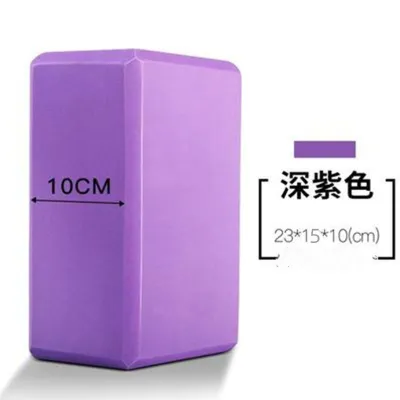
Dimensions and ergonomics play a significant role in how well a block fits your body and your specific style of yoga. The standard dimensions for a versatile yoga block are approximately 9 x 6 x 4 inches (23 x 15 x 10 cm). This size offers three distinct heights depending on how you orient the block, making it adaptable to various poses. For practitioners with smaller hands or those who travel frequently, a slightly narrower block with a 3-inch (7.6 cm) thickness may offer a more secure grip and easier portability. Regardless of the size, look for blocks with generous beveled or contoured edges, as these rounded corners reduce pressure points on your palms and fingers, ensuring a more comfortable grip.
Durability and surface texture are essential for maintaining safety during dynamic or sweaty practices. In Singapore’s tropical climate, humidity can cause hands and feet to slip easily on smooth surfaces. A quality foam block should feature a slightly textured, non-slip surface that provides reliable traction even when exposed to moisture. The material must also resist scratching and peeling from fingernails or rough studio floors. Inspecting the surface finish of a block before purchasing helps ensure that it will maintain its grip and structural integrity over years of regular use.
Matching Block Features to Your Practice Level
Beginners often require extra height and reliable stability to assist with foundational alignment when flexibility is still developing. If you are new to yoga, look for standard-sized blocks (4-inch thickness) that provide a generous surface area for your hands or feet. The block should offer moderate firmness to cushion tight hamstrings or lower backs during forward folds, while remaining stable enough to prevent wobbling. This extra support allows you to focus on proper posture and breathing without straining to reach the floor.
Advanced practitioners, on the other hand, require ultra-firm, high-density blocks that can support precise alignment during deep stretches, backbends, and inversions. When performing arm balances or handstand transitions, any compression in the block can compromise wrist stability and lead to injury. Advanced users should select blocks with a high Shore hardness rating that behave similarly to cork but retain the lightweight portability of foam. Before attempting advanced poses, always perform a quick stability check on a flat surface to ensure the block does not tilt or slide under concentrated weight.
Navigating Brand Categories in the Market
Understanding the different brand categories in the Singapore market allows you to align your purchase with your personal values, practice goals, and budget. The market is generally divided into specialized yoga brands, comprehensive sports retailers, and eco-conscious labels. Each category serves different practitioner needs, offering varying levels of durability, design refinement, and price points.
- Dedicated Yoga and Wellness Brands: These brands focus exclusively on developing high-performance props designed by and for yoga practitioners. They prioritize specialized ergonomics, precise edge beveling, and studio-grade durability. Because they cater to serious practitioners, their blocks are typically made from premium, high-density EVA foam that resists wear and retains its shape over years of daily use. While these blocks sit in a higher price bracket (typically S$25 to S$45), they represent a long-term investment in your practice.
- Comprehensive Sports and Outdoor Brands: Major sports retailers and local athletic brands offer highly accessible, multi-sport utility props. These blocks are widely available in physical retail stores across Singapore and are generally very budget-friendly, ranging from S$8 to S$15. They are an excellent option for casual practitioners, beginners, or those who practice occasionally at home. While they may have a slightly lower density than premium studio-grade blocks, they provide sufficient support for basic alignment and restorative poses.
- Eco-Conscious and Sustainable Brands: These brands focus on reducing environmental impact by using recycled materials and non-toxic manufacturing processes. While cork is a popular natural alternative, eco-conscious foam blocks often utilize post-industrial recycled EVA foam or bio-based foam blends. These products are ideal for practitioners who prioritize environmental sustainability and want a lightweight, portable block that aligns with their ecological values. They typically fall into the mid-to-high price range (S$20 to S$35).
To choose the right category, consider how often you practice and where your sessions take place. If you commute to a studio several times a week, a lightweight, durable block from a premium or eco-conscious brand offers the best balance of portability and performance. If you are setting up a home gym on a budget, a pair of accessible blocks from a comprehensive sports retailer will serve you well. Balancing your budget constraints with your dedication to the practice ensures you select a block that provides the best value over time.
Where to Buy and Verify Authentic Brands in Singapore
To ensure you are purchasing a genuine, high-quality product, it is best to buy directly from official brand websites or authorized local distributors. Purchasing from official channels guarantees that you receive an authentic product made with certified non-toxic materials, and it often grants you access to customer support and warranty coverage. Many premium brands partner with established local yoga studios or specialized fitness boutiques in Singapore, making these locations highly reliable sources for authentic gear.
Whenever possible, visit a physical retail store or a specialized yoga studio to test the foam blocks in person before making a purchase. Physical verification is the most reliable way to assess the density, weight, and grip of a block. You can perform a few simple tests to evaluate the block’s quality:
- The Thumb Press Test: Press your thumb firmly into the center of the block. A high-density block will offer strong resistance and spring back instantly without leaving a permanent indentation. If the foam feels soft, spongy, or slow to recover, it may not provide adequate stability during your practice.
- The Corner Stability Check: Place the block on a flat floor and apply downward pressure to each of the corners. The block should remain perfectly stable and balanced. If the block wobbles or has unevenly cut edges, it can compromise your safety during alignment-heavy poses.
- The Surface Grip Test: Rub your hand across the surface of the block to assess its texture. It should feel slightly tacky or textured, indicating that it will provide sufficient traction when your hands are sweaty.
If you prefer the convenience of online marketplaces, exercise caution to avoid counterfeit products or low-quality imitations. Be wary of unbranded “OEM” blocks sold at suspiciously low prices (such as under S$5), as these are often made from low-density, open-cell foam that compresses easily and may contain harmful chemical additives. When shopping online, check the seller’s credentials, look for authorized dealer badges, and read customer reviews carefully. Ensure the platform or seller offers a clear return policy so you can inspect the block upon delivery and return it if it does not meet your quality standards.
Caring for and Maintaining Your Yoga Foam Block
Proper care and maintenance are essential for extending the lifespan of your yoga foam block and ensuring a hygienic practice environment. Because foam blocks are porous to varying degrees depending on their quality, routine cleaning should be performed after every few sessions, especially after a high-intensity or sweaty practice. Wipe down the entire surface of the block using a soft microfiber cloth dampened with a mild, diluted soap and water solution. Avoid using harsh chemical detergents, bleach, or alcohol-based sprays, as these substances can dry out, discolor, and degrade the EVA foam structure over time.
After cleaning, allow the block to air dry completely in a well-ventilated indoor space before storing it away. Never place your foam block in a washing machine or submerge it entirely in water, as this can trap moisture inside the foam and lead to mold growth. When storing your blocks, keep them out of direct tropical sunlight, such as near open balconies or windows. Prolonged exposure to UV rays and extreme heat (such as inside a car trunk parked in the sun) can cause the foam to warp, shrink, fade, and lose its structural integrity.
Regularly inspect your foam blocks for signs of wear and tear to ensure they remain safe to use. Over time, even high-quality blocks will eventually show signs of aging. Look for permanent indentations, deep scratches, crumbling edges, or a noticeable loss of firmness. If the block no longer sits perfectly flat on the floor, or if it compresses significantly under moderate hand pressure, it poses a balance hazard. Replacing your blocks when they show these signs of structural failure is necessary to maintain a safe, stable, and supportive yoga practice.
Frequently Asked Questions (FAQ)
Can I use a foam block if I have sensitive wrists or joints?
Yes, foam blocks are highly recommended for individuals with sensitive wrists or joints because they offer excellent shock absorption and a slight give compared to rigid wood or cork blocks. The softer surface of high-density foam helps distribute your body weight more evenly, reducing concentrated pressure on the wrist joints during poses like Downward-Facing Dog or tabletop variations. To maximize comfort, select a block with generous, smooth beveled edges to prevent the corners from pressing uncomfortably into your palms.
How do I know if a foam block is non-toxic?
To verify that a foam block is non-toxic, check the manufacturer’s product specifications for official safety certifications such as REACH, RoHS, or OEKO-TEX compliance. Reputable brands will explicitly state on their packaging or website that their blocks are free from latex, PVC, chlorine, toxic phthalates, and heavy metals. Avoid purchasing unbranded, extremely cheap blocks that emit a strong, persistent chemical or plastic odor, as this is often a sign of off-gassing from low-quality materials and chemical additives.
Is it better to buy one block or a set of two?
For most practitioners, purchasing a set of two blocks is highly recommended. While a single block can assist with basic standing poses, many restorative, symmetrical, and balance-building postures require bilateral support under both hands, knees, or hips. Having two identical blocks ensures that your body remains level and aligned, preventing muscle strain or uneven stretching. Buying a matching pair from the start also ensures consistent density and height across both sides of your practice.
Community discussion
Share your experience or ask a question. Comments are reviewed before publication.