
Choosing the right post-run recovery tool depends on whether you need to release localized muscle tension or restore overall mobility. A foam roller is highly effective for targeted myofascial release, allowing you to apply direct pressure to tight lower-body muscles like the calves, quads, and hamstrings. In contrast, a gym ball excels at active stretching, spinal decompression, and gentle core engagement. Rather than being direct competitors, these two tools serve complementary roles in a runner’s routine, addressing different aspects of physical recovery.
Recovery Mechanisms: How Each Tool Aids Runners
Understanding how these tools interact with your body helps you apply them more effectively after a demanding run. Foam rolling relies on the principles of self-myofascial release. By using your body weight to apply pressure to specific muscle groups, you compress the underlying tissue. This localized compression helps temporarily reduce muscle stiffness, increases local blood circulation, and alters pain perception, making your legs feel less heavy after high-mileage sessions.
A gym ball operates on a different physical mechanism, focusing on dynamic movement and controlled instability. When you drape your body over a gym ball or use it to support your limbs during stretches, the ball’s spherical shape and slight give allow for multi-directional movement. This instability forces your deep stabilizing muscles to engage gently without overloading them. It facilitates active recovery by encouraging joint mobilization and gentle movement, which helps prevent post-run blood pooling and joint stiffness.
Products mentioned in this guide
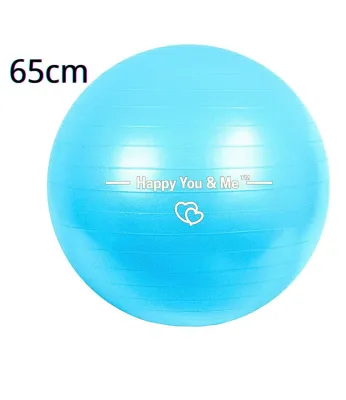
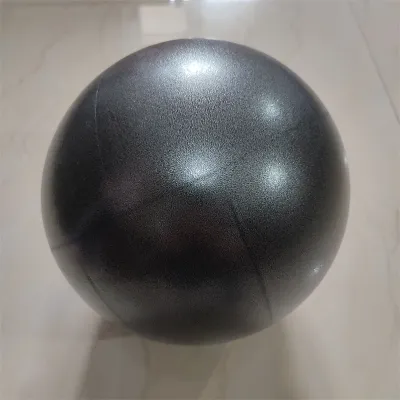
![⭐[Sg Seller] 45cm55CM 65CM 75CM 85CM Burst Resistance Yoga Ball Gym Fitness Iron Shake Weight](https://img.lazcdn.com/g/p/e23e6d3db4b1f7e42ef3d0a86e2e6e3f.jpg_400x400q80.jpg_.webp)
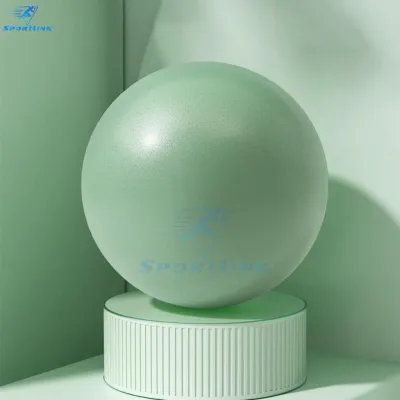
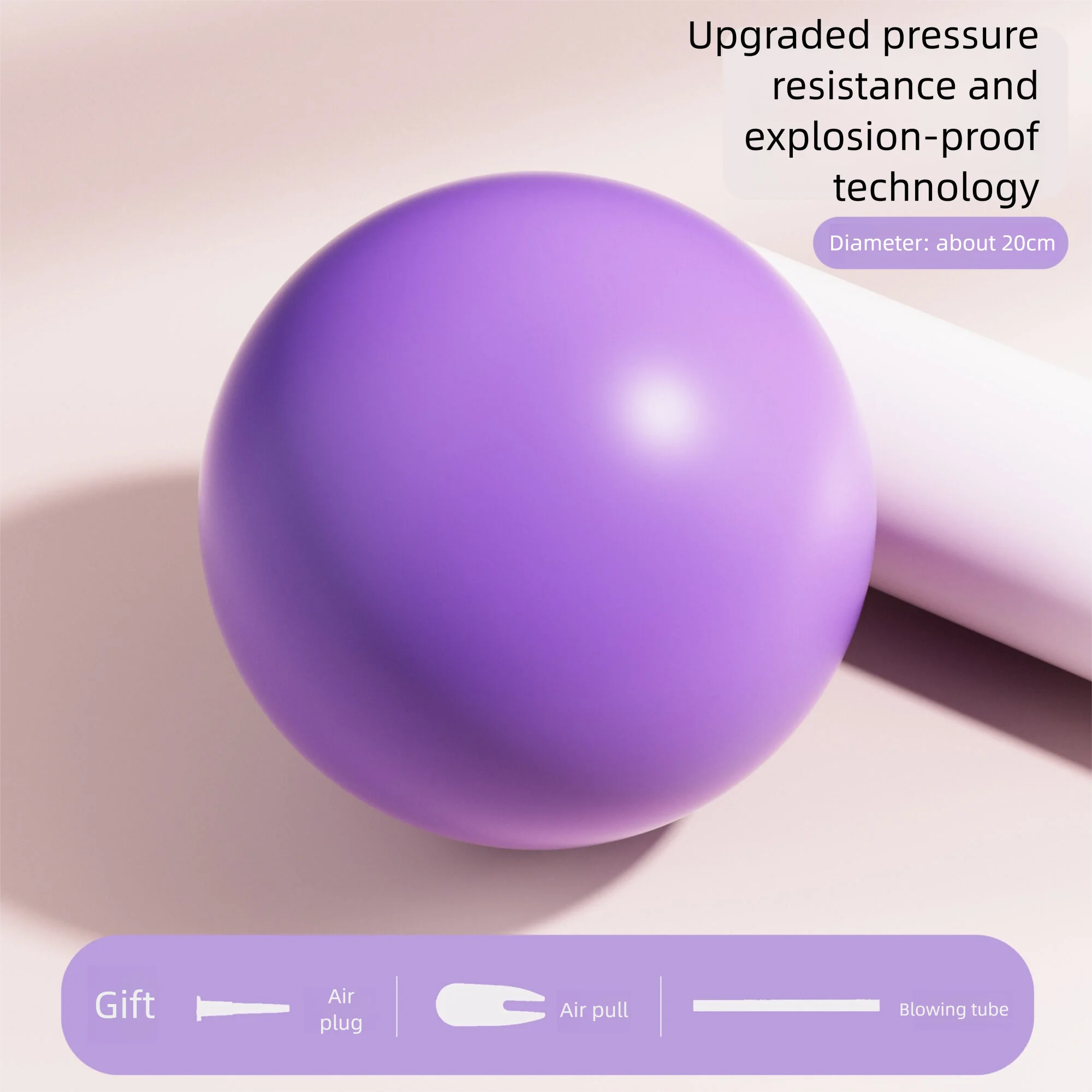
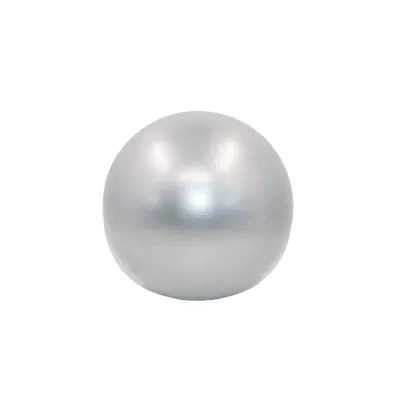

Prices are valid at publication and may change. Please refer to the product page for the latest price.
While the foam roller addresses localized muscular knots and tight bands of tissue, the gym ball targets the kinetic chain as a whole. The rolling action of a foam roller is passive and compressive, focusing on tissue quality. The gym ball offers an active, expansive recovery experience, helping to restore length to shortened muscles and improve overall range of motion. Utilizing both mechanisms can create a balanced recovery routine that addresses both structural tightness and movement limitations.
Target Areas: Releasing Tight Muscles vs. Active Stretching
Runners experience predictable patterns of muscle tightness, but different muscle groups require distinct recovery approaches. The lower body bears the brunt of running impact, making the foam roller the preferred choice for the legs. It allows you to systematically roll out the calves, quadriceps, hamstrings, and glutes. The broad, firm surface of a roller is particularly suited for managing tension along the lateral side of the thigh, though direct, heavy pressure on the IT band itself should be avoided in favor of targeting the surrounding muscles.

The gym ball shines when addressing the hips, pelvis, and lower back, which often become stiff from the repetitive, linear motion of running. By performing gentle pelvic tilts or hip circles while seated on the ball, you can release tension in the lower lumbar region and hip flexors. Laying backward over the ball provides a supported extension for the thoracic spine, opening up the chest and reversing the hunched posture that often develops during the later stages of a long run.
Additionally, the gym ball serves as an excellent tool for post-run core stabilization and posture correction. Running with fatigued core muscles can lead to form breakdown and subsequent lower back discomfort. Performing low-intensity stability exercises on the ball after a run helps re-engage the deep core muscles, reminding your body of proper alignment. This active engagement helps transition your body from the high-impact stress of running back to a balanced, neutral state.
Practical Setup: Space, Storage, and Portability
Practical logistics play a significant role in how consistently you will use your recovery equipment, especially when managing home space. A gym ball requires a substantial amount of physical space, both for active use and storage. In typical urban apartments, such as those in Singapore, a fully inflated 65cm ball can feel intrusive. You must ensure you have a clear floor area free of sharp objects or furniture corners to use the ball safely. While you can deflate it for long-term storage, inflating it repeatedly before every recovery session is rarely practical.
Foam rollers offer a much more compact footprint, making them highly suitable for small living spaces. They can easily be tucked under a bed, placed in a closet, or stood upright in a corner when not in use. Furthermore, foam rollers are highly portable. Many manufacturers produce lightweight or hollow-core models that fit easily into a gym bag or travel suitcase, allowing you to maintain your recovery routine during races or trips away from home.
Durability and maintenance also differ between the two tools. A foam roller is virtually maintenance-free, requiring only an occasional wipe down with a damp cloth. It is important to inspect it periodically for permanent indentation or softening, which indicates it is time for a replacement. A gym ball requires more active safety checks. You must regularly inspect the surface for scuffs, scratches, or small punctures, and verify that the ball is rated as “anti-burst” to prevent sudden deflation under your body weight.
The Decision Framework: Which Tool Should You Buy?
If you are deciding which tool to purchase first, evaluating your primary recovery needs and physical constraints will guide you to the right choice. Your budget is another factor, though both tools are relatively accessible, typically ranging from S$20 to S$60 depending on the size and material quality.
Choose a foam roller if:
- Your primary goal is relieving localized muscle soreness and tightness in your legs.
- You have limited storage space at home or need a tool you can easily transport to track sessions and races.
- You prefer a straightforward, passive recovery method that can be done while watching television or listening to a podcast.
Choose a gym ball if:
- Your main issues after running are lower back stiffness, tight hip flexors, or poor posture.
- You want a versatile tool that doubles as a core-strengthening platform and active mobility aid.
- You have sufficient dedicated floor space to store and safely use an inflated ball.
Consider both if:
- You have the space and budget to build a comprehensive home recovery station.
- You want to combine the deep-tissue benefits of myofascial release with the mobility and alignment benefits of active stretching.
Before making any purchase, verify your personal physical condition. If you have acute joint pain, severe lower back issues, or balance difficulties, a gym ball may present safety challenges. Always check the manufacturer’s weight capacity and sizing guidelines to ensure the tool you select is appropriate for your body dimensions and weight.
Safety Boundaries and When to Stop
Using recovery tools incorrectly can exacerbate existing running injuries or create new physical issues. When using a foam roller, avoid rolling directly over bony prominences, joints, or the delicate lumbar spine. Focus pressure on the fleshy muscle bellies instead. Applying intense pressure directly to an inflamed tendon or joint capsule can increase inflammation and delay your recovery.
For the gym ball, proper sizing and inflation are critical for stability and safety. When sitting on the ball, your hips and knees should be bent at approximately a 90-degree angle with your feet flat on the floor. An under-inflated ball reduces stability and alters the intended angles of your stretches, while an over-inflated ball can become slippery and difficult to control. Ensure the floor surface is dry and slip-resistant before beginning any exercises.
Listen closely to your body’s feedback during any recovery session. While deep tissue rolling can feel uncomfortable, it should never cause sharp, stabbing pain, numbness, tingling, or bruising. If you experience any of these sensations, or if you feel dizzy while balancing on a gym ball, stop the activity immediately. If running-related pain persists for more than a few days despite consistent recovery efforts, consult a physiotherapist or qualified medical professional rather than attempting to roll or stretch through the discomfort.
Frequently Asked Questions (FAQ)
Can I use a small massage ball instead of a foam roller or gym ball?
Yes, a small massage ball is an excellent supplementary tool, but it serves a different purpose. While a foam roller provides broad compression over large muscle groups and a gym ball facilitates large-scale stretching, a small massage ball delivers highly concentrated, pinpoint pressure. It is ideal for targeting deep, hard-to-reach areas like the arches of the feet, the piriformis muscle in the glutes, or the space between the shoulder blades. However, it cannot replace the broad rolling of a foam roller or the mobility benefits of a gym ball.
How long should I spend on recovery after a long run?
A post-run recovery session does not need to be excessively long to be effective. Spending 10 to 15 minutes is generally sufficient to promote muscle relaxation and restore mobility. You might dedicate 5 to 10 minutes to foam rolling, focusing on major lower-body muscle groups for about 30 to 60 seconds per area. Follow this with 5 minutes of gentle stretching or mobility work on a gym ball. Consistency is far more important than duration; a short, daily routine is more beneficial than a single, long session once a week.
Are textured foam rollers better than smooth ones for runners?
Neither style is universally superior; the choice depends on your personal pain tolerance and recovery goals. Smooth foam rollers distribute pressure evenly across the muscle tissue, making them an excellent choice for beginners, those with sensitive muscles, or general recovery. Textured rollers feature ridges or knobs designed to mimic a muscle therapist’s fingers, providing deeper, more targeted pressure to muscle knots. If you are new to myofascial release, starting with a smooth roller is recommended to avoid excessive bruising or muscle guarding.
Community discussion
Share your experience or ask a question. Comments are reviewed before publication.