
Selecting the right gym accessory depends on identifying the physical bottleneck holding back your progress. When your hands, grip, or core fatigue before the target muscle group is fully stimulated, your training efficiency drops. Matching the accessory to the primary limitation of each exercise ensures you continue to progress safely and effectively.
- Gym Gloves are ideal for high-repetition pulling, dumbbell work, and machine exercises. They act as a protective barrier to prevent blisters, manage sweat in humid training environments, and reduce hand pain when direct metal contact limits your performance.
- Lifting Straps are ideal for heavy pulling movements like deadlifts, Romanian deadlifts, and heavy rows. They bypass your grip entirely, allowing you to train your back and posterior chain to failure without your hands giving out first.
- Weightlifting Belts are reserved for heavy compound lifts such as squats, deadlifts, and overhead presses. They provide a rigid surface for your abdominal muscles to brace against, increasing intra-abdominal pressure to stabilize your spine under heavy loads.
These accessories are designed to supplement, rather than replace, proper lifting technique and baseline physical conditioning. Relying on them too early or too frequently can mask movement deficiencies and hinder natural strength development.
Gym Gloves: Grip Protection and Callus Prevention
Gym gloves serve as a protective layer between your skin and the aggressive knurling of barbells and dumbbells. In warm, humid climates, where non-air-conditioned or open-air gyms can lead to sweaty palms, gloves offer a reliable way to maintain a secure hold on equipment. The primary mechanism of a gym glove is to reduce friction, absorb moisture, and distribute pressure across the palm, which directly prevents the formation of painful calluses and torn skin.
Products mentioned in this guide
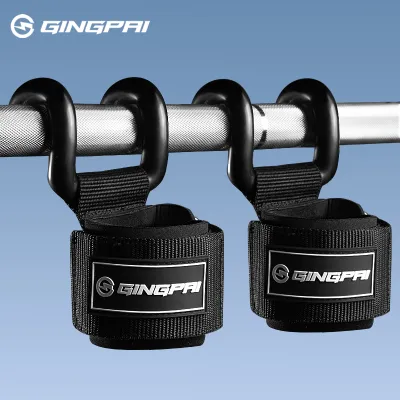
Prices are valid at publication and may change. Please refer to the product page for the latest price.
These accessories are highly beneficial for high-volume training sessions, dumbbell circuits, and machine-based movements. When performing high-repetition pull-ups or cable rows, the constant friction can quickly wear down the skin of your hands. By wearing gloves, you can complete your planned training volume without being forced to stop due to localized hand discomfort or skin tears.
However, gym gloves have distinct limitations that lifters must consider. By adding a layer of padding between your hand and the bar, gloves effectively increase the diameter of the handle, which can make the bar harder to grip during maximal effort lifts. Additionally, they reduce tactile feedback, making it more difficult to feel the positioning of the bar in your hands, which is crucial for technical lifts.
When selecting gym gloves, check product labels for breathable, moisture-wicking materials to prevent heat buildup. Look for secure wrist closures, such as adjustable hook-and-loop straps, to ensure a snug fit. Finally, evaluate the padding thickness; thinner padding preserves more bar feel, while thicker padding offers greater comfort against heavy pressure.
Lifting Straps: Overcoming Grip Fatigue on Pulls
Lifting straps are simple fabric or leather bands that wrap around your wrists and loop tightly around the barbell or dumbbell. Their primary mechanism is to transfer the weight of the load directly from your fingers to your wrists, effectively locking your hands to the bar. This mechanical advantage allows you to hold onto weights that would otherwise slip out of your grasp due to hand fatigue.

This accessory is highly suited for heavy pulling exercises where the target muscles are significantly stronger than your grip strength. For example, during heavy deadlifts, Romanian deadlifts, barbell rows, and shrugs, your back and glutes can handle far more weight than your forearms can support. Using straps ensures that these large muscle groups receive a sufficient training stimulus without being limited by a premature loss of grip.
Despite their utility, lifting straps have clear limitations and should be used strategically. They are generally not permitted in raw powerlifting competitions, meaning competitive lifters must still develop a strong natural grip. Overusing straps on every single set can also lead to underdevelopment of the forearms and hand muscles, creating a wider gap between your pulling power and your raw grip capacity.
When shopping for straps, verify the material and length based on your specific training needs. Cotton straps are soft and easy to break in, making them comfortable for daily use. Nylon straps are exceptionally durable and slide off the bar easily, which is preferred by Olympic lifters, while leather straps offer a highly secure, rigid grip but require a breaking-in period.
Weightlifting Belts: Intra-Abdominal Pressure and Bracing
A weightlifting belt is often misunderstood as a passive support system that holds the spine in place. In reality, its primary mechanism is to provide a rigid, non-elastic wall for your abdominal muscles to push against when you breathe and brace. This action significantly increases intra-abdominal pressure, creating a solid column of support that stabilizes the spine and reduces shear forces during heavy lifting.
Belts are highly effective for heavy compound movements performed at high relative intensities, typically above eighty percent of your one-rep maximum. Exercises like heavy back squats, deadlifts, and strict overhead presses place immense axial loading on the spine. Wearing a belt during these lifts helps maximize force transfer from your legs and hips through your torso and into the bar.
However, a belt is not a safety net for poor lifting mechanics. It cannot correct bad form, and wearing one will not prevent injury if your movement patterns are fundamentally flawed. Furthermore, belts are unnecessary for light isolation exercises, machine work, or movements that require high torso mobility, as they can restrict the natural movement of your trunk.
To find the right belt, check the manufacturer’s sizing guides carefully. You must measure your torso at the level of your belly button where the belt will actually sit, rather than relying on your standard pants waist size. Select a belt thickness and width based on your body proportions and comfort; a four-inch wide, ten-millimeter thick belt is a standard starting point for general strength training.
Exercise-by-Exercise Accessory Breakdown
To optimize your training, it is helpful to map specific gym movements to the most appropriate accessory. Different exercises place unique demands on your body, meaning an accessory that excels in one movement may be completely counterproductive in another.
Deadlifts
For heavy deadlifts, a combination of a weightlifting belt and lifting straps is highly effective. The belt supports maximal core bracing during the setup and pull, while straps can be used on your heaviest working sets to ensure your grip does not fail before your posterior chain. However, gym gloves should generally be avoided during deadlifts, as the added thickness makes it harder to keep the bar close to your shins and reduces your control over the bar path.
Squats
When performing heavy squats, a weightlifting belt is the only applicable accessory. It assists in maintaining a rigid torso throughout the descent and ascent, helping you transfer power efficiently from your legs. Lifting straps and gym gloves serve no functional purpose during squats, as there is no pulling or grip element involved in supporting the bar on your upper back.
Rows and Pull-downs
For heavy barbell rows and dumbbell rows, lifting straps are a practical choice to bypass grip fatigue and maximize back engagement. For high-repetition cable pull-downs or seated rows, gym gloves are highly useful for preventing friction blisters and managing sweat during long, high-volume hypertrophy sessions.
Pressing Movements
During heavy overhead presses, a weightlifting belt helps stabilize your core and prevents excessive arching of the lower back. For standard bench presses, accessories are rarely needed, though some lifters prefer wrist wraps for joint support. Gloves are optional if you struggle with sweaty hands, but straps should never be used on pressing movements as they offer no benefit and can create safety hazards.
The following table summarizes how to apply these accessories across common exercises:
| Exercise | Recommended Accessory | Primary Condition for Use | When to Avoid |
|---|---|---|---|
| Deadlifts | Weightlifting Belt / Lifting Straps | Heavy working sets where core bracing or grip limits the lift | Warm-up sets, light technique work, or when building raw grip strength |
| Squats | Weightlifting Belt | Heavy compound sets requiring high intra-abdominal pressure | Light warm-ups, high-mobility variations, or low-intensity sets |
| Barbell Rows | Lifting Straps | Heavy pulling where target back muscles outlast grip capacity | Light sets, or when forearm and grip development is the primary goal |
| Pull-downs / Cable Rows | Gym Gloves | High-volume training where friction causes blisters or hand pain | Heavy low-rep strength sets where direct bar contact is preferred |
| Overhead Press | Weightlifting Belt | Heavy overhead loads requiring maximal spinal stability and bracing | Light dumbbell presses, seated machine presses, or low-intensity sets |
| Bench Press | None (or Wrist Wraps) | Standard pressing movements rarely require gloves or straps | Avoid using straps entirely; gloves are optional for sweat control |
Decision Framework: Choose Based on Your Training Phase
Your choice of gym accessories should align with your current training goals, experience level, and physical limitations. Rather than carrying every tool in your gym bag for every workout, use this framework to determine what you actually need.
- Choose Gym Gloves If: Your primary barrier to consistent training is localized hand discomfort, skin tears, or sweat-induced slipping. If you are focused on high-volume hypertrophy training, dumbbell circuits, or machine work, gloves will help you complete your sets without pain in your palms. They are also excellent for maintaining hygiene and grip security in humid, shared fitness spaces.
- Choose Lifting Straps If: Your grip strength is actively holding back your back and leg development. If your hands slip during deadlifts or rows before you feel your target muscles working, straps will allow you to bypass this bottleneck. This is particularly useful during strength or hypertrophy phases where maximizing muscle fatigue in the target area is the primary objective.
- Choose a Weightlifting Belt If: You are lifting heavy loads on compound movements and have already mastered the fundamentals of natural core bracing. If you are moving into lower-rep, high-intensity strength phases, a belt provides the external feedback needed to maximize spinal stability. It is an advanced tool for lifters looking to safely push their strength limits on squats, deadlifts, and overhead presses.
- Avoid Accessories If: You are a beginner still learning basic movement patterns and building baseline physical conditioning. In the early stages of training, it is crucial to develop raw grip strength, forearm endurance, and natural core bracing mechanics without relying on external support. Introduce these tools gradually as your lifting weights progress and specific physical bottlenecks begin to appear.
Frequently Asked Questions (FAQ)
Do lifting straps weaken your grip over time?
Lifting straps can limit your natural grip development if they are used excessively for every exercise and set. Because straps transfer the load away from your fingers and forearms, your grip muscles do not have to work as hard to hold the weight. This lack of active engagement can lead to a plateau in your raw grip strength over time.
To prevent this, use straps selectively during your workouts. Perform your warm-up sets and lighter working sets without straps to train your natural grip and forearm endurance. Reserve the straps only for your heaviest top sets, or for the final sets of your workout when your hands are completely fatigued but your target muscles still have capacity left.
Should beginners wear a weightlifting belt?
Beginners should generally avoid using a weightlifting belt during their initial months of training. The primary focus for a novice lifter should be learning how to properly coordinate the breath, align the spine, and brace the core muscles naturally. Relying on a belt too early can prevent a beginner from developing these essential motor patterns.
Once a lifter can consistently demonstrate proper form under moderate loads and understands how to brace their abdomen without external assistance, a belt can be introduced. At this stage, the belt serves as an additional tool to enhance stability during heavy compound progressions, rather than a crutch to compensate for weak core muscles or poor technique.
Community discussion
Share your experience or ask a question. Comments are reviewed before publication.