
Selecting the right gear from the Gymsportz fitness collection depends entirely on identifying which physical barrier is stalling your progress. If your hands are torn, blistered, or slipping due to sweat, weightlifting gloves are the correct tool. If your lower back fatigues or your core feels unstable during heavy squats and deadlifts, a weightlifting belt is required. If your grip gives out during heavy pulls before your target muscles are fully fatigued, lifting straps are the solution.
Using these accessories correctly can accelerate your strength gains, but relying on them too early or using them as a substitute for proper form can hinder your long-term development. Each tool serves a distinct biomechanical purpose. Understanding when and how to deploy them ensures you continue to build raw strength while protecting your body from unnecessary wear and tear.
Quick Diagnosis: Match Your Pain Point to the Right Gear
Before investing in new equipment, analyze the exact moment your lifts fail. This quick-reference mapping helps you align your primary training frustration with the appropriate Gymsportz fitness accessory:
Products mentioned in this guide
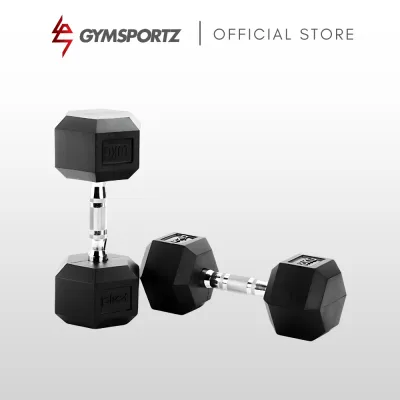
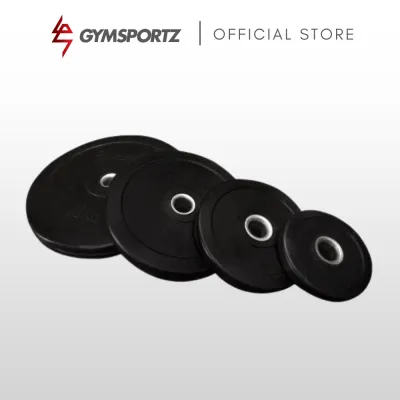
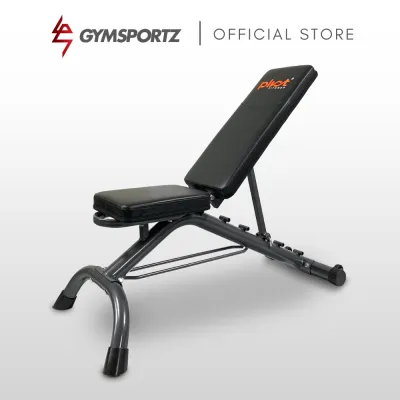
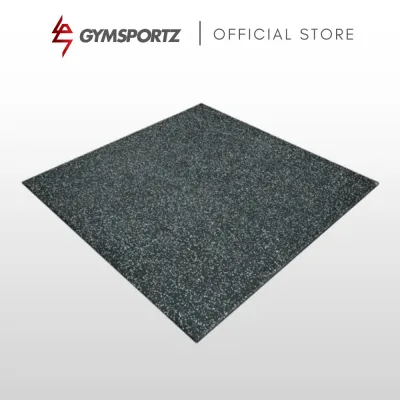
Prices are valid at publication and may change. Please refer to the product page for the latest price.
| Gym Frustration | Physical Limiting Factor | Recommended Accessory |
|---|---|---|
| Torn calluses, painful blisters, or hands slipping off the bar | Hand skin integrity, friction discomfort, or excessive palm sweat | Weightlifting Gloves |
| Lower back fatigue, core instability, or plateaus on heavy compound lifts | Insufficient intra-abdominal pressure or poor spinal bracing cues | Weightlifting Belts |
| Forearm burn, fingers uncurling, or bar slipping during heavy pulls | Flexor digitorum muscle fatigue before the target muscles tire | Lifting Straps |
Identifying the precise failure point prevents you from purchasing gear that masks the wrong issue. For example, wearing gloves will not secure a heavy deadlift if your forearm muscles are completely fatigued, just as a belt will not keep a slippery barbell from rolling out of sweaty palms.
Identify Your Training Bottleneck Before Buying
Equipping yourself with every accessory simultaneously is a common mistake for gym newcomers. Entering the gym fully geared up often creates a false sense of security and can prevent your body from developing foundational stability and grip strength. Accessories should be treated as highly targeted problem solvers rather than a mandatory uniform.

To make an efficient decision, you must isolate the weakest link in your kinetic chain. When a lift fails, ask yourself exactly which muscle group or sensation forced you to drop the weight or cut the set short. This analytical approach keeps your training honest and ensures your accessory purchases directly translate to higher performance.
Is Skin Tear or Discomfort Stopping You?
High-volume dumbbell training, repetitive pull-ups, and heavily knurled barbells can cause severe friction on your palms. In the humid tropical climate of Singapore, sweat acts as a lubricant, causing your hands to slide slightly against the metal during every repetition. This micro-slippage accelerates the formation of painful blisters and deep calluses.
If you find yourself cutting a set of pull-ups or dumbbell rows short not because your back is tired, but because the stinging pain in your palms is unbearable, your skin integrity is the primary bottleneck. Protecting your hands allows you to maintain consistent training volume without waiting days for torn skin to heal.
Is Core Stability Limiting Your Heavy Lifts?
Heavy compound movements like the barbell back squat, deadlift, and overhead press place immense axial loading on your spine. To protect your lower back, your body relies on intra-abdominal pressure—a process where you draw air into your abdomen and brace your core muscles outward, acting like an internal airbag.
When lifting loads exceeding 80% of your one-repetition maximum (1RM), you may feel your lower back rounding or your torso collapsing forward before your legs or hips give out. If you struggle to maintain a rigid, upright torso or feel a distinct lack of tightness in your midsection during heavy sets, core bracing feedback is your primary bottleneck.
Is Your Grip Failing Before Your Target Muscles?
Your hands and forearms are packed with relatively small muscles compared to the massive powerhouses of your posterior chain, such as your latissimus dorsi, glutes, and hamstrings. During heavy pulling movements like Romanian deadlifts or bent-over barbell rows, these large muscle groups can easily handle loads that your fingers cannot support for long durations.
If your forearms burn intensely and your grip begins to slip while your back or hamstrings still feel highly capable of executing more repetitions, your hand strength is limiting your muscular growth. Bypassing this grip bottleneck allows you to stimulate the target muscle groups to true muscular failure.
Gymsportz Weightlifting Gloves: Best for Comfort and Callus Prevention
Weightlifting gloves are designed to act as a protective barrier between your skin and the steel knurling of gym equipment. They are highly versatile tools that excel in general fitness routines, high-volume conditioning workouts, and environments where hand hygiene and comfort are top priorities.
- Best Exercises: Dumbbell chest presses, overhead dumbbell extensions, pull-ups, hanging leg raises, machine-based rows, and moderate-load barbell exercises.
- Benefits: Gloves prevent the friction that causes painful calluses and blisters, absorb palm sweat to maintain a secure hold on metal handles, and provide a hygienic barrier when sharing equipment in public or commercial gyms.
- Limitations: By adding a layer of material around the bar, gloves increase its effective diameter. This makes the bar harder to wrap your fingers around, which can actually decrease your maximum grip strength on heavy deadlifts. They also reduce the tactile feedback needed for highly technical Olympic lifts.
- Selection Criteria: Look for gloves featuring a breathable mesh backing to combat the humid Singapore climate, reinforced double-stitching along high-wear palm areas, and a secure hook-and-loop wrist closure. Choose padding that is dense enough to protect your skin but thin enough to preserve a natural hand closure.
Gymsportz Weightlifting Belts: Best for Core Support on Heavy Compounds
A weightlifting belt is not a passive back support band; it is a rigid wall for your core to push against. When you perform the Valsalva maneuver (inhaling deeply and bracing your abdominal wall), the belt restricts the expansion of your abdomen, dramatically increasing intra-abdominal pressure and stabilizing your spine under heavy loads.
- Best Exercises: Heavy barbell back squats, front squats, conventional and sumo deadlifts, clean and presses, and heavy overhead standing presses.
- Benefits: Belts provide immediate tactile feedback for core bracing, reduce spinal shearing forces under heavy axial loads, and can increase confidence and power output when lifting near-maximal weights.
- Limitations: A belt cannot fix poor lifting mechanics or structural core weakness. If your form is incorrect, a belt will not prevent injury. It is also highly unnecessary for seated machine movements, light isolation work, or exercises where your spine is not loaded.
- Selection Criteria: For general strength training, a 4-inch wide nylon belt with a quick-release buckle offers an excellent balance of comfort and support. If you focus heavily on powerlifting, a uniform 4-inch wide, 10mm to 13mm thick leather belt with a steel prong or lever closure provides maximum rigidity. Tapered belts (wider in the back, narrower in the front) are ideal for Olympic weightlifting as they allow greater hip flexion during cleans and snatches.
Gymsportz Lifting Straps: Best for Overcoming Grip Failure on Pulls
Lifting straps are simple, durable bands of fabric that wrap around your wrists and loop tightly around the barbell or dumbbell. By mechanically locking your hands to the weight, they transfer the load directly to your wrists, allowing you to completely relax your fingers without dropping the bar.
- Best Exercises: Heavy conventional deadlifts, Romanian deadlifts (RDLs), snatch-grip deadlifts, heavy barbell or dumbbell shrugs, dumbbell rows, and high-rep lat pulldowns.
- Benefits: Straps completely eliminate grip strength as a limiting factor, allowing you to train your back, traps, and hamstrings to absolute muscular failure. They are invaluable for breaking through plateaus on pulling movements.
- Limitations: Overusing straps can cause your natural grip strength to atrophy over time, leaving you with weak forearms. They are generally prohibited in raw powerlifting competitions. Safety Warning: Never use lifting straps for pressing movements like the bench press or overhead press; if the bar slips, the strap can trap your hand under the falling weight, causing severe joint damage or fracture.
- Selection Criteria: Cotton straps are soft, comfortable, and easy to break in, making them great for general use. Nylon straps are incredibly durable and slick, which powerlifters prefer for heavy loads, though they can feel harsh on the skin. Look for straps with integrated neoprene padding around the wrist loop to prevent painful chafing under heavy loads.
How to Integrate Accessories Without Losing Raw Strength
To build a balanced, resilient physique, you must use gym accessories strategically rather than relying on them as a permanent crutch. Over-reliance on belts and straps can lead to structural imbalances, where your target muscles grow incredibly strong while your core stabilizers and grip strength remain underdeveloped.
The Warm-Up Rule Always perform your warm-up sets and lighter working sets (anything below 75% to 80% of your 1RM) completely raw—without a belt or straps. This practice forces your core to learn natural bracing patterns and ensures your forearms and hands receive enough stimulus to grow stronger alongside your larger muscle groups. Only deploy your belt or straps when the weight reaches a threshold where your safety or target muscle stimulation is genuinely compromised.
Combining Gear Safely It is entirely appropriate to combine accessories when performing high-intensity, compound movements. For example, during a maximum-effort deadlift set, using both a Gymsportz weightlifting belt and lifting straps allows you to focus 100% of your mental and physical energy on hip extension and spinal rigidity, without worrying about your grip failing or your back rounding. However, when performing lighter accessory work like bicep curls, lateral raises, or leg presses, strip away all accessories to let your body move naturally.
Progression and Adaptation As you transition from a beginner to an intermediate lifter, your accessory needs will evolve. If you started with gloves to protect sensitive skin, consider gradually reducing their use on lighter days to build natural hand calluses, which provide a more secure, tactile grip over time. Conversely, as your squat and deadlift weights climb into multiple plates, introduce a belt systematically to ensure your spine remains protected as you push your physical limits.
Community discussion
Share your experience or ask a question. Comments are reviewed before publication.