
Selecting the right table tennis bat cover is a critical decision for preserving the playing characteristics of your racket. The rubber sheets on a modern table tennis bat are highly sensitive instruments, engineered with precise tackiness and tension to generate spin and speed. Without proper protection, these rubbers quickly degrade due to physical abrasion, dust accumulation, and environmental exposure.
In Singapore’s tropical climate, high relative humidity and rapid temperature shifts between air-conditioned sports halls and outdoor heat accelerate this degradation. Choosing between a hard case, a soft case, and a zippered pouch requires balancing your daily travel routine, storage space, and budget. This guide analyzes each cover type to help you make an informed decision that keeps your racket in peak playing condition.
Quick Answer: Which Table Tennis Bat Cover Fits Your Needs?
Your choice of a table tennis bat cover should align directly with how you transport your gear and where you play. Each design serves a distinct type of player and storage scenario.
Products mentioned in this guide
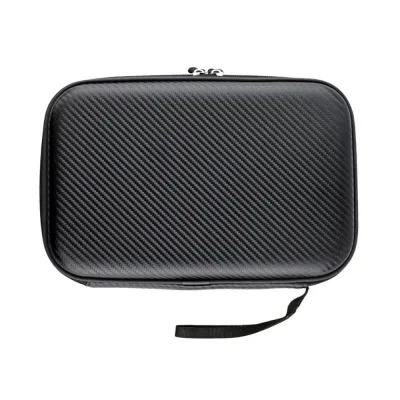
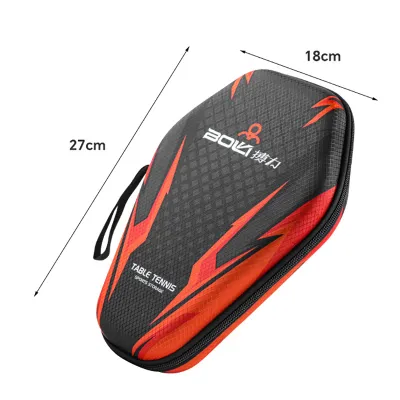
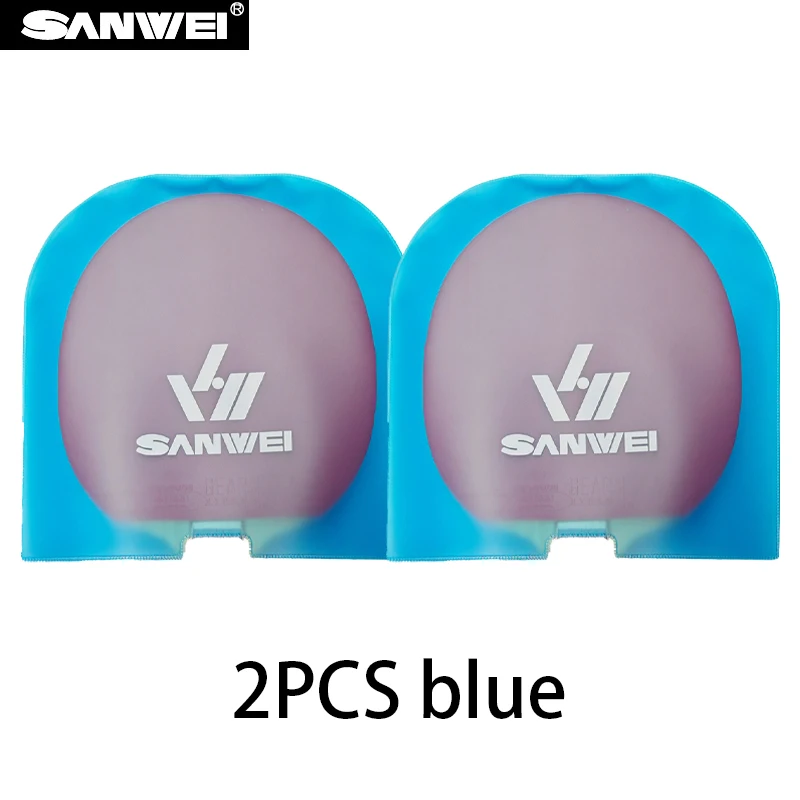
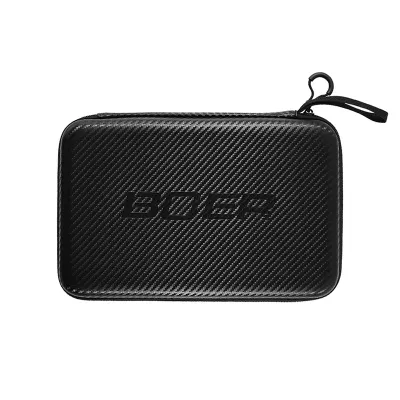
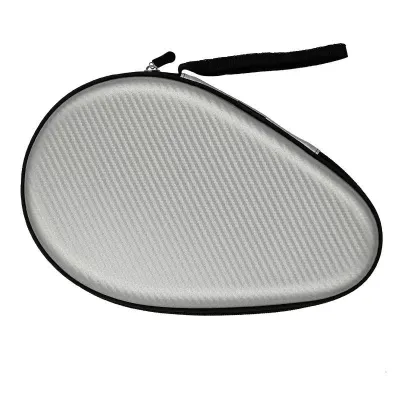
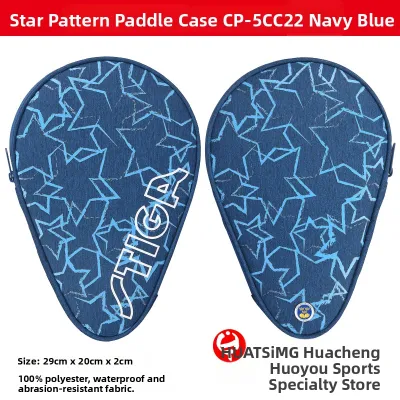
![[Butterfly] Table Tennis Racket RB Protector III 10mm X 46cm & II 8mm/ 10mm/ 12mm X 48cm (New Release)(SG Distributor)](https://img.lazcdn.com/g/p/1681bea80941a58bfba81007a373d420.jpg_400x400q80.jpg_.webp)
Prices are valid at publication and may change. Please refer to the product page for the latest price.
Choose a hard case if you frequently travel with your racket packed inside a crowded sports bag, commute via public transport like the MRT, or use premium, high-tension rubbers that require absolute crush protection. The rigid exterior ensures that heavy water bottles, shoes, or books cannot compress the sponge or damage the wooden blade.
Choose a soft case if you want a practical balance of impact absorption, lightweight portability, and integrated storage. These padded or semi-rigid options are ideal for players who carry extra balls, edge tape, and cleaning accessories in a single, self-contained unit.
Choose a zippered pouch or soft sleeve if your primary goals are minimal bulk and basic scratch protection. These are best suited for home storage, casual play, or rackets that are carried inside a dedicated, padded compartment of a specialized table tennis backpack.
Protection Level: Hard Case vs Soft Case vs Pouch
The primary function of any table tennis bat cover is protection, but the three main design types offer vastly different levels of security against physical impacts and environmental hazards.

Hard Cases: Maximum Crush and Impact Resistance
Hard cases feature a rigid outer shell typically constructed from Ethylene-Vinyl Acetate (EVA) foam or Acrylonitrile Butadiene Styrene (ABS) plastic. These materials do not deform under pressure, making them highly effective at preventing crush damage. If your sports bag is stuffed with heavy gear, or if someone accidentally steps on your bag in a crowded training hall, a hard case distributes the force of the impact away from the racket.
Inside a hard case, the bat is shielded from external punctures. However, because the outer shell is rigid, any empty space inside can allow the racket to slide around. Without an internal divider or a secure fastening strap, the rubber surfaces can rub against the interior lining or against each other, leading to localized wear on the outer edges of the rubber.
Soft Cases: Shock Absorption and Cushioning
Soft cases are constructed from woven synthetic fabrics, such as Oxford nylon or polyester, integrated with thick inner foam padding. This design excels at shock absorption. When a padded soft case is dropped onto a hard floor, the compressible foam layer cushions the blow, reducing the kinetic energy transferred to the wooden blade and preventing fractures along the handle or neck.
Most high-quality soft cases feature dedicated internal dividers or soft, brushed fleece linings. These dividers prevent the rubber sheets from rubbing against other surfaces during transit, preserving the delicate top sheet of the rubber. While they absorb drops exceptionally well, soft cases cannot support heavy loads; constant pressure from heavy objects in a bag will eventually compress the foam and squeeze the racket rubbers.
Pouches and Soft Sleeves: Basic Scratch and Dust Defense
Pouches and soft sleeves are typically made from thin neoprene, polyurethane (PU) leather, or unpadded nylon. Their protective capabilities are limited to preventing surface scratches, dust accumulation, and direct contact with light moisture. They offer virtually zero protection against crush forces, heavy impacts, or sharp objects.
For a high-end custom racket, a simple pouch is rarely sufficient as a standalone travel solution. However, they are highly effective at keeping dust off the rubber when the bat is resting on a bench between matches. Because dust acts as a microscopic abrasive that destroys rubber tackiness, even a thin pouch is significantly better than leaving the racket fully exposed to the air.
Environmental Protection and Climate Factors
Table tennis rubbers are highly susceptible to oxidation, which occurs when the elastomer is exposed to oxygen, heat, and moisture. In tropical environments with high ambient humidity, moisture can settle on the rubber surface, causing it to lose its grip and slip during contact with the ball.
Enclosed hard cases and well-padded soft cases provide a partial barrier against rapid atmospheric changes. When transitioning from a cold, air-conditioned sports complex to hot, humid outdoor conditions, a sealed case slows down the rate of temperature and humidity equalization, reducing condensation on the rubber sheets. Thin pouches do not offer this thermal buffer, leaving the rubbers vulnerable to rapid climate shifts.
Portability, Capacity, and Everyday Convenience
Beyond protection, your daily routine dictates how practical a cover is to carry, open, and store. The physical footprint and storage capacity of each cover type present distinct trade-offs.
Weight and Bulk Dimensions
Hard cases are inherently bulkier and heavier than their soft counterparts. An empty EVA or ABS hard case can weigh between 200 and 400 grams, and its rigid dimensions are fixed. Even when empty, a hard case occupies the same volume in your bag, which can be a significant drawback if you use a smaller daypack for school or work.
In contrast, soft cases are highly flexible. While they still have some structural thickness due to the foam padding, they can compress slightly when packed tightly. Pouches and sleeves represent the ultimate in lightweight portability, often weighing under 50 grams. When you remove your racket to play, a soft pouch can be folded or rolled up and slipped into a pocket, leaving your bench space completely clear.
Storage Capacity for Accessories
Storage needs vary widely depending on whether you carry a dedicated gear bag or prefer to keep all your table tennis essentials in your racket cover.
- Hard Cases: Most hard cases are designed with a molded interior that fits exactly one or two rackets. They rarely have deep pockets. While some models include a small mesh net on one side, this space is usually too shallow for standard table tennis balls without causing the case to bulge or put pressure on the racket rubbers when zipped shut.
- Soft Cases: Soft cases are the most versatile storage solutions. They frequently feature double-compartment designs. One compartment holds the racket securely, while the second compartment contains dedicated molded slots for three to four balls, clean-up accessories like a small cleaning sponge, and edge tape. Some even have exterior zippered pockets for keys, phones, or membership cards.
- Pouches: Pouches are strictly minimalist. They are designed to hold a single racket with a snug fit. Attempting to squeeze a table tennis ball inside a standard pouch is not recommended, as the spherical shape of the ball will press directly into the rubber sheet, leaving a permanent circular indentation in the sponge.
Accessibility During Play
During a tournament or a busy club night, you may need to access your racket quickly between matches. Soft cases and pouches generally utilize lightweight nylon zippers that slide open smoothly, or simple Velcro flaps that can be ripped open in a second.
Hard cases often use heavy-duty, water-resistant zippers that require more effort to navigate around the rigid, curved corners. Some premium hard cases feature mechanical latches or aluminum frames; while incredibly secure, these add extra steps to the process of retrieving or packing away your racket during rapid match changeovers.
Match the Cover to Your Playing Routine
To determine the best cover type for your specific situation, evaluate your playing frequency, transport methods, and equipment value against these typical player profiles.
The Competitive or Traveling Player
If you play in leagues, travel to different clubs, or commute during peak hours on public transport, your equipment is constantly exposed to physical hazards. Your racket is likely a custom configuration featuring high-performance rubbers that are expensive to replace.
- Recommendation: A high-quality hard case is the safest choice. It protects your investment from being crushed in your backpack on a crowded train or bus, and shields it from other heavy sports gear.
The Regular Club Player
If you drive to your local community center or walk to a nearby club, your transit risks are lower. You need a convenient way to carry your playing setup along with the necessary maintenance tools, such as rubber cleaners and sponges.
- Recommendation: A padded soft case with a double compartment is highly practical. It provides sufficient drop protection while keeping your balls, sponge, and racket organized in one easy-to-carry package.
The Casual or Home Player
If you play primarily at home, in an office recreation room, or only occasionally at a local court, your racket spends most of its time sitting in a drawer or on a shelf. The primary threats are dust, pet hair, and accidental spills.
- Recommendation: A simple zippered pouch or soft sleeve is perfectly adequate. It keeps the rubber clean and dust-free without taking up unnecessary space or requiring a significant financial investment.
Decision Framework: Selecting Your Cover
Use this direct routing logic to finalize your choice:
- Choose a Hard Case if: You carry your racket in a tightly packed bag with heavy items, commute on busy public transport, or prioritize maximum structural protection for an expensive custom blade.
- Choose a Soft Case if: You want a lightweight, protective cover that can also hold balls, cleaning accessories, and personal items in organized compartments.
- Choose a Pouch if: You carry your racket in a specialized bag with built-in padded compartments, use your racket mainly at home, or want the absolute lightest and most compact option.
- Neither may fit if: You need to transport more than two rackets and a large volume of training balls; in this scenario, a dedicated table tennis duffle bag or backpack with integrated thermal compartments is required.
Key Features to Verify Before You Buy
Before purchasing any table tennis bat cover, verify these critical physical specifications to ensure compatibility with your equipment and playing habits.
Internal Dimensions and Blade Shape Compatibility
Do not assume that all table tennis rackets fit into every standard cover. While standard offensive shakehand blades typically measure around 157mm by 150mm, other styles vary significantly:
- Defensive Blades: These are often oversized (sometimes up to 165mm by 156mm) to provide a larger sweet spot. They may not fit inside molded hard cases or snug-fitting pouches.
- Penhold Blades: Chinese and Japanese penhold rackets have shorter, thicker handles and different blade geometries. A Japanese penhold racket, with its protruding cork grip, requires a deeper case than a standard shakehand racket.
- Edge Tape: If you use thick foam edge tape to protect your blade's perimeter, it increases the overall width of the racket, which can cause a tight-fitting cover to pinch the rubber edges.
Always measure the total length, width, and thickness of your racket setup and compare them against the internal dimensions provided by the case manufacturer.
Internal Lining and Dividers
Inspect the interior materials of the cover. The lining should be made of a soft, non-abrasive fabric such as microfiber, flannel, or brushed polyester.
If you plan to store two rackets in a single case, ensure there is a thick, padded internal divider flap. Storing two rackets together without a divider allows the rubbers to rub against each other, leading to friction burns, scuffing, and premature degradation of the playing surfaces.
Zipper and Hardware Quality
Because you will open and close your cover multiple times during every playing session, the zipper is the most common point of failure. Look for thick, nylon coil zippers with metal sliders. Double zippers are highly beneficial, as they allow you to open the case from either direction and provide a backup if one slider fails. For soft cases, check that the stitching around the zipper track is reinforced to prevent fraying.
Moisture Management and Airflow
After an intense training session, your racket handle will have absorbed sweat from your hands, and the rubber surfaces may carry trace moisture. Sealing a damp racket immediately into an airtight hard case traps this moisture inside. In warm, humid climates, this creates an ideal breeding ground for mold and mildew on the wooden blade and can cause the wood plies to delaminate over time.
When using any fully enclosed case, make it a habit to wipe down your racket handle and rubbers with a lint-free cloth, and let the racket air-dry in a cool, shaded indoor area for a few minutes before zipping it away for long-term storage.
Frequently Asked Questions (FAQ)
Can I store my table tennis bat in a hard case with the rubbers facing each other?
You can store two bats in a hard case with the rubbers facing each other only if the case contains a thick, padded internal divider or if you use protective rubber sheets. Placing two unprotected rubber faces in direct contact can cause them to stick together, especially in warm or humid conditions. When you pull them apart, the delicate top sheets can tear or degrade. If your case lacks a built-in divider, always apply non-stick plastic or adhesive protective films to both rubber faces before storing them.
Does a bat cover protect the rubber from heat damage?
A bat cover provides only temporary insulation against minor temperature changes, but it cannot protect your racket from prolonged heat exposure. If you leave your racket cover inside a car parked under direct sunlight, or near a window, the internal temperature will rise rapidly. Extreme heat melts the adhesive bonding the rubber to the sponge, warps the wooden blade plies, and permanently degrades the synthetic polymers in the rubber, causing them to lose their elasticity and spin capabilities. Always store your racket in a cool, climate-controlled indoor environment, regardless of the cover type you use.
Community discussion
Share your experience or ask a question. Comments are reviewed before publication.