
Choosing between a hard shell and a soft padding shoulder guard depends on the physical impacts you expect to encounter and the level of mobility your sport demands. Hard shell guards excel at deflecting high-velocity, concentrated collisions in high-contact sports, whereas soft padding offers flexible, lightweight shock absorption for repetitive, lower-force bumps in agility-focused activities. Making the correct choice requires evaluating your sport’s specific collision risks, understanding how different materials manage energy, and assessing how each design affects your range of motion.
To make an informed decision, you must look beyond the visual appearance of protective gear and analyze how the underlying technology interacts with your body. A guard that is too restrictive can hinder your performance and alter your natural biomechanics, potentially leading to secondary strain. Conversely, a guard that lacks sufficient structural resistance can leave you vulnerable to severe impact forces. By comparing the mechanical properties, comfort profiles, and safety standards of both options, you can select a shoulder guard that provides the optimal balance of safety and athletic freedom.
Understanding Impact Protection: Hard Shell vs Soft Padding
To choose the right shoulder guard, you must first understand how different protective structures manage physical forces. Hard shell shoulder guards utilize a rigid outer layer, typically constructed from high-impact polymers or molded plastics. This design operates on the principle of deflection and force distribution. When a sudden, high-velocity blow strikes the rigid surface, the hard shell prevents the force from concentrating on a single, localized area of your shoulder joint or collarbone. Instead, the rigid material spreads the impact energy across a much wider surface area, significantly reducing the risk of localized bone trauma or severe contusions.
Products mentioned in this guide
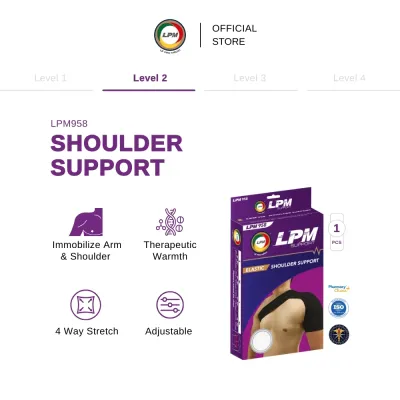
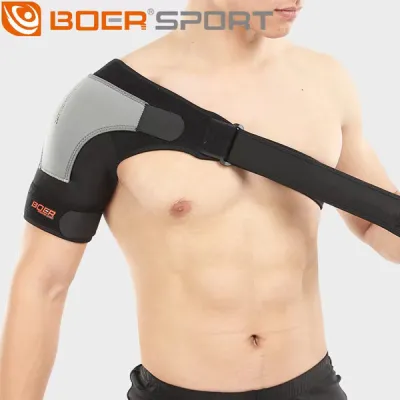
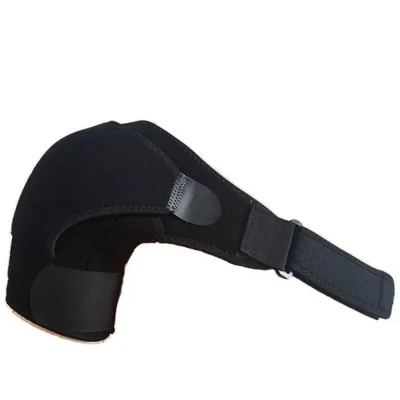
Prices are valid at publication and may change. Please refer to the product page for the latest price.
In contrast, soft padding shoulder guards rely on energy absorption and dissipation. These guards are typically constructed from advanced, flexible foams such as ethylene-vinyl acetate (EVA), polyurethane, or specialized reactive gels that harden momentarily upon impact. Rather than deflecting the blow, the soft padding compresses under force, converting the kinetic energy of the impact into thermal energy or dispersing it through the cellular structure of the foam. This mechanism is highly effective for managing repetitive, lower-force impacts, such as those encountered when sliding on turf, bumping into opponents during low-contact play, or falling onto soft ground. By absorbing these minor forces, soft padding helps minimize muscle fatigue and superficial bruising.
When evaluating these options, it is critical to verify the actual materials used in the construction rather than relying on visual assumptions. Always check the manufacturer’s product specifications and material labels. Look for details regarding the density of the foam, the specific polymer composition of the shell, and any official impact ratings. Understanding these material properties ensures that the guard you select is engineered to handle the specific types of forces you will encounter during play.
Balancing Mobility, Fit, and Comfort Trade-offs
Every piece of protective sports equipment involves a direct trade-off between coverage and freedom of movement. Rigid hard shell plates naturally impose limitations on your shoulder’s range of motion. The shoulder is a highly complex ball-and-socket joint capable of multi-directional movement, including rotation, abduction, and elevation. Because hard shells do not bend, they can restrict extreme overhead movements or rapid arm swings. If your sport requires constant, unrestricted arm extension, a rigid guard might interfere with your natural form, forcing your body to compensate in ways that can strain your neck or back.

Soft padding, on the other hand, conforms closely to the natural contours of your shoulder and moves dynamically with your muscles. The flexible foam panels allow for an almost unrestricted range of motion, making it easier to perform complex, high-speed movements. However, this flexibility comes at the cost of protection against sharp, concentrated impacts. If a heavy, pointed force strikes a soft padded area, the foam may compress completely, allowing a portion of the force to transfer directly to your bone.
Comfort during prolonged physical exertion is another critical factor, particularly in warm and humid environments. In tropical climates, heat retention and sweat accumulation can quickly lead to discomfort, skin chafing, and premature fatigue. Hard shell guards, which often cover larger surface areas with non-breathable plastic, can trap heat and moisture against your skin. To mitigate this, look for designs that incorporate ventilated shells or moisture-wicking fabric liners. Soft padding guards are generally more breathable, especially those utilizing perforated foam or mesh paneling, which allows air to circulate and sweat to evaporate more efficiently.
Additionally, consider the weight distribution of the guard and its long-term impact on your biomechanics. Hard shell guards are inherently heavier due to the density of the rigid polymers and the additional strapping required to keep them secure. Over the course of a long training session or match, this extra mass can contribute to shoulder fatigue, slightly slowing your reaction times and altering your posture. Soft padding guards offer a lightweight alternative that minimizes the physical load on your upper body, allowing you to maintain high energy levels and consistent form throughout your activity.
Matching the Guard to Your Sport and Collision Risk
Selecting the appropriate shoulder guard requires a realistic assessment of your sport’s contact level and environmental hazards. High-collision, high-velocity sports such as rugby, American football, and ice hockey involve frequent, intense physical contact with other players, hard turf, or solid barriers. In these environments, the risk of direct, high-energy impact is exceptionally high. For these activities, a hard shell shoulder guard or a reinforced hybrid design is highly recommended. The rigid outer layer is essential for deflecting the blunt force of a shoulder tackle or a high-speed collision with a wall, protecting vulnerable structures like the acromioclavicular (AC) joint and the clavicle from severe injury.
For repetitive-motion, agility-focused, or limited-contact sports, the protective requirements shift toward flexibility and lightweight comfort. In sports like volleyball, basketball, or mountain biking, the primary risks are minor bumps, falls onto dirt or court surfaces, and repetitive muscle strain. A bulky hard shell guard would severely hinder a basketball player’s shooting form or a volleyball player’s serving motion. In these scenarios, soft padding shoulder guards provide the ideal level of protection. They offer sufficient cushioning to absorb the impact of a fall or a collision with another player while ensuring your shoulders remain completely free to move, rotate, and react quickly.
To help guide your selection, consider this straightforward decision framework:
- Choose a hard shell guard if your sport involves direct, high-velocity collisions with opponents, hard surfaces, or equipment, and your primary goal is to deflect severe, localized impact forces.
- Choose a soft padding guard if your priority is maintaining maximum agility, breathability, and range of motion, and you only need to protect against minor, repetitive bumps, scrapes, or low-impact falls.
- Verify specialized needs if your sport involves mixed risks or if you are recovering from a previous injury. In some cases, a hybrid guard that combines a flexible foam base with small, strategically placed hard inserts over the most vulnerable joints may offer the best compromise. If you require joint stabilization rather than just impact protection, ensure the product is specifically rated as a support or brace rather than a standard protective pad.
Verifying Fit and Safety Specifications Before Use
No matter how advanced the technology behind your shoulder guard is, it cannot protect you effectively if it does not fit correctly. An ill-fitting guard can shift out of position during intense movement, leaving critical areas exposed to impact or causing painful chafing. To ensure a proper fit, begin by taking accurate measurements of your chest, shoulder width, and bicep circumference. Do not rely on your standard clothing size, as protective gear sizing varies significantly between manufacturers. Compare your measurements directly against the specific sizing chart provided by the brand to identify the correct size for your body shape.
Once you have the guard, check the adjustment systems. A high-quality shoulder guard should feature secure, adjustable strap systems—typically made of durable elastic and hook-and-loop fasteners—that allow you to customize the fit. Put the guard on and perform a series of dynamic, overhead movements, such as reaching upward, rotating your arms, and crossing them over your chest. The guard should remain firmly in place without riding up toward your neck or pinching your underarms. If the guard shifts significantly during these movements, adjust the straps or try a different size or model.
Finally, carefully review the product documentation and safety labels before taking the guard onto the field or trail. Check for stated impact standards, intended use cases, and any age or skill level recommendations. It is vital to recognize the limits of your equipment; protective gear is designed to reduce the risk and severity of injuries, but it cannot eliminate them entirely, nor can it replace proper technique, physical conditioning, and sound athletic judgment. If you are recovering from an injury or if the sport’s physical demands exceed the guard’s rated capacity, stop and consult a qualified sports medical professional or coach to ensure you are using the appropriate level of protection.
Frequently Asked Questions (FAQ)
Can I wear a soft padding shoulder guard under a hard shell?
Layering a soft padding shoulder guard under a hard shell is generally not recommended unless the products are designed to be worn together as a modular system. Adding unauthorized layers can restrict blood flow, cause severe skin chafing, and lead to rapid overheating, particularly during intense physical exertion in warm climates. Furthermore, improper layering can alter the fit of the outer hard shell, causing it to sit incorrectly on your shoulders and compromising its ability to deflect and distribute impact forces safely. Always consult the manufacturer’s guidelines to ensure that any combination of protective gear does not void warranties or interfere with the intended articulation of the joints.
How do I know when my shoulder guard needs replacing?
You should regularly inspect your shoulder guard for visible and tactile signs of material degradation to ensure it maintains its protective integrity. For hard shell guards, examine the rigid plates for deep cracks, stress fractures, compromised rivets, or deformed edges; any structural compromise means the shell can no longer safely deflect or distribute impact forces. For soft padding guards, check the foam panels for areas that have become permanently compressed, hardened, or torn. If the foam fails to rebound to its original thickness or feels brittle, its shock-absorbing capabilities are severely diminished, and the guard should be replaced immediately to prevent injury.
Community discussion
Share your experience or ask a question. Comments are reviewed before publication.