
Selecting the correct Hayabusa boxing glove weight is a vital decision for your hand safety and training progress. The ideal weight—measured in ounces (oz)—is not a universal standard. Instead, it depends on your body weight, physical limits, and training type, whether you are focusing on heavy bag work, sparring, pad drills, or competition. Adult training gloves typically range from 10oz to 16oz, with lighter gloves prioritizing speed and heavier options maximizing protection. Before stepping onto the canvas, you must understand how different weights alter punching physics. While proper equipment is essential, it cannot replace technique, conditioning, and coaching. If you experience joint pain or wrist instability, stop training immediately and consult a professional.
How Boxing Glove Weights (Oz) Affect Protection and Speed
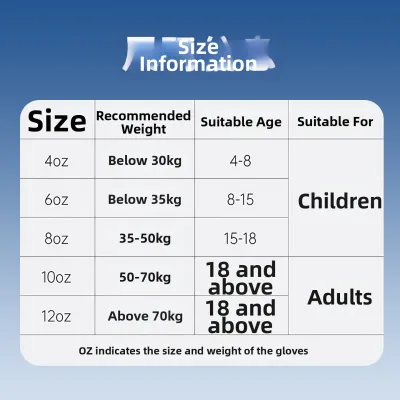
To make an informed decision, you must understand what the “oz” rating on a boxing glove actually represents. The ounce measurement refers to the total physical weight of the glove, which is distributed across the outer shell, the closure system, and the internal padding. It is a common misconception that a higher ounce rating automatically translates to a larger hand compartment. In reality, a 16oz glove and a 12oz glove from the same Hayabusa product line often share a very similar internal fit, but the 16oz version contains significantly more protective foam padding layered over the knuckles.
This weight distribution introduces a fundamental trade-off between shock absorption and athletic performance. Heavier gloves, such as 14oz or 16oz models, provide a thicker barrier of high-density foam that disperses impact energy over a wider surface area. This extra padding is essential for shielding your delicate metacarpal bones and wrist joints from repetitive strain. However, carrying this extra mass requires more muscular effort from your shoulders and arms. Over extended rounds, heavier gloves increase muscular fatigue, which can slow down your hand speed, alter your punching mechanics, and make it more difficult to keep your guard up.
Products mentioned in this guide
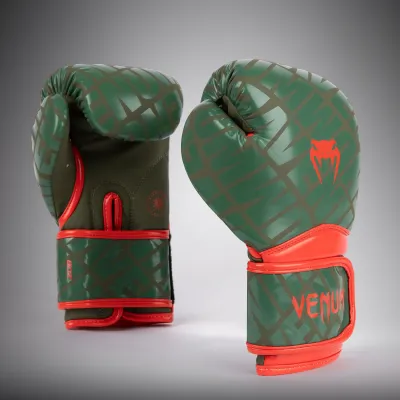
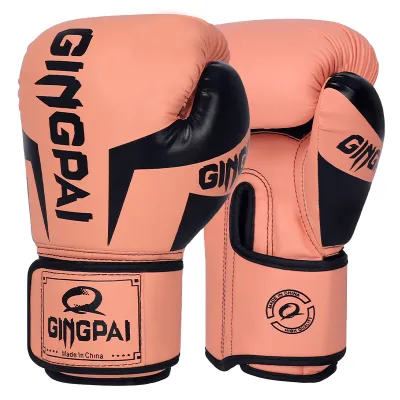
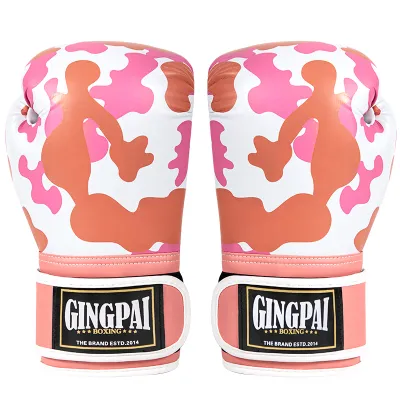
Prices are valid at publication and may change. Please refer to the product page for the latest price.
Conversely, lighter gloves like 10oz or 12oz models allow for rapid hand movement, crisp combinations, and a highly responsive feel upon impact. While these lighter weights are excellent for developing speed and endurance, they offer less cushioning, meaning your hands absorb a greater portion of the shock. Regardless of the glove weight you select, proper hand wrapping remains a non-negotiable safety baseline. Hand wraps secure the small bones in your hands and stabilize your wrists, providing structural support that no glove can fully replicate on its own. Always wrap your hands securely before putting on your gloves to prevent acute fractures and chronic joint wear.
Heavy Bag Work: Balancing Power and Knuckle Protection
Heavy bag training is a high-impact activity characterized by relentless, repetitive force. Unlike sparring partners or soft focus mitts, a heavy bag offers dense, unyielding resistance that tests the structural limits of your hands and wrists with every strike. The primary physical demands of this training type are maximum knuckle protection and robust wrist alignment. Without sufficient padding, the force of your punch can cause the foam inside the glove to bottom out, sending raw impact energy directly into your knuckles and wrist joints.

For most adults engaging in regular heavy bag sessions, the recommended weight range is 12oz to 14oz. This range offers a balanced compromise, providing enough foam to absorb high-velocity impacts while keeping the glove light enough to prevent early shoulder fatigue. However, your individual body weight and natural punching power must guide your final choice. If you weigh over 80 kilograms or possess exceptional punching power, you should opt for 14oz or even 16oz gloves. Harder-hitting individuals generate immense kinetic energy, which quickly degrades thin padding and increases the risk of hand injuries.
When evaluating Hayabusa gloves for heavy bag work, look closely at the specific model’s padding architecture and wrist support systems. Hayabusa is widely recognized for integrating advanced wrist-stabilization technologies, such as dual-strap closure systems and splinted support structures. These features are designed to keep your wrist locked in a neutral, straight alignment, preventing the painful hyperextension or flexion that can occur when striking an unevenly hanging or swaying heavy bag. Ensure the model you choose offers a multi-layered foam matrix that can withstand the daily compression of heavy bag training without prematurely flattening.
Sparring Sessions: Prioritizing Partner Safety and Gym Rules
When you transition from solo bag work to live sparring, your primary safety responsibility shifts from protecting your own hands to protecting your training partner. Sparring is a collaborative learning exercise, not a competitive fight. Because you will be landing punches on another person’s face and body, you must use gloves that are specifically designed to minimize the risk of cuts, bruises, concussions, and facial trauma. This requires a heavier, more compliant glove with a generous distribution of soft, impact-absorbing foam.
The universal standard for adult sparring is a 16oz glove. This weight is mandatory in the vast majority of boxing, Muay Thai, and mixed martial arts gyms across Singapore and the rest of the world. Gym managers and coaches strictly enforce this rule to maintain a safe training environment. Attempting to spar with 12oz or 14oz gloves is highly dangerous for your partner and will likely result in you being barred from the sparring mat. The extra ounces in a 16oz glove ensure that the force of your punches is sufficiently dampened, allowing both you and your partner to practice techniques safely without sustaining unnecessary damage.
Furthermore, the added weight of a 16oz glove places unique physical demands on your body. The extra mass increases the leverage and rotational force acting on your wrists when you throw and land punches. If your sparring gloves lack structural integrity, this added weight can easily strain your wrist joints during long, multi-round sessions. It is crucial to verify that your selected Hayabusa sparring gloves feature a secure, supportive wrist closure that prevents the glove from shifting or bending at the wrist. Proper wrist alignment is vital to ensure that both you and your partner leave the ring free of preventable injuries.
Pad Work and Mitt Drills: Maximizing Speed and Endurance
Pad work and focus mitt drills serve a very different athletic purpose than heavy bag training or sparring. These sessions focus on high-speed combinations, rapid footwork, precise target acquisition, and immediate defensive reactions. Your coach or pad holder relies on your speed and accuracy to guide the flow of the drill, often offering light counter-punches to test your guard. To perform these high-velocity movements effectively, you need a glove that maximizes hand speed and minimizes muscular fatigue.
For adult pad work, lighter gloves in the 10oz to 12oz range are highly recommended. Reducing the weight of your gloves by just a few ounces makes a profound difference in your shoulder endurance during a long, intense workout. Lighter gloves allow you to snap your punches quickly and return your hands to a defensive guard position without fighting the downward pull of excess weight. This helps you maintain proper punching form and technique even in the final rounds of a grueling session, preventing the sloppy mechanics that often lead to injury when fatigue sets in.
Additionally, lighter gloves provide valuable sensory feedback. When you strike a focus mitt with a 10oz or 12oz glove, both you and your coach can feel the clean contact of the knuckles against the pad. This feedback is essential for refining your punching angle and ensuring you are landing with the correct knuckles. However, you should avoid using heavy 16oz sparring gloves for pad work unless you are specifically trying to build shoulder endurance. Using heavy gloves for fast-paced mitt drills can lead to premature muscle failure, sluggish combinations, and a tendency to push your punches rather than snapping them.
Competition Bouts: Meeting Sanctioning Body Regulations
If you plan to transition from training to active competition, you must understand that fight-night gear is subject to strict regulatory oversight. Sanctioning bodies, athletic commissions, and tournament organizers enforce precise rules regarding glove construction, brand approval, and weight. These regulations are designed to ensure a fair, standardized playing field and to protect the health of the competitors. You cannot simply wear your daily training gloves into a sanctioned bout.
In amateur competition, gloves are highly standardized. Many amateur sanctioning bodies require specific glove models that feature distinct design elements, such as a white scoring zone over the knuckles, and they typically mandate a specific weight—often 10oz or 12oz—depending on the fighter’s weight class. Professional bouts, on the other hand, generally utilize even lighter gloves, typically 8oz or 10oz. These competition gloves are engineered with thinner, more compact padding designed to maximize impact transfer rather than absorb it, allowing fighters to deliver maximum force to their opponent.
Because competition gloves feature minimal padding, they carry a strict safety warning: you must never use them for daily heavy bag work or sparring. Training with competition-weight gloves will quickly lead to severe hand fatigue, bruised knuckles, and wrist strain, while posing an extreme danger to your sparring partners. Before purchasing any competition-specific Hayabusa gloves, always consult your head coach and obtain the official rulebook for your specific tournament or sanctioning body. Verifying these requirements beforehand will prevent you from purchasing expensive gear that is ultimately deemed ineligible at the official pre-fight rules check.
The "All-Rounder" Dilemma: Can One Pair Cover All Training Types?
For beginners, casual fitness enthusiasts, or budget-conscious buyers, purchasing multiple pairs of premium boxing gloves can be a significant financial commitment. This often leads to the search for an “all-rounder” glove—a single pair that can handle heavy bag work, pad drills, and occasional sparring. While this approach is highly practical, it requires you to navigate several inevitable compromises, as no single glove weight can perform optimally across all training modalities.
If you are restricted to buying just one pair of gloves, a weight of 12oz or 14oz is typically the most versatile compromise for adults. A 12oz glove is light enough to keep your shoulders from burning during pad work, yet offers enough padding for moderate heavy bag sessions if you wrap your hands thoroughly. However, a 12oz glove is far too light and dangerous for safe, gym-approved sparring. Conversely, a 14oz glove provides excellent hand protection on the bag and may be permitted for light sparring in some gyms, but it will cause your arms to tire quickly during fast-paced focus mitt drills.
To resolve this dilemma, you must prioritize your most frequent training activity. If 90% of your gym time is spent on heavy bag workouts and fitness classes, select a 12oz or 14oz glove optimized for bag work. If you plan to spar regularly, you must accept that a dedicated 16oz sparring glove is a non-negotiable safety requirement. Furthermore, you should strongly avoid using a single pair of gloves for both heavy bag training and sparring. The relentless high-impact force of heavy bag work gradually compresses and degrades the internal foam over time. If you use those same compressed gloves for sparring, the hardened padding will transfer dangerous levels of force to your partner’s face, defeating the safety purpose of a heavier glove.
Frequently Asked Questions (FAQ)
Do heavier Hayabusa gloves make you punch harder?
No, heavier gloves do not increase the destructive force or impact of a punch on your target. This is a common misconception based on the idea that more mass automatically equals more power. In reality, punching power is a product of both mass and acceleration. While a heavier glove adds a small amount of mass to your hand, it also increases aerodynamic drag and accelerates muscle fatigue in your shoulders and arms. This extra weight typically reduces your overall hand speed, which can actually decrease the kinetic energy of your strike.
Furthermore, the primary design purpose of a heavier glove is to house a thicker, more dense layer of shock-absorbing foam. This extra padding is engineered to disperse and absorb the energy of your punch, protecting both your hand and your target. As a result, the actual impact force transferred to a heavy bag or a sparring partner is often softer and more cushioned when using a 16oz glove compared to a lighter, less padded 10oz or 12oz glove. If your goal is to maximize impact transfer, lighter gloves are used, whereas heavier gloves are strictly for protection and safety.
Should I size up my glove weight if I wear thick hand wraps?
You should not automatically increase your glove’s ounce weight (oz) simply because you wear thick hand wraps. It is important to distinguish between a glove’s weight and its internal hand compartment size. The ounce rating of a glove measures the total physical weight of the materials and padding, not the physical dimensions of the hand cavity. Sizing up to a heavier glove to accommodate thick wraps can leave you with an unnecessarily heavy glove that causes premature shoulder fatigue during training.
However, thicker or longer hand wraps do take up more physical space inside the glove’s hand compartment. If you prefer thick, heavily layered wraps, you must verify that the specific Hayabusa model you choose has an internal hand cavity spacious enough to accommodate your wrapped hand comfortably. The glove should fit snugly without cutting off your blood circulation or forcing your fingers into an unnatural, painful curl. If a glove is too tight with your preferred wraps, look for a model known for a wider fit or adjust your wrapping style, rather than altering the ounce weight and compromising your training safety.
Community discussion
Share your experience or ask a question. Comments are reviewed before publication.