
Selecting the ideal overgrip is a highly personal decision that directly impacts your control, comfort, and confidence on the badminton court. The HEAD Super Comp, HEAD Tour, and HEAD Pro overgrips represent three distinct design philosophies, each tailoring thickness, surface texture, and moisture absorption to different playing styles. By understanding how these physical specifications translate to on-court performance, you can choose a model that complements your hand size, sweat levels, and racket feedback preferences. Whether you are looking to cushion your hold or maximize your tactile connection to the racket frame, evaluating these models systematically will elevate your overall playing experience.
What Matters Most: Thickness, Tackiness, and Feel
The thickness of an overgrip determines how clearly you can feel the bevels of your racket handle. A thinner grip allows for precise finger placement and rapid grip transitions, which are essential for defensive play and quick net exchanges. Conversely, a thicker grip provides enhanced shock absorption, reducing the vibrations transmitted to your wrist and elbow during heavy smashes. This added cushioning can prevent fatigue during long training sessions, making thickness a primary consideration for players of all levels.
Tackiness refers to the sticky sensation that helps keep the racket secure in your hand without requiring a tight, tiring squeeze. While high tackiness offers immediate security, it often comes with a trade-off in long-term durability, as dust and sweat can degrade the adhesive feel over time. Players must balance this immediate stickiness against how frequently they are willing to rewrap their handles, as a worn-out tacky grip can quickly become slippery and unpredictable.
Products mentioned in this guide
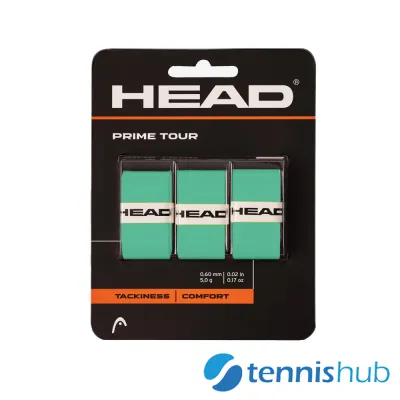
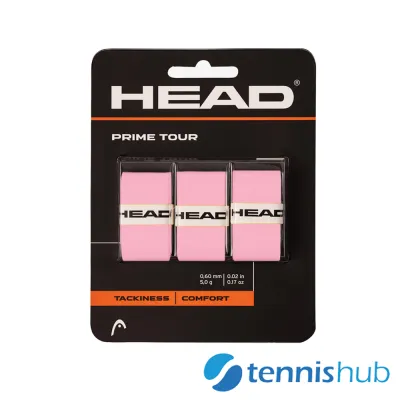
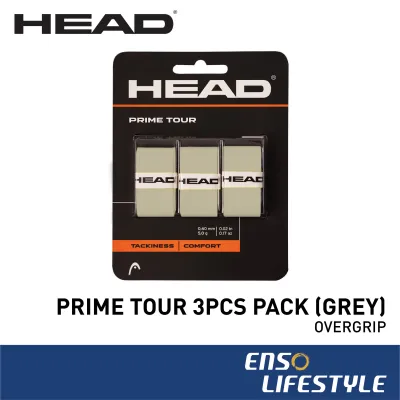
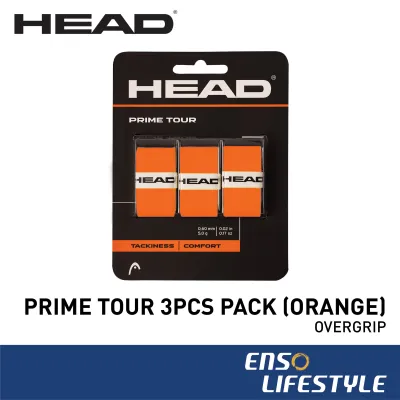
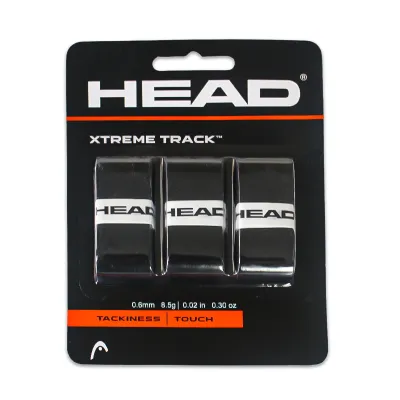
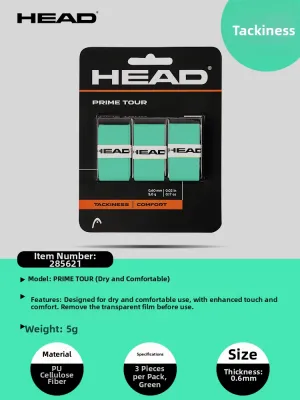
Prices are valid at publication and may change. Please refer to the product page for the latest price.
In Singapore’s hot and humid climate, moisture management is a critical factor for any badminton player. High humidity causes rapid sweat accumulation, which can make a standard grip slick and unstable. Choosing an overgrip with high moisture absorption or a dry-feel polyurethane surface helps maintain a reliable hold even during intense, prolonged rallies. Without proper moisture control, even the most tacky grip can lose its effectiveness within a few games.
HEAD Super Comp: Who Is It For?
The HEAD Super Comp is designed primarily for players who prioritize comfort and a cushioned feel during play. According to the manufacturer’s product labeling, this model features a slightly more substantial construction that helps absorb vibrations from off-center hits. This makes it an excellent option for recreational players or those recovering from minor wrist strain who want to soften their racket’s feedback. The extra padding helps create a more forgiving contact feel, allowing you to play longer with less physical strain.

This model is ideal for players who prefer a slightly thicker grip profile without having to wrap multiple layers of tape. The added thickness helps fill out the hand, which can be beneficial for players with larger hands or those who prefer a more rounded handle shape. It provides a balanced blend of mild tackiness and cushioning that supports a relaxed grip pressure, reducing the likelihood of developing blisters during intense rallies.
When inspecting the packaging, you will notice a smooth, elastic surface texture designed for straightforward installation. The material is formulated to stretch evenly around the handle, allowing you to customize the overlap and thickness to your liking. This user-friendly application makes it a reliable choice for players who want a consistent, comfortable base that performs reliably week after week without requiring advanced wrapping techniques.
HEAD Tour: Who Is It For?
The HEAD Tour overgrip is engineered for competitive players who require a balanced, high-performance feel. Manufacturer specifications typically highlight this model’s ability to deliver a secure, tacky grip while maintaining a moderate thickness profile. It is designed to offer a reliable connection to the racket, ensuring that your hand does not slip during high-velocity swings or sudden direction changes. This balance makes it highly versatile for both singles and doubles players.
This model is highly suited for players who experience moderate to heavy hand sweat and need active moisture management. The polyurethane material is formulated to wick moisture away from the surface, helping to maintain a consistent level of friction throughout your match. If you find yourself playing long sessions in humid local sports halls, the Tour model provides the necessary grip security to keep your shots precise and your racket firmly in control.
In terms of durability, the HEAD Tour is built to withstand the friction of frequent grip adjustments. The material composition is designed to resist tearing and premature wear along the edges where your fingers exert the most pressure. This makes it a practical choice for regular club players who want a dependable grip that does not need to be replaced after every single session, offering excellent value over time.
HEAD Pro: Who Is It For?
The HEAD Pro overgrip is tailored for advanced players who demand maximum racket feedback and precise control. Official specification sheets often highlight its ultra-thin profile, which is engineered to minimize the distance between your hand and the wooden handle bevels. This thinness ensures that you can feel every subtle angle of the racket face, which is crucial for executing delicate drop shots, tight net tumbles, and deceptive cross-court slices.
This model is best suited for players who prefer a highly tacky, responsive feel and are comfortable changing their grips frequently. The high-tack surface provides an immediate, locked-in sensation, allowing you to maintain a loose, relaxed wrist until the exact moment of impact. It is the preferred choice for tournament players who prioritize peak performance and immediate responsiveness over long-term durability.
Because the HEAD Pro is exceptionally thin, it naturally has a faster wear rate compared to its thicker counterparts. The material is designed to deliver maximum performance out of the pack, meaning it may lose its tackiness or show signs of wear more quickly under heavy use. Players choosing this model should expect to replace their grip regularly to maintain its high-performance characteristics and prevent slipping during critical points.
Side-by-Side Specification Comparison
To help you make an informed decision, it is helpful to compare the physical properties of each model side by side. Because manufacturers may update their materials or specifications over time, you should always verify the exact details on the product packaging before purchasing. The table below outlines the general characteristics of each HEAD overgrip model based on official product descriptions and observable physical properties.
| Overgrip Model | Relative Thickness | Surface Texture | Primary Performance Focus | Best Suited For |
|---|---|---|---|---|
| HEAD Super Comp | Medium-Thick | Smooth & Cushioned | Comfort & Shock Absorption | Recreational players seeking a softer feel |
| HEAD Tour | Medium | Tacky & Absorbent | Balanced Grip & Moisture Control | Regular club players in humid conditions |
| HEAD Pro | Ultra-Thin | High-Tack & Responsive | Maximum Feedback & Precision | Advanced players prioritizing bevel feel |
When shopping at local sports retailers, check the back of the packaging for specific indicators regarding thickness (usually measured in millimeters) and tackiness ratings. This physical verification ensures that the grip you select matches your personal preferences for handle size and tactile feedback. Comparing these specifications directly helps eliminate guesswork before you buy.
How to Choose the Right Model for Your Game
Choose the HEAD Super Comp if you prefer a softer, more cushioned handle that dampens vibrations during heavy hitting. This model is excellent if you want to slightly increase your handle size or if you suffer from hand fatigue during long matches. It provides a comfortable, forgiving feel that supports a relaxed playing style, making it ideal for social games and extended practice sessions.
Choose the HEAD Tour if you play regularly in humid conditions and need a reliable balance of tackiness and sweat absorption. This grip is ideal for all-round players who want a secure hold without sacrificing the ability to feel the racket’s bevels. It offers the durability needed to survive multiple intense training sessions, making it a cost-effective choice for active club players.
Choose the HEAD Pro if you are an advanced player who relies on precise finger adjustments and wants the thinnest possible barrier between your hand and the racket. This model is perfect if you want maximum tackiness for quick, explosive shots and do not mind replacing your grip frequently to maintain that fresh, high-performance feel. It is designed for competitive scenarios where every millimeter of control matters.
Verify first if your racket’s base grip is in good condition before applying any of these overgrips. If your base grip is worn down or uneven, it will negatively affect the feel of your new overgrip, regardless of which model you choose. Additionally, check with local sports stores in Singapore to compare current retail prices in S$ and inspect the packaging in person to ensure you are getting the exact specification you desire.
Frequently Asked Questions (FAQ)
How often should I replace my badminton overgrip?
You should replace your overgrip as soon as you notice visible signs of wear, such as peeling edges, discoloration, or a slick, shiny surface. Tactile cues, such as a loss of tackiness or the material feeling hard and dry, also indicate that the grip has lost its performance properties. Your replacement cycle will depend on how often you play, how heavily your hands sweat, and how tightly you wrap the grip. Regular players in humid environments often replace their overgrips every two to four weeks to maintain optimal control.
Can I apply an overgrip directly over the original replacement grip?
Yes, overgrips are specifically designed to be wrapped directly over the original factory replacement grip that comes with your racket. The base grip provides the essential underlying cushion and protects the wooden handle from moisture. You should avoid removing the base grip unless it is severely damaged, rotting, or if you intentionally want to reduce your handle size by using a specialized replacement grip instead. Wrapping an overgrip over a clean, intact base grip ensures the best possible fit and feel.
Community discussion
Share your experience or ask a question. Comments are reviewed before publication.