
To evaluate the insulation performance of a Ho Lim Sui water bottle against established sports bottle brands without relying on subjective marketing claims, you must audit its physical construction and material specifications. When independent laboratory test data is unavailable for a specific brand, thermal performance can be accurately predicted by verifying the presence of key manufacturing standards: double-wall vacuum insulation, 18/8 food-grade stainless steel, and a high-quality, gasket-sealed lid. Premium sports bottles maintain ice-cold temperatures for hours because they prevent heat transfer through these specific physical barriers. Before making a purchase in Singapore, always check the product’s official listing or packaging to confirm these exact specifications rather than relying on generic “keeps cold” advertising.
Key Insulation Specs to Check Before Buying Ho Lim Sui
To understand how a Ho Lim Sui water bottle will perform during a strenuous workout or an outdoor excursion, you must look closely at the engineering details. Not all stainless steel bottles are insulated, and not all insulated bottles are built to the same standard.
Double-Wall Vacuum Construction The most critical factor in thermal retention is double-wall vacuum insulation. This design features an inner and an outer stainless steel vessel welded together, with the air completely vacuumed out of the gap between them. Because a vacuum contains virtually no matter, heat cannot travel across this space via conduction (direct physical contact) or convection (movement of air or liquid). If a specific Ho Lim Sui model uses single-wall construction or a double-wall design that is merely air-insulated rather than vacuum-sealed, it will fail to retain cold temperatures for more than an hour or two in warm environments. Always verify that the product description explicitly states “vacuum insulated.”
Products mentioned in this guide
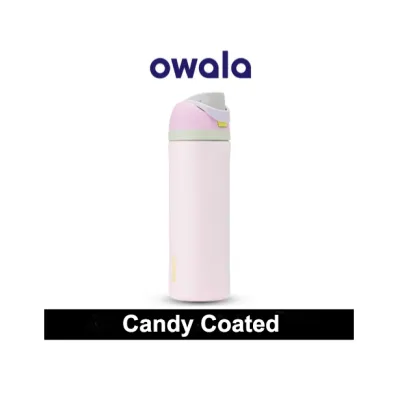
![SG【100% Authentic]】Owala FreeSip 24oz 32oz Insulated Stainless Steel SportsWater Bottle with Straw BPA-Free](https://img.lazcdn.com/g/p/429dfbc4f7f2025b9c34c7db0535c59c.jpg_400x400q80.jpg_.webp)
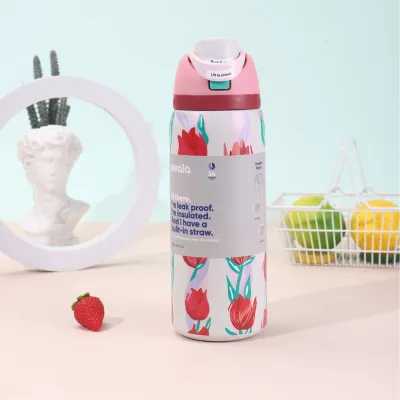
![SG🔥 [100% Authentic] Owala FreeSip Stainless-Steel Insulated Water Bottle Locking Push-Button Lid Owala Water Bottle](https://img.lazcdn.com/g/p/19990a06699e3fb07c0e1506c1705f98.jpg_400x400q80.jpg_.webp)
Prices are valid at publication and may change. Please refer to the product page for the latest price.
18/8 Food-Grade Stainless Steel (SUS304) The material composition of the bottle walls directly affects both durability and thermal integrity. High-quality sports bottles utilize 18/8 stainless steel, which contains 18% chromium and 8% nickel. This alloy is highly resistant to rust and corrosion, which is vital if you plan to fill your bottle with acidic sports drinks, electrolyte powders, or amino acid supplements. Cheaper metals can degrade over time, leading to microscopic leaks in the vacuum seal and leaving a metallic taste in your water. Confirming the use of SUS304 or 18/8 stainless steel ensures the bottle remains safe, taste-neutral, and structurally sound enough to protect its vacuum barrier.
Lid Engineering and Thermal Seals While the vacuum-insulated body prevents heat transfer through the sides of the bottle, the lid remains the primary point of thermal vulnerability. Plastic and silicone do not insulate as effectively as a vacuum barrier, and heat naturally rises and escapes through the top. A standard, insulated screw-on cap provides the tightest thermal seal because it contains a thick core of insulating material and a heavy-duty silicone gasket. Conversely, convenient sports lids—such as straw lids, flip-tops, and quick-release caps—introduce air pathways and thinner plastic barriers. While these sports lids offer superior convenience during rapid workouts, they allow faster heat exchange than a solid screw cap.
Exterior Finishes and Copper Linings Premium insulated bottles often feature advanced construction details that further enhance temperature control. Some manufacturers apply a thin layer of copper plating to the exterior of the inner stainless steel wall. This copper layer acts as a reflective shield, bouncing radiant heat away from the cold liquid inside. Additionally, look for a high-quality powder-coated exterior finish. While powder coating does not directly change the internal liquid temperature, it prevents the bottle from “sweating” in humid conditions and provides a non-slip grip when your hands are covered in sweat or chalk during training.
How Ho Lim Sui Stacks Up Against Premium Sports Bottles
When comparing Ho Lim Sui to industry-leading sports bottle brands, you must evaluate how theoretical insulation claims translate into real-world performance, durability, and usability.

Stated Thermal Claims vs. Real-World Performance Many sports bottle brands advertise impressive insulation metrics, such as keeping liquids “cold for 24 hours and hot for 12 hours.” It is important to recognize that these tests are typically conducted in climate-controlled laboratories where the bottle remains completely sealed and undisturbed. In real-world conditions—such as during a long run or a gym session—you will open the bottle repeatedly. Every time the lid is removed or the straw is opened, warm ambient air enters the bottle, and cold air escapes, rapidly degrading the internal temperature. When comparing Ho Lim Sui to premium competitors, look at their official temperature retention ratings as a baseline, but expect the actual cold duration to be shorter during active use.
Weight, Portability, and Carrying Methods There is a direct physical trade-off between thermal performance and bottle weight. To achieve superior insulation, a bottle requires thicker stainless steel walls and a robust vacuum gap, which inherently increases the weight of the empty container. For stationary gym workouts or desk use, a heavier, highly insulated bottle is perfectly fine. However, if your sport involves trail running, long-distance cycling, or backpacking, every extra gram matters. A heavy bottle can become a burden when carried in a running vest or mounted on a lightweight bicycle frame. You must decide whether maximum temperature retention or lightweight portability is more critical for your specific training style.
Durability, Impact Resistance, and Vacuum Integrity Sports bottles are subjected to harsh treatment, including drops on concrete, impacts against gym equipment, and rough handling in transit. The structural integrity of the vacuum seal is highly sensitive to physical damage. If a bottle is dropped and suffers a severe dent, the outer stainless steel wall can bend inward until it touches the inner wall. This physical contact creates a “thermal bridge,” allowing heat to conduct directly into the bottle and permanently ruining its insulation capabilities. When evaluating Ho Lim Sui against premium brands, examine the design of the base. Bottles with reinforced bottoms, thicker steel, or compatibility with protective silicone boots are far more likely to survive drops without losing their vacuum insulation.
Mouth Width and Cleaning Maintenance The physical dimensions of the bottle opening affect both thermal efficiency and hygiene. A narrow-mouth bottle has a smaller surface area at the top, which minimizes heat transfer and keeps liquids cold for longer. However, narrow openings make it extremely difficult to insert large ice cubes and perform thorough cleaning. If you regularly mix sports drinks, BCAAs, or protein powders in your bottle, a wide-mouth design is highly recommended. Wide-mouth bottles allow for easy scrubbing with a bottle brush to prevent mold and bacterial growth, though they do sacrifice a small amount of insulation performance compared to narrow-mouth alternatives.
Matching Insulation to Singapore's Climate and Your Workouts
To make the best purchasing decision, you must consider how a water bottle’s insulation properties interact with the specific environmental and training conditions you face in Singapore.
High Heat, Humidity, and Condensation Management Singapore’s tropical climate, characterized by high temperatures and relative humidity levels that frequently exceed 80%, places extreme demands on water bottles. In this environment, keeping your hydration ice-cold is almost always the primary objective, while hot liquid retention is rarely a priority. If a bottle lacks proper vacuum insulation, the temperature differential between the cold water inside and the humid air outside will cause rapid condensation, or “sweating,” on the exterior. This moisture can ruin items in your gym bag, make the bottle incredibly slippery to hold during high-intensity training, and leave puddles on gym floors. A high-performing vacuum-insulated bottle prevents condensation entirely, keeping the exterior dry and secure in your hand.
Indoor Air-Conditioned Gyms vs. Outdoor Trails Your training venue dictates the level of insulation performance you actually require. If your workouts take place primarily in air-conditioned fitness centers or indoor bouldering gyms, the ambient temperature is controlled, and a basic insulated bottle will easily keep your water cool for the duration of your session. However, if you are running at MacRitchie Reservoir, cycling along East Coast Park, or hiking through Bukit Timah Nature Reserve, your bottle will be exposed to direct sunlight and intense ambient heat. For these outdoor activities, you require maximum thermal retention, a highly durable exterior that can withstand UV exposure, and a bottle that can accommodate plenty of ice to combat the tropical heat.
Hydration Volume and Thermal Mass The volume of liquid you carry plays a significant role in how long it stays cold. Thermodynamically, a larger volume of cold water has a higher thermal mass, meaning it requires a greater transfer of heat energy to raise its temperature compared to a smaller volume. A 1-litre bottle filled with cold water and ice will maintain its temperature significantly longer than a 500ml bottle under the same conditions. However, you must balance this thermal benefit against the physical effort of carrying a larger, heavier bottle. Choose a size that provides enough hydration for your workout duration so that you can finish the water before the ice completely melts in the local heat.
Decision Framework: Which Bottle Fits Your Training Needs?
To help you choose the right hydration gear for your fitness routine, use this structured decision framework to match your specific training requirements with the correct bottle design.
Choose Ho Lim Sui if: The specific model you are looking at features a confirmed double-wall vacuum construction, fits your budget in SGD, and offers a lid design that matches your sport. For example, if you need a cost-effective, insulated bottle with a quick-access straw lid for spinning classes or gym workouts, and you do not require extreme multi-day thermal performance, this option provides excellent everyday value.
Choose an Established Premium Brand if: You require guaranteed, third-party-verified temperature retention for long outdoor expeditions, multi-day hiking trips, or extreme environments. Premium brands are also the better choice if you want the security of a comprehensive, long-term manufacturer warranty that covers vacuum failure, or if you need highly specialized accessories like integrated water filters or heavy-duty mounting brackets.
Choose a Single-Wall or Tritan Bottle if: Your primary sport is trail running, fast-packing, or long-distance road running where carrying weight is your absolute highest priority. In these high-exertion activities, the heavy steel walls of an insulated bottle are a major disadvantage. A lightweight, single-wall metal bottle or a flexible, BPA-free plastic bottle is much easier to carry in a running vest, and thermal retention is sacrificed for athletic efficiency.
Verify First if: The product listing or packaging for the Ho Lim Sui bottle lacks clear, explicit specifications regarding “double-wall vacuum insulation” or “18/8 (SUS304) stainless steel.” Never assume a bottle is insulated based solely on its metallic appearance, brand name, or generic marketing terms. If the specifications are not clearly stated, contact the manufacturer or retailer to verify the construction before making your purchase.
Frequently Asked Questions (FAQ)
Does putting a sports bottle in the fridge improve its insulation?
Pre-chilling an empty insulated bottle in the refrigerator can slightly extend cold retention by lowering the initial temperature of the inner steel wall, preventing it from warming up your cold water when filled. However, this practice does not improve or alter the physical vacuum insulation itself. You must never place a sealed, liquid-filled stainless steel bottle in the freezer; as water freezes, it expands with immense force, which can warp the steel, permanently rupture the vacuum seal, and ruin the bottle.
How can I test if my water bottle's vacuum insulation is broken?
You can easily check the integrity of your bottle’s vacuum seal using a simple hot water test. Carefully fill the bottle with hot water—do not use boiling water to avoid thermal shock or burn risks—and wait for approximately five minutes without putting the lid on. Feel the exterior of the bottle; if the outer wall feels hot to the touch, the vacuum seal is broken, allowing heat to conduct directly through the walls. Always handle hot liquids with extreme care during this test.
Are straw lids worse for insulation than screw-on caps?
Yes, straw lids and flip-top sports caps generally allow more heat transfer than fully sealed, insulated screw-on caps. Sports lids feature thinner plastic walls and open air pathways that allow external heat to bypass the bottle’s thermal barrier. However, for active sports like cycling or running where quick, one-handed hydration is essential for safety and performance, the minor loss in temperature retention is a highly practical and worthwhile trade-off.
Community discussion
Share your experience or ask a question. Comments are reviewed before publication.