
When you throw a knuckle punch, your hand is subjected to immense kinetic energy. The weight of your boxing glove, measured in ounces (oz), directly dictates how much of that impact energy is absorbed before it reaches your delicate hand bones. While heavier gloves generally offer more protective padding, choosing the correct glove weight is not as simple as buying the largest size available. True knuckle safety depends on a delicate balance of glove weight, padding construction, hand size, and proper striking technique.
What the "Ounce" (oz) Spec Actually Means for Your Gloves
Many beginners step into a boxing gym assuming that an ounce rating refers exclusively to the thickness of the foam over their knuckles. In reality, the “oz” specification represents the total physical weight of the entire glove. When you hold a 14oz glove, you are holding 14 ounces of combined materials distributed across several distinct components.
The weight of a boxing glove is divided among the outer shell, the inner lining, the wrist closure system, and the internal padding. The outer shell, typically constructed from genuine leather or durable synthetic polyurethane, contributes a fixed portion of the weight. Beneath this shell lies the moisture-wicking inner lining, designed to manage sweat in humid tropical climates, and the wrist support structure, which may feature heavy hook-and-loop velcro straps or traditional laces.
Products mentioned in this guide
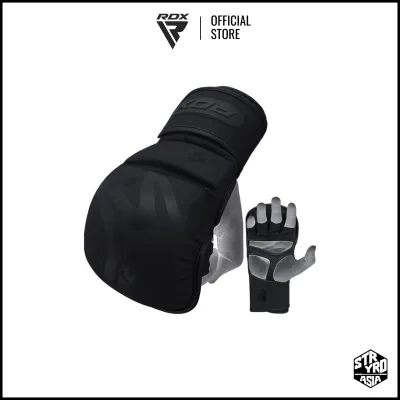
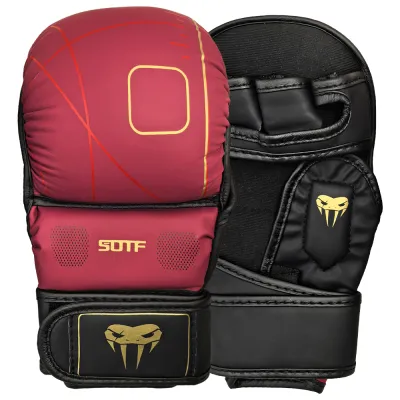
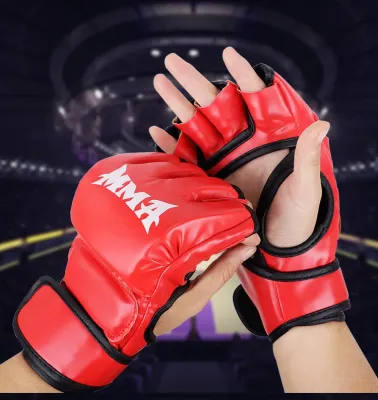
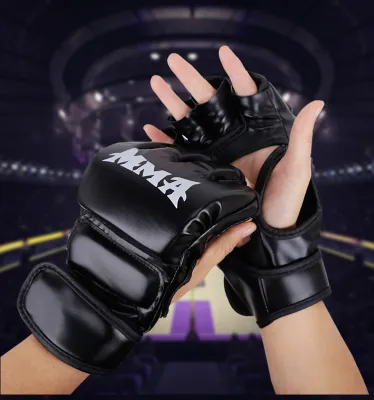
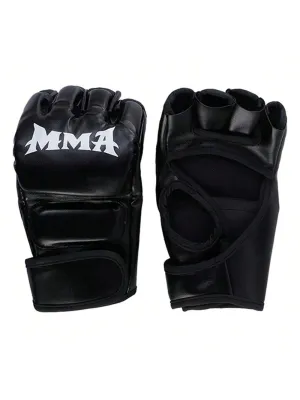
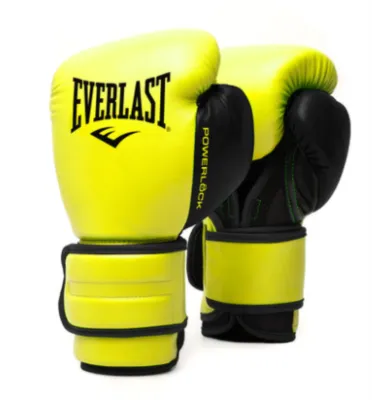
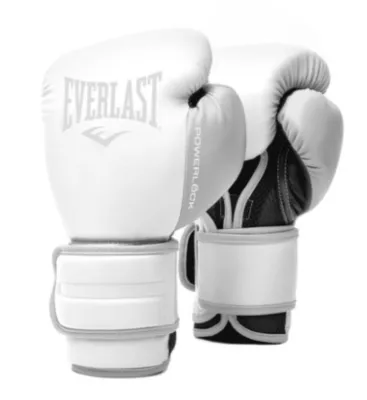
Prices are valid at publication and may change. Please refer to the product page for the latest price.
The remaining weight consists of the shock-absorbing padding. While a higher ounce rating generally correlates with a larger volume of padding, it does not automatically guarantee superior impact absorption. A glove’s protective capability is heavily influenced by the density and layering of its internal foam, rather than its total physical weight alone. Two gloves of the exact same weight can perform completely differently depending on how their internal materials are engineered to distribute force.
Knuckle Protection Across Common Glove Weights
Selecting the right glove weight requires matching the equipment to your specific training activity, body weight, and skill level. Using the wrong weight can lead to chronic joint pain, acute knuckle bruising, or accelerated shoulder fatigue.

8oz – 10oz: Competition and Light Bag Work
Gloves weighing 8oz or 10oz feature minimal padding, engineered primarily to maximize hand speed and provide immediate tactile feedback. Because the foam layer is exceptionally thin, these gloves allow fighters to feel the exact point of contact during a knuckle punch. However, this minimal barrier creates a high risk of knuckle bruising or joint injury if used on dense heavy bags.
The thin foam in lightweight gloves can easily bottom out under high force, transferring the residual impact directly into your metacarpals. Consequently, these weights are strictly reserved for professional competition, light technical shadowboxing, or highly controlled precision drills on soft focus mitts. They should not be used for daily training or heavy bag workouts.
12oz – 14oz: General Training and Pad Work
The 12oz to 14oz range serves as the versatile middle ground for most commercial gym members and fitness enthusiasts. This weight class offers a practical compromise, providing sufficient foam density to protect your knuckles during moderate-impact workouts while remaining light enough to prevent premature shoulder fatigue.
For pad work and focus mitt training, 12oz gloves are highly favored because they deliver clear feedback to both the striker and the trainer without excessive bulk. If you are an average-sized adult looking for a single pair of gloves to handle both mitt work and moderate heavy bag sessions, 14oz gloves provide a safer, more protective baseline. They offer the necessary cushioning to absorb repetitive impacts without overly slowing down your hand speed.
16oz+: Heavy Bag and Sparring
When you transition to high-impact heavy bag training or live sparring, 16oz (and sometimes 18oz) gloves become mandatory. The increased volume of foam in these heavier gloves is specifically engineered to absorb maximum kinetic energy, protecting your knuckles from the punishing resistance of a heavy bag and shielding your sparring partner from severe impact.
While the extra mass of a 16oz glove is excellent for building shoulder endurance and conditioning, it introduces distinct physical demands. The added weight increases the rotational force on your wrists if your alignment is off. To prevent injury, you must maintain strict punching form and ensure your wrist remains perfectly straight upon impact.
Why Heavier Gloves Don't Always Mean Safer Knuckles
It is a common misconception that simply buying the heaviest glove available guarantees maximum safety. The “bigger is better” philosophy ignores critical mechanical and material realities that can actually compromise your hand health.
First, padding density is far more important than mere volume. A poorly manufactured 16oz glove filled with cheap, single-layer, low-density foam will offer significantly less knuckle protection than a premium, well-engineered 14oz glove utilizing multi-layered high-density foam. When low-quality foam compresses fully under a hard knuckle punch, it bottoms out, allowing your knuckles to collide with the hard surface of the target.
Second, the physical fit of the glove plays a vital role in preventing injury. If a heavy glove is too loose for your hand, your fist will shift inside the internal cavity during a strike. This shifting can cause your knuckles to slide off the sweet spot of the padding, striking the hard interior seams or misaligning your wrist upon impact.
Finally, all foam padding suffers from degradation over time, a phenomenon known as compression set. As you repeatedly strike targets, the microscopic cells within the foam rupture and lose their ability to rebound. A heavily used, bottomed-out glove—even one that still weighs 16 ounces—will transfer almost the entire force of your punch directly into your hand, rendering the weight rating irrelevant.
Essential Gear and Technique for True Knuckle Protection
No boxing glove, regardless of its weight or brand, can act as a substitute for proper training, correct striking technique, and essential hand preparation. Protective gear is designed to assist, not replace, sound physical mechanics.
- Hand Wraps: Hand wraps are your absolute primary line of defense. While glove padding absorbs surface shock, hand wraps physically compress and secure the 27 small bones in your hand and wrist, preventing them from splaying or fracturing under pressure. You must never skip wrapping your hands, even if your gloves feature thick, premium padding.
- Punching Technique: Your knuckle punch must always land correctly to distribute force safely. Aim to make contact using the knuckles of your index and middle fingers, which are supported by the largest, strongest bones of your wrist and forearm. Striking with the weaker ring or pinky knuckles frequently results in painful fractures, regardless of how heavy your gloves are.
- Inspection and Replacement: Regularly inspect your gear to ensure it remains safe to use. Press firmly on the knuckle area of your gloves; if you can easily feel the shape of your fingers through the foam, or if the padding feels brittle and hard, the foam has degraded. When gloves lose their resilience, they must be retired immediately to prevent chronic joint damage.
Frequently Asked Questions (FAQ)
Is a 16oz glove always better for knuckle protection than a 14oz glove?
No. While a 16oz glove generally contains more padding, a high-quality 14oz glove constructed with advanced multi-layered foam will offer superior knuckle protection compared to a cheap, poorly designed 16oz glove. Fit is also crucial; if a 16oz glove is too large, your hand will slide inside, increasing the risk of joint misalignment and impact injuries.
Can I skip hand wraps if my gloves have thick padding?
Absolutely not. Glove padding is designed solely to absorb external shock and protect the skin and surface joints of your knuckles. Hand wraps serve a completely different, structural purpose: they bind the bones of your hand together to prevent skeletal shifting, hyperextension, and fractures under intense kinetic force.
Community discussion
Share your experience or ask a question. Comments are reviewed before publication.