
Starting your tennis journey is an exciting step, but carrying your gear to the court shouldn’t feel like a chore. For most beginners, a tennis backpack with one to two racket slots is the ideal choice. This capacity provides enough space to secure your primary racket—and perhaps a backup—while leaving ample room for balls, shoes, and personal items. Choosing the right bag is not just about counting slots; it is about understanding how your playing frequency, local climate, and daily routine dictate your storage needs.
Assess Your Playing Frequency and Gear Load
Evaluating how often you plan to play is the first step in determining the right bag capacity. If you are a casual weekend player who hits the court once a week, your gear requirements will be relatively minimal. You will likely only need to carry a single racket, a fresh can of tennis balls, and a water bottle. For this routine, a compact backpack is highly efficient, keeping your load light and manageable.
However, if you transition to playing multiple times a week, your gear list will expand. Regular play requires carrying dedicated court shoes to prevent wear on your everyday sneakers, spare apparel for changing after a sweaty session, towels, and extra overgrips. Visualizing this complete gear load helps you understand that racket slots are only one part of the storage equation; the volume of the main compartment is equally critical.
Products mentioned in this guide
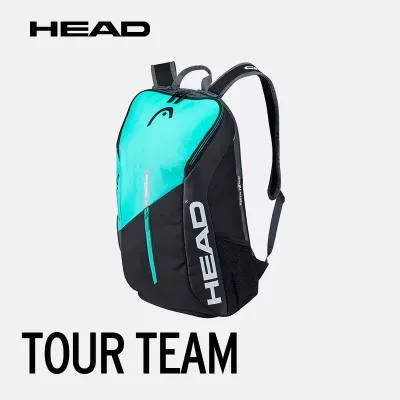
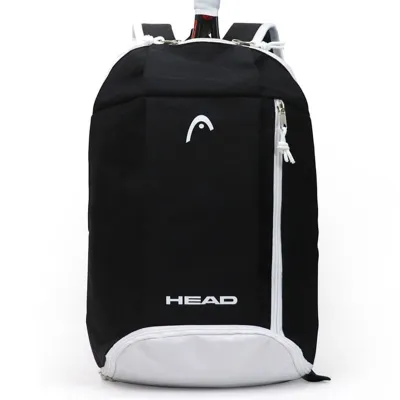
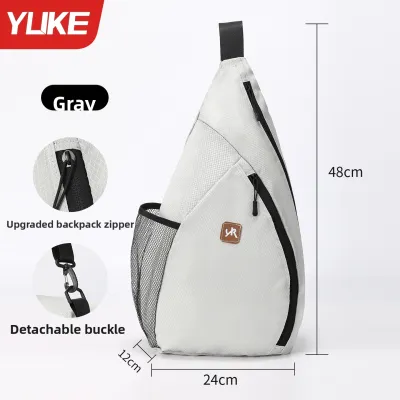
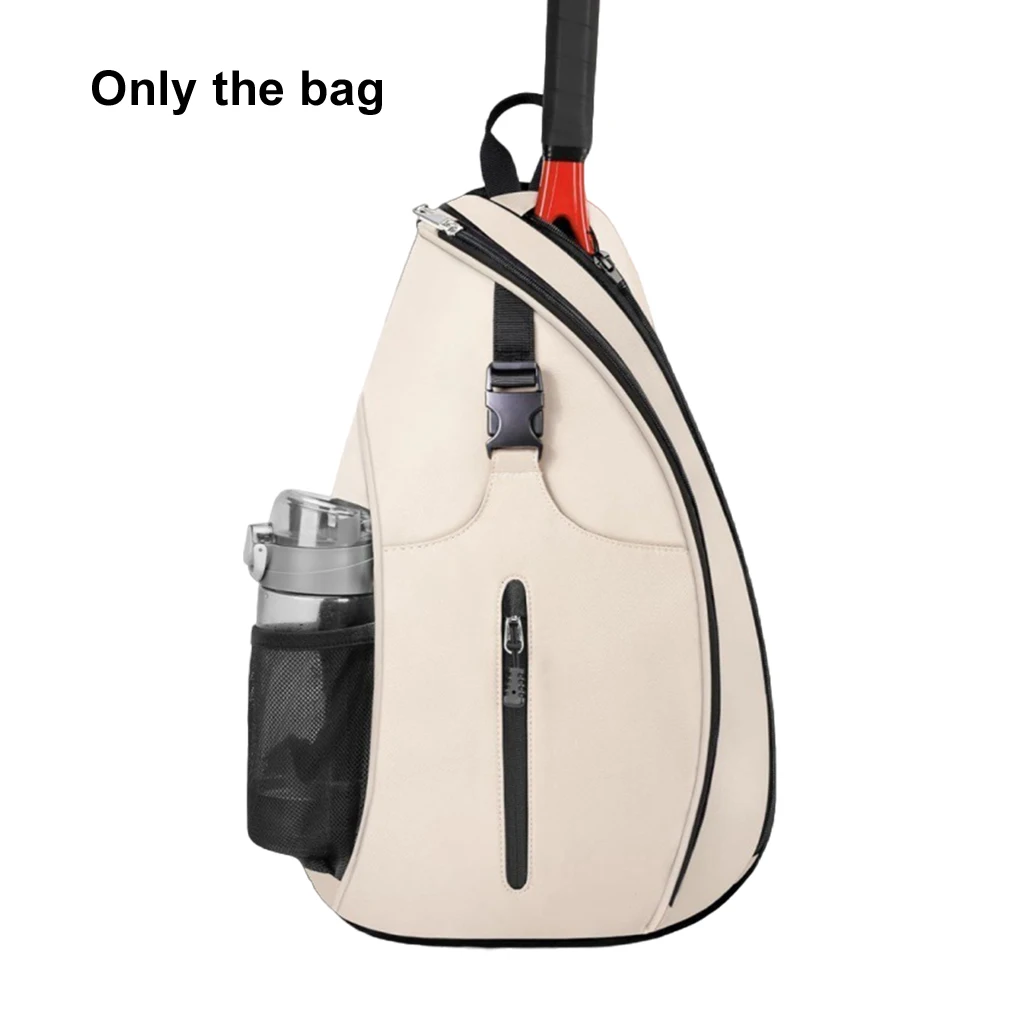
Prices are valid at publication and may change. Please refer to the product page for the latest price.
It is also important to distinguish between a standard daily commuter backpack and a dedicated tennis backpack. Standard backpacks lack the structural support required to hold a top-heavy tennis racket securely. Dedicated tennis backpacks feature angled racket compartments, specialized zippers that stay closed under pressure, and protective padding to prevent the racket frame from rubbing against other items or your back. Investing in a sport-specific design ensures your equipment remains secure and undamaged during transit.
Decoding Racket Compartments: 1, 2, or 3+ Slots?
A single-racket backpack is highly streamlined and perfect for players who prefer to travel light. These bags are ideal for those who commute to the courts via public transport, bicycle, or foot, as they maintain a slim profile. The primary limitation is the lack of redundancy; if your racket strings break during a match, you will not have a backup readily available.

A two-racket backpack represents the versatile sweet spot for most beginners. Even if you only own one racket initially, the second slot provides room to grow as your skills develop and you invest in a backup frame. When you are only carrying one racket, the secondary slot can be repurposed to store clean apparel, a towel, or flat accessories, keeping them separated from the rest of your gear.
Bags with three or more racket slots, such as larger duffels or tour-style bags, are generally unnecessary for beginners. These larger options are designed for competitive players who carry multiple rackets with different string tensions or those who need to pack extensive gear for weekend tournaments. Carrying an oversized, half-empty bag can feel awkward, as the lack of internal volume support causes the bag to sag and sit uncomfortably on your shoulders.
In Singapore’s hot and humid climate, protecting your equipment from environmental factors is another crucial consideration. High temperatures can cause racket strings to lose tension quickly and can even affect the structural integrity of the frame over time. When selecting a bag, check the manufacturer’s specifications to verify if the racket compartments feature thermal lining, as you should not assume all slots are insulated by default.
Key Features to Look for in a Men's Tennis Backpack
Because tennis rackets are top-heavy, carrying them can create an uneven load distribution on your back. To ensure comfort, look for a backpack with wide, ergonomically shaped shoulder straps and a chest strap to help distribute the weight evenly across your torso. A mesh back ventilation panel is also highly beneficial, as it promotes airflow and keeps you cool during warm commutes to the court.
Another essential feature is a dedicated, ventilated shoe compartment. Court shoes naturally accumulate clay, hard-court dust, and sweat during play. Keeping them isolated in a separate pocket prevents dirt and odor from transferring to your clean clothes, towels, and grip accessories, ensuring the main compartment remains clean and fresh.
Accessory organization is equally important for keeping track of small, easily lost items. Look for a backpack that includes dedicated exterior zippered pockets and internal mesh organizers. These compartments are perfect for storing overgrips, dampeners, keys, wallets, and phone chargers, saving you from having to rummage through the bottom of a deep main compartment.
Finally, perform a thorough durability check before making your purchase. Inspect the quality of the zippers, as they undergo significant stress when holding rackets in place. Look for heavy-duty, self-locking zippers and water-resistant base materials. Checking the thickness of the bottom panel and the reinforcement of the strap stitching via product specifications or in-store examination will ensure the bag lasts through seasons of regular use.
Making the Final Decision: Matching Bag Size to Your Routine
When making your final decision, match the bag’s size directly to your transportation routine and storage space. If you commute via public transport or ride a motorcycle, a compact one-to-two racket backpack is highly recommended to keep your profile slim and agile. If you drive to the courts and have ample trunk space, you have more flexibility to choose a slightly larger bag that accommodates extra gear.
Before finalizing your purchase, it is highly beneficial to test the bag with your actual equipment if possible. If you are purchasing online, simulate the load by placing your rackets, shoes, and water bottle inside a bag of similar dimensions to ensure everything fits comfortably without straining the seams. This step helps prevent the disappointment of buying a bag that is either too cramped or unnecessarily bulky.
Your budget allocation strategy should prioritize structural support, strap comfort, and smart organization over paying a premium for excessive racket slots. A high-quality, comfortable two-racket backpack will serve you far better than a cheaper, larger bag that lacks proper padding and durability. Focus on finding a bag that fits your current routine while allowing just enough room for your skills and gear to grow.
Frequently Asked Questions (FAQ)
Can I use a regular hiking or laptop backpack for tennis?
While you can use a standard backpack as a temporary solution when first trying out the sport, it is not ideal for regular use. Standard backpacks lack dedicated racket compartments, meaning the racket handle will stick out of the main zipper, causing the zipper to slide open and exposing your gear to the elements. They also lack specialized features like ventilated shoe compartments and thermal lining to protect your strings from heat.
Furthermore, standard backpacks do not distribute the weight of a top-heavy racket correctly, which can cause the bag to sag and strain your shoulders. If you are committed to playing tennis regularly, investing in a dedicated tennis backpack is highly recommended for comfort and equipment protection.
How should I clean and maintain my tennis backpack?
To keep your tennis backpack in top condition, start by completely emptying all compartments after every session. Shake out any loose clay, court debris, or lint from tennis balls that may have accumulated at the bottom of the pockets. This simple step prevents dirt from grinding into the fabric over time.
Wipe down both the interior and exterior surfaces with a damp microfiber cloth and a mild soap solution if necessary, making sure to check the manufacturer’s care label first for any specific washing restrictions. Always allow the bag to air-dry fully open in a shaded, well-ventilated indoor area, avoiding direct sunlight which can degrade the synthetic fabrics and thermal linings.

Community discussion
Share your experience or ask a question. Comments are reviewed before publication.