
Choosing the right racket bag capacity is a practical decision that directly impacts your comfort, gear lifespan, and overall court experience. The ideal bag size depends on your playing frequency, the number of backup frames you carry, and the secondary gear required for your sessions. A bag that is too small forces you to cram items together, risking damage to your rackets and straining zippers. Conversely, a bag that is too large becomes an unnecessary burden to transport, particularly when navigating public transit or crowded spaces.
To find the perfect fit, you must look beyond marketing numbers and analyze how you actually use your equipment. Balancing your physical storage needs with your daily commuting habits ensures you select a bag that supports your game without adding unnecessary bulk.
Decoding Racket Bag Capacities: What the Pack Numbers Actually Mean
Racket bags are universally categorized by “pack” sizes, such as 3-pack, 6-pack, 9-pack, 12-pack, or 15-pack. However, these industry-standard numbers can be highly misleading for first-time buyers. The designated pack number represents the absolute maximum number of bare, unshielded rackets that can be squeezed into the main compartments. It does not account for rackets stored in individual protective covers, nor does it assume you are carrying any other gear.
Products mentioned in this guide
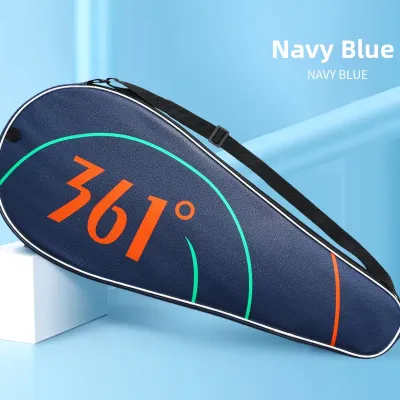
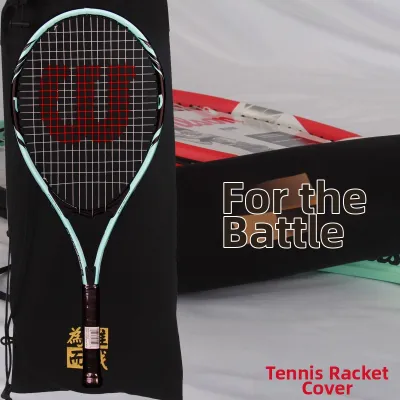
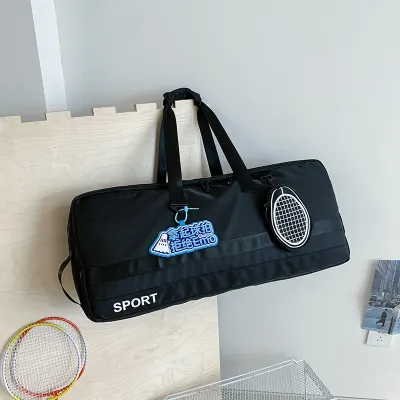
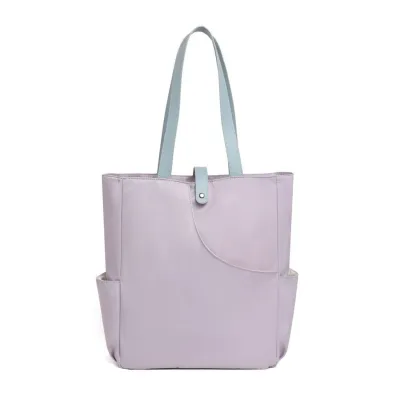
![[SG Local Stocks] Yonex 75th Anniversary BA31WLTDEX Badminton Tennis Sports Bag - Spacious Stylish and Durable](https://img.lazcdn.com/g/p/0211b959db1fe00e01f06cfdbc19a63f.jpg_400x400q80.jpg_.webp)
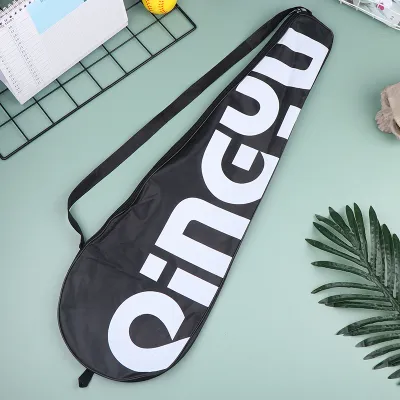
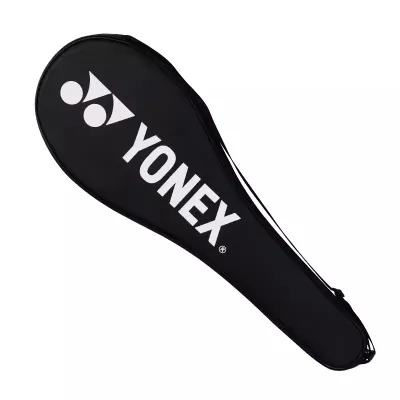
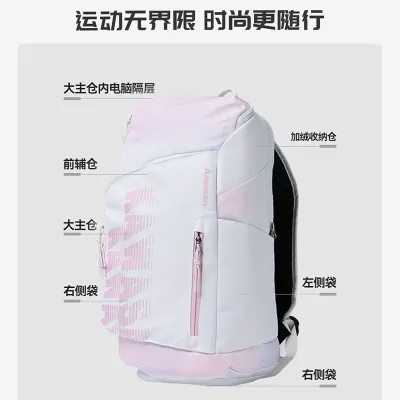
Prices are valid at publication and may change. Please refer to the product page for the latest price.
In practice, if you purchase a 3-pack bag, filling it with three rackets leaves virtually zero room for a water bottle, a can of balls, or a spare towel. The actual usable space is heavily dictated by the bag’s physical shape, the presence of external utility pockets, and the thickness of the internal dividers. A structured bag with rigid side panels may offer less flexibility but superior protection, whereas a soft-sided duffel bag might stretch to accommodate extra items at the expense of gear safety.
To get an accurate assessment of a bag’s true volume, you should look for the manufacturer’s capacity rating in liters (L) alongside the pack number. A standard racket backpack typically ranges from 20 to 30 liters, a 6-pack bag averages 45 to 60 liters, and tournament-grade 12-pack bags often exceed 80 liters. Checking these volume specifications on the product label provides a much clearer picture of whether the bag can handle your complete gear list.
Matching Bag Size to Your Player Profile and Gear Load
Every player has a distinct gear footprint that evolves with their skill level and playing frequency. Aligning your bag capacity with your specific player profile prevents you from carrying a massive, half-empty tournament bag or struggling with an overstuffed backpack.

Casual and Beginner Players (1 to 3 Rackets)
Recreational players who head to the court once or twice a week generally require minimal equipment. For this group, a specialized racket backpack or a compact 3-pack bag is highly recommended. These designs are streamlined, lightweight, and exceptionally easy to carry, making them ideal for players commuting via public transport or riding a bicycle to local courts.
A typical gear load for a beginner includes one or two rackets, a single water bottle, a small towel, a tube of balls, and personal items like keys and a phone. Racket backpacks are particularly efficient because they position the racket handles vertically, keeping the overall profile narrow. This prevents you from accidentally bumping into other passengers on busy trains or buses. The focus here is on simplicity and quick mobility, allowing you to transition from work or school to the court with minimal fuss.
Intermediate and Club Players (4 to 6 Rackets)
As you transition to regular club play or league matches, your equipment requirements naturally expand. Intermediate players often carry two to three rackets to ensure they have an immediate backup if a string breaks mid-match. Consequently, a 6-pack bag is the industry sweet spot for this level of play, offering a balanced compromise between storage capacity and physical portability.
A 6-pack bag typically features two main compartments, allowing you to dedicate one side entirely to your rackets and the other to your supporting gear. This expanded gear load commonly includes court shoes, a fresh change of clothes, extra overgrips, wristbands, and a larger hydration bottle. At this stage, choosing a bag with a dedicated shoe compartment and separate accessory pockets is highly beneficial. These features keep your clean apparel isolated from dirty, clay-covered shoes and prevent small items like vibration dampeners from getting lost in larger compartments.
Advanced and Tournament Players (9 to 15 Rackets)
Competitive tournament players and advanced club members require maximum storage capacity to sustain long days of match play. For these players, a 9-pack, 12-pack, or 15-pack tour-style bag is practically mandatory. These high-capacity bags are designed to accommodate four or more rackets, ensuring multiple identical frames are strung at different tensions to match varying weather conditions or court speeds.
Beyond a large collection of rackets, the tournament gear list is extensive. It often includes multiple pairs of court shoes, several changes of athletic clothing, specialized recovery tools, extra string reels, grip tape, and comprehensive nutrition supplies such as energy bars and electrolyte powders. Carrying this heavy load requires a bag with exceptional structural integrity. Look for models featuring heavy-duty, padded shoulder straps with chest clips for balanced weight distribution, reinforced base panels to prevent sagging, and rigid outer shells that protect your valuable frames from external impacts.
Beyond Rackets: Planning for Shoes, Accessories, and Singapore's Climate
When selecting a racket bag, focusing solely on the number of rackets you own is a common pitfall. Secondary items, particularly court shoes and bulky apparel, consume a disproportionate amount of physical space. A pair of tennis shoes alone can easily occupy the equivalent volume of three rackets. If you plan to carry your shoes inside your bag, you must automatically scale up your capacity requirements by at least one tier—for example, moving from a 3-pack to a 6-pack bag.
Local environmental factors play a massive role in bag selection, especially in Singapore’s hot and humid tropical climate. High humidity levels exceeding 80% create a breeding ground for bacteria, mold, and unpleasant odors. To combat this, it is essential to choose a bag featuring dedicated, ventilated shoe and wet-dry compartments. These mesh-lined ventilation ports allow air to circulate freely, helping damp shirts, sweaty socks, and court shoes dry out during your commute home rather than festering in a sealed environment.
Furthermore, extreme heat can severely compromise your equipment. Leaving your bag exposed to direct sunlight on outdoor courts or inside a hot car trunk can cause the synthetic strings on your rackets to lose tension rapidly, rendering them mushy and unresponsive. Prolonged heat exposure can also weaken the structural resins within graphite frames and cause grip adhesives to degrade. To safeguard your investment, look for premium bags equipped with thermal-lined compartments. These specialized interior linings, often utilizing metallic thermal barriers, help regulate the internal temperature and shield your rackets from external heat spikes. Always verify these specific lining and ventilation features on the product label or manufacturer specifications before purchasing, as generic material descriptions do not guarantee active climate protection.
Common Capacity Mistakes to Avoid When Choosing Your Bag
Selecting the wrong bag capacity often leads to premature wear on your gear or daily frustration on the court. One frequent mistake is purchasing an excessively large bag “just in case.” While having extra space sounds convenient, a half-empty 12-pack bag allows your rackets to shift, slide, and clash against one another during transit. This constant friction can chip the paint, damage the grommets, and even cause structural micro-fractures in the graphite frames. Additionally, oversized bags are heavy and highly cumbersome to carry on public transport or store in compact home spaces.
On the other hand, buying a bag that is too small presents its own set of structural risks. Forcing zippers shut over bulging gear places immense tension on the seams and zipper teeth, leading to split tracks and broken pulls. When a bag is overstuffed, racket handles often protrude from partially open compartments, exposing them directly to sudden tropical downpours and accidental scrapes against walls or doorways.
Finally, many players overlook the importance of internal organization, focusing entirely on total volume. A massive single-compartment duffel bag might hold all your gear, but without dedicated dividers, small essential accessories like keys, wallets, extra grips, and dampeners will inevitably sink to the bottom. This forces you to empty the entire contents of your bag on the court just to find a single small item. Prioritize bags that offer a thoughtful mix of large gear chambers and small, fleece-lined or mesh zippered utility pockets.
Frequently Asked Questions (FAQ)
Can I use a regular backpack instead of a dedicated racket bag?
While a standard school or travel backpack can technically hold one or two rackets, it is not designed to protect specialized sports equipment. Standard backpacks lack the elongated compartments required to cover the entire racket, leaving the fragile handles exposed to dirt, moisture, and impact. Furthermore, they do not feature thermal linings to protect strings from heat degradation or ventilated pockets to isolate sweaty clothes and dirty court shoes. Using a standard backpack is acceptable for occasional, highly casual play, but regular players should invest in a dedicated racket backpack or bag to preserve their gear and maintain proper court hygiene.
Does a larger racket bag always mean better protection for my rackets?
No, a larger bag does not automatically guarantee superior protection for your equipment. If a high-capacity bag lacks structured padding, internal dividers, or secure fastening straps, your rackets will simply slide around and collide with each other inside the empty space. True protection is a function of the bag’s structural design, including high-density foam padding, rigid outer shells, and thermal-lined compartments. When evaluating a bag’s protective capabilities, ignore the overall size and closely inspect the quality of the padding, the stiffness of the side walls, and the presence of dedicated, padded dividers within the racket compartments.
Community discussion
Share your experience or ask a question. Comments are reviewed before publication.