
To fit a foldable walking pad into a typical Singapore HDB flat, you must plan for two distinct footprints: the active operational space and the folded storage space. For safe operation, expect to allocate a clear floor area of approximately 1.5 to 1.8 meters in length and 0.7 to 0.9 meters in width. However, because HDB layouts prioritize space efficiency, you cannot rely on generic estimates. You must verify the exact manufacturer specifications for your chosen model’s length, width, and height before purchasing.
Beyond the physical frame of the machine, safety clearance is non-negotiable. You need at least 0.5 meters of open space on both sides and at least 1 to 1.5 meters of clear space behind the walking pad. This rear buffer is critical; if you lose your balance or need to dismount quickly, an obstacle directly behind the belt can cause serious fall injuries. Additionally, ensure there is enough overhead and side clearance for natural arm swinging and comfortable mounting.
How to Measure Your HDB Flat for Delivery and Use
Before ordering your equipment, consider the delivery path. HDB corridors, lift doors, and internal entryways can present tight angles, especially in older estates. Measure the width and height of your main entrance door, bedroom doors, and the lift lobby access points. A walking pad might be foldable, but it often arrives in a large, heavy, non-bendable box. Ensuring the box can clear your doorway prevents delivery-day headaches.
Products mentioned in this guide
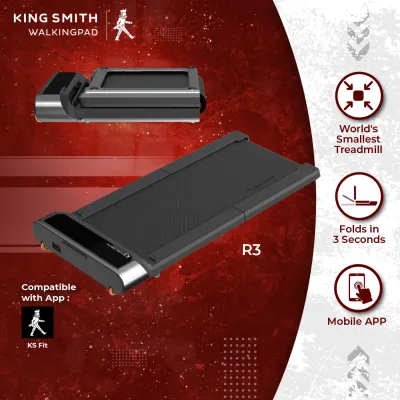
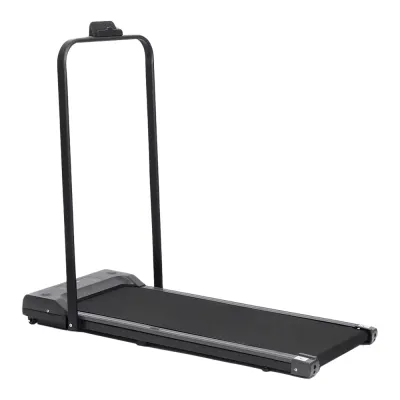
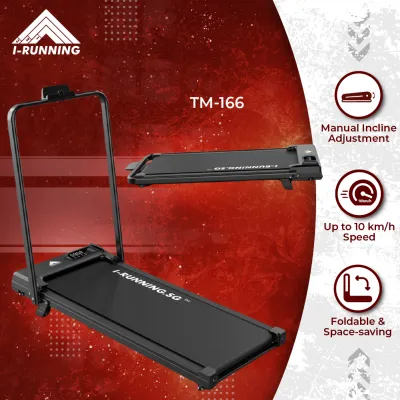
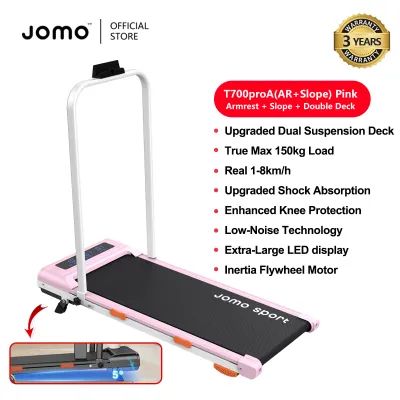
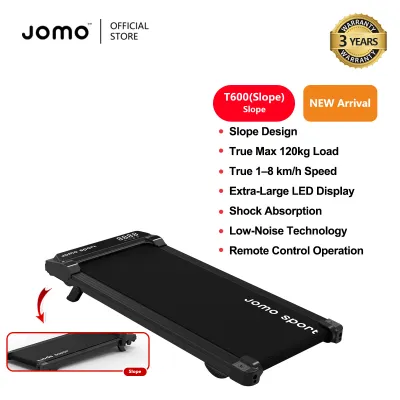
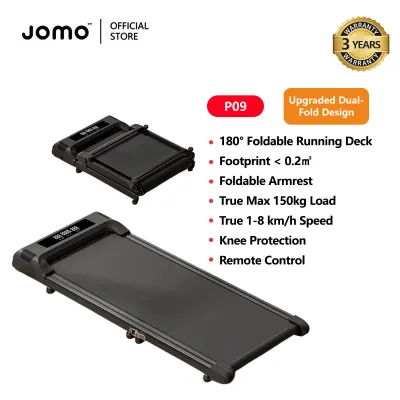
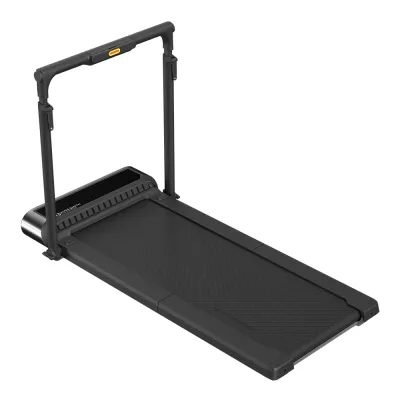
Prices are valid at publication and may change. Please refer to the product page for the latest price.
Next, map out the active zone in your home. Use masking tape to outline the unfolded dimensions of the walking pad on your floor. This physical template helps you visualize how much walkway space is lost during a workout. Ensure this temporary zone does not intersect with high-traffic paths, such as the route to the bathroom or kitchen, to prevent collisions with other household members.
Finally, locate your power source. Walking pads require a stable, grounded electrical connection. Measure the distance from your planned workout spot to the nearest wall outlet. Avoid using thin household extension cords, which can overheat under the electrical load of a treadmill motor. If the manufacturer’s cord is short, position the machine closer to the wall socket while maintaining the required rear safety clearance.
Decoding Folded vs. Unfolded Dimensions
Unfolded dimensions dictate your workout comfort. The key metric here is the belt size, which must match your physical height and walking stride. A taller individual with a longer stride will naturally require a longer walking belt to avoid stepping off the front or rear rollers. If the belt is too narrow, you may find yourself constantly adjusting your steps, which increases the risk of tripping.

Folded dimensions determine where the machine lives when not in use. Foldable walking pads generally fall into two design categories: flat-folding and upright-folding. Flat-folding models fold completely flat, making them ideal for sliding horizontally under low furniture. Upright-folding models fold in half or feature a folding handrail, allowing them to stand vertically against a wall or inside a utility closet.
Do not make the mistake of looking only at the main frame dimensions. Always account for protruding components. Control knobs, safety keys, handrails, transport wheels, and power cord inlets can add several centimeters to the overall thickness or width. Check the manufacturer’s detailed diagram to ensure these small protrusions do not prevent the unit from sliding into a tight storage slot.
Practical Placement and Storage Ideas for HDB Rooms
In the living room, positioning is all about balancing entertainment and accessibility. Placing the walking pad facing a television or a window can make your indoor walks more engaging. However, you must ensure the setup does not block access to your balcony, sliding doors, or the main seating area. When you finish your session, fold the unit immediately to restore the living room’s open feel.
For bedroom storage, flat-folding models are highly popular but require careful verification. Measure the exact clearance height from your bedroom floor to the lowest support beam of your bed frame. Do not measure from the side rail alone, as center support legs or mattress sag under weight can significantly reduce the actual clearance. If your bed frame sits low, you may need to consider alternative storage locations.
If you work from home, a multi-purpose setup in a study or flex room is an excellent option. Pairing a compact walking pad with a height-adjustable standing desk allows you to walk while attending virtual meetings or reading documents. Ensure your standing desk has sufficient width between its legs to accommodate the walking pad’s frame, and verify that the desk can raise high enough to clear both your height and the height of the walking pad platform.
Critical Space and Safety Mistakes to Avoid
Ventilation is a critical factor that many HDB dwellers overlook. The electric motor of a walking pad generates heat during operation. If you place the motor housing too close to a wall, heavy curtains, or inside an enclosed corner, heat can trap quickly, leading to premature motor wear or automatic thermal shutdown. Always leave a few centimeters of breathing room around the motor cover to allow proper airflow, especially in Singapore’s humid climate.
Floor protection is another essential consideration. The weight of the machine combined with the impact of your steps can damage delicate flooring materials like vinyl, laminate, or polished marble. Placing a high-density rubber equipment mat under the walking pad helps distribute the weight, dampens operational noise, and prevents the machine from sliding or scratching the floor. This is a small investment that protects your home’s interior finishes.
Lastly, never compromise on emergency egress. It can be tempting to store your walking pad in the household shelter or along the main hallway. However, blocking these pathways can create dangerous obstacles during an emergency. Ensure that both the active and stored positions of your walking pad keep all primary exit routes completely clear.
Frequently Asked Questions (FAQ)
Can I store the walking pad upright against a wall?
You should only store a walking pad vertically if the manufacturer has explicitly designed and certified the model for upright storage. Many flat-folding models lack the structural support or balancing feet required to stand safely on end. If your model is rated for vertical storage, always use the built-in locking mechanisms or safety straps to secure it to the wall, preventing it from tipping over if bumped by children or pets.
Will the walking pad fit under a standard bed frame?
Whether a walking pad fits under your bed depends entirely on the bed’s clearance and the machine’s folded thickness. Measure the vertical gap from the floor to the lowest structural bar of your bed frame. Keep in mind that some bed frames have center support legs that divide the under-bed space. Compare this clearance against the folded height of the walking pad, ensuring you leave at least a two-centimeter buffer to slide the machine in and out without scratching your floor or the bed frame.
Community discussion
Share your experience or ask a question. Comments are reviewed before publication.