
Oasis offers competitive double-wall vacuum insulation that performs similarly to other premium sports bottles on the market. However, the actual temperature retention you experience during a workout, hike, or daily commute depends less on the brand name on the exterior and more on structural variables like lid design, bottle volume, and how you use and maintain the bottle. While Oasis provides a reliable baseline for keeping drinks cold or hot, understanding how its design elements stack up against competitors is key to choosing the right hydration companion for your specific activities.
When you are exercising in a warm, humid climate like Singapore’s, having access to cold water can make a significant difference in your comfort. Oasis water bottles have gained popularity as a reliable option for keeping beverages cold during outdoor runs, gym sessions, or daily commutes. However, when compared to other major sports bottle brands, the differences in insulation performance are rarely about proprietary secrets. Instead, they come down to the physics of vacuum seals, lid construction, and how you use the bottle.
Oasis utilizes double-wall vacuum insulation, which is the industry standard for premium reusable bottles. This technology is highly effective at slowing down heat transfer, keeping your drinks cold for hours even when exposed to tropical heat. Yet, to determine if Oasis is the right choice for your hydration needs, you must look beyond the brand logo. Comparing how different lid styles, bottle sizes, and materials perform under real-world conditions will help you make an informed decision.
Products mentioned in this guide
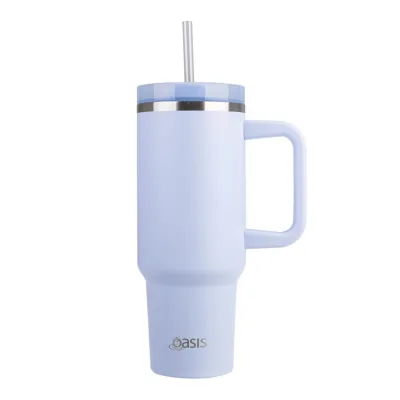
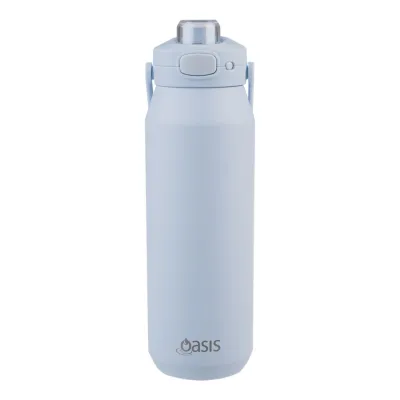
Prices are valid at publication and may change. Please refer to the product page for the latest price.
The Mechanics of Sports Bottle Insulation
To understand how Oasis compares to other sports bottles, it helps to look at the underlying science of thermal retention. The primary mechanism behind any high-performing insulated bottle is double-wall vacuum construction. These bottles are built with an inner and an outer stainless steel container, with the air evacuated from the space between them during manufacturing. Because a vacuum contains no air molecules, it virtually eliminates heat transfer by conduction and convection. This leaves radiation as the only path for heat to travel, which is often minimized by reflective coatings on the inner wall.
While the vacuum body does the heavy lifting, the lid is the most vulnerable point for thermal loss. Unlike the double-walled metal body, most lids are made of plastic or silicone, which do not offer the same level of thermal resistance. Every time you open the bottle, or even when it remains closed, heat slowly transfers through the cap. A poorly insulated lid or one with a thin plastic barrier can significantly reduce the overall temperature retention of the bottle, regardless of how well-engineered the metal body is.
The materials used in construction also play a vital role in both durability and insulation longevity. Most premium sports bottles, including Oasis, are crafted from food-grade 18/8 stainless steel. This material is highly resistant to rust, does not retain flavors, and is robust enough to withstand the physical demands of sports. However, the thickness of the steel and the quality of the vacuum seal weld determine how well the bottle maintains its insulating properties over years of use and accidental drops.
Comparing Oasis to Competitors: Key Insulation Variables
When comparing Oasis to other prominent sports bottle brands, the most significant differentiator is the lid mechanism. Oasis bottles are frequently paired with various lid styles, such as screw caps, flip-up spouts, and straw lids. A simple, solid screw cap offers a highly effective thermal seal because it has fewer moving parts, thicker material, and a tighter gasket seal. In contrast, straw lids and flip spouts introduce joints, air vents, and thinner plastic components that allow heat to escape more rapidly. If your primary goal is maximum cold retention during a long day outdoors, a solid screw cap will outperform a straw lid, regardless of the brand.

Another critical factor is the volume-to-surface-area ratio of the bottle. Larger bottles, such as those holding one liter or more, naturally retain their temperature longer than smaller 500ml bottles. This is because a larger volume of liquid contains more thermal mass, making it more resistant to temperature changes, while the relative surface area through which heat can transfer is smaller. When comparing Oasis to a competitor, ensure you are comparing identical capacities; a larger Oasis bottle will easily outlast a smaller competitor’s bottle in temperature retention, simply due to physics.
In high humidity, exterior condensation management is another practical consideration. High-quality vacuum-insulated bottles should be highly resistant to condensation. If a bottle’s vacuum seal is functioning correctly, the exterior wall remains at ambient temperature, preventing moisture in the humid air from condensing on the outside. This ensures your grip remains secure during a workout and prevents water from pooling in your sports bag. Both Oasis and its main competitors utilize powder-coated finishes on the exterior, which not only enhance grip when your hands are sweaty but also add an extra layer of protection against scratches.
Decision Framework: Choosing Based on Your Hydration Needs
Choosing between Oasis and another sports bottle brand should depend on your specific activity profile and hydration habits. Oasis is an excellent choice if you prioritize everyday convenience, a wide variety of aesthetic options, and reliable thermal performance for moderate-duration activities. If your typical routine involves gym workouts, yoga classes, or short hikes where your bottle only needs to keep water cold for four to six hours, Oasis provides more than enough insulation performance at a highly competitive price point.
On the other hand, you might want to look at alternative brands if your activities demand specialized features. For instance, if you participate in extreme outdoor expeditions, multi-day treks, or sports where the bottle is subjected to intense impacts, you may require a brand that specializes in heavy-duty, reinforced bases or proprietary ultra-lightweight vacuum walls. Additionally, if you plan to carry highly carbonated beverages or boiling liquids, you will need a bottle and lid system specifically rated for pressure release to prevent accidental spraying or lid failure.
Before making a purchase, verify if you frequently switch between hot and cold beverages. While vacuum-insulated bodies can handle both, the lids are often optimized for one or the other. A straw lid designed for cold water should never be used with hot coffee or tea, as the steam can create pressure and cause hot liquid to eject through the straw. If you need a true dual-purpose bottle, look for brands—or specific Oasis configurations—that offer interchangeable lids, allowing you to swap a sports straw lid for an insulated loop cap when carrying hot drinks.
How to Verify Insulation Claims Before Purchasing
To avoid falling for marketing exaggerations, it is essential to know how to evaluate insulation claims. Manufacturers often advertise impressive numbers, such as keeping drinks cold for 24 hours or hot for 12 hours. However, these claims are typically based on controlled laboratory tests where the bottle remains completely sealed in a temperature-controlled room. In real-world use, you will be opening the bottle frequently, exposing the contents to warm air, and placing it in direct sunlight or hot environments, which will accelerate temperature loss.
When researching, look for official thermal retention charts or detailed specifications if available. These charts plot the liquid’s temperature over time, showing you the curve of temperature degradation. A high-quality bottle will show a very gradual slope over the first twelve hours. If a manufacturer only provides a single, vague marketing claim without specifying the starting temperature of the liquid or the ambient testing temperature, treat those claims with caution.
Additionally, always review the manufacturer’s warranty terms regarding the vacuum seal. A reputable brand should offer a warranty that explicitly covers the loss of insulation properties. Over time, a manufacturing defect or a microscopic weld failure can allow air back into the vacuum chamber, rendering the insulation useless. A warranty that covers vacuum failure gives you peace of mind that the brand stands behind its thermal performance. Be sure to check if the warranty is valid locally and what the process is for filing a claim.
Frequently Asked Questions (FAQ)
Does dropping a stainless steel sports bottle ruin its insulation?
Yes, dropping your stainless steel bottle can permanently damage its insulation performance. While a minor cosmetic scratch or a shallow dent on the outer wall might not affect it, a severe impact can deform the metal enough to bridge the gap between the inner and outer walls. If these two walls touch, heat will transfer directly through conduction, bypassing the vacuum. Furthermore, a hard drop can crack the weld or seal at the neck or base of the bottle, allowing air to re-enter the vacuum chamber and completely destroying its insulating capabilities.
Can I put boiling water directly into an insulated sports bottle?
You should always check the manufacturer’s instructions before putting boiling water into your sports bottle. While the stainless steel body of an insulated bottle can easily withstand boiling temperatures, the lid and gaskets may not be rated for extreme heat. Furthermore, pouring boiling water into a bottle and sealing it immediately creates significant steam pressure. When you open a flip-top or straw lid under pressure, hot liquid or steam can spray out violently, posing a serious burn risk. If you do use your bottle for hot liquids, use a lid designed for hot beverages and allow the liquid to cool slightly before sealing.
Community discussion
Share your experience or ask a question. Comments are reviewed before publication.