
Quick Answer: Matching Mat Thickness and Material to Your Practice
Selecting the right pilates mat requires balancing your specific practice style, joint sensitivity, and workout environment. There is no single universal mat for every practitioner. Classical mat Pilates involves extensive rolling, kneeling, and spinal articulation, which typically demands a thicker, denser cushion to protect the spine and joints from hard floors. In contrast, contemporary Pilates routines that incorporate standing transitions and balance work require a firmer, slightly thinner surface to prevent instability.
While a standard yoga mat focuses primarily on high traction and minimal thickness (usually 3mm to 5mm) to keep you grounded, a dedicated pilates mat prioritizes shock absorption and pressure distribution. The ideal choice is highly conditional: a thicker natural rubber or high-density PVC mat (6mm to 15mm) provides the necessary joint support for floor-heavy sessions, while denser, closed-cell materials offer the structural integrity and hygienic performance needed for high-use or humid environments. Understanding these material properties allows you to select a mat that matches your physical needs and training venue.
Core Comparison Dimensions: Thickness vs. Material Quality
Evaluating a pilates mat requires looking past aesthetic appeal to analyze two primary functional dimensions: thickness and material composition. These elements directly dictate how the mat performs under load, how well it supports your skeletal structure, and how it responds to repeated use and environmental exposure.
Products mentioned in this guide
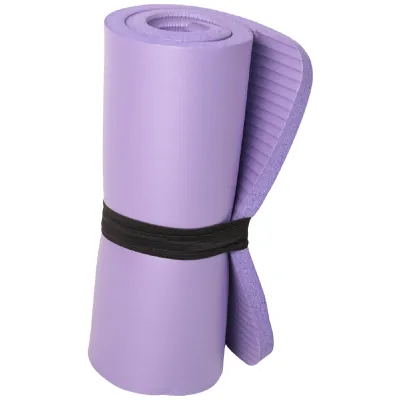
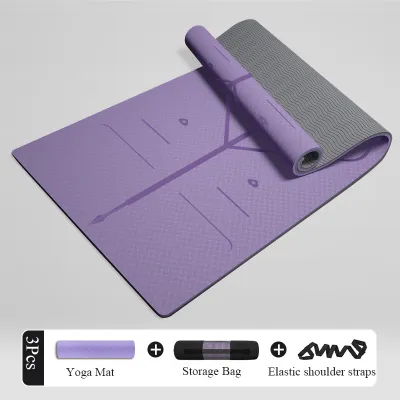
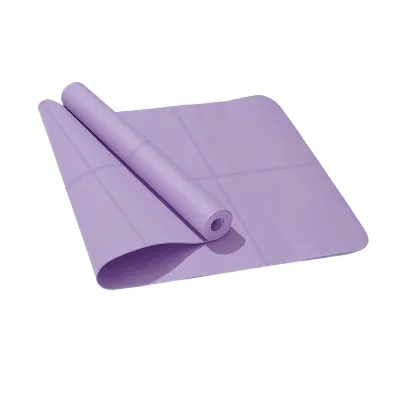
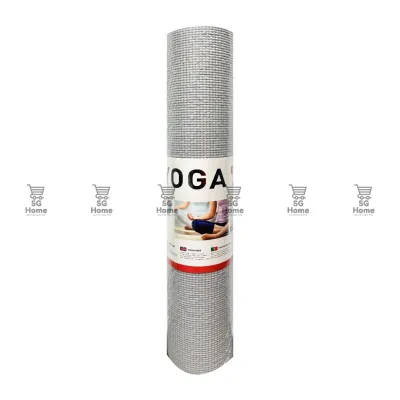
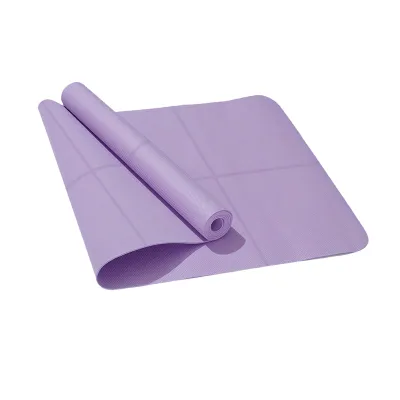
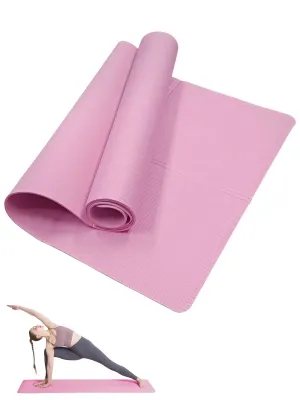
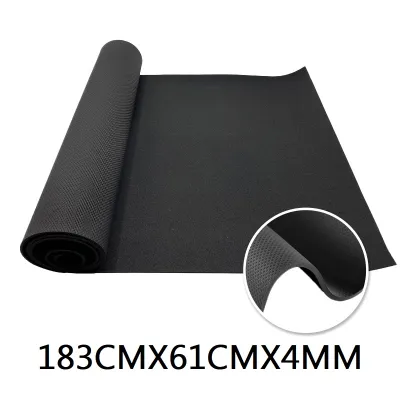
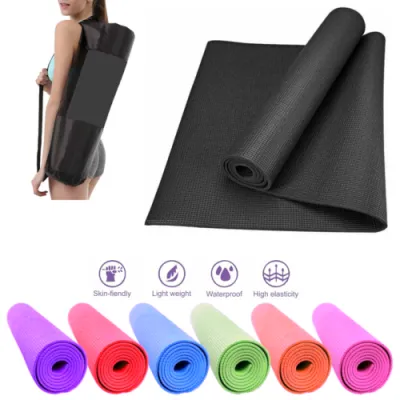
Prices are valid at publication and may change. Please refer to the product page for the latest price.

Thickness Options and Joint Support
Mat thickness directly influences joint comfort and balance. During rolling exercises like “Rolling Like a Ball” or “The Open Leg Rocker,” your entire body weight concentrates on narrow segments of the spine. A mat that is too thin allows the spinous processes to press directly against the subfloor, causing bruising or discomfort. Conversely, an excessively thick but low-density foam mat (such as cheap, soft NBR foam) can bottom out completely under concentrated pressure, failing to provide actual protection while simultaneously compromising your balance during standing or single-leg exercises.
To achieve optimal joint support without sacrificing stability, look for material density rather than raw thickness alone. High-density mats distribute force laterally across the material’s molecular structure, decelerating your movement before your joints make contact with the floor. For dedicated floor work, a thickness of 8mm to 15mm is standard. If your routine blends mat Pilates with standing balance work, a high-density 6mm mat offers an ideal compromise, providing sufficient spinal cushioning while maintaining a stable, non-squishy foundation for your feet.
Material Quality, Grip, and Durability
Mat materials are broadly categorized into two structural types, each presenting distinct performance trade-offs:
- Open-Cell Materials (Natural Rubber, Polyurethane/PU): These materials feature interconnected microscopic pores that actively draw moisture and sweat away from the surface. This capillary action provides exceptional wet and dry grip, preventing your hands and feet from slipping during intense, sweaty sessions. However, because they absorb liquids, open-cell mats require diligent cleaning to prevent the buildup of oils, sweat, and bacteria. Over time, exposure to moisture and friction can cause these materials to degrade faster.
- Closed-Cell Materials (High-Density PVC, TPE, Dense NBR): These materials possess a sealed surface barrier that completely blocks moisture absorption. Sweat and dirt pool on top rather than sinking into the core, making these mats highly hygienic, easy to disinfect, and exceptionally durable. The trade-off is that they can become slick when wet, often requiring a grip towel during high-sweat sessions. High-density closed-cell mats, particularly those made of premium PVC, offer outstanding structural longevity and do not compress permanently under heavy, static loads.
Side-by-Side Comparison of Popular Pilates Mat Brands
To help you evaluate your options, the following comparison highlights how popular, widely available mat brands perform across these critical dimensions. These characteristics are based on manufacturer specifications and material properties.
| Brand & Model | Material & Structure | Typical Thickness | Grip & Durability | Best Use Case |
|---|---|---|---|---|
| Manduka PRO | High-Density PVC (Closed-Cell) | 6 mm | Moderate dry grip (improves with use); virtually indestructible; non-absorbent. | Dedicated home or studio setups; classical mat work requiring lifetime durability. |
| Lululemon The Reversible Mat | Polyurethane top layer, Natural Rubber base (Open-Cell) | 5 mm | Exceptional wet and dry grip; absorbs moisture; prone to scuffing and surface staining. | Contemporary Pilates; high-sweat sessions; dynamic transitions. |
| Merrithew Pilates Express Mat | Co-Polymer Foam / NBR (Closed-Cell) | 10 mm or 15 mm | Moderate grip; plush, highly resilient cushioning; lightweight but bulky to transport. | Classical mat Pilates; individuals with severe joint or spinal sensitivity. |
| Jade Yoga Fusion | Natural Rubber (Open-Cell) | 8 mm | Outstanding dry traction; springy, resilient cushioning; heavy; sensitive to environmental heat. | Eco-conscious practitioners; home gyms; maximum joint protection via natural materials. |
Premium Natural Rubber and Polyurethane (PU) Brands
Brands that utilize natural rubber and polyurethane, such as Lululemon and Jade Yoga, are highly favored by practitioners who prioritize immediate, reliable traction. Natural rubber provides an inherent, springy rebound that cushions dynamic movements without the squishiness of low-density foams. When combined with a smooth polyurethane (PU) top layer, as seen in many contemporary athletic mats, the surface offers a high-tack grip that locks your hands and feet in place during challenging planks or side-kick series.
However, these premium materials come with clear operational trade-offs. Natural rubber mats are significantly heavier than synthetic alternatives, often weighing between 2.5kg and 3.5kg, which makes them less convenient for carrying on public transport or walking long distances. Furthermore, they require careful maintenance. Because open-cell rubber absorbs sweat and environmental moisture, failing to dry the mat completely before rolling it up can lead to persistent odors and accelerated material degradation.
High-Density PVC and TPE Brands
For practitioners seeking longevity, hygiene, and low maintenance, high-density PVC and Thermoplastic Elastomer (TPE) mats are excellent choices. Premium PVC mats, such as the Manduka PRO, are engineered to withstand decades of use without cracking, peeling, or thinning. Their dense molecular structure prevents them from bottoming out, ensuring consistent spinal protection during rolling exercises. Because the surface is completely closed-cell, bacteria and sweat cannot penetrate the mat, allowing for rapid sanitization with simple wiping solutions.
While PVC offers unmatched durability, it does require an initial “break-in” period to strip away the thin film left over from the manufacturing process, which can feel slippery at first. TPE mats offer a lighter, more affordable, and PVC-free alternative, providing decent cushioning and closed-cell hygiene. However, TPE lacks the shear-force resistance of premium PVC or natural rubber, meaning it may stretch or show signs of wear under intense, repetitive lateral movements.
Evaluating Overall Value and Longevity in a Humid Climate
When purchasing a premium pilates mat, evaluating long-term value requires looking beyond the initial retail price, which typically ranges from S$100 to over S$200 for high-end brands. In tropical, high-humidity environments like Singapore, environmental factors play a massive role in how quickly materials degrade, directly impacting your cost-per-use calculation.
High ambient humidity (often exceeding 80%) and warm temperatures accelerate the natural breakdown of open-cell organic materials. Natural rubber is susceptible to oxidation and hydrolysis, a chemical process where moisture breaks down polymer bonds. If a natural rubber or PU mat is rolled up damp and stored in a poorly ventilated closet or storage room, it can quickly develop a sticky residue, begin to crumble, or trap stubborn, musty odors. For these mats to survive, they must be dried thoroughly in a well-ventilated, air-conditioned, or shaded indoor space after every session.
In contrast, closed-cell synthetic materials like premium PVC are virtually inert to environmental humidity, sweat, and temperature fluctuations. They do not absorb moisture, meaning they will not rot, crumble, or harbor deep-seated bacteria, even when stored in humid conditions. While a premium PVC mat may carry a higher upfront cost, its resistance to tropical degradation often makes it the more economical choice over a multi-year period, as it rarely needs replacement. When deciding on a mat, weigh your willingness to perform meticulous post-workout drying against the convenience of a low-maintenance, climate-resistant material.
Final Decision Framework: Which Pilates Mat Should You Buy?
To make your final decision, match your physical needs, training style, and maintenance preferences to the appropriate mat profile:
- Choose a thick, high-density natural rubber or NBR mat (8mm to 15mm) if:
- Your routine consists almost entirely of classical mat Pilates with extensive rolling and kneeling exercises.
- You suffer from joint sensitivity, knee discomfort, or prominent spinal pressure points.
- You practice primarily at home or have dedicated storage, as these mats are bulky and heavy to transport.
- Choose a dense, closed-cell PVC or PU mat (5mm to 6mm) if:
- You attend studio classes regularly and need a mat that is easy to disinfect and transport.
- Your practice includes a mix of contemporary Pilates, standing balance transitions, and core work.
- You want a highly durable investment that resists humidity and wear over several years.
- Choose a lightweight TPE mat if:
- You are a beginner looking for an affordable, PVC-free entry point.
- You commute frequently and prioritize a lightweight mat that is easy to carry on public transit.
Important Pre-Purchase Verification Checks:
- Latex Allergies: If you have a known sensitivity to latex, avoid natural rubber mats entirely, as they contain organic latex proteins. Opt for premium PVC, TPE, or polyurethane synthetic alternatives.
- Studio Guidelines: Before purchasing an extra-thick (10mm to 15mm) mat for external classes, verify your local studio's rules. Some boutique studios have space or equipment constraints that limit the use of oversized mats.
- Manufacturer Care Instructions: Always read the specific care guidelines provided by the brand. Using harsh chemical cleaners or exposing natural rubber mats to direct sunlight can permanently ruin the material and void the warranty.
Frequently Asked Questions (FAQ)
Can I use a standard yoga mat for Pilates?
While you can use a standard yoga mat for Pilates, it is often uncomfortable for floor-heavy routines. Yoga mats are designed to be thin (typically 3mm to 5mm) to keep you grounded during standing poses, offering minimal cushioning. Pilates involves repetitive rolling, kneeling, and weight-bearing exercises on the spine and pelvis. Using a thin yoga mat on a hard floor can lead to bruising or joint discomfort. If you must use a yoga mat, consider placing a studio towel or a secondary foam pad underneath your hips and spine during rolling exercises to protect your joints.
How do I prevent my mat from degrading in high humidity?
To protect your mat from humidity-induced degradation, always wipe it down with a damp, clean cloth after your workout to remove skin oils and sweat. Allow the mat to air dry completely in a flat or draped position in a well-ventilated, shaded indoor area before rolling it up. Never roll up a damp mat, and avoid storing it in unventilated spaces like closed plastic bags or damp storage closets. Keep all mats out of direct sunlight, as ultraviolet rays rapidly dry out natural rubber and degrade synthetic polymers, causing them to crack, fade, and lose their grip.
Community discussion
Share your experience or ask a question. Comments are reviewed before publication.