
Achieving a comfortable, leak-free fit with your scuba mask strap is not about pulling it as tight as possible. In fact, the secret to a dry, comfortable dive is a surprisingly loose strap. The primary job of the strap is simply to hold the mask in position on your face before you submerge; once you are underwater, ambient water pressure does the heavy lifting of sealing the mask. Adjusting your strap correctly requires understanding the physics of the silicone skirt, positioning the band on the correct part of your skull, and testing the seal before you descend into the water.
Why a Loose Strap Often Seals Better Than a Tight One
Many beginner divers instinctively tighten their scuba mask strap when they experience a leak. This reaction is counterproductive. The watertight seal of a modern diving mask is created by the soft, flexible silicone skirt, not by the mechanical tension of the strap. Silicone is designed to feather gently against the contours of your skin, filling in tiny crevices around your eyes, cheeks, and forehead.
When you overtighten the strap, you pull the rigid plastic frame of the mask too hard against your face. This forces the delicate silicone skirt to buckle, fold, and distort. These folds create microscopic channels and gaps where water can easily seep in. Furthermore, an overtightened strap exerts excessive pressure on your forehead, the bridge of your nose, and your temples, frequently leading to painful red marks, sinus pressure, or a tension headache that can ruin your dive.
Products mentioned in this guide
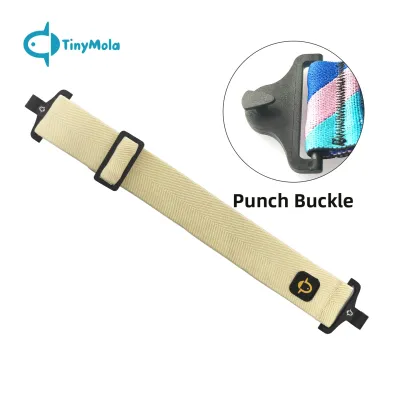
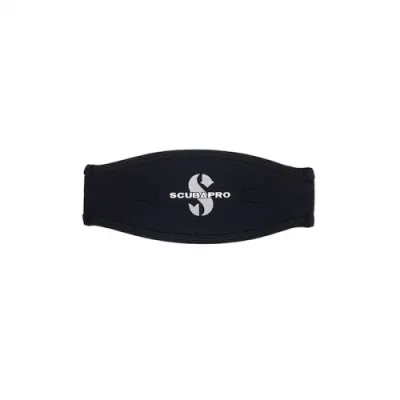
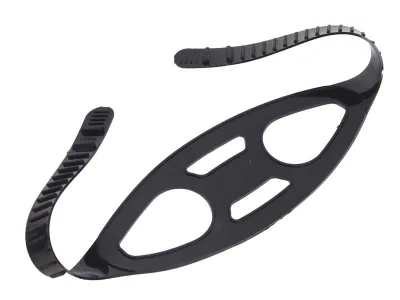
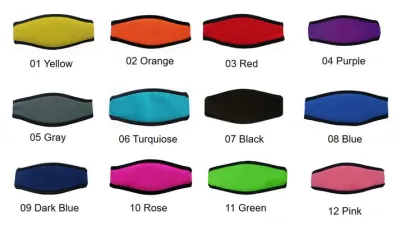
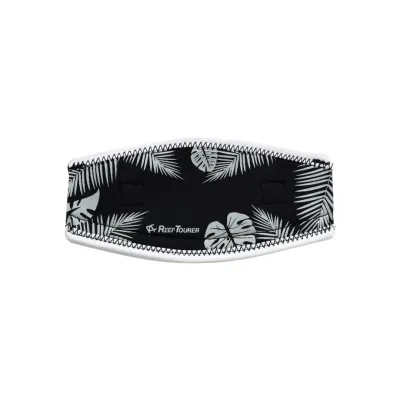
![[SG 🚚] KEEP DIVING Soft Scuba Diving Mask Strap Cover Swimming Surfing Dive Snorkeling Hair Strap Cover Wrapper Replacement](https://img.lazcdn.com/g/p/fdeb7b5cd27672208d37dfaa2a187b93.jpg_400x400q80.jpg_.webp)
Prices are valid at publication and may change. Please refer to the product page for the latest price.
It is also helpful to understand how water pressure works at depth. As you descend, the surrounding water pressure increases, naturally pushing the mask frame closer to your face. If your strap is already tight on the surface, this added pressure will squash the mask even harder against your skin. A loose, comfortable strap on the boat ensures that the mask remains comfortable and sealed as you glide through the water.
Step-by-Step Guide to Adjusting Your Scuba Mask Strap
Positioning the Strap Correctly
To achieve a secure fit, the scuba mask strap must sit on the widest part of the back of your head, near the crown or the occipital bone. If the strap is positioned too low—resting near the base of your skull or on your neck—it will constantly pull the mask downward. This downward drag breaks the critical seal directly under your nose, causing water to pool in the nose pocket.

Conversely, placing the strap too high on the very top of your head will cause it to slip forward, allowing the mask to slide down your face. Proper vertical alignment ensures that the strap pulls the mask straight back against your face, distributing the pressure evenly across the entire surface of the silicone skirt.
You must also pay close attention to the side buckles where the strap connects to the mask frame. Ensure these buckles are aligned symmetrically on both sides of your head. They should sit comfortably above and behind your ears, without pressing directly against your temples or distorting the edges of the silicone skirt.
Setting the Right Tension
The ideal tension for a scuba mask strap is the absolute minimum required to keep the mask stable on your face while you are moving on the boat or preparing to enter the water. It should feel snug enough to resist sliding down, but not tight enough to feel like it is pressing into your skin.
A reliable baseline for testing this tension is the “two-finger” rule. Once you have donned the mask, try to slide two fingers side-by-side flat beneath the strap at the back of your head. If you cannot slide your fingers under the strap without straining, the strap is too tight. If the strap sags or feels loose enough that the mask shifts when you shake your head gently, it is too loose.
When you dive in tropical environments like Singapore’s southern islands or nearby regional reefs, you want to ensure the strap feels barely noticeable. Once you submerge, the ambient pressure will stabilize the mask, and a correctly tensioned strap will simply keep it from drifting away if a current hits your side.
Managing Hair and Hood Interference
Before you finalize your strap tension, you must clear all stray hair from beneath the silicone skirt. Even a single strand of hair crossing the skirt edge acts as a tiny wick, drawing water into the mask throughout your dive. Slide your fingers along the entire perimeter of the skirt to sweep hair backward and away from the seal.
For divers wearing a neoprene dive hood—common when exploring deeper, cooler thermoclines—the strap must be worn over the outside of the hood. After positioning the strap, carefully run your finger around the edge of the mask skirt to verify that the neoprene hood has not folded the silicone skirt inward. The skirt must lie completely flat against the smooth skin of your face or the smooth-skin exterior of your hood to prevent persistent slow leaks.
Be cautious not to trap long hair inside the adjustment buckles on the side of the mask. This not only causes painful pulling when you adjust or remove the mask, but it can also prevent the buckle mechanism from locking securely, leading to the strap slipping mid-dive.
How to Test Your Mask Seal Before Diving
The Negative Pressure Test (On Land or Boat)
To verify your mask fit before stepping onto the dive deck, perform a standard negative pressure test. Hold the mask gently against your face without putting the strap over your head. Ensure your hair is completely cleared away from the skirt.
Inhale gently through your nose and hold your breath. This action should create a vacuum, pulling the mask tight against your face. While holding your breath, remove your hands from the mask. If the mask remains suctioned to your face without falling, the skirt is making a proper, airtight seal against your skin.
While this test is an excellent initial check, remember its limitations. It only verifies a static seal on dry land. It cannot account for the dynamic jaw movements that occur when you insert a regulator mouthpiece, nor does it simulate the water movement and pressure changes you will experience once you submerge.
The Surface Water Test
The most accurate way to validate your strap adjustment is to perform a quick test at the surface of the water before descending. Enter the water, put on your regulator, and submerge your face while holding onto the boat ladder or dive buoy.
While looking down, gently move your head from side to side and up and down. Mimic the facial movements of breathing through your regulator, and clear your ears to see if the seal holds. If you feel water trickling in, note exactly where the leak is originating.
If you detect a leak during this surface test, do not attempt to fix it by simply pulling the strap tighter. Instead, return to the surface, lift the mask to clear any trapped hair or hood edges, readjust the strap position on the back of your head, and try again. Taking two minutes to resolve a leak on the surface is far better than struggling with a flooded mask at twenty meters.
Troubleshooting Leaks and Discomfort
If you have adjusted your strap correctly and are still experiencing leaks, you may be dealing with a face shape mismatch. No single mask fits every face perfectly. If your cheekbones are highly prominent or your nose bridge is exceptionally high or flat, the standard silicone skirt may struggle to contour to your face. In these cases, over-tightening the strap will only worsen the issue.
Inspect your mask’s silicone skirt regularly for signs of wear, warping, or creases. In tropical climates like Singapore, leaving gear in direct sunlight or inside a hot car trunk can cause the silicone to degrade, lose its elasticity, or warp permanently. A warped skirt will never seal properly, regardless of how you adjust the strap.
If you experience persistent pressure points, such as localized pain on your forehead or the bridge of your nose, try loosening the strap slightly and shifting its position on the back of your head. Sometimes, tilting the side buckles slightly upward or downward can relieve pressure on sensitive facial nerves.
Remember that facial expressions also play a major role in mask leaks. Smiling, laughing, or talking through your regulator can pull your facial muscles and create temporary gaps near your cheeks. Try to maintain a relaxed, neutral facial expression, especially during your initial descent when you are adjusting to the regulator. If leaks persist despite all adjustments, it may be time to visit a local dive shop to try on different mask models, such as low-volume masks which sit closer to the eyes and often accommodate narrower face profiles.
Upgrading Your Strap: Neoprene vs. Silicone vs. Split Straps
If the stock strap that came with your mask continues to cause discomfort, upgrading to an aftermarket strap can significantly improve your diving experience. Different strap materials and designs cater to specific comfort and performance needs.
- Neoprene Mask Strap Covers: These soft sleeves slide over your existing silicone strap, preventing the sticky silicone from pulling, tangling, or knotting your hair. Neoprene also adds a layer of cushioning against the back of your head and increases grip when worn over a neoprene hood.
- Split Straps: Featuring a Y-shaped design that divides into two separate bands at the back, these are excellent for distributing pressure. By placing one band higher on the crown and the other lower on the occipital bone, you can secure the mask with minimal tension, making it a great option for varying head shapes.
- Standard Silicone Straps: These remain the benchmark for durability and direct grip on bare skin. If you do not have long hair and prefer a highly secure, non-slip fit directly against your scalp, a high-quality silicone strap is often the best choice.
Before purchasing any upgrade, always check the compatibility of the strap ends with your mask’s specific side buckles and attachment pins. If the instructions for your aftermarket strap conflict with your mask’s manual, defer to the mask manufacturer’s guidelines to avoid damaging the buckle mechanism.
Frequently Asked Questions (FAQ)
Should I use a neoprene strap cover for my scuba mask?
A neoprene cover is highly recommended if you have long hair, as it prevents painful pulling and tangling. It also makes donning and doffing your mask much smoother. However, keep in mind that neoprene can trap sand and salt crystals if not rinsed thoroughly, and it provides slightly less grip on bare skin compared to raw silicone.
How do I stop my mask strap from pulling my hair?
The most effective solution is to install a neoprene strap cover over your existing silicone strap. Additionally, make sure to tie your hair back securely in a low ponytail or braid before putting the mask on, and position the strap higher on the back of your head to avoid the thickest part of your hair.
Can I adjust the mask strap while underwater?
While you can make minor tightening adjustments underwater by pulling the strap tails, you should avoid loosening or completely repositioning the strap during a dive. Doing so can easily flood your mask or cause you to lose your seal entirely, which can be disorienting. Always make your primary adjustments on the boat or at the surface.

Community discussion
Share your experience or ask a question. Comments are reviewed before publication.