
If you have ever surfaced from a dive with a deep, red ring stamped into your forehead and a throbbing headache, you are not alone. Many divers, especially beginners, believe that pulling their scuba mask strap as tight as possible is the best way to keep water out. However, this common misconception actually achieves the exact opposite result. To stop leaks and reduce pressure on your head, the secret lies in loosening the strap and letting physics do the work.
A properly adjusted scuba mask strap should feel incredibly light on your face. When you are diving in warm tropical waters, such as the local reefs of Pulau Hantu or during a weekend trip to nearby regional islands, comfort is key to enjoying the rich marine life. This guide will walk you through the counterintuitive mechanics of mask sealing, how to perform vital pre-dive checks, and the exact steps to adjust your strap for a comfortable, watertight fit.
Why a Tight Strap Causes Leaks and Headaches
To understand why overtightening your scuba mask strap is counterproductive, you must look at how modern diving masks are engineered. The skirt of a high-quality mask is made of soft, surgical-grade silicone. This material is designed to be highly flexible so that it can conform perfectly to the unique contours of your face.
Products mentioned in this guide
![[SG 🚚] KEEP DIVING Soft Scuba Diving Mask Strap Cover Swimming Surfing Dive Snorkeling Hair Strap Cover Wrapper Replacement](https://img.lazcdn.com/g/p/fdeb7b5cd27672208d37dfaa2a187b93.jpg_400x400q80.jpg_.webp)
Prices are valid at publication and may change. Please refer to the product page for the latest price.
When you submerge, hydrostatic water pressure acts as a natural clamp. The surrounding water presses against the outer surface of the mask, pushing the silicone skirt gently against your skin to create a natural, airtight seal. This process requires very little mechanical tension from the strap itself.
When you pull the scuba mask strap too tight, you disrupt this delicate balance. Excessive tension pulls the rigid plastic frame of the mask hard against your face, which forces the flexible silicone skirt to buckle, fold, and warp. These folds create microscopic channels and gaps along your cheeks, forehead, and temples, allowing water to stream inside.
Beyond causing frustrating leaks, an overtightened strap is the primary culprit behind post-dive headaches. The human skull features sensitive nerve pathways and blood vessels running over the occipital bone at the back of the head and across the temples. When a tight silicone band compresses these areas for an hour-long dive, it restricts blood flow and puts intense pressure on the nerves, leading to painful tension headaches that can ruin your entire diving day.
Pre-Adjustment Checks for a Proper Fit
Before you begin adjusting your scuba mask strap, you must ensure that the mask itself is clean, functional, and compatible with your face. No amount of strap adjustment can compensate for an ill-fitting mask or a dirty seal.

First, clear all hair away from the sealing surface. Even a single strand of hair crossing the silicone skirt can act as a capillary pathway, drawing water slowly into the mask throughout your dive. If you have long bangs, sweep them back completely before putting the mask on. For divers with facial hair, a thick mustache can easily break the seal under the nose; applying a small amount of silicone grease or environmentally safe lip balm to your mustache can help create a better barrier.
Next, perform a dry face seal test to verify compatibility:
- Step 1: Hold the mask gently against your face without placing the strap over your head.
- Step 2: Inhale lightly through your nose and hold your breath.
- Step 3: Look straight ahead and let go of the mask with your hands.
- Step 4: Observe if the mask stays securely in place via suction.
If the mask clings to your face effortlessly while you hold your breath, it is a good match for your facial structure. If it falls off immediately or you feel air leaking in around the corners, the mask shape is not compatible with your face, and you should try a different model.
Finally, inspect the silicone skirt for physical damage. In tropical, high-humidity climates, storing dive gear in damp or hot environments can cause silicone to degrade, lose its elasticity, or become permanently warped. Check the skirt thoroughly for fine cracks, tears, or stiff areas that might prevent a smooth seal.
Step-by-Step Guide to Adjusting Your Scuba Mask Strap
The ultimate goal of adjusting your scuba mask strap is to establish a secure, balanced fit that lets water pressure do the sealing work while keeping your head completely pressure-free.
Positioning the Strap on Your Head
The vertical placement of the strap on your head is critical for maintaining a stable seal. Always position the strap high on the back of your head, resting on the crown or the upper occipital area.
If the strap sits too low, near the base of your skull or on your neck, it creates a downward and upward pulling angle. This angle pulls the bottom of the mask skirt hard against your upper lip while pulling the top of the skirt away from your forehead, causing immediate leaks. A low strap also forces you to crane your neck to keep the mask in place, leading to muscle fatigue and neck strain over the course of a dive.
Setting the Correct Tension
Once the strap is positioned correctly, you can adjust the tension using the buckles on either side of the mask frame.
- Loosen first: Loosen both sides of the strap completely before putting the mask on.
- Position and pull: Place the mask on your face, position the strap on the crown of your head, and pull the strap ends gently until the mask feels secure.
- Finger check: Slide one or two fingers under the strap at the back of your head. You should be able to do this easily without feeling like you are fighting intense resistance.
The strap should be just tight enough to prevent the mask from shifting when you shake your head gently. Remember, on land, the mask might feel slightly loose, but once you are underwater, the hydrostatic pressure will do the rest of the work to seal it.
Balancing the Top Strap
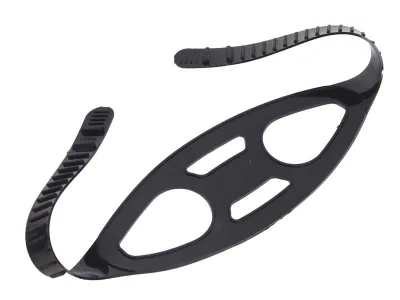
Many modern scuba mask straps feature a split-strap design, which divides the back of the strap into two separate bands. This design is highly effective for distributing pressure across a wider surface area.
Spread the two bands of the split strap apart on the back of your head. Position the upper band high on the crown of your head and the lower band across the mid-occipital region. Adjust the side buckles so that both bands have equal tension.
Balancing these two bands prevents the strap from sliding down during your dive. It also ensures that the mask frame remains perfectly parallel to your face, preventing uneven pressure points on your brow or cheekbones.
How to Test the Mask Seal in the Water
Once you have adjusted your scuba mask strap on land, you must verify the fit in a controlled aquatic environment before heading out to deeper dive sites.
Begin with a surface test in shallow water, such as a swimming pool or a calm, shallow bay. Put on your mask, insert your snorkel or regulator, and float face-down on the surface. Relax your facial muscles and breathe normally for a few minutes. Watch for any slow drips of water entering the nose pocket or pooling near the bottom of the skirt.
Next, perform a shallow-water movement test. Submerge your head completely and slowly move it from side to side, then look up and down. This simulates the natural movements you make underwater when checking your gauges or looking at marine life. A properly adjusted mask should maintain its seal throughout these gentle movements.
If you experience a leak during these tests, do not instinctively pull the strap tighter. Instead, stop, clear the mask by exhaling through your nose while pressing the top frame, and then loosen the strap slightly. Often, releasing a small amount of tension allows the silicone skirt to expand back into its natural shape, instantly stopping the leak. If the leak continues, check for trapped hair or a folded skirt edge.
Solutions for Persistent Leaks and Discomfort
If you have followed all the adjustment steps and still experience leaks or headaches, you may need to modify your gear setup or try alternative accessories.
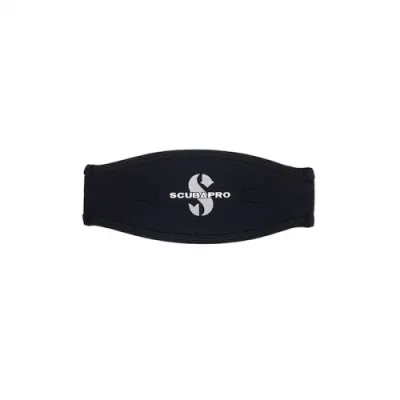
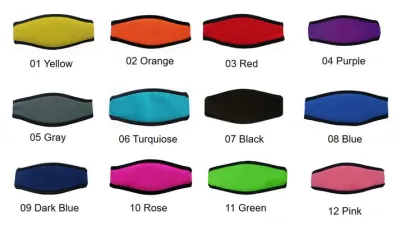
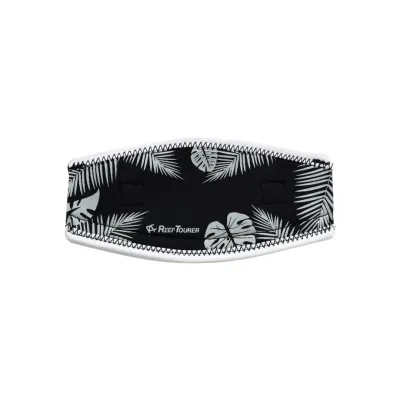
- Neoprene strap covers: One of the most effective upgrades for any diver is a neoprene strap cover. These covers slide over your existing silicone scuba mask strap, providing a soft, wide surface that distributes pressure evenly across the back of your head. Neoprene does not grab or pull hair like silicone does, making it much easier to put the mask on and take it off. It also adds a small amount of buoyancy, which can prevent your mask from sinking to the bottom if you drop it.
- Evaluate mask volume and shape: Not all masks are created equal. If you have a very narrow or very wide face, a standard mask may not fit you regardless of how you adjust the strap. High-volume masks offer a larger field of view but require a larger sealing surface, whereas low-volume masks sit closer to the face and are often easier to clear. Consider visiting a local dive shop to try on various models under the guidance of a professional.
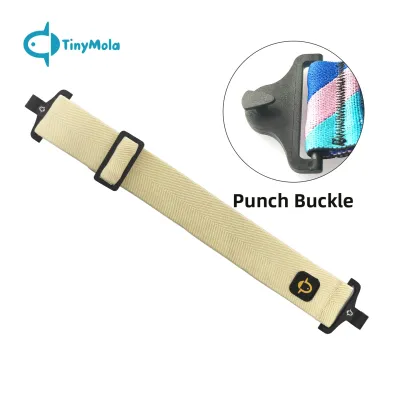
- Alternative strap designs: If you find silicone straps uncomfortable, you can explore alternative options such as fabric hook-and-loop straps or elastic bungee straps. These designs offer different tension profiles and can be easier to adjust, especially when wearing thick hoods or gloves. Always refer to your mask manufacturer's instructions before replacing any components to ensure compatibility with your specific buckle system.
Frequently Asked Questions (FAQ)
Should I wear the mask strap around my neck when walking on the boat?
No, you should never wear your mask strap around your neck while walking on a dive boat or along the shore. Hanging the mask around your neck stretches the silicone strap unnecessarily, puts stress on the plastic buckle assemblies, and makes the mask highly vulnerable to getting snagged on boat gear. If you trip or bump into something, the mask can easily be knocked loose and fall onto the deck, where it can be stepped on, or drop overboard into deep water. When you are not wearing your mask on your face, store it safely in its protective hard case, or hold it securely by the rigid frame.
Can I replace my standard silicone strap with a bungee or neoprene strap?
Yes, replacing your standard silicone strap with a marine-grade bungee strap or a dedicated neoprene strap is a popular and highly effective modification. Bungee straps are incredibly durable, highly flexible, and allow you to slip the mask on and off quickly without pulling your hair. Neoprene straps offer excellent comfort and prevent the mask from slipping down your head. Before purchasing an aftermarket strap, check your mask manufacturer’s guidelines to ensure the replacement strap is fully compatible with your mask’s specific buckle and attachment mechanism.

Community discussion
Share your experience or ask a question. Comments are reviewed before publication.