
A well-configured survival first aid kit is the boundary between a minor trail inconvenience and a major emergency. When hiking or engaging in outdoor sports, your safety depends on having medical and survival gear tailored to your specific environment. Rather than relying on a generic, pre-packaged first aid kit, assembling a custom kit ensures you are prepared for the exact terrain, weather, and physical demands of your journey.
Assess Your Route and Environmental Risks
Before packing a single adhesive bandage, you must evaluate the variables of your planned trek. The duration of your trip, the size of your group, the difficulty of the terrain, and the expected weather conditions dictate what your kit must contain. A day hike along a well-marked trail requires a significantly lighter and more compact setup than a multi-day expedition through remote terrain.
In tropical environments like Singapore, specific environmental factors demand specialized preparation. High humidity levels exceeding 80% and ambient temperatures often surpassing 30°C accelerate physical exhaustion and fluid loss. Sudden, heavy equatorial thunderstorms can quickly turn dry trails into slippery, muddy paths, increasing the risk of slips and falls. Dense secondary vegetation and encounters with local wildlife—such as macaques, wild boars, or stinging insects—introduce unique risks of scrapes, bites, and stings that your kit must address.
Products mentioned in this guide
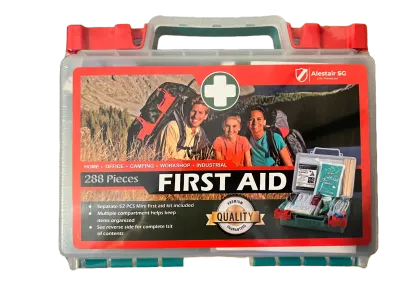
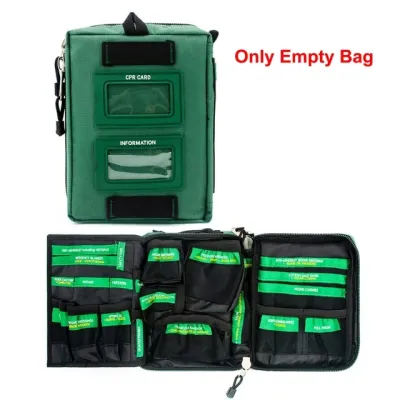
![[SG FREE ] Empty Emergency Survival Bag First Aid Kit Pouch Outdoor Sport Travel Portable Survival Handbag Home Medical](https://img.lazcdn.com/g/p/2ee1aff54e5be7f0cc6b55f6a989ae6b.jpg_400x400q80.jpg_.webp)
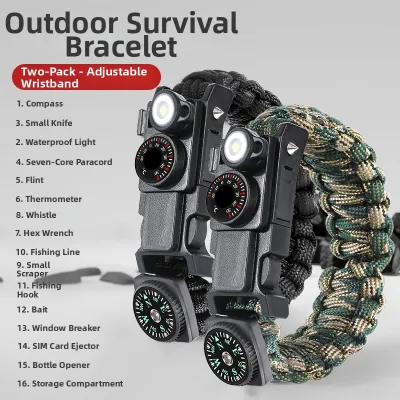
Prices are valid at publication and may change. Please refer to the product page for the latest price.
To support your physiological demands in these conditions, you must calculate your baseline hydration and caloric needs. Under heavy exertion in a hot, humid climate, an adult can easily lose 1 to 1.5 liters of sweat per hour. Your survival plan must include a reliable method to secure clean drinking water and replenish lost electrolytes, as dehydration rapidly impairs judgment, coordination, and physical stamina.
Select Core First Aid and Survival Supplies
Choosing the right contents for your custom kit requires balancing medical utility against weight and pack space. By categorizing your supplies, you can ensure that you have the tools to manage both minor trail injuries and critical environmental hazards without carrying unnecessary bulk.

Essential First Aid Items for Trail Injuries
Wound and blister care form the foundation of any trail-ready medical kit. Minor cuts, abrasions, and blisters are highly common on the trail and can quickly become infected in warm, humid climates. Your kit should include antiseptic wipes to clean wounds, sterile non-adherent dressings that will not stick to raw skin, hydrocolloid blister pads to protect high-friction areas, and durable medical tape to secure dressings.
Sprains, strains, and joint instabilities are common when navigating uneven, root-filled, or rocky trails. To manage these musculoskeletal injuries, pack elastic crepe bandages to provide compression and joint support, along with instant cold packs to help reduce swelling. These items allow you to stabilize a mild injury so that the affected person can safely walk off the trail.
Personal medications must be accommodated within your kit, especially if you or your trail companions have known chronic conditions. Always pack an adequate supply of daily prescription medications, as well as emergency treatments such as epinephrine auto-injectors for severe allergic reactions or fast-acting inhalers for asthma. Ensure these items are clearly labeled and protected from moisture.
When packing specialized medical treatments or applying topical ointments, always check the applied product’s label and the treated item’s manufacturer instructions first. If instructions conflict, or if the correct usage is unclear, stop and consult a qualified medical professional. Before packing any medical supplies, verify that all sterility seals are intact, check the expiration dates on medications and ointments, and read the manufacturer instructions for correct application.
Environmental and Survival Gear for Tropical Trails
Hydration and electrolyte replenishment are critical survival priorities in tropical climates. Heavy sweating depletes the body of essential sodium and potassium, which can lead to painful muscle cramps or dangerous hyponatremia. Pack water purification tablets to treat raw water sources in an emergency, alongside oral rehydration salts to quickly restore your electrolyte balance.
Navigation and signaling tools are indispensable if you wander off-trail or become disoriented in dense vegetation. Always carry a physical, waterproof trail map of the area and a reliable magnetic compass, as digital GPS units and smartphones can suffer from battery drain or signal loss under thick canopy cover. Additionally, include a high-decibel emergency whistle, which requires far less physical effort to use than shouting and carries much further through dense forest.
Illumination and thermal protection are essential, even on planned day trips, in case your trek is delayed past sunset. A lightweight headlamp keeps your hands free for navigation or first aid; always pack spare batteries or a compatible charging cable. For thermal protection, include a compact emergency bivvy or a reflective thermal blanket, which can protect a shocked or injured hiker from hypothermia during sudden tropical downpours or cool nights.
Verify that your selected gear matches your specific activity, skill level, body size, venue, weather conditions, and carrying method, as no single kit is universal for every setting. When evaluating gear features like weather resistance, load capacity, or battery runtime, treat these as specifications to verify directly with the manufacturer’s documentation rather than assuming they will perform under extreme conditions.
Pack and Organize Your Kit for Quick Access
How you physically pack your survival first aid kit is just as important as what you put inside it. In an emergency, wasting time digging through a disorganized pack to find a critical item can worsen an injury or escalate a stressful situation.
To protect your supplies from tropical rain, high humidity, and sweat, select a durable, water-resistant pouch or a dedicated dry bag as your primary container. A roll-top dry bag made from heavy-duty nylon or TPU offers excellent protection against water ingress. If you are using a non-waterproof pack, placing your entire kit inside a sealed dry bag is an essential step to keep your medical supplies clean and dry.
Inside the main container, group your items logically by function using clear, heavy-duty zip-lock bags or color-coded stuff sacks. For example, place all wound care items in a red pouch, blister treatments in a blue pouch, and survival tools in a green pouch. This modular organization allows you to locate the exact item you need instantly without exposing the rest of your kit to the elements.
Place critical, time-sensitive items where they can be reached in seconds. Emergency whistles, severe allergy medications (like epinephrine auto-injectors), tourniquets, and your headlamp should be stored in exterior pockets of your backpack or at the very top of your main compartment. Ensure that everyone in your hiking group knows exactly where your kit is stored and how to access these critical items.
Finally, include a laminated, waterproof inventory list inside your kit. This list should detail every item, its quantity, and its expiration date. A waterproof list serves as a quick reference guide during high-stress situations and makes it easy to audit your kit before and after every outdoor excursion.
Maintain, Inspect, and Restock Your Gear
A survival first aid kit is not a “set-and-forget” piece of equipment. Over time, environmental exposure, temperature fluctuations, and physical movement can degrade medical supplies, drain batteries, and compromise sterile packaging.
Establish a strict routine to inspect your kit at least once every six months, or immediately before embarking on any major outdoor trip. During these inspections, remove every item from the pouch and examine it under good lighting. Look for signs of wear, moisture ingress, or physical damage to the container and the individual packaging of your supplies.
Carefully check the expiration dates on all medications, sterile dressings, antiseptic wipes, and water purification chemicals. Over time, adhesive bandages can lose their stickiness, sterile seals can become brittle and break, and active ingredients in medications can lose their potency. Safely dispose of any expired or compromised items and replace them with fresh supplies immediately.
Test all electronic devices included in your kit, such as your headlamp or emergency beacon. Turn them on to verify they function correctly, and check the battery compartments for any signs of corrosion or leakage. To prevent battery failure on the trail, store batteries separately from the devices or replace them with fresh ones before a long hike, especially if the gear has been stored in a warm, humid environment.
Always restock any items you used during a trip as soon as you return home. It is easy to forget that you used the last blister pad or antiseptic wipe once you are back in a comfortable environment. Restocking immediately ensures that your kit remains fully prepared and ready to protect you on your next outdoor adventure.
Know Your Limits and Emergency Protocols
While a custom survival first aid kit is an invaluable asset, it is critical to understand its limitations. A first aid kit is designed to stabilize injuries, manage pain, and prevent conditions from worsening while you seek safety. It is not a substitute for professional medical diagnosis, advanced treatment, or formal wilderness survival training.
For high-risk outdoor sports, water activities, or treks in severe weather, always evaluate your personal ability limits, perform pre-trip equipment checks, and establish clear stop conditions. Remember that even the most advanced survival equipment cannot replace formal training, experience, or sound physical judgment.
You must establish clear “stop and call for help” conditions before you step onto the trail. If you or anyone in your group experiences severe or uncontrolled bleeding, suspected bone fractures, signs of heatstroke (such as confusion, hot and dry skin, or vomiting), severe allergic reactions, or if you become hopelessly lost, stop moving immediately and call for professional rescue. Attempting to push through severe medical emergencies or extreme environmental hazards can lead to life-threatening complications.
Before departing, save local emergency contact numbers directly into your phone and write them on your waterproof inventory card. In Singapore, the emergency number for the Singapore Civil Defence Force (SCDF) is 995 for medical emergencies and firefighting rescue. Always share your detailed route plan, expected checkpoints, and estimated return time with a trusted contact who is not joining the hike, and instruct them on when to contact emergency services if you fail to check in.
Frequently Asked Questions (FAQ)
Can I use regular household first aid items for an outdoor survival kit?
While household first aid items may seem identical to outdoor gear, they often lack the specialized design required for rugged environments. Standard home medical supplies are typically packaged in thin paper or cardboard boxes that disintegrate when exposed to rain, sweat, or high humidity. Additionally, household adhesive bandages and tapes may lose their grip quickly when applied to sweaty or wet skin on the trail.
Before substituting any household items into your survival kit, check the manufacturer labels for sterility guarantees, moisture resistance, and outdoor suitability. For outdoor sports, prioritize medical supplies that feature durable, waterproof plastic packaging and heavy-duty adhesives designed to stay secure under extreme physical exertion and wet conditions.
Community discussion
Share your experience or ask a question. Comments are reviewed before publication.