
Keeping your golf equipment clean and dry during a round is essential for maintaining control over your shots. Moisture, mud, and grass clippings on your clubface or grip can severely compromise your swing mechanics, ball contact, and spin rates. Properly attaching and wearing a golf towel ensures that a reliable cleaning surface is always within arm’s reach when you stand over your ball. Whether you prefer clipping your towel directly to your golf bag or mastering the art of wearing towel options on your waistband for immediate access, understanding the mechanics of towel placement will streamline your pre-shot routine and protect your gear.
Selecting the right attachment point and wearing method depends on your playing style, whether you walk the course with a stand bag, use a pushcart, or ride in a motorized cart. By establishing a consistent system for your towel, you can quickly clean your ball on the putting green, dry your hands before a delicate wedge shot, and wipe down your club grooves after a swing in the rough. This guide details how to choose, secure, and manage your golf towel to optimize your performance on the course.
Choosing the Right Golf Towel and Attachment Hardware
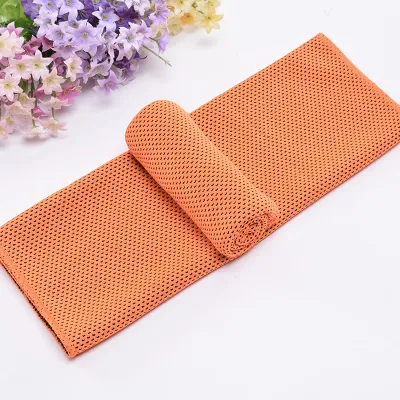
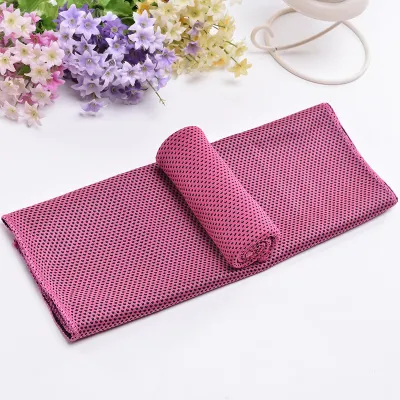
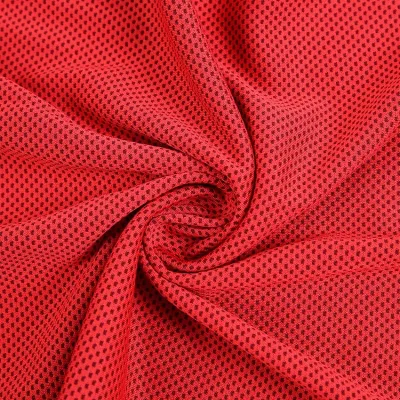
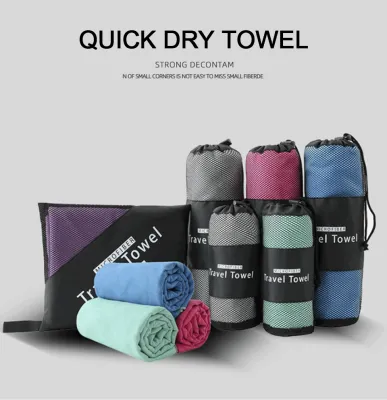
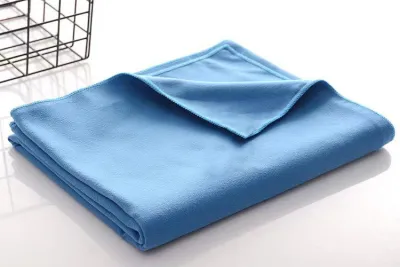
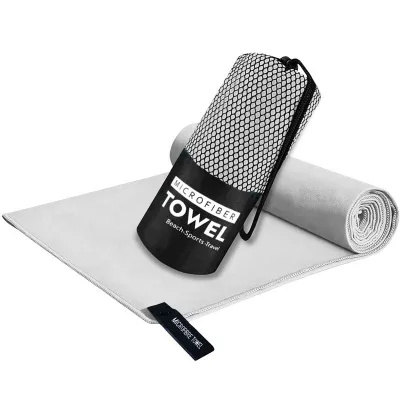
Before heading to the first tee, you must select a towel that matches the demands of the game. Traditional cotton towels are soft and highly absorbent, but they tend to retain moisture for a long time, making them heavy and bulky when wet. Modern golf towels utilize advanced microfiber blends, which offer superior cleaning performance. A microfiber waffle-weave towel is widely considered the industry standard because the textured, recessed pockets of the waffle pattern are highly effective at trapping sand, soil, and grass clippings without scratching delicate club finishes. Microfiber also dries significantly faster than cotton, which is a crucial advantage during long rounds.
Products mentioned in this guide
Prices are valid at publication and may change. Please refer to the product page for the latest price.
Evaluating attachment hardware is just as important as choosing the fabric. The securing mechanism determines how easily you can access the towel and whether it will stay attached when moving across the course. Common hardware options include:
- Built-in Carabiners: Heavy-duty metal clips that attach directly to a reinforced loop on the towel. These offer a highly secure connection to your bag but can be slow to detach if you want to take the towel to the putting green.
- Grommets with Clips: A classic design where a metal ring (grommet) is stamped into the corner of the towel, allowing a standard clip to pass through. This is highly durable but limits the folding options of the towel.
- Magnetic Holders: These systems use high-strength neodymium magnets. One part of the magnet remains fixed to your bag or belt, while the other is attached to the towel. This allows for instantaneous detachment and reattachment with a simple pull and snap.
- Specialized Towel Clamps: Tension-based clamps that grip any corner of the towel. These are useful if you prefer using non-grommeted towels, though they can occasionally slip if the fabric becomes heavily saturated.
The ideal size and weight of your golf towel should strike a balance between cleaning surface area and portability. A standard caddy towel (approximately 50cm by 100cm) offers maximum surface area, allowing you to dedicate different sections to different cleaning tasks, but it can easily drag on the ground if your bag is low. A medium tri-fold towel (around 40cm by 50cm) is often the most practical choice for bag attachment, providing ample cleaning space while hanging cleanly above the turf. For wearing on your person, a smaller pocket-sized towel (around 30cm by 30cm) is preferred to avoid excess weight and bulk.
How to Securely Attach a Towel to Your Golf Bag
To keep your towel accessible without interfering with your clubs, you must identify the optimal attachment points on your golf bag. Most modern golf bags are equipped with dedicated hardware for accessories. Look for a metal D-ring, a molded plastic loop, or a heavy-duty webbed handle near the top cuff of the bag. On stand bags, these rings are typically positioned near the spine or the apparel pocket, keeping accessories clear of the stand mechanism. On larger cart bags, you may find multiple D-rings distributed around the front and sides to accommodate various mounting configurations.

To attach your towel securely, follow these step-by-step instructions:
- Inspect the Clip: Ensure your carabiner or clip is free of dirt and operates smoothly. If using a locking carabiner, thread the towel's grommet or loop onto the clip first.
- Locate the Ring: Find the dedicated towel ring or D-ring on your bag. Avoid clipping accessories to the zipper pulls of your pockets, as this can strain the zipper track and cause it to fail over time.
- Secure the Connection: Clip the carabiner directly to the ring. If your clip features a screw-gate or locking sleeve, spin it into the locked position to prevent the gate from accidentally opening when the bag jostles.
- Arrange the Folds: If using a flat caddy towel, thread it through the bag's umbrella loop or drape it over your clubs before clipping to keep it organized and prevent it from flapping in the wind.
Your physical orientation as a player should dictate where you position the towel. Right-handed golfers typically stand to the left of their golf bag when it is resting on its stand or mounted on a cart. Placing your towel on the left side of the bag (when looking at the bag from the front) ensures it is immediately accessible during your pre-shot routine. Left-handed players should mirror this setup, positioning the towel on the right side of the bag. This deliberate placement prevents you from having to walk around the bag to clean a club, and it ensures the hanging fabric does not tangle with your club shafts when you extract or replace a club.
Always perform a quick verification check after securing your towel. Give the towel a firm downward tug to ensure the clip is locked and the bag’s D-ring can support the weight. Next, observe the hang length of the towel. If you are using a stand bag, deploy the legs to see how low the towel hangs when the bag is angled. The bottom of the towel should remain at least 10 to 15 centimeters clear of the ground. If the towel drags on the turf, it will absorb ground moisture, pick up loose dirt, and potentially catch on your bag’s pockets or the stand legs during transport.
How to Master Wearing a Towel on Your Body for Quick Access
For players who prefer to keep their cleaning tools on hand at all times, wearing towel accessories directly on the body is a highly efficient option. This is particularly useful when walking onto the putting green, where you need to clean your ball before lining up a putt without walking back to your bag. The most secure way to wear a towel is by using a dedicated towel clip or a specialized magnetic holder. These devices slide easily over your belt, waistband, or the edge of your pocket. The towel hangs from a quick-release mechanism, allowing you to pull it free to clean your ball or hands and snap it back into place without losing your focus.
If you do not have dedicated hardware, you can use the traditional tucking method. To do this, fold a medium or small towel lengthwise into thirds. Tuck the top 10 to 15 centimeters of the folded towel securely over your waistband or into your back pocket. While this method requires no extra gear, it has distinct trade-offs. The primary advantage is simplicity and instant access. However, the friction of walking and the dynamic movement of your golf swing can easily cause a tucked towel to slip out and fall onto the fairway unnoticed. Additionally, a tucked towel can transfer moisture and dirt directly to your golf trousers, which is highly impractical in warm weather.
Many modern golf apparel brands design trousers, shorts, and skirts with integrated features specifically for accessory management. Look for garments that feature built-in utility loops, small hidden carabiner attachment points, or reinforced pocket openings designed to hold a towel clip. Some high-end golf apparel even includes subtle, rubberized grip strips inside the rear pockets to help hold a tucked towel in place, reducing the risk of it slipping out during active play.
Before committing to wearing a towel during a live round, you must perform a series of safety and comfort checks to ensure it does not negatively impact your swing mechanics. Position the towel on your non-dominant side—for example, a right-handed golfer should wear the towel on their left hip or left rear pocket. This keeps the hanging fabric completely clear of your trailing arm and hands during the takeaway and downswing. Stand at address and take a few slow practice swings. Verify that the towel does not catch on your club grip at any point in the swing path. Finally, ensure the weight of the towel does not restrict your pelvic rotation or alter your physical balance as you shift your weight through impact.
Managing Your Towel During a Round in Humid Weather
Playing golf in hot and humid tropical climates, such as Singapore, presents unique challenges for gear maintenance. High humidity levels prevent moisture from evaporating quickly, meaning a wet towel can easily stay soggy for the entire round. To combat this, experienced players utilize the “wet and dry” zone strategy. This involves designating one specific section of your towel—typically one end or the inner fold of a tri-fold towel—for damp cleaning tasks, such as wiping down mud from clubfaces and golf balls. The remaining sections of the towel must be kept completely dry, reserved exclusively for wiping sweat from your hands and drying your club grips to prevent slippage.
To maintain the damp cleaning zone during a long, hot round, you can use your personal water bottle or a specialized pocket spray bottle to lightly rewet only the designated cleaning area. Avoid pouring water over the entire towel. A fully saturated towel becomes incredibly heavy, transfers water to your clothing when worn, and acts like a sponge for loose grass, sand, and chemical fertilizers on the course. By keeping the damp zone localized, you preserve the dry sections of the towel for when you need to secure your grip before a high-pressure shot.
To prevent your towel from becoming a heavy, unhygienic nuisance, keep it off the ground at all times. If you must lay your towel down on the putting green while you putt, place it on top of your wedge or putter cover rather than directly on the damp grass. This simple habit prevents the fabric from absorbing dew and picking up loose debris that can later be transferred to your club grips or your hands.
Proper post-round care is essential to maintain the performance and longevity of your golf towel, especially after exposure to sweat, sunscreen, and tropical soil. Always wash your golf towels separately from your regular clothing to prevent lint transfer. Follow these care guidelines:
- Washing Temperature: Wash microfiber towels in warm water (approximately 40°C) to help open the fibers and release trapped dirt and oils.
- Detergent Choice: Use a mild liquid detergent. Never use powder detergents, as the undissolved granules can lodge themselves inside the waffle-weave pattern.
- Avoid Fabric Softeners: Do not use fabric softeners or dryer sheets. These products leave a thin silicone coating over the fibers, which severely degrades the absorbency and electrostatic dirt-attracting properties of microfiber.
- Drying: Air dry your towels or tumble dry them on a low-heat setting. Excessive heat can melt the synthetic fibers of a microfiber towel, ruining its texture and performance.
Common Mistakes to Avoid When Wearing or Clipping a Towel
One of the most frequent mistakes golfers make is attaching their towel too low on their golf bag. When a towel is allowed to hang too low, it will inevitably drag through wet grass, mud, and sand as you walk or push your cart. This not only ruins the cleaning surface but can also cause the towel to get caught in the wheels of a pushcart or the pedals of a riding cart, leading to torn fabric or damaged bag straps. Always adjust your attachment hardware so the bottom of the towel sits well above the lower cuff of your golf bag.
Another common error is relying on weak, non-locking, or cheap plastic clips to secure your towel. Flimsy plastic carabiners are highly prone to snapping or popping open when they brush against your body, the side of a golf cart, or low-hanging tree branches along the fairway. If your clip fails, you risk losing your towel on the course without realizing it. Invest in a high-quality, locking aluminum or stainless steel carabiner to ensure your towel remains firmly anchored to your bag throughout the entire 18 holes.
Additionally, avoid the temptation to overload a single carabiner or D-ring with multiple heavy accessories. Hanging your towel, rangefinder case, club brush, and groove sharpener from a single attachment point creates a cluttered, noisy mess. This concentration of weight can put excessive strain on your golf bag’s D-ring, potentially tearing the fabric or seams of the bag. It also makes it incredibly difficult to quickly detach your towel when you need to take it with you to the green. Distribute your accessories evenly across the different rings and loops of your bag.
Finally, always perform a quick security check before moving between holes. Before driving a riding cart or walking at a brisk pace to the next tee box, ensure your towel is securely tucked inside the cart’s rear basket or clipped tightly to your bag. The wind generated by a moving cart can easily blow an unsecured towel out of the vehicle, leaving it behind on the path. Developing a habit of checking your gear before you transition to the next hole will save you the frustration of lost equipment.
Frequently Asked Questions (FAQ)
Can I use a regular bath or hand towel instead of a specific golf towel?
While you can technically use a standard household bath or hand towel, it is not recommended for regular use on the golf course. Standard cotton household towels are typically much thicker and heavier than golf-specific towels. When they absorb water or dew, they become extremely heavy and sag, which can strain your bag’s attachment points and cause the towel to drag on the ground. Furthermore, household towels lack reinforced metal grommets or dedicated attachment loops, making them difficult to secure without using bulky, makeshift knots or heavy clamps that can damage the fabric.
Where is the best place to put a towel on a pushcart or riding cart?
If you are using a pushcart, the best place to attach your towel is on the upper bag bracket or directly onto the handle console accessory mount. This keeps the towel at waist height, allowing you to clean your ball or clubs without bending down. If you are using a riding cart, avoid hanging the towel from the bag where it might get pinched by the cart straps. Instead, loop the towel over the roof support struts or place it in the dashboard compartment or rear utility basket. This keeps the towel clean, dry, and easily accessible to both you and your cart partner.
Community discussion
Share your experience or ask a question. Comments are reviewed before publication.