
Carrying both hydration and nutrition on long runs requires a systematic approach to gear organization. A running belt bottle offers a streamlined, waist-mounted solution that keeps your hands free and your center of gravity low. However, managing the sloshing of sports drinks alongside the sticky logistics of energy gels while maintaining your running gait requires careful preparation.
To successfully execute a long-distance training session or marathon simulation, you must understand how to balance your gear, manage your nutritional intake, and maintain your equipment. By mastering the mechanics of your running belt bottle setup, you can focus entirely on your pacing and form rather than fighting bouncing gear or struggling with hard-to-reach fuel.
Gear and Nutrition Prep for Your Running Belt
Selecting the Right Running Belt
Choosing a belt that matches your anatomy and running style is the foundation of a bounce-free run. Look for belts designed specifically for waist or hip placement, featuring wide, adjustable straps made from non-slip materials like neoprene or textured elastic. A wider band distributes pressure more evenly across your structure, preventing the belt from digging into your abdomen or riding up toward your ribs. Ensure the fastening mechanism—whether a heavy-duty hook-and-loop closure, a buckle, or a step-in elastic sleeve—remains secure under tension and does not slip when saturated with sweat.
Products mentioned in this guide
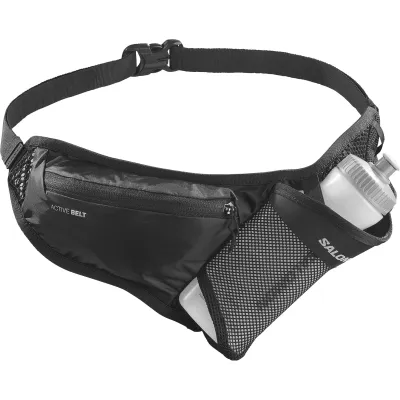
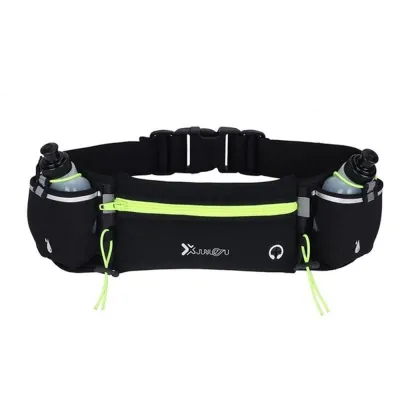
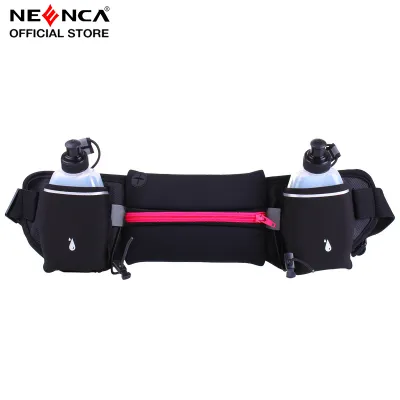
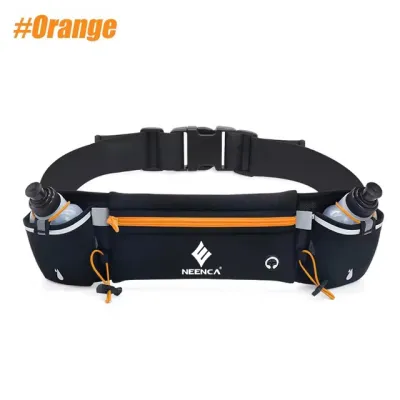
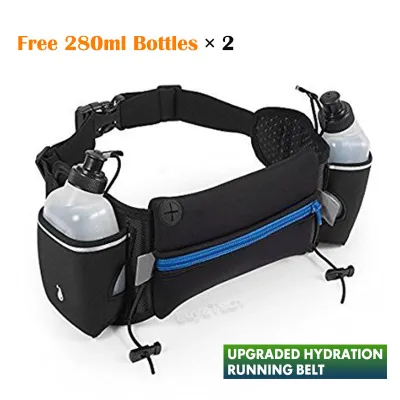
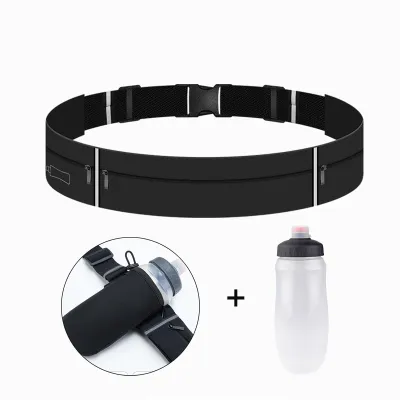
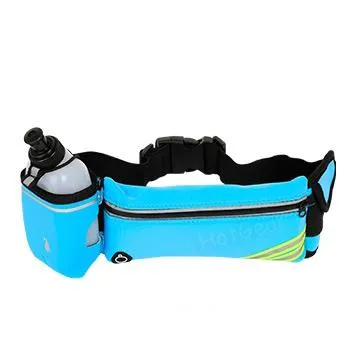
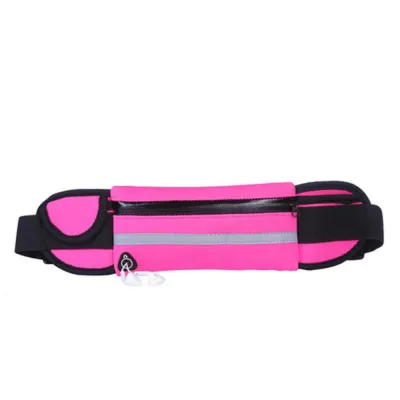
Prices are valid at publication and may change. Please refer to the product page for the latest price.
Bottle Compatibility: Soft Flasks vs. Hard Bottles
Running belt bottles generally fall into two categories: flexible soft flasks and structured hard plastic bottles. Soft flasks collapse as you drink, which eliminates air pockets, prevents liquid from sloshing, and makes them highly compact as they empty. However, they require a snug, supportive holster or sleeve to prevent them from sagging when full. Hard bottles maintain their shape, making them much easier to slide back into a belt holster with one hand while moving, but they can feel more rigid against the body and will slosh continuously unless filled completely to the brim.
Nutrition Formats: Gels and Hydration
Your choice of fuel dictates how you configure your belt’s storage. Standard energy gel packets are highly concentrated and require water to digest properly, making them excellent companions for a belt carrying plain water. If you prefer sports drinks, you must decide between pre-mixing your favorite electrolyte powder at home or carrying portable effervescent tablets to dissolve in your bottle at a mid-run water point. For runners who dislike carrying empty gel wrappers, reusable silicone flasks or gel-specific belt flasks allow you to decant multiple servings of gel into a single, squeezable container.
Pre-Run Compatibility Checks
Before heading out the door, verify that your planned nutrition and gear fit within the manufacturer’s specified limits. Check the maximum weight capacity of your running belt bottle setup; overloading a lightweight belt can stretch the elastic permanently and cause excessive bouncing. Ensure your energy gel packets fit easily into the designated mesh pockets without stretching the seams to their breaking point. If you carry a large smartphone or car keys, verify that these heavy items fit into water-resistant zippered compartments separated from your hydration flasks to prevent moisture damage.
Step-by-Step Guide to Packing Your Running Belt
Step 1: Position the Belt on Your Hips
To minimize vertical movement, position the running belt low on your hips, resting directly on the iliac crest rather than around your natural waist. The pelvic structure provides a stable, bony shelf that can support the weight of full water bottles without compressing your soft abdominal tissues. Placing the belt too high causes it to constrict your breathing as your diaphragm expands, and it will inevitably slide down or bounce excessively during the flight phase of your running stride. Tighten the straps until the belt is snug but does not restrict your hip extension.

Step 2: Fill and "Burp" Your Bottles
When filling your bottles, leave a small air gap at the top of hard bottles to prevent pressure buildup, or perform a “burping” maneuver if you are using soft flasks. To burp a soft flask, fill it with your sports drink or water, gently squeeze the flask until the liquid reaches the base of the bite valve, and then bite down on the valve to release the trapped air. Removing this excess air pocket eliminates the sloshing sound and prevents the shifting weight of the liquid from destabilizing your belt as you run.
Step 3: Distribute Weight Evenly
An unbalanced belt will pull to one side, chafing your skin and altering your running mechanics. Distribute the weight symmetrically around your torso. If you are using a dual-bottle belt, place one filled bottle on each hip. If you are using a single-bottle belt, position the bottle directly over your lower back—your body’s center of gravity—and balance any front-facing pockets with your phone, keys, and energy gels. Keep the heaviest items closest to your spine or pelvis to minimize the leverage they exert during your stride.
Step 4: Secure Your Energy Gels
Place your energy gels into dedicated mesh pockets, securing them so they do not slip out during high-cadence running. If your belt features external silicone loops, slide the gel packets through the loops, ensuring the tear-tab is oriented upward so it does not accidentally catch on your clothing and open prematurely. If you are carrying loose gel packets in a zippered pocket, place them flat against your body to prevent the sharp plastic corners of the packaging from poking through the fabric and irritating your skin.
How to Drink and Eat on the Move Without Breaking Stride
Hydration Strategy for Long Efforts
To maintain optimal hydration and avoid gastrointestinal distress, take small, frequent sips of your sports drink or water rather than consuming large volumes at once. Aim to drink every 15 to 20 minutes, matching your intake to your sweat rate and the environmental conditions. Flooding your stomach with a large volume of fluid can cause sloshing, cramping, and delayed gastric emptying, especially during high-intensity efforts or in hot, humid climates where blood flow is diverted away from the digestive system to cool the skin.
Mastering the One-Handed Bottle Draw
Accessing your running belt bottle should become a matter of muscle memory. Practice reaching back, releasing the retention loop or holster clip, and drawing the bottle with a single, fluid motion without looking down. Keep your eyes on the path ahead to maintain your balance and posture. When you are finished drinking, guide the bottle back into its holster using your thumb as a guide against the edge of the sleeve, ensuring it clicks or seats securely before releasing your grip.
Consuming Gels Safely on the Run
When it is time to fuel, retrieve a gel packet from your belt and tear the top off using your teeth or by pre-tearing a small notch in the corner before your run. If your belt has a small trash pocket, tuck the torn tab and the empty wrapper inside immediately; never discard wrappers on the trail. If you find handling individual packets difficult while moving, consider using a small, reusable silicone flask filled with multiple gels, which allows you to squeeze out precise portions without dealing with sticky, sharp-edged waste.
Environmental Awareness and Safety
Your safety always takes precedence over maintaining a specific split time. When navigating crowded park connectors, technical trail sections, or busy road crossings, temporarily delay your nutrition or hydration window until you reach a clear, flat stretch of path. Slow down your pace slightly when retrieving or replacing your bottle to ensure you maintain full situational awareness, keeping an eye out for uneven pavement, cyclists, and other pedestrians.
Troubleshooting Leaks, Chafing, and Belt Bounce
Preventing Leaks and Spills
Sticky sports drink leaking down your legs can quickly ruin a long run. Before setting off, inspect the threads of your bottle caps to ensure they are aligned correctly and not cross-threaded. Check that the rubber O-rings inside the caps are seated flat and free of debris like sand or dried drink powder. If your bottles feature bite valves, ensure they are pushed completely into the closed position when not in use, and avoid squeezing soft flasks tightly when sliding them back into their holsters.
Combating Friction and Chafing
As you run, the micro-oscillations of your belt can cause friction against your clothing and skin. To prevent chafing, always wear high-quality, moisture-wicking apparel under your belt, avoiding cotton fabrics that retain moisture and increase friction. Apply a generous layer of anti-chafe balm to your hips, lower back, and belly where the belt contacts your body. Be prepared to adjust the tension of your belt slightly during your run; as you sweat and consume your fluids, your body volume and the weight of the belt will change, requiring minor adjustments to keep the fit secure.
Minimizing Vertical Bounce
If your belt begins to bounce, it is usually a sign that the straps have loosened or the weight is poorly distributed. Stop briefly to tighten the adjustment straps, ensuring the belt is seated low on your pelvis. If you are using a single-bottle belt, try rotating the belt slightly so the bottle sits in a different position relative to your lower back. Keeping heavy items like your phone flush against your body in a snug, elastic pocket will also prevent them from acting as a pendulum that amplifies the bounce.
Knowing When to Stop and Adjust
Never attempt to run through severe chafing or a badly bouncing belt that forces you to alter your natural running stride. Running with an altered gait to avoid a rubbing strap or a bouncing bottle can quickly lead to overuse injuries in your hips, knees, or ankles. If you feel a hot spot developing or if the belt is continuously slipping, stop in a safe area, adjust your gear, apply additional anti-chafe balm if carried, and ensure the belt is properly fitted before resuming your run.
Post-Run Cleaning to Prevent Sticky Residue and Mold
Immediate Rinsing Protocols
Sugary sports drinks and energy gels leave behind a sticky residue that quickly becomes a breeding ground for mold and bacteria, especially in warm, humid climates. As soon as you finish your run, empty any remaining liquid from your bottles and flush them thoroughly with warm water. Pay close attention to the bite valves, straws, and cap threads, running warm water directly through the valves to clear out any trapped sugars before they dry and harden.
Deep Cleaning and Sanitization
For a thorough clean, use a dedicated bottle brush and mild dish soap to scrub the interior walls of your bottles. Disassemble the bite valves and caps if the manufacturer’s instructions allow, cleaning the small crevices where mold tends to accumulate. If your bottles have developed a persistent odor or stain from sports drinks, soak them in a solution of warm water and baking soda or a mild vinegar solution for a few hours, then rinse them completely and let them air-dry.
Belt Fabric Care
Your running belt absorbs a significant amount of sweat and body oils during a long run. Wash the belt regularly according to the manufacturer’s care label, which typically recommends hand washing in cold water with a mild detergent or using a gentle machine cycle inside a mesh laundry bag. Avoid using fabric softeners, as they can degrade the elastic fibers and clog the pores of moisture-wicking fabrics. Hang the belt to air-dry completely in a well-ventilated area away from direct sunlight, ensuring it is dry before storage to prevent mildew.
Routine Wear-and-Tear Inspections
Before packing your gear for your next long run, perform a quick inspection of your belt and bottles. Check the elastic straps for signs of fraying or loss of tension, and inspect the plastic buckles and adjustment clips for cracks. Examine the seams of your soft flasks and the seals of your hard bottles for any signs of degradation. Replacing worn parts early prevents gear failures on the road, ensuring your hydration and nutrition setup remains reliable for every mile.
Frequently Asked Questions (FAQ)
Can I mix energy gel directly into my sports drink bottle?
Yes, you can mix energy gels directly with water or sports drinks inside a soft flask or hard bottle to create a customized liquid fuel. This method simplifies your nutrition strategy by combining hydration and calories into a single container, eliminating the need to tear open sticky gel packets while running. However, this approach has notable drawbacks. The highly concentrated, sugary mixture is difficult to clean out of bite valves and straws, increasing the risk of mold growth. Additionally, a pre-mixed solution fixes your nutrition-to-hydration ratio, preventing you from taking in plain water if your stomach becomes upset, and the mixture can spoil rapidly in hot, humid weather. If you choose to mix your gels, you must commit to a rigorous cleaning protocol immediately after every run.
How much fluid can a typical running belt bottle hold?
Most standard running belt bottles hold between 150ml and 300ml of fluid per bottle, though some heavy-duty belts can accommodate larger flasks up to 500ml. To plan your hydration strategy, calculate your fluid needs based on your personal sweat rate, the duration of your run, and the weather conditions. In hot or humid environments, runners often require 400ml to 800ml of fluid per hour. Because a typical running belt’s total capacity may only cover one to two hours of running, you should plan your route around public water fountains, convenience stores, or aid stations where you can refill your bottles during longer training sessions.
Community discussion
Share your experience or ask a question. Comments are reviewed before publication.