
To determine if a bike stand will fit your folding bike, you must verify three critical compatibility factors: the frame tube diameter and shape, the wheel size and axle configuration, and the physical clearance around folding hinges and cables. Because folding bicycles feature non-standard geometries, compact frames, and moving parts, standard universal stands often fail to hold them securely. Checking these dimensions beforehand prevents frame damage, ensures stable parking, and guarantees that the stand will not interfere with the folding mechanism.
In urban environments like Singapore, where space-saving storage in high-rise apartments is essential and multi-modal commuting is common, a reliable stand is crucial. However, because folding bikes are designed to collapse into tight packages, their frames do not follow the traditional diamond shape of standard road or mountain bikes. This guide outlines the exact steps to verify compatibility so you can choose a stand that keeps your bicycle secure without compromising its folding capability.
Check Your Folding Bike's Frame Shape and Tube Dimensions
Before purchasing any folding bike stand, you must identify the specific tube shapes and diameters on your bicycle. Many folding bikes utilize oversized, oval, square, or hydroformed aluminum tubes rather than traditional round steel pipes. If a stand uses a clamp-on design, a non-standard tube profile will not sit flush inside a round cradle, which can lead to uneven pressure, slippage, or localized crushing forces on the frame.
Products mentioned in this guide
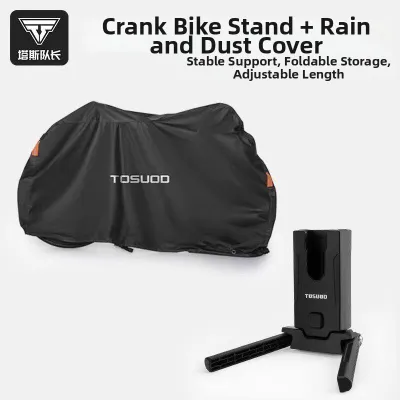
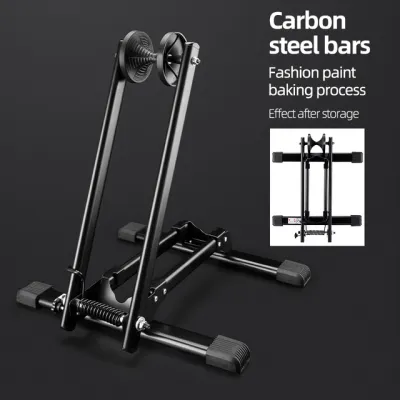
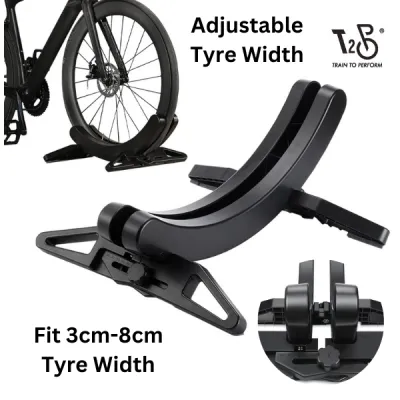
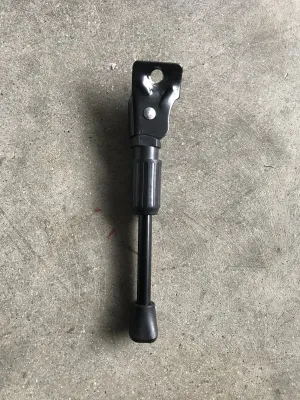
Prices are valid at publication and may change. Please refer to the product page for the latest price.
To ensure a secure fit, measure the outer diameter of the target mounting tube using a caliper or a flexible measuring tape. Compare this measurement directly against the stand manufacturer’s specified clamping range. If your frame tube is larger or smaller than the recommended range, the clamp will either fail to tighten securely or put excessive stress on the frame material.
Additionally, locate all folding hinges, quick-release latches, and frame joints before choosing a mounting location. The stand must never clamp over or directly adjacent to these moving parts. Clamping onto a hinge can warp the folding mechanism, prevent secure locking, or stress structural weld points and reinforced gussets. If your frame features a dedicated kickstand plate near the bottom bracket, measure the bolt hole spacing and clearance to ensure a direct-mount stand will fit without modification.
Verify Wheel Size and Axle Fit for Compact Wheels
Folding bikes typically feature compact wheels, commonly ranging from 16 inches to 20 inches in diameter. Because standard floor stands and display stands are designed for larger 26-inch to 29-inch wheels, you must confirm that the stand’s wheel slots or axle hooks can safely accommodate smaller dimensions. If a stand’s wheel slot is too deep or wide, a compact wheel may bottom out, causing the rear derailleur or frame to strike the ground.

Smaller wheels and shorter wheelbases also alter the bicycle’s center of gravity. When parked, a folding bike can be more prone to tipping, especially if you carry gear on a rear rack or front bag. To prevent tipping, look for a stand with a wide, stable footprint that compensates for this shifted center of gravity. The stand should support the bike at an angle that keeps the weight centered over the base.
Axle compatibility is another critical factor to inspect. Some stands support the bicycle by hooking onto the rear axle nuts or clamping the quick-release skewer. You must verify whether your folding bike uses a hollow quick-release skewer, a solid bolt-on axle, or an internal gear hub. Each axle type requires a specific interface on the stand, and using the wrong type can damage the axle threads or cause the bike to slip out of the stand.
Ensure Clearance for Folding Hinges and Cables
One of the most common issues with aftermarket folding bike stands is interference with the folding mechanism. A stand must leave adequate physical clearance for the frame to fold completely without binding. If a kickstand or storage stand protrudes too far, it may strike the front wheel, handlebars, or pedals when the bike is collapsed, preventing a compact fold.
To prevent damage, trace the path of all external brake hoses, gear cables, and electrical wires along the frame. Folding bikes often route cables along the underside of the main tube or near the bottom bracket to allow for clean folding. Ensure the stand’s mounting bracket or clamp does not pinch, rub, or stretch these cables during deployment or folding, as this can degrade shifting and braking performance over time.
Always review the frame manufacturer’s guidelines regarding aftermarket accessories. Lightweight aluminum, titanium, or carbon fiber folding frames have specific load limits and thin tube walls. Clamping a heavy-duty stand onto a delicate tube can crimp the material and void your warranty. If the manufacturer advises against clamp-on accessories, look for stands that interact only with the wheels or axles rather than the frame tubes.
Test the Stand's Stability and Grip Safely
Once you have selected a stand that matches your bike’s measurements, you must validate its stability and grip in a controlled environment before relying on it in public or on uneven surfaces. Perform a static balance test on a flat, hard floor indoors. Carefully place the bike in the stand and observe if there is any lateral lean, frame flex, or gradual slipping of the clamps.
Next, apply gentle lateral pressure to the saddle or handlebars to simulate wind, accidental bumps, or the vibrations of a passing train if you store your bike near a doorway. Observe how the stand’s base reacts. If the base lifts easily or the clamps shift under this minor load, the setup is not secure enough, and you may need a stand with a wider footprint or a more slip-resistant clamping surface.
Monitor the contact points closely during your initial tests. Look for any signs of paint cracking, frame creaking, or indentation on the tubes. If you notice any of these warning signs, stop using the stand immediately to prevent permanent structural damage. If you are unsure about the safety of a mounting position, consult the bicycle manufacturer or a qualified local mechanic for guidance.
Frequently Asked Questions (FAQ)
Can I use a standard mountain bike stand for a folding bike?
Standard mountain bike stands are generally incompatible with folding bikes due to differences in wheel size and frame geometry. The wide wheel slots on a mountain bike stand will not support a narrow 16-inch or 20-inch folding bike tire, causing the bike to tilt or fall. Additionally, the clamping mechanisms on these stands are designed for larger tube diameters and may not tighten securely on the compact, specialized tubes of a folding frame.
Do I need a specific stand if my folding bike has a mid-drive motor?
Yes, electric folding bikes with mid-drive motors require careful stand selection due to their increased weight and altered frame geometry. You must verify that the stand’s maximum weight capacity can safely support the heavier e-bike frame, motor, and battery. Additionally, check that the stand’s mounting brackets do not interfere with the motor housing, battery compartment, or specialized sensor wiring located near the bottom bracket.
Community discussion
Share your experience or ask a question. Comments are reviewed before publication.