
Checking if a fishing reel battery is compatible with your electric reel requires matching the electrical specifications, verifying the physical dimensions, and ensuring the connector plug aligns perfectly. Before taking your gear out onto the water, a systematic check of these parameters prevents costly electrical failures and keeps your equipment operating safely.
Understand Your Reel’s Power Requirements
To begin, locate the manufacturer’s specification label, nameplate, or user manual for your electric reel. This label is typically found on the underside of the reel body or within the battery compartment. Here, you will find the required operating voltage, which is the most critical factor for compatibility.
The output voltage of your chosen fishing reel battery must match the reel’s required voltage exactly. For instance, connecting a 24V battery to a reel rated only for 12V to 14.8V can cause immediate, permanent damage to the internal motor and electronic display. Conversely, under-powering the reel with a lower voltage will result in sluggish performance or failure to retrieve under load.
Products mentioned in this guide
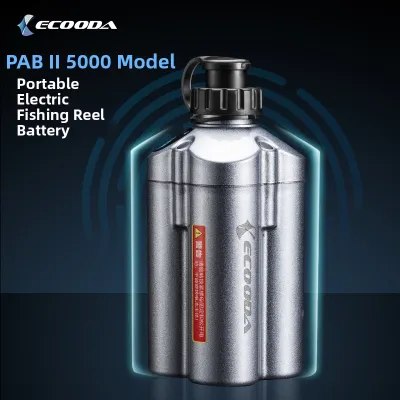
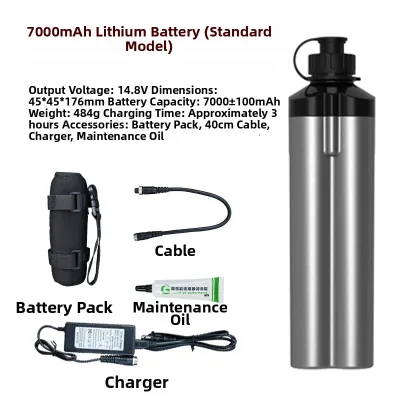
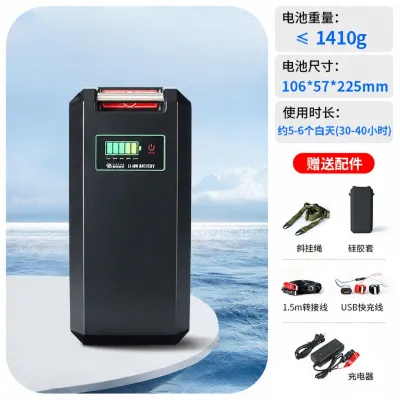
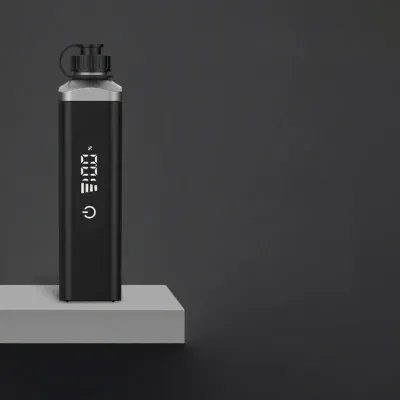
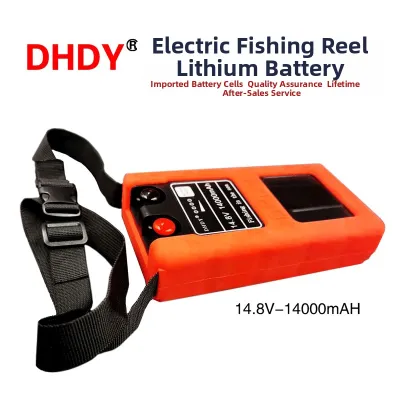
Prices are valid at publication and may change. Please refer to the product page for the latest price.
Next, check the recommended battery capacity, measured in Ampere-hours (Ah), alongside the continuous discharge rating. The discharge rating must be sufficient to handle the reel’s peak power draw during heavy retrieves or when fighting large fish. Verifying these electrical limits on the manufacturer’s spec sheet ensures your power source can sustain the necessary current without overheating.
Inspect Physical Dimensions and Connector Types
Physical compatibility is just as vital as electrical matching, especially when space on your vessel or rod is limited. Measure the reel’s designated battery compartment, mounting bracket, or your boat’s console storage space using a standard measuring tape. Compare these measurements against the length, width, and height specifications of the new battery before making a purchase.

Weight is another critical factor to verify, particularly if you plan to use a rod-mounted battery system. A battery that is too heavy can throw off the balance of your fishing rod, leading to rapid wrist fatigue during long hours of jigging. If you are mounting the battery to a small boat console or kayak deck, ensure the weight aligns with your vessel’s load distribution limits.
Carefully examine the reel’s power port and the battery’s output plug. Look closely at the shape of the connector, the number of pins, and the polarity alignment. Even if a plug seems to fit, a difference in pin configuration can prevent the flow of electricity or cause a short circuit.
Never force a mismatched plug into a port, and avoid using unverified third-party adapters. Forcing connections can bend the delicate pins or compromise the seal, allowing saltwater to seep in and cause immediate corrosion.
Evaluate Battery Chemistry and Marine Suitability
Different electric reels are designed with specific battery chemistries in mind, such as Lithium-ion, Lithium Iron Phosphate (LiFePO4), or Sealed Lead Acid (SLA). Review your reel manufacturer’s guidelines to confirm which chemistries are explicitly approved for your model. Some modern reels feature sensitive electronics that require the stable voltage curve of lithium, while older models might tolerate a wider range of inputs.
Marine environments present harsh conditions, making waterproofing and dust resistance essential features for any fishing reel battery. Check the battery label for an ingress protection (IP) rating or explicit marine-grade certification. The casing must be robust enough to withstand constant exposure to saltwater spray, high humidity, and occasional direct splashes.
When selecting a battery chemistry, consider the weight-to-capacity trade-off. Lithium batteries generally offer a much higher energy density, providing longer runtimes in a lightweight package compared to traditional lead-acid options. This weight reduction directly translates to less physical fatigue when handling your gear throughout a full day of offshore fishing.
Safety Boundaries and Warranty Considerations
Using unauthorized or modified third-party batteries can carry significant risks, including voiding your electric reel’s manufacturer warranty. If an unapproved power source causes an electrical short, the manufacturer may decline to cover the repair costs. Always check the warranty terms to see if using non-branded batteries is restricted.
Before heading out to sea, perform a preliminary, low-risk test of the connected system in a dry, controlled environment. Monitor the setup closely for warning signs such as excessive heat buildup at the connector, unusual clicking sounds from the motor, or error codes flashing on the reel’s digital display. If any of these signs occur, disconnect the power immediately.
If you encounter conflicting specifications, missing labels, or if your intended battery setup is not explicitly covered in the user manual, stop the installation. Consult the reel manufacturer or a qualified marine electronics technician to verify compatibility before proceeding. Equipment checks and proper training are your best defense against failures on the water.
Frequently Asked Questions (FAQ)
Can I use a higher capacity (Ah) battery than recommended?
Yes, using a battery with a higher Ampere-hour (Ah) rating is generally safe and will extend your fishing time on the water, provided the voltage matches your reel’s requirements exactly. The Ah rating simply dictates how much energy the battery stores. However, keep in mind that higher capacity batteries are typically larger and heavier, so you must verify they still fit your physical mounting setup or carrying bag.
What should I do if the battery plug does not match the reel?
If the battery plug does not match your reel’s power port, do not attempt to cut, splice, or tape the wires yourself. Modifying the cables without professional marine-grade sealing compromises the waterproofing, exposing the wires to saltwater corrosion and short circuits. Instead, look for an official adapter cable approved by the reel manufacturer, or return the battery to exchange it for a model with the correct native connector.
Community discussion
Share your experience or ask a question. Comments are reviewed before publication.