
Finding a golf buggy seat cover that fits securely is essential for a comfortable, slip-free ride. In Singapore’s tropical climate, where high humidity, intense sun, and sudden downpours are common, a well-fitting cover also protects your cart’s cushions from sweat, UV damage, and moisture. To ensure a perfect fit, you must identify your buggy’s exact make, model, and manufacturing year, match its specific seat configuration, take manual dimensions, and check for physical interferences like armrests or hinges before making a purchase.
Locate Your Golf Buggy's Exact Make, Model, and Year
Finding your buggy’s exact identity is the most critical step in avoiding an incorrect purchase. Golf buggy manufacturers do not use standardized seat dimensions, meaning a cover designed for a Club Car will rarely fit an E-Z-GO or a Yamaha. To locate this information, you need to find the manufacturer’s serial number or model plate on your cart.
On Club Car models, this plate is typically positioned under the passenger-side glove box or directly on the dash panel. For E-Z-GO carts, look near the steering column, inside the passenger-side glove compartment, or on the frame rail under the seat. Yamaha buggies usually feature their serial numbers under the seat cushion, on the rear frame near the bumper, or under the front cowl.
Products mentioned in this guide
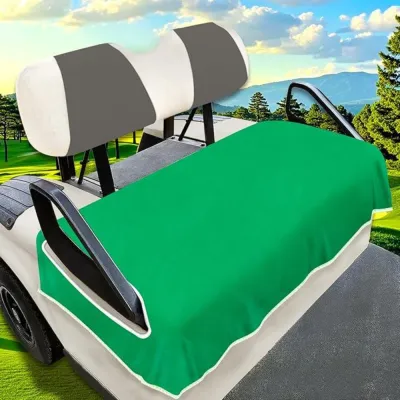
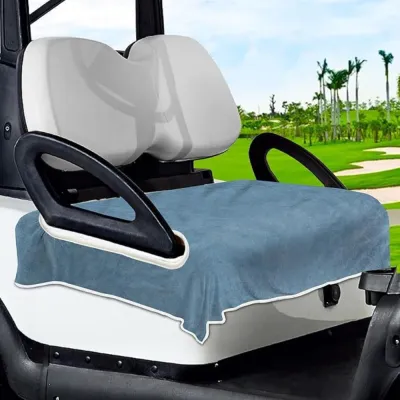
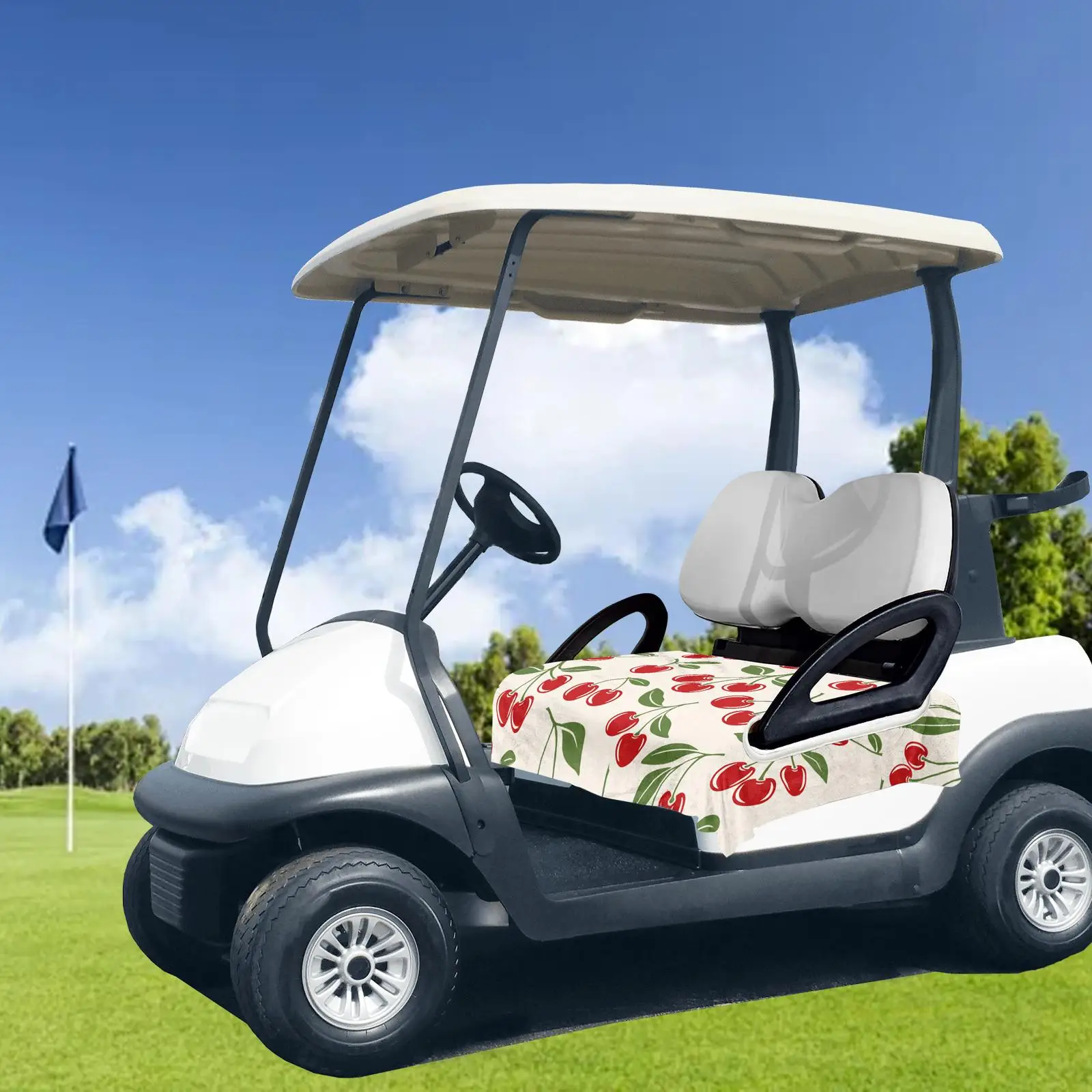
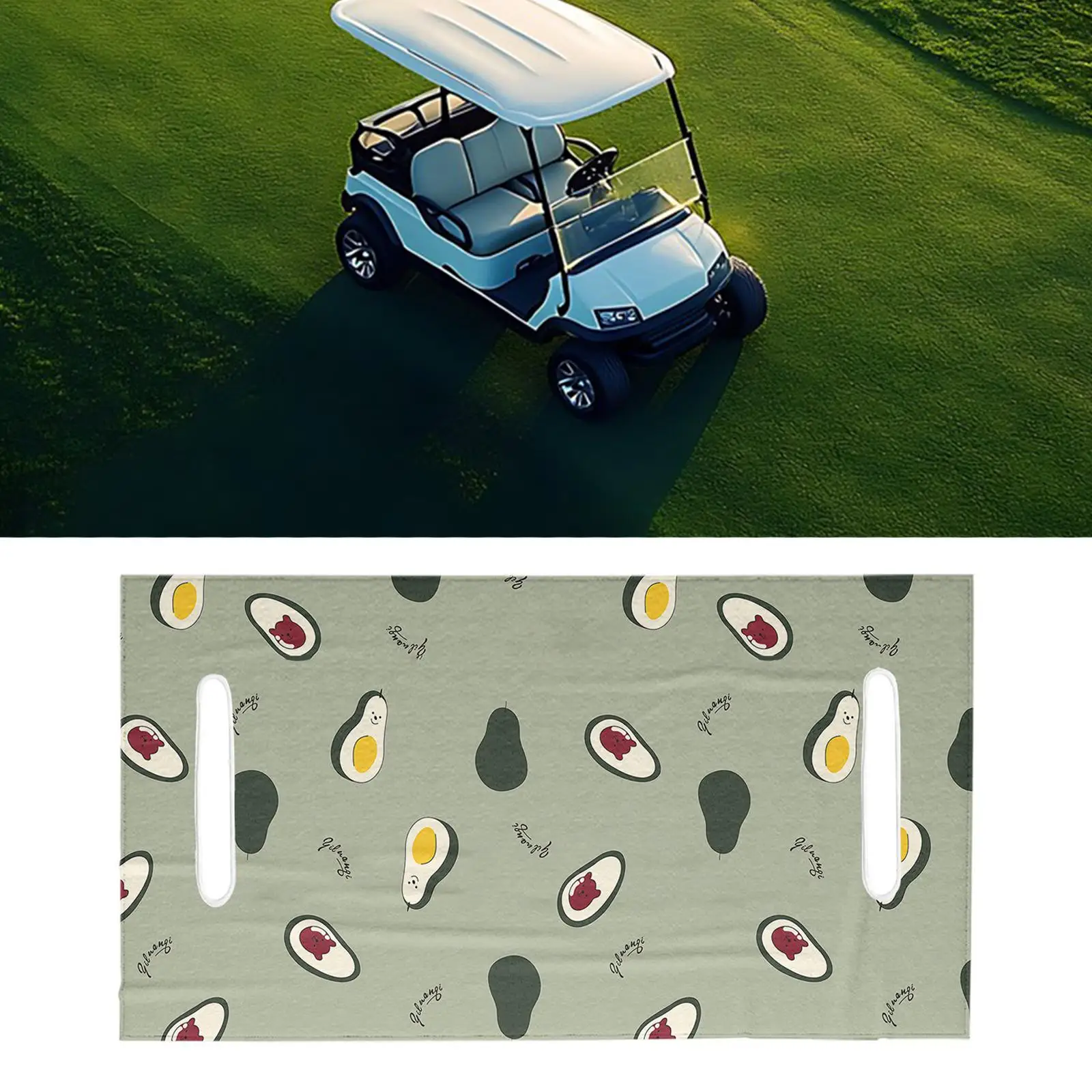
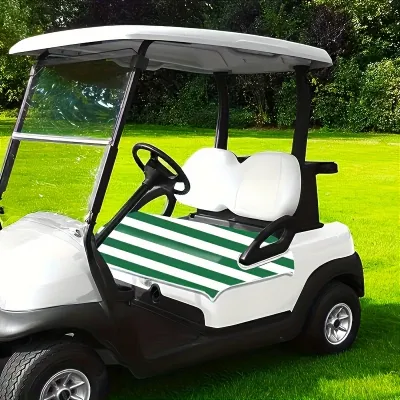
Prices are valid at publication and may change. Please refer to the product page for the latest price.
Confirming the exact manufacturing year is vital because brands frequently update body styles and seat designs across different generations. For example, a Club Car DS manufactured before 2000 has a completely different seat profile than a Club Car Precedent or a newer Tempo model, even though they share the same brand name. A minor generational update can result in changes to cushion thickness, backrest taper, or mounting bracket placement, making older or newer covers incompatible.
Match Your Seat Configuration to the Cover Specifications
Golf buggies come in several seating layouts, and matching your layout to the cover’s design is essential. Standard two-passenger setups feature a single bench seat for the driver and passenger, along with a matching backrest. However, if your buggy is a four-passenger model, you must determine whether the rear seats are forward-facing or rear-facing jump seats. Rear-facing seats are often aftermarket additions with different dimensions than the factory front seats, meaning they require a dedicated, separate cover set.

You must also identify whether your buggy features a continuous bench seat or individual bucket seats. Bench seats are flat, continuous cushions that span the entire width of the cart, whereas bucket seats are contoured to hold individual riders. Covers designed for bench seats cannot stretch over bucket seats without tearing or leaving massive air gaps, while bucket seat covers will not fit a continuous bench.
When browsing online marketplaces or specialist golf distributors, you will encounter specific terms used to describe fitment:
- OEM Fit / Custom-Fit: These covers are tailored to the exact millimeter of a specific model and year. They offer the cleanest look, do not slip, and often feature pre-cut holes for hinges and straps, but they carry a higher price tag, typically ranging from S$100 to over S$250.
- Universal Fit: These are designed to drape over a wide range of standard bench seats. They are highly affordable—often costing between S$30 and S$60—but they rely on elastic bands or plastic clips to stay secure, which can lead to minor wrinkling or shifting.
- Stretch-Fit: Made from highly elastic materials like neoprene or spandex blends, these covers stretch over various cushion shapes. They offer a tighter fit than standard universal covers but can wear out faster under intense tropical sun and heavy use.
Measure Your Seats to Verify Universal or Custom Dimensions
When exact compatibility charts are unavailable, manual measurement is the most reliable way to verify fit. To do this, you will need a flexible measuring tape to capture the exact dimensions of the seat cushions. Always measure the vinyl or fabric cushion itself, rather than the outer plastic backing or the metal frame of the buggy, as the cover only wraps around the padded section.
Start by measuring the seat base cushion. Record the width from the leftmost edge to the rightmost edge at the widest point. Next, measure the depth from the very front of the cushion to the back where it meets the backrest. Finally, measure the thickness of the cushion from the top surface down to the bottom edge. Repeat this process for the seat backrest, measuring both the height from top to bottom and the width from side to side.
Once you have these numbers, compare them directly against the product dimensions listed by the seller. If you are opting for a non-stretch material like heavy-duty canvas or synthetic leather, your measurements must match the cover’s dimensions within a margin of 1 to 2 centimeters. For stretch-fit or elasticated universal covers, ensure your cart’s dimensions fall comfortably within the manufacturer’s stated stretch range. Never rely on visual estimates; even a 3-centimeter difference in cushion thickness can prevent a cover from wrapping securely around the base, causing it to pop off when you sit down.
Identify Physical Interferences Like Armrests and Hinges
A cover might have the correct length and width but still fail to fit due to physical obstacles on your buggy’s frame. Armrests are the most common interference. Some golf buggies feature integrated armrests that curve directly out of the seat base or backrest, while others have bolted-on metal bars. If your cart has armrests, check if the seat cover includes pre-cut slots, zippered openings, or Velcro flaps. Attempting to cut these openings yourself into a universal cover is highly risky, as it can cause the fabric to fray, compromise its structural integrity, and void any return policies.
Headrests and folding mechanisms also require careful consideration. Luxury or upgraded buggies often feature adjustable headrests that extend from the top of the backrest. A standard cover will block these posts unless it is specifically designed with headrest cutouts. Furthermore, if you have a folding rear seat that flips down to carry cargo, the cover’s straps and mounting hooks must not interfere with the folding hinges or latching mechanisms.
Safety hardware must never be compromised for the sake of an accessory. Ensure that the seat cover does not block access to seat belt buckles, mounting brackets, or emergency release latches. If your buggy is used on public roads or busy estate paths where seat belts are mandatory, check that the cover features appropriate pass-through slots so the belts can function without restriction.
Test the Fit and Functionality After Installation
Once your new cover arrives, perform a thorough physical and visual inspection during the initial installation. Begin with a visual check: look for excessive wrinkling, sagging fabric, or misaligned seams. A poorly aligned cover not only looks untidy but also concentrates stress on specific seams, leading to premature tearing. Ensure that all edges wrap completely around the cushion and are firmly secured underneath.
Next, test the functionality of all moving parts. Fold the seats forward to access the battery compartment or engine bay, ensuring the cover’s straps do not pinch, catch, or stretch excessively when the seat is tilted. If your buggy features electric drive systems, verifying easy access to the batteries under the seat is crucial, as you do not want to remove the entire cover every time you need to charge or perform routine maintenance.
Finish with a safety and comfort test. Sit in the driver’s seat and slide side-to-side to confirm the cover does not slip or bunch up beneath you. In Singapore’s hot and humid climate, covers must remain taut to prevent sweat and moisture from pooling in loose fabric folds. Ensure your range of motion is completely unrestricted and that the material does not interfere with your ability to reach the accelerator, brake pedal, or steering wheel.
Frequently Asked Questions (FAQ)
Can I use a universal seat cover on a custom-built golf buggy?
Universal seat covers rely on standard factory dimensions and moderate material stretch to achieve a reasonable fit. If your custom-built buggy features highly contoured, oversized, or uniquely shaped custom seats, a universal cover will likely slip, bunch, or fail to cover the entire cushion. For bespoke or heavily modified seats, it is highly recommended to invest in custom-tailored covers or consult a professional marine-grade upholsterer to ensure a secure, long-lasting fit.
Will a seat cover fit if my golf buggy has an aftermarket seat upgrade?
No, standard compatibility charts provided by manufacturers are based strictly on original equipment manufacturer (OEM) specifications. Aftermarket seat upgrades—such as luxury bolstered seats or heavy-duty utility benches—frequently feature different widths, thicknesses, and mounting styles than factory defaults. You must measure the aftermarket seats directly and compare those exact measurements against the cover’s specifications rather than relying on your buggy’s original model name.
Community discussion
Share your experience or ask a question. Comments are reviewed before publication.