
To ensure your electric fishing reel operates safely and efficiently on the water, you must verify that any replacement or upgrade battery matches your reel’s exact electrical and physical specifications. Pairing an incompatible battery with your reel can lead to immediate system failure, permanent motor damage, or poor performance during a deep-sea haul. You can confirm compatibility by systematically checking three core parameters: voltage, connector design, and capacity.
Locate and Read Your Electric Reel's Power Specifications
Before shopping for an electric reel battery, locate the physical specifications of your reel. Manufacturers typically print these details on a small metal nameplate or a durable sticker affixed to the underside of the reel body, near the mounting foot, or on the inner side of the handle assembly. If the sticker has worn off due to saltwater exposure, consult the technical specifications section of the original user manual.
On this label, look specifically for the required input voltage, usually denoted in volts (V), and the maximum current draw, denoted in amperes or amps (A). Do not rely solely on general model names or online forum recommendations. Different production years or regional editions of the same reel model can feature updated internal electronics that require different power inputs. Checking the physical label on your specific unit is the only way to establish an accurate baseline.
Products mentioned in this guide
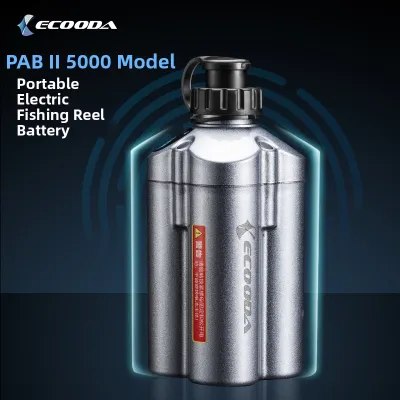
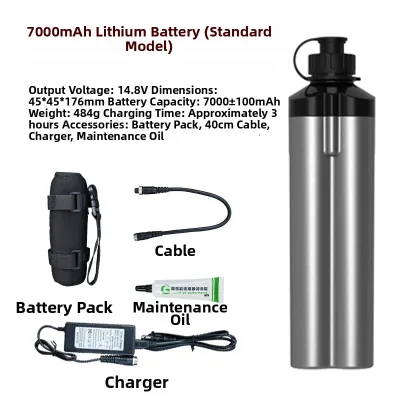
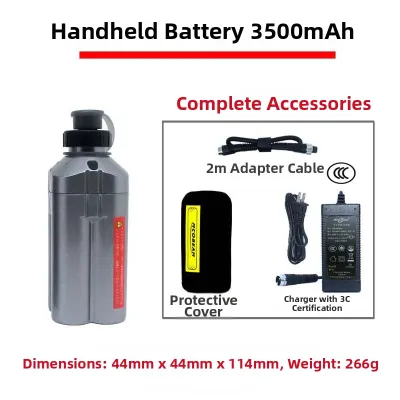
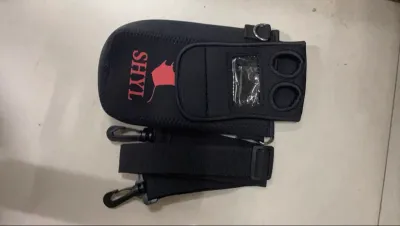
Prices are valid at publication and may change. Please refer to the product page for the latest price.
Match the Voltage and Current Requirements
Voltage matching is an absolute rule; you must pair your reel with a battery that delivers the exact nominal voltage specified by the manufacturer. Most standard electric reels operate on 12V to 14.8V systems. Connecting a higher-voltage battery, such as a 24V unit, to a 12V reel will likely overwhelm the internal circuitry, causing immediate and irreversible motor damage. Conversely, using an undervolted battery will result in sluggish retrieval speeds, insufficient torque, and frequent reel shutdowns under load.

Next, verify that the battery’s maximum continuous discharge rate meets or exceeds the reel’s peak current draw. If a reel draws a peak of 25A during a heavy retrieve, the battery’s integrated management system must be rated to deliver at least that amount safely.
It is also important to understand the difference between nominal voltage and fully charged voltage, especially with lithium-based marine batteries. A lithium battery labeled as 14.8V nominal may read over 16V when fully charged. Check your reel’s manual to confirm its maximum acceptable voltage tolerance before connecting a fully charged lithium power source.
Verify the Connector Type and Polarity
Even if the electrical specifications match, the battery must physically connect to your reel. Electric fishing reels utilize specialized marine-grade connectors designed to seal out moisture and salt spray. Common configurations include two-pin and eight-pin threaded collars, as well as alligator clip adapters for direct terminal connection. Inspect the pin layout, diameter, and threading of both the reel’s power cord and the battery’s output port to ensure a secure, watertight fit.
Polarity is another critical factor. Look for clear positive (+) and negative (-) markings on both the reel socket and the battery plug. Connecting these terminals in reverse can cause catastrophic electrical shorts.
If the connector types do not match directly, only use manufacturer-approved adapter cables. Avoid DIY splicing or custom rewiring of power cords, as improper insulation or poor soldering can introduce resistance, lead to voltage drops, and compromise the waterproof integrity of the connection in rough sea conditions.
Evaluate Battery Capacity and Physical Dimensions
Battery capacity, measured in Amp-hours (Ah), determines how long you can fish before needing a recharge. While a higher Ah rating provides longer runtime under typical fishing loads, it does not increase the power or speed of the reel itself. When selecting a capacity, consider your typical fishing depth, target species, and the weight of the sinkers you use, as deep-water jigging demands significantly more energy than shallow-water bottom fishing.
You must also evaluate the physical footprint and weight of the battery. If you plan to mount the battery directly to the rod or carry it in a wearable pouch, a heavy lead-acid battery is impractical; a compact lithium-ion or lithium iron phosphate (LiFePO4) pack is much more suitable. For boat-mounted setups, measure the designated battery box or storage compartment to ensure the unit fits securely and will not slide around in heavy swells.
Keep in mind that the weight of the battery directly affects the overall balance and handling of your fishing rod. A poorly balanced setup can cause rapid wrist fatigue during long days on the water, so choose a battery that balances capacity needs with comfortable handling.
Safety Boundaries and When to Stop
Working with marine electronics requires strict attention to safety. Before every trip, inspect your power cables and connectors for any signs of degradation, such as melting, plastic discoloration, corrosion, or loose pins. If you notice any of these issues, do not attempt to connect the battery, as loose connections can cause electrical arcing and pose a fire hazard.
If your reel’s specification sticker is completely missing, faded, or contradicts the information in an online manual, stop the process immediately. Do not guess the voltage requirements. Contact the manufacturer or an authorized service center to verify the correct specifications using your reel’s serial number.
Additionally, when using lithium batteries, ensure the unit features a high-quality, integrated Battery Management System (BMS). The BMS acts as a vital safety barrier, protecting the battery from over-charging, over-discharging, and short circuits, which is essential for maintaining safety in harsh marine environments.
Frequently Asked Questions (FAQ)
Can I use a higher capacity (Ah) battery if the voltage matches?
Yes. A higher Amp-hour (Ah) rating simply means the battery holds more energy, allowing you to fish longer between charges. It does not force more voltage or current into the reel. As long as the voltage matches the reel’s specifications and the battery’s physical size and weight are manageable for your setup, a higher capacity battery is safe to use.
What happens if I plug in a battery with the wrong polarity?
Plugging in a battery with reversed polarity can instantly destroy your reel’s electronics. It typically results in blown internal fuses, melted wiring, or fried circuit boards. Always double-check the positive and negative markings on both the connector and the battery terminals before making the final connection to prevent costly damage.
Community discussion
Share your experience or ask a question. Comments are reviewed before publication.