
A climbing carabiner hook is a fundamental link in your safety chain, directly responsible for arresting falls and securing your position on the wall. Because your life depends on this small piece of hardware, knowing exactly when to trust it—and when to retire it—is a non-negotiable skill for every climber. Before you tie in for your next climb, you must perform a systematic inspection of your gear to ensure its structural integrity and functional reliability.
An immediate decision to retire a carabiner hook is required if you observe visible cracks, deep structural grooves, or a gate that fails to close and lock automatically. Known exposure to harsh chemicals, extreme heat, or a severe fall also demands immediate retirement, regardless of visual appearance. Remember that while thorough gear inspections are vital, they supplement but never replace formal climbing training, professional instruction, and sound risk assessment on the rock or in the gym.
Step 1: Visual Inspection of the Carabiner Hook Body and Spine
Before starting your inspection, thoroughly clean the carabiner hook to remove any accumulated climbing chalk, dirt, or aluminum dust that could mask structural flaws. Use a damp cloth or a soft-bristled brush with warm water to clear the surface, then dry the metal completely. Once clean, place the carabiner under bright, direct light so you can examine the entire surface of the metal.
Products mentioned in this guide
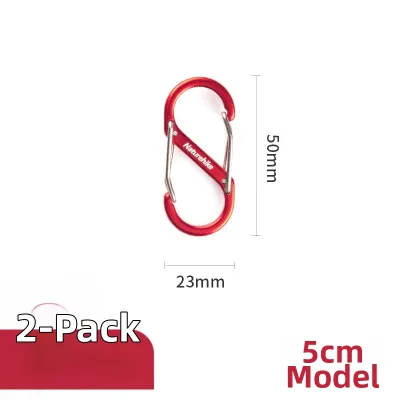
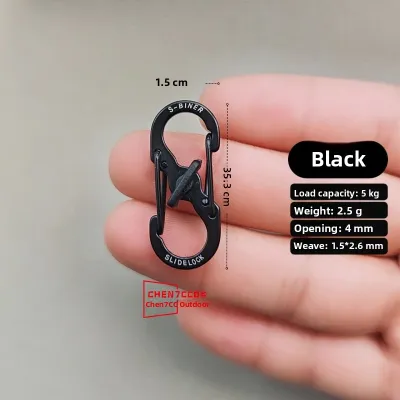
![[SG Stock] S-Biner Aluminum Alloy Dual Carabiner Hook Outdoor Camping Hiking](https://img.lazcdn.com/g/p/d574f43883e26950ef1c22d18b30eda1.jpg_400x400q80.jpg_.webp)
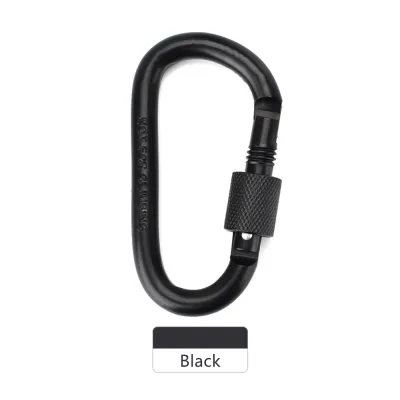
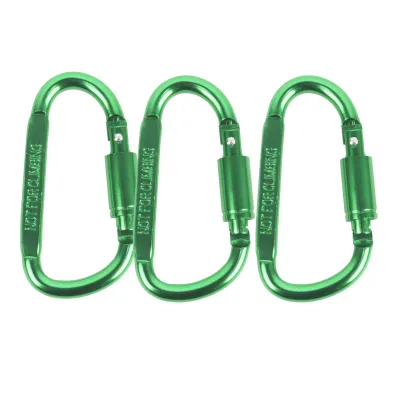
![[SG SELLER] (3 PIECES PER ORDER) MULTI-PURPOSE CARABINER MOLLE FOR ANY BAGS WITH HOOK AND SCREW KEYCHAIN [C053] [C181]](https://img.lazcdn.com/g/p/f1b1b62f7db3f7d6f0bd1b60455dc338.jpg_400x400q80.jpg_.webp)
Prices are valid at publication and may change. Please refer to the product page for the latest price.
Begin your visual check with the spine, which is the solid, non-opening side of the carabiner that bears the majority of the load during a fall. Run your fingers slowly along the metal to feel for any irregularities, hairline cracks, deep scratches, or physical deformation. Pay close attention to any areas where the metal appears bent, twisted, or structurally altered from its original shape, as these are clear indicators of severe stress.
Next, inspect the basket—the curved top and bottom areas where the rope runs and where hangers or bolts sit. Look closely for sharp edges, excessive thinning, or structural asymmetry that could compromise the strength of the basket. Minor surface scuffs and faded anodizing are normal cosmetic results of regular climbing, but deep gouges or metal loss require careful evaluation.
It is critical to distinguish between harmless cosmetic wear and structural metal loss. Faded color or light surface scratches do not impact the strength of the aluminum alloy. However, any gouges that penetrate deep into the metal, or any wear that has removed more than 10% of the carabiner’s original diameter, compromise its structural safety. If you identify any structural metal loss, retire the carabiner immediately.
Step 2: Testing the Gate Action and Locking Mechanisms
The gate is the moving part of the carabiner hook, and its flawless operation is essential to prevent accidental unclipping. Start by testing the gate swing: open the gate fully and release it. It should open smoothly without any grinding sensations and snap shut crisply and instantly. If the gate feels sluggish, sticks open, or requires manual assistance to close, it is unsafe to use.

Next, check for a phenomenon known as gate flutter. Gate flutter occurs when vibrations on the rope or a sudden impact cause the gate to bounce open momentarily, significantly reducing the carabiner’s strength. To test for this, hold the spine of the carabiner and tap the back of it firmly against your palm. The gate should remain securely closed and should not wobble or vibrate open under this light impact.
For locking carabiners, you must perform specific checks on the locking mechanisms, whether they are screwgates, twist-locks, or auto-locking designs. Rotate the sleeve to ensure it moves smoothly along the threads without sticking or cross-threading. Inspect the internal threads for dirt, grit, or metal shavings that could prevent the sleeve from engaging fully. The locking sleeve must lock completely and unlock without binding.
Finally, verify the alignment of the gate nose and the body of the carabiner. When the gate closes, the nose must align perfectly with the keylock slot or the gate pin without hanging up or leaving any visible gap. A misaligned gate prevents the carabiner from forming a closed loop, which dramatically reduces its rated strength and increases the risk of catastrophic failure under load.
Step 3: Evaluating Rope Groove Wear and Nose Integrity
The areas of the carabiner hook that experience the highest friction are the rope-bearing surfaces, specifically the basket. Over time, the friction of dirty ropes running through the carabiner grinds away the aluminum, creating rope grooves. While a smooth, polished surface is normal, a deep, distinct groove with sharp edges can easily slice or damage your climbing rope’s sheath during a fall.
To evaluate rope groove wear, feel the transition between the worn groove and the original shape of the basket. If you detect sharp ridges or if the groove depth approaches the limit specified by the manufacturer, the carabiner must be retired. While some manufacturers permit wear up to 1mm or 10% of the material thickness, you must consult your specific brand’s user manual to verify the exact allowable wear limits.
Next, examine the nose of the carabiner for any signs of bending, hooking, or blunting. A deformed nose increases the risk of nose-hooking, a dangerous scenario where the carabiner snags on a bolt hanger or cable rather than clipping fully. When a carabiner is loaded on its nose rather than along its major axis, it can fail at a fraction of its rated strength.
Additionally, evaluate the hinge pin area where the gate connects to the body. Check for excessive play, lateral wobble, or visible gaps around the pin. A loose hinge pin indicates internal wear or degradation of the pin itself, which can lead to gate failure under load. If the gate wobbles excessively from side to side when open, the structural integrity of the hinge is compromised.
Hidden Risks: Chemical, Heat, and Drop Damage
Not all damage to a carabiner hook is visible to the naked eye. Environmental factors and impact events can compromise the structural integrity of aluminum and steel alloys without leaving obvious marks. Chemical exposure is one of the most insidious hidden risks; substances like battery acid (often found in car trunks), harsh solvents, household cleaners, and even urine can cause invisible intergranular corrosion that severely weakens the metal.
Heat damage is another critical factor that can alter the temper and strength of climbing hardware. Exposure to extreme heat, such as proximity to a campfire or rapid friction from a high-speed rope descent, can ruin the heat treatment of aluminum. Look for signs of discoloration, melting, or a dull, altered surface finish. If you suspect your gear has been exposed to temperatures exceeding normal environmental limits, retire it immediately.
High-impact drops onto hard surfaces, such as dropping a carabiner from a significant height onto rock or concrete, present a highly debated risk in the climbing community. While modern aluminum alloys are resilient, a severe drop can introduce micro-fractures within the metal structure or damage the internal spring mechanisms. Because these micro-fractures cannot be detected without specialized industrial testing, the standard industry precaution is to retire any carabiner subjected to a major fall onto a hard surface. Always verify your gear against the manufacturer’s specific impact and drop policies.
Definitive Retirement Criteria: When to Retire Your Carabiner
To keep your climbing kit safe, you must establish clear, non-negotiable retirement criteria. A carabiner hook must be permanently removed from service if it exhibits any of the following structural issues: visible cracks, structural bends, deep gouges, sharp edges that could cut a rope, or excessive wear exceeding 10% of the metal’s original diameter.
Functional failures are equally critical grounds for immediate retirement. If the gate fails to close automatically, if the locking mechanism sticks or fails to engage, or if the gate remains misaligned after cleaning and lubrication, the gear is no longer safe. Do not attempt to force a malfunctioning carabiner to work on the wall; its failure to operate smoothly is a clear signal that its service life has ended.
You must also consider the age and usage history of your gear. While metal hardware does not degrade over time in the same way nylon slings do, manufacturers still provide maximum recommended lifespans—often up to 10 years from the date of manufacture, even if unused. Keeping a detailed gear log that tracks the purchase date, frequency of use, and any significant events (such as holding a severe fall) is essential for managing your equipment’s lifecycle.
When a carabiner hook reaches the end of its life, you must dispose of it in a way that prevents anyone else from finding and using it. Do not simply throw a compromised carabiner into a trash bin intact. Use a hacksaw to cut through the spine, crush the body in a vise, or deeply scratch and deface the metal so it is visually obvious that the gear is unusable. Once destroyed, the metal can be safely recycled.
Routine Maintenance and Cleaning for Climbing Gear
Regular maintenance and cleaning can significantly extend the life of your carabiner hook and ensure it operates reliably when you need it most. In humid climates, such as Singapore, salt air, sweat, and moisture can accelerate corrosion and cause moving parts to seize. Establish a routine of washing your gear after climbs, especially if you have been climbing near the ocean or in dusty environments.
To wash your carabiners, submerge them in warm water mixed with a mild, non-detergent soap. Use a soft toothbrush to gently scrub away dirt, chalk, and salt from the hinge, gate spring, and locking sleeve. Rinse the hardware thoroughly with clean, fresh water to remove all soap residue, then shake out any excess water and allow them to air dry completely away from direct sunlight or high heat.
Once dry, apply a small drop of a dry, PTFE-based or manufacturer-approved lubricant directly to the gate hinge, spring, and locking sleeve threads. Wipe away any excess lubricant with a clean cloth. Never use wet, greasy, or heavy oil-based lubricants (such as standard WD-40 or motor oil), as these will attract dirt, sand, and climbing chalk, creating an abrasive paste that accelerates wear and jams the mechanism.
Store your clean, dry carabiners in a cool, dry, and well-ventilated place. Keep them away from direct sunlight, damp environments, and any potential sources of chemical contamination. Proper storage is your best defense against premature corrosion and ensures your safety gear remains in peak condition for your next adventure.
Frequently Asked Questions (FAQ)
Can I use a carabiner that was dropped from a high cliff?
No, it is highly recommended to retire any carabiner hook that has experienced a significant drop onto a hard surface. While some modern alloys may survive minor drops, a high fall can cause internal micro-fractures or damage internal spring components that are impossible to detect visually. To ensure your safety on the wall, check your specific manufacturer’s guidelines, but default to retiring dropped gear.
How often should I replace my climbing carabiners?
There is no single calendar expiration date for metal climbing gear, as replacement depends heavily on usage frequency, environment, and physical wear. However, most manufacturers specify a maximum lifespan of 10 years from the manufacture date, even if the gear has been stored unused. You should inspect your gear before every climb and replace any carabiner that shows signs of structural or functional wear.
Is it safe to use a carabiner with scratched anodizing?
Yes, minor scratches or fading on the anodized coating are normal cosmetic wear and do not affect the structural strength of the carabiner hook. Anodizing is a surface treatment used for color coding and basic corrosion resistance. As long as the underlying metal is free of deep gouges, sharp edges, or cracks, cosmetic discoloration is safe to climb on.
Community discussion
Share your experience or ask a question. Comments are reviewed before publication.