
Selecting the right 1kg ankle weights requires evaluating three core pillars: fastening security, material breathability, and ergonomic weight distribution. Because a 1kg load sits directly on a highly mobile joint, a poorly designed weight can slip, chafe, or alter your natural movement patterns. To protect your skin and joints, you must look for adjustable straps that distribute pressure evenly, moisture-wicking fabrics that handle sweat in humid climates, and segmented compartments that keep the internal filling stationary. Rather than buying the first pair you see on an online marketplace, taking a systematic approach to these features ensures your fitness accessory supports your training goals safely and comfortably.
Understanding the Role of 1kg Ankle Weights in Your Routine
A 1kg load might sound light, but when placed at the end of your leg, the lever arm increases the mechanical load on your hip, knee, and ankle joints. This weight class is highly effective for controlled, low-impact movements like Pilates, mat-based leg lifts, and slow rehabilitation exercises. In these settings, the added resistance helps isolate specific muscle groups, such as the glutes, abductors, and hip flexors, without requiring heavy gym machinery.
For light resistance training or physical therapy, the focus is on slow, deliberate muscle activation. However, if you plan to use them during outdoor walks along park connectors, the venue and weather play a massive role. In warm, humid environments like Singapore, sweat accumulation under the weights can quickly lead to skin chafing. Therefore, your activity level and local climate must dictate the material choices you make.
Products mentioned in this guide
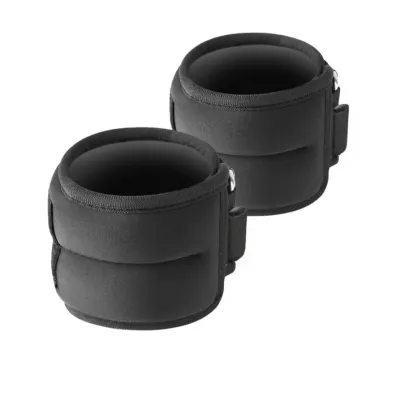
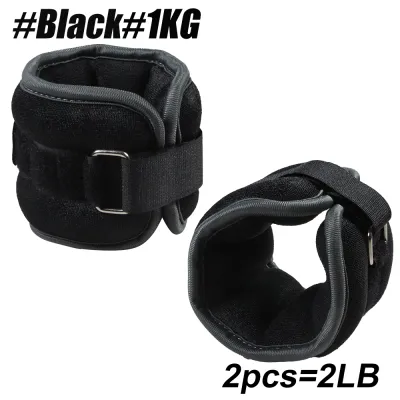
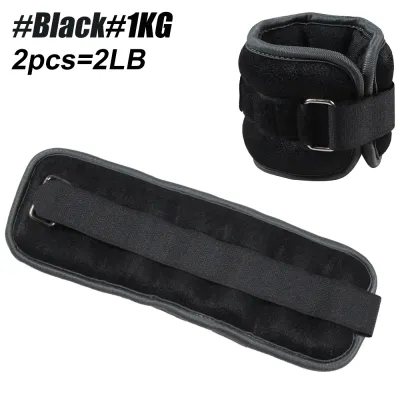
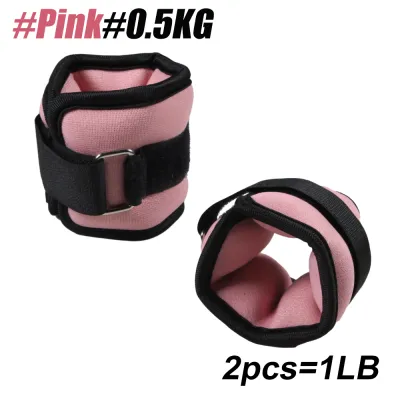
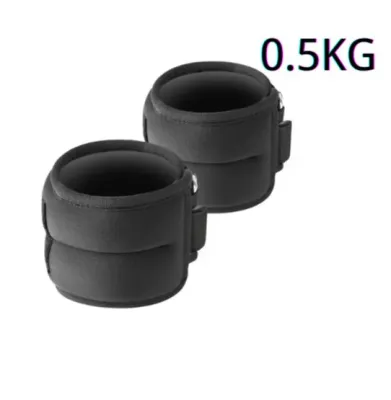
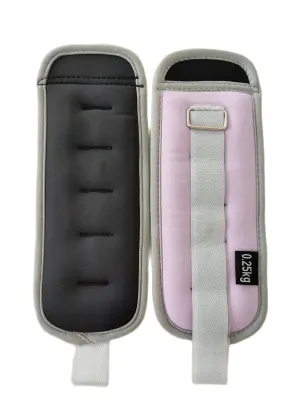
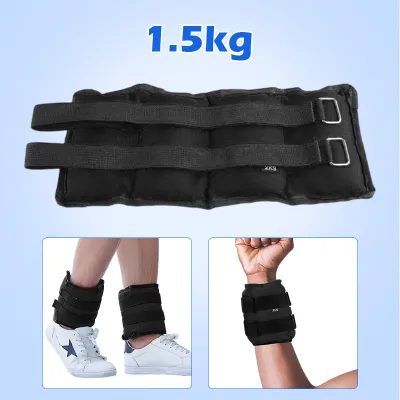
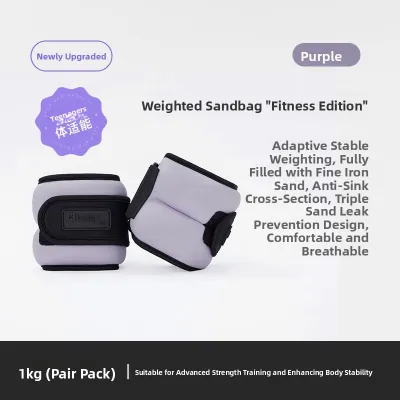
Prices are valid at publication and may change. Please refer to the product page for the latest price.
While walking with 1kg ankle weights can increase cardiovascular demand, high-impact activities like running, jogging, or jumping should generally be avoided. The repetitive, high-force impact of running combined with extra weight at the extremities can alter your natural gait, putting undue stress on your joints and connective tissues. This can lead to overuse injuries like shin splints, patellar tendonitis, or lower back strain. Equipment cannot replace proper running form or progressive strength training; if your goal is to run faster or jump higher, ankle weights are not the correct tool.
Before incorporating ankle resistance into your routine, it is crucial to assess your current physical condition and skill level. If you are recovering from an injury or managing a chronic joint condition, consult a physical therapist or medical professional first. They can help you establish stop conditions—such as sharp joint pain, numbness in the feet, or sudden gait changes—and verify whether your body is ready for added distal resistance.
Essential Design and Material Features to Evaluate
The outer fabric of your ankle weights is the only barrier between the heavy filling and your skin. Neoprene is a highly popular choice because of its soft texture, flexibility, and ability to contour to the ankle’s shape. However, while neoprene is durable, it can trap heat. If you train in a warm environment or sweat heavily, look for models that incorporate breathable mesh panels or moisture-wicking linings to allow airflow and reduce moisture buildup. Cotton blends are soft but tend to absorb sweat, making them heavy, slow to dry, and prone to developing unpleasant odors over time.

Inside the fabric sleeves lies the filling, which determines both the bulkiness and the flexibility of the weight. Common fillings include sand, iron sand, and steel shots. Sand is inexpensive but can be bulky, requiring a larger sleeve that might feel cumbersome around smaller ankles. Iron sand and steel shots are denser, allowing the manufacturer to create a sleeker, more compact profile that fits closely to your leg. When evaluating options, check the product specifications to see if the filling is sealed in leak-proof internal pockets.
Durability is heavily dependent on construction quality. Look closely at the stitching, particularly around the edges and strap attachment points. Double-stitched seams and reinforced borders prevent the internal filling from shifting or leaking during repetitive leg lifts or walking sessions. A leak not only ruins the product but can also create a slipping hazard if fine sand spills onto your workout floor.
Finally, consider how easy the weights are to clean. Because they sit close to the ground and absorb sweat, they will require regular maintenance. Check the manufacturer’s care instructions to see if the weights are spot-clean only or if they feature removable weight packets, allowing you to wash the outer sleeve in a washing machine. If the weights cannot be washed easily, they may quickly become a breeding ground for bacteria and odors.
Strap and Fastening Mechanisms for Safety and Comfort
A secure fastening system is paramount to both safety and comfort. If the weights slip down your leg or slide around your ankle bone during exercise, they will cause friction burns and disrupt your concentration. Look for wide adjustable straps rather than narrow ones. Wide straps distribute the 1kg load over a larger surface area of your lower leg, reducing localized pressure points and preventing the strap from digging into your Achilles tendon or shin.
The primary fastening mechanism for almost all ankle weights is a hook-and-loop system, commonly known as Velcro. Evaluate the quality of this fastener by checking user feedback regarding its longevity. High-quality hook-and-loop fasteners maintain their grip even after hundreds of adjustment cycles and exposure to sweat. Additionally, look for a sturdy metal or heavy-duty plastic D-ring. The strap loops through this ring to tighten; a flimsy ring can bend or snap under tension, rendering the weight useless.
To prevent the weight from sliding down during vertical movements like leg raises, some premium designs feature non-slip inner linings or textured silicone grips on the interior surface. These elements help keep the weight stationary without requiring you to pull the strap excessively tight. If you have sensitive skin, ensure these grip materials do not cause irritation during movement.
While a secure fit is necessary, you must avoid the temptation to over-tighten the straps. Pulling the strap too tight can restrict blood circulation to your feet or compress the superficial nerves around your ankle, leading to tingling, numbness, or cold toes. Always check that you can slip a finger comfortably under the strap while maintaining a secure hold that does not slide when you lift your leg.
Weight Distribution and Ergonomic Fit
Ergonomics play a critical role in how a 1kg weight feels on your body. A single, solid block of weight wrapped around your ankle will feel stiff and awkward, restricting your joint’s natural range of motion. Instead, look for segmented or multi-pocket designs. These weights are divided into several vertical compartments, allowing the weight to wrap smoothly around the cylindrical shape of your ankle, distributing the 1kg load evenly.
The anatomy of the ankle is not a perfect cylinder; it tapers down toward the ankle bones (malleoli). Contoured or tapered designs are specifically shaped to accommodate this natural narrowing, sitting comfortably above the ankle bones without pressing directly onto them. If a weight presses too hard against the bony protrusions of your ankle, it can cause bruising and pain, forcing you to cut your workout short.
Physical bulk is another key consideration, especially if you plan to use the weights for walking or standing exercises. If the weights are too thick, they can interfere with your natural foot strike or cause your ankles to rub together as you step. This rubbing can damage the fabric of the weights, ruin your athletic shoes, or cause painful scrapes on your inner ankles. Opt for low-profile designs that keep the bulk to a minimum.
Before purchasing, verify the sizing options and the maximum and minimum ankle circumferences the product can accommodate. Some brands offer a one-size-fits-all design, while others provide small, medium, or large options. Measure your ankle circumference just above the ankle bone using a flexible tape measure, and cross-reference this measurement with the manufacturer’s sizing chart to ensure a secure, comfortable fit.
Creating Your 1kg Ankle Weights Selection Checklist
When browsing online marketplaces or visiting local sporting goods stores, having a structured checklist helps you filter out low-quality options. Start by verifying the non-negotiable safety and comfort features: a wide adjustable strap, a durable D-ring, a segmented weight distribution design, and a breathable, non-abrasive outer fabric. If a product lacks any of these fundamental elements, it is best to keep looking.
Next, scrutinize the product specifications and user reviews for common red flags. Look specifically for complaints about sand leaking from the seams, straps losing their grip after a few weeks, or the weights sliding excessively during movement. Pay close attention to reviews from users who share your body type or fitness level, as their experiences will give you a realistic preview of how the weights will perform in practice.
Because fit and comfort are highly subjective, always verify the seller’s return policy and warranty terms before completing your purchase. A flexible return policy allows you to try the weights on at home, check the fit around your ankles, and return them if they cause discomfort or do not tighten securely. Additionally, a manufacturer’s warranty against stitching failures or material defects provides peace of mind that your investment is protected.
Finally, cross-reference your intended use case with the manufacturer’s stated limitations and safety guidelines. If the product manual explicitly warns against using the weights for high-impact cardio, respect that boundary. Remember that equipment is a tool to enhance your training, and selecting the right pair of 1kg ankle weights is the first step toward a safer, more effective workout routine.
Frequently Asked Questions (FAQ)
Can I wear 1kg ankle weights all day for extra calorie burn?
Wearing ankle weights all day is generally not recommended by fitness and medical professionals. While it might seem like an easy way to burn extra calories, continuous wear puts prolonged, unnatural stress on your joints, ligaments, and muscles. This constant load can alter your natural walking gait, leading to muscle imbalances, joint fatigue, and an increased risk of overuse injuries in your knees, hips, and lower back. Instead of all-day wear, limit your use of 1kg ankle weights to structured, controlled exercise sessions lasting no more than 30 to 45 minutes, or as specifically directed by a physical therapist.
How do I clean and maintain my ankle weights to prevent odors?
Proper maintenance depends entirely on the materials and internal filling of your weights. If your weights have removable weight packets, slide them out and wash the outer fabric sleeve according to the manufacturer’s instructions—often a gentle hand wash or a delicate machine cycle in a mesh laundry bag. For non-removable models, spot-clean the exterior using a damp cloth and a mild, diluted detergent. Never submerge non-removable weights in water, as this can ruin the internal filling and lead to mold growth. Always allow your weights to air dry completely in a well-ventilated area away from direct sunlight before storing them.
Community discussion
Share your experience or ask a question. Comments are reviewed before publication.