
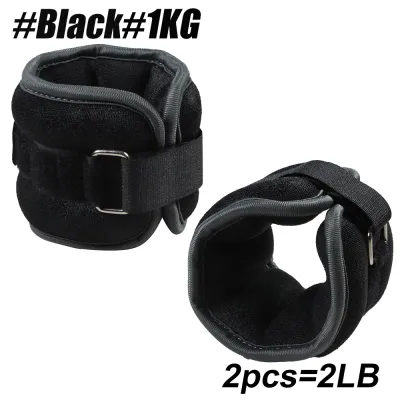
Selecting the right ankle weights 1kg options requires balancing secure fastening with skin comfort to prevent the weights from sliding down or rubbing against your skin. The most reliable setup features a wide, adjustable strap system—ideally with a D-ring mechanism—paired with a segmented weight compartment design that contours naturally to your lower leg. To prevent painful chafing, look for soft, moisture-wicking inner linings like neoprene or padded synthetic fabrics that absorb sweat and minimize friction during movement.
Evaluating Strap Mechanisms for a Secure Fit
The primary job of any ankle weight strap is to counteract the downward pull of gravity as your leg moves through space. Without a secure anchoring system, even a relatively light 1kg load will slide downward, bounce against the ankle joint, or rotate mid-exercise. When evaluating different models on an ecommerce platform, you should focus on three critical dimensions: the width of the strap, the range of adjustability, and the closure mechanism itself.
Velcro (Hook and Loop) Straps
Velcro, or hook-and-loop, closures are highly popular because they allow for rapid adjustments and are easy to put on or take off.
Products mentioned in this guide
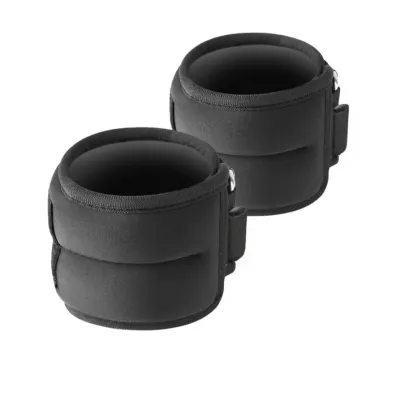
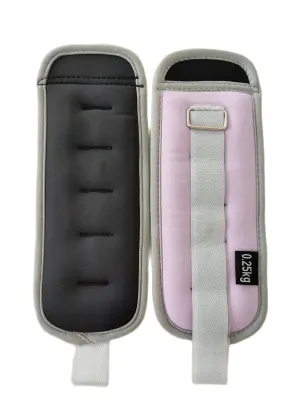
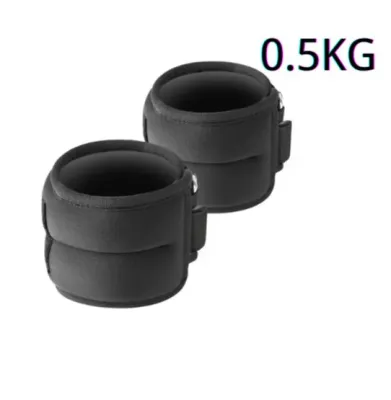
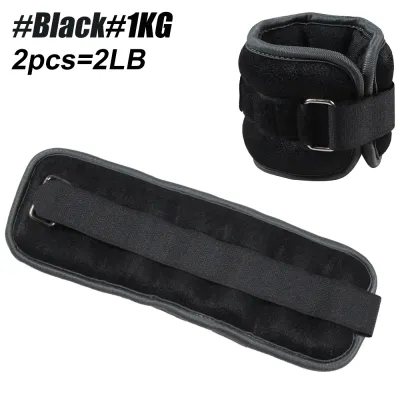
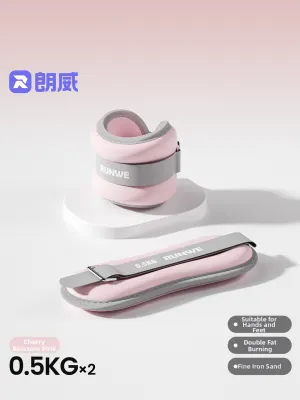
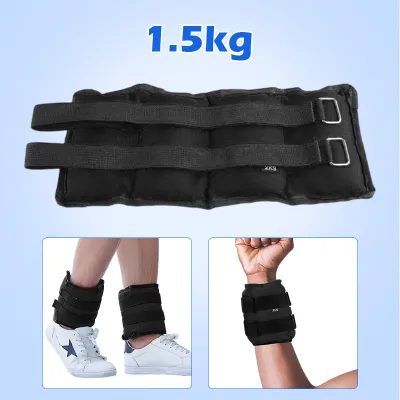
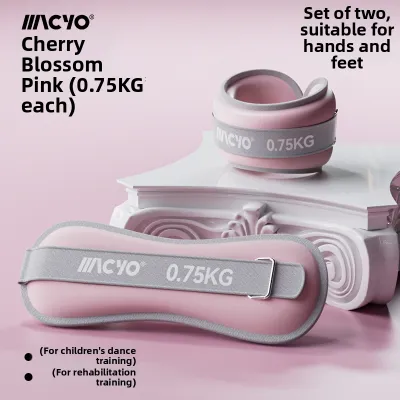
Prices are valid at publication and may change. Please refer to the product page for the latest price.
- Pressure Distribution: Wide Velcro bands spread the load across a larger surface area of your lower leg, preventing the strap from digging in or creating localized pinch points.
- Wear and Tear: Hook-and-loop fasteners can collect lint and lose grip over time. When choosing Velcro straps, inspect the quality of the stitching holding the hook-and-loop panels to the main band.
- Best Use Cases: These systems work best for low-impact workouts, quick adjustments, or when worn directly over thin socks or bare skin.
D-Ring and Buckle Adjustments
D-ring and buckle systems offer a more robust mechanical lock by threading the strap through a metal or heavy-duty plastic loop before folding it back to secure.
- Mechanical Leverage: Threading the strap through a ring allows you to pull the strap exceptionally tight and leverage the ring to distribute tension evenly around the entire circumference of your ankle.
- Hardware Durability: Metal or heavy-duty plastic loops withstand high-impact movements better than fabric alone, making them highly resistant to slipping during dynamic leg lifts.
- Adjustment Time: These systems require a few extra seconds to secure compared to simple pull-and-press straps, but the added security is usually worth the trade-off.
Weight Compartment Designs and Skin Irritation
How the physical weight is distributed inside the ankle band directly influences whether the gear stays in place or begins to rotate. If the internal mass shifts unevenly, it creates a lopsided pull that encourages the band to slide down or twist around your leg. Additionally, the materials resting directly against your skin dictate whether your workout remains comfortable or ends with painful friction burns.

Segmented vs. Single-Pouch Weight Distribution
Segmented weight designs divide the 1kg load into several smaller, individual pockets stitched horizontally along the band. This construction allows the ankle weight to bend smoothly and wrap tightly around the natural, cylindrical curve of your ankle, eliminating the stiff gaps where slipping typically starts.
In contrast, single-pouch designs house the entire weight in one continuous compartment, which often causes the internal sand or iron shot to pool at the bottom or shift to one side during movement. This shifting can cause the band to bunch up and lose its grip on your leg. When shopping, check the compartment stitching to ensure the pockets are securely sealed and that the filler material cannot migrate between sections.
Inner Lining Materials and Edge Finishing
The material lining the inside of the ankle weight is your primary defense against sweat-induced chafing, especially in warm, humid climates.
- Neoprene: Soft, flexible, and naturally slip-resistant against bare skin, making it an excellent choice for high-sweat workouts.
- Moisture-Wicking Synthetics: Designed to pull sweat away from the skin, helping to keep the area dry and reducing the risk of friction-induced blisters.
- Cotton: Soft and comfortable against the skin, but tends to retain moisture and dry slowly, which can increase friction over longer sessions.
Beyond the lining material, pay close attention to the edge finishing and seams of the ankle weights. Look for bound, rounded, or padded edges rather than raw, heat-sealed nylon seams, which can easily scrape against your Achilles tendon or ankle bone. Always inspect the interior surface for any exposed hardware, rough stitching, or stiff plastic edges that could rub against your skin.
Sizing and Fit Checks Before Your Workout
Before starting any exercise routine, take a few moments to properly fit and test your 1kg ankle weights to ensure they are secure. Position the weight band just above your ankle bone, wrapping it snugly but not so tight that it restricts your blood circulation or pinches your skin. You should be able to slip a single finger comfortably between the lining of the weight and your leg.
Once secured, perform a quick movement test consisting of a few slow leg lifts, a brief walk, or some light jogging in place to observe how the weights behave. If you notice the band rotating, sliding downward, or pinching your skin, stop immediately to adjust the tension or reposition the strap. If the slipping or discomfort persists despite multiple adjustments, it is best to stop using that specific model to avoid skin damage or joint strain.
Frequently Asked Questions (FAQ)
Can I wear 1kg ankle weights all day for extra calorie burn?
Wearing ankle weights continuously during normal daily activities is generally not recommended due to the unnatural biomechanical stress it places on your body. Walking with extra weight anchored to your distal limbs alters your natural gait, which can overwork and strain your knees, hips, and lower back over time. Ankle weights are designed for targeted, controlled strength training or specific rehabilitation exercises. If you are considering extended wear, consult a physical therapist or fitness professional to evaluate your joint health first.
How do I clean ankle weights to prevent skin irritation from sweat?
Regular cleaning is essential to prevent bacteria and dried sweat from building up on the inner lining, which is a common cause of skin irritation. For neoprene or synthetic weights, wipe the inner surface down with a damp cloth and a mild, diluted soap after each workout. If the weights have removable sandbags, you can hand-wash the outer sleeve in cool water. Always allow the weights to air dry completely in a well-ventilated area away from direct sunlight before wearing them again, and avoid machine washing or harsh chemical detergents that could degrade the strap adhesives.
Community discussion
Share your experience or ask a question. Comments are reviewed before publication.