
Working out at home in a high-density housing development (HDB) flat presents unique spatial and environmental challenges. With shared walls, concrete floors, and neighbors living directly below, every sound can easily travel through the building structure. While a one-kilogram dumbbell might seem light, dropping or even placing it firmly on a hard floor can create a surprising amount of vibration and noise. Choosing the right pair of light weights requires balancing your fitness goals with the practical realities of apartment living.
By selecting dumbbells designed specifically for quiet, safe, and compact use, you can maintain a consistent fitness routine without causing friction with your neighbors or damaging your home. The ideal equipment should protect your flooring, minimize acoustic transfer, and fit seamlessly into limited storage spaces. Understanding how different materials, shapes, and storage methods interact with your HDB environment is the first step toward building a harmonious and effective home gym.
Key Selection Criteria for HDB-Friendly 1kg Dumbbells
When setting up a home workout space in an HDB flat, noise reduction should be your primary consideration. Sound travels efficiently through solid structures, meaning the impact of a dumbbell hitting a hard surface can resonate as a dull thud in the flat below. Soft exterior coatings, such as neoprene or silicone, act as built-in shock absorbers that dampen the sound of impact. This acoustic dampening is crucial when you are performing fast-paced workouts where weights are frequently picked up and set down.
Products mentioned in this guide
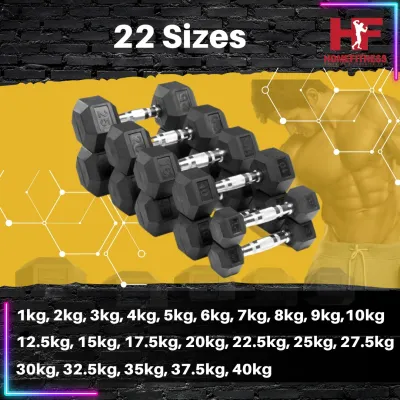
Prices are valid at publication and may change. Please refer to the product page for the latest price.
Floor safety is another critical factor, as many HDB flats feature flooring materials like ceramic tiles, vinyl planks, or engineered laminate. These surfaces are highly susceptible to scratching, scuffing, or cracking under direct impact from hard metal objects. A dumbbell with a protective, non-marring outer layer prevents direct contact between the heavy inner core and your floor. This protective barrier ensures that even if a weight slips from your hand or rolls off a low shelf, the risk of leaving permanent marks or structural damage is significantly reduced.
Ergonomics and grip play an equally vital role, particularly for the high-repetition, low-weight exercises common in cardio-sculpting, barre, or physical therapy routines. Because 1kg dumbbells are frequently held for extended periods, the handle diameter must accommodate your hand comfortably without causing strain. A handle that is too thick or too thin can lead to premature hand fatigue or wrist discomfort. Additionally, the texture of the grip must remain secure even when your hands become sweaty in Singapore’s warm, humid climate, preventing accidental slips that could lead to injury or floor damage.
Comparing Common 1kg Dumbbell Materials and Shapes
To make an informed purchase, it is helpful to understand how light dumbbells are constructed. Most 1kg dumbbells consist of a solid internal core, typically made of cast iron or steel, which is then encased in a protective outer shell. This design balances the dense weight of the metal core with the user-friendly, floor-safe properties of the exterior coating. Some budget-friendly options may use sand or iron filings encased in plastic, but these tend to be bulkier and can suffer from shifting weight distribution over time.

The physical shape and weight distribution of the dumbbell directly influence your exercise form and safety. A well-balanced dumbbell distributes its weight evenly across both ends, allowing for smooth, controlled movements during lateral raises, bicep curls, or tricep extensions. If the weight is poorly balanced, it can force your wrists into awkward angles, increasing the risk of joint strain. Evaluating how a dumbbell feels in motion, alongside its physical dimensions, ensures that your equipment supports correct biomechanics throughout your workout.
Neoprene, Vinyl, and Silicone Coatings
Among the various protective coatings available, neoprene is highly favored for its matte, textured finish. This material provides an excellent natural grip that resists slipping, even when your hands are damp with sweat. Neoprene is also highly durable, resisting peeling and cracking over years of regular use. However, new neoprene dumbbells can sometimes emit a distinct rubbery odor when first unpacked. In a smaller, less ventilated HDB room, this off-gassing can be noticeable, though it typically dissipates within a few days if left in a well-ventilated area.
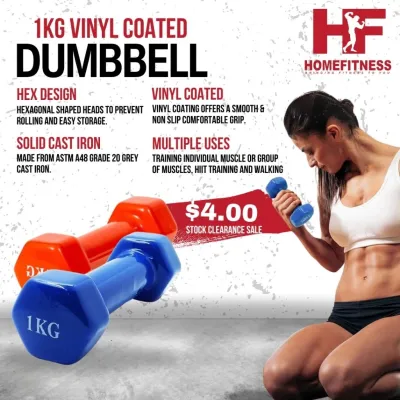
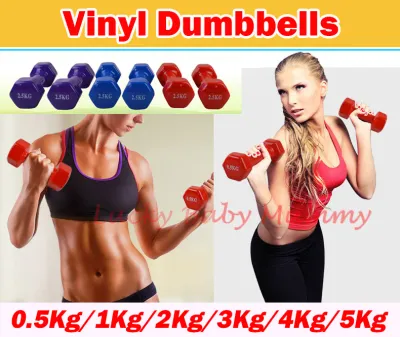
Vinyl coatings offer a smooth, glossy alternative that is exceptionally easy to wipe clean after a sweaty session. They are available in a wide variety of bright colors, which can add a vibrant touch to your home workout space. The trade-off is that vinyl can become slippery when wet, requiring a firmer grip during intense workouts. Over time, lower-quality vinyl coatings may also be prone to cracking or peeling if exposed to direct sunlight or rough surfaces, and there is a slight risk of color transfer if stored directly against light-colored walls or furniture.
Silicone coatings represent a premium option, combining a soft, comfortable feel with excellent water resistance and durability. Silicone is naturally hypoallergenic and does not carry the strong chemical odor sometimes associated with neoprene or vinyl. It provides a secure, non-slip grip and is highly resistant to environmental degradation, making it well-suited for Singapore’s humid conditions. While silicone-coated dumbbells may carry a slightly higher price tag, their longevity and pleasant tactile experience make them a worthwhile investment for long-term home use.
Hexagonal vs. Round Profiles
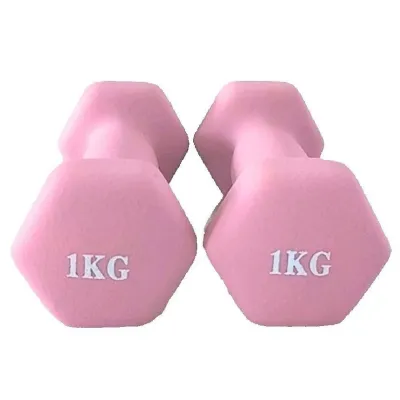
The geometric profile of your dumbbells is another key decision point that affects both safety and storage. Hexagonal dumbbells feature flat edges that prevent them from rolling when placed on the floor. This anti-roll design is a significant safety advantage in a compact HDB flat, where a rolling weight could easily become a tripping hazard or roll into delicate furniture. It also allows you to perform floor-based exercises, such as renegade rows or push-ups using the dumbbells as handles, with greater stability.
Round dumbbells, on the other hand, offer a classic aesthetic and are often more compact than their hexagonal counterparts. This smaller footprint can make them easier to handle during fluid, multi-directional movements where bulky edges might catch on your clothing or limbs. However, because they roll freely, you must be highly mindful of where you place them between sets. If your floor is slightly uneven, a round dumbbell can quickly migrate across the room, potentially causing minor damage or creating unexpected noise.
When space is at a premium, the stacking potential of your equipment becomes highly relevant. Hexagonal dumbbells can be easily stacked on top of one another or tucked neatly into a corner without the risk of shifting. Round dumbbells require dedicated storage solutions, such as a contoured rack or a storage bin, to keep them contained. Assessing your available floor space and the specific exercises in your routine will help you determine whether the stability of a hexagonal profile or the compactness of a round design is better suited to your home.
Floor Protection and Noise Reduction Practices
Even with coated dumbbells, implementing dedicated floor protection practices is essential for maintaining a quiet home environment. Placing a high-quality exercise mat or interlocking foam tiles over your workout zone creates an additional barrier that absorbs both impact and sound. A mat with a thickness of at least six millimeters is generally recommended to provide adequate cushioning for both your joints and your flooring. This simple addition can dramatically reduce the transmission of low-frequency vibrations to the rooms below.
Proper handling techniques are equally important, regardless of how light your weights are. It can be tempting to drop dumbbells onto the floor at the end of an exhausting set, but this habit is the primary cause of floor damage and neighbor complaints. Focus on placing the weights down slowly and deliberately, maintaining control until they are completely at rest. This practice not only protects your home but also engages your muscles through the eccentric phase of the movement, maximizing the fitness benefits of your workout.
Finally, make it a habit to regularly inspect the surface of your dumbbells and your workout mat for embedded debris. Small particles of grit, sand, or dust can easily cling to soft coatings like neoprene or silicone. When the weight is placed on a hard floor, these tiny particles can act like sandpaper, leaving fine scratches on vinyl or laminate surfaces over time. A quick wipe with a damp cloth before and after your workout is a simple, effective way to keep your equipment clean and your floors pristine.
Smart Storage Solutions for Compact Spaces
Living in an HDB flat requires creative space management, and fitness equipment is no exception. To keep your living area clutter-free, consider utilizing vertical storage solutions. A small, vertical A-frame dumbbell rack takes up minimal floor space and keeps your weights organized and easily accessible. Alternatively, if you prefer to keep your equipment completely out of sight, shallow storage bins that slide under your bed or sofa are an excellent way to utilize otherwise wasted space.
Integrating your dumbbell storage with existing household furniture is another clever approach. A sturdy lower shelf on a bookshelf or a designated compartment in your TV console can easily house a pair of 1kg dumbbells. If you choose this route, place a small piece of felt or a silicone coaster under the weights to protect the furniture from scratches. This keeps your workout gear close at hand while maintaining the aesthetic harmony of your living room.
Regardless of where you choose to store your dumbbells, environmental factors must be taken into account. Singapore’s high humidity can encourage the growth of mold or mildew on textured surfaces like neoprene, and can eventually cause the internal metal core to rust if moisture penetrates the coating. Store your weights in a dry, well-ventilated area away from direct sunlight, which can cause vinyl and silicone to degrade, discolor, or become brittle over time. Proper storage not only keeps your home organized but also significantly extends the lifespan of your equipment.
Frequently Asked Questions (FAQ)
Are 1kg dumbbells effective for building muscle?
One-kilogram dumbbells are highly effective for building muscular endurance, improving muscle tone, and supporting rehabilitation, but they are not designed for significant muscle hypertrophy (building large muscle mass). To stimulate muscle growth, you generally need to subject your muscles to heavier loads that challenge them within a lower repetition range. However, using 1kg weights with high repetitions and minimal rest periods increases your muscles’ time under tension, which enhances cardiovascular fitness, muscular stamina, and joint stability. If your goal eventually shifts toward building substantial muscle size, you may want to transition to heavier weights or a compact set of adjustable dumbbells that allow you to gradually increase the resistance as your strength improves.
How do I clean and maintain coated dumbbells?
To clean coated dumbbells safely, use a mild solution of warm water and a few drops of gentle dish soap. Avoid using harsh chemical cleaners, bleach, or abrasive scrubbing pads, as these can degrade neoprene, vinyl, or silicone coatings, causing them to become sticky, cracked, or discolored. Wipe the surface gently with a soft microfiber cloth, paying extra attention to the grip area where sweat and oils accumulate. After cleaning, it is crucial to dry the dumbbells thoroughly with a clean towel and let them air-dry completely in a well-ventilated space before storing them. This prevents moisture from seeping through any microscopic seams in the coating, which could lead to internal rust and compromise the structural integrity of the weights.
Community discussion
Share your experience or ask a question. Comments are reviewed before publication.