
Selecting the right fitness equipment for a home gym requires balancing functionality, space, and safety. For those focusing on rehabilitation, high-repetition endurance training, or beginner conditioning, a compact adjustable dumbbell set with a maximum capacity of 5kg offers an ideal entry point. In Singapore’s unique urban environment, where residential space is at a premium and tropical humidity can affect equipment longevity, making an informed choice is essential. This guide outlines how to evaluate and select the best 5kg adjustable dumbbells to suit your home workout routine.
Quick Guide to Selecting 5kg Adjustable Dumbbells
Adjustable dumbbells up to 5kg are highly specialized tools designed for specific training modalities. Unlike heavy strength-training sets, these lighter weights are primarily utilized for physical therapy, targeted rotator cuff exercises, aerobic conditioning, and high-repetition muscular endurance workouts. When selecting a set, the primary decision revolves around the trade-off between adjustment speed and mechanical complexity.
Rapid-adjust systems, such as dial or slider mechanisms, allow you to transition between weight increments in seconds, which is highly beneficial for fast-paced circuit training. However, these systems feature more moving parts, which can introduce points of wear over time. Conversely, traditional threaded spin-lock collars are mechanically simpler and highly durable, but they require more time to manually adjust between sets.
Products mentioned in this guide
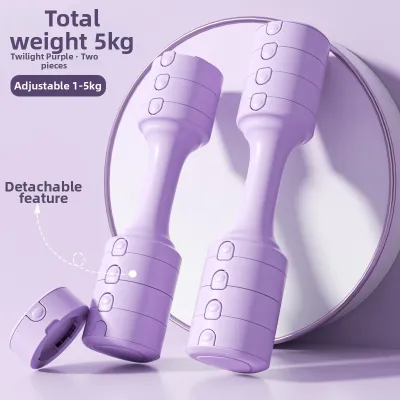
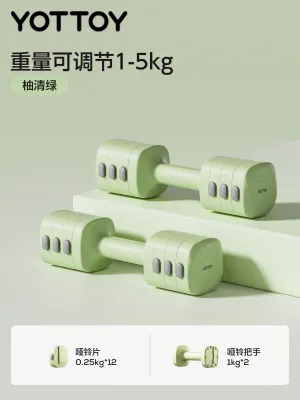
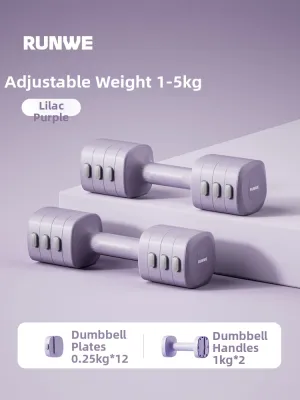
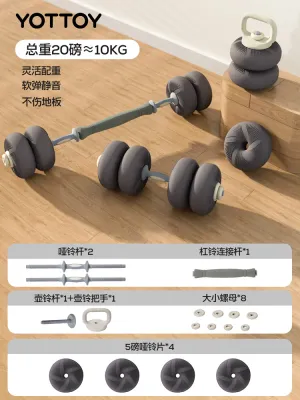
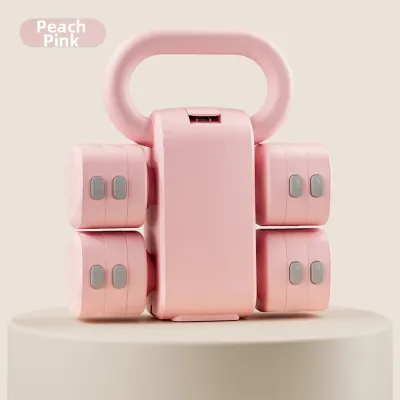
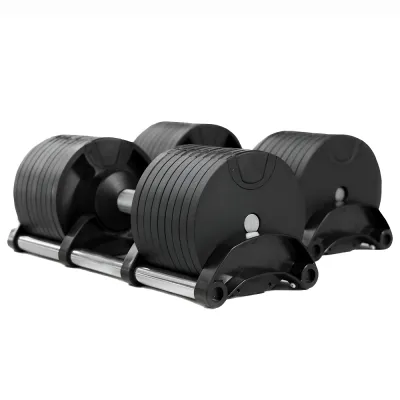
Prices are valid at publication and may change. Please refer to the product page for the latest price.
Regardless of the mechanism you choose, safety remains the baseline requirement. You must verify that the locking mechanism is robust enough to prevent plate slippage during dynamic movements. A loose plate can disrupt your form or cause injury, making a secure locking system the most critical feature to evaluate before making a purchase.
Key Features to Evaluate Before Buying
To find the right adjustable dumbbell for your specific workout style, you must look closely at the engineering and design of the equipment. Different manufacturers employ various methods to secure and change weights, each with distinct advantages and trade-offs.

Adjustment Mechanisms
- Dial Systems: These allow you to change weights by turning a dial at the end of the dumbbell while it rests in its tray. They offer unmatched speed, making them highly efficient for drop sets or quick transitions. However, they rely on internal gears that must be kept clean and aligned.
- Spin-Lock Collars: This classic design uses threaded collars that screw onto the ends of the bar. While they are slower to adjust, they are incredibly secure and have no complex internal parts that can fail, making them a highly reliable long-term investment.
- Slider Pins: These systems use a pin or slider that you pull and insert into the desired weight slot. They offer a middle ground between speed and simplicity, though you must ensure the pin clicks fully into place before lifting.
Handle Ergonomics
The handle is your direct connection to the weight, and its design significantly impacts your workout comfort. For high-repetition sets, a grip that minimizes hand fatigue is essential.
- Knurled Metal: Traditional cross-hatch knurling provides an exceptionally secure grip, even when your hands are sweaty. However, aggressive knurling can be abrasive on sensitive skin during long sessions.
- Rubberized or Textured Grips: Many modern home dumbbells feature contoured rubber or textured plastic handles. These offer a softer feel and reduce the need for workout gloves, though they should be checked regularly for signs of peeling or wear.
- Handle Diameter: Standard handles typically range from 25mm to 28mm in diameter. A thinner handle is often preferred for smaller hands or high-rep endurance work, as it reduces forearm fatigue.
Weight Increment Granularity
When working within a 5kg maximum limit, the size of the weight increments is crucial for progressive overload. Jumping from 2kg to 4kg represents a 100% increase in load, which can be too drastic for delicate movements or rehabilitation exercises. Look for systems that offer small, granular increments, such as 0.5kg or 1kg steps. This allows you to gradually build strength without overloading your joints or compromising your form.
Material and Coating
The materials used in the construction of the plates and handles affect both durability and floor protection.
- Cast Iron: Highly durable and compact, but prone to rust if the protective coating is chipped or exposed to high humidity.
- Chrome Plating: Offers excellent rust resistance and a sleek appearance, though it can be slippery if your hands are wet.
- Neoprene or Rubber Coatings: These floor-friendly coatings help dampen noise and protect your flooring from scratches, making them highly suitable for home use. Always check the manufacturer's specifications to confirm the exact coating material.
Space and Storage Considerations for Singapore Homes
Living in high-density housing, such as HDB flats or condominiums, requires careful consideration of how fitness equipment fits into your living space. Unlike commercial gyms, home workouts demand compact, easily storable solutions that do not disrupt daily household traffic.
Footprint Comparison
Before purchasing, measure the exact dimensions of the dumbbell’s base tray or storage stand. Some adjustable designs feature wide trays that require a significant amount of flat floor space. Compare these measurements against your designated workout area to ensure you have enough room to perform exercises safely without bumping into furniture or walls.
Storage Solutions
To maintain a tidy home, look for dumbbells that can be easily tucked away when not in use. Compact 5kg sets are often small enough to fit under a bed, inside a closet, or on the bottom shelf of a sturdy storage unit. Keeping the weights in a dedicated tray not only prevents them from rolling away but also protects the adjustment mechanisms from dust and accidental impacts.
Noise and Vibration
In close-quarters living, minimizing noise is a matter of neighborly courtesy. Metal plates clanking together during dynamic movements can transmit vibrations through concrete floors. To mitigate this, look for adjustable dumbbells that feature tight mechanical tolerances to reduce plate rattle. Additionally, using a rubberized exercise mat can absorb impact and dampen noise if you need to set the weights down between sets.
Building Your Conditional Shortlist
With numerous options available on online marketplaces, building a shortlist requires a structured approach based on budget, warranty, and verified product specifications.
Budget Tiering
- Entry-Level (Under S$50): Typically consists of simple spin-lock dumbbells with plastic-coated cement plates. These are highly cost-effective and durable but require manual adjustment and take up more physical space.
- Mid-Range (S$50 to S$150): Often features basic dial or slider systems with steel or cast-iron plates. These offer a good balance of convenience, compact size, and durability for regular home use.
- Premium (Above S$150): Includes high-precision selectorized dumbbells with premium metal finishes, ultra-compact trays, and robust locking mechanisms designed for long-term daily use.
Warranty and After-Sales Support
When buying mechanical fitness equipment, a reliable warranty is essential. Look for products backed by local distributors in Singapore, as this simplifies the process of claiming a warranty or sourcing replacement parts. Check the terms to see if the warranty covers the adjustment mechanism specifically, as this is the component most susceptible to wear.
Verification Checklist
Before finalizing your purchase, perform the following verification steps:
- Confirm Weight Range: Verify that the minimum and maximum weights align with your training needs (e.g., starting at 1kg and topping out at 5kg).
- Review Plate Configurations: Ensure the included plate sizes allow for the specific weight increments you require.
- Check User Manuals: Search for the product's official user manual online to understand how the locking mechanism operates and what maintenance is required.
- Analyze Buyer Feedback: Look for verified buyer reviews on ecommerce platforms, paying close attention to comments regarding mechanism reliability, plate rattle, or difficulty returning the dumbbell to its tray.
Safety Checks and Routine Maintenance
To ensure your adjustable dumbbells remain safe and functional for years to come, establish a regular routine of inspections and maintenance.
Pre-Workout Inspection
Before every workout, take a few seconds to perform a physical safety check:
- Ensure the dumbbell is fully seated in its tray before attempting to adjust the weight.
- Verify that the dial, pin, or collar is completely engaged in its locked position.
- Lift the dumbbell slightly off the floor and give it a gentle shake to confirm that all plates are securely locked and there is no excessive play or movement.
Cleaning Routines
Sweat and hand oils can cause corrosion and degrade handle materials over time. After each session, wipe down the handles and plates with a clean, slightly damp microfiber cloth. Avoid using harsh chemical solvents or spraying liquids directly into the adjustment dials or pin slots, as this can strip away internal lubricants and lead to mechanical failure.
When to Stop Using
If you notice any of the following signs, stop using the equipment immediately:
- The adjustment dial or slider becomes stiff, sticky, or difficult to operate.
- A weight plate fails to lock securely or slips out of alignment during a test shake.
- There are visible cracks in the plastic housing, tray, or locking collars.
In these situations, consult the manufacturer’s customer service or a qualified fitness equipment professional before attempting to use the weights again.
Frequently Asked Questions (FAQ)
Are 5kg adjustable dumbbells sufficient for building muscle?
While heavy weights are typically associated with rapid muscle hypertrophy, 5kg adjustable dumbbells can still play a valuable role in muscle development, particularly for beginners or those recovering from injury. By focusing on high-repetition training (15 to 25 reps per set) and taking exercises close to muscular failure, you can stimulate muscle growth and improve muscular endurance. Additionally, increasing your time under tension—by slowing down the eccentric (lowering) phase of each movement—allows you to maximize the training stimulus provided by lighter loads.
Can I use standard weight plates with adjustable dumbbell handles?
Compatibility depends entirely on the design of your adjustable dumbbell handle. Standard handles typically feature a 1-inch (approx. 25mm) sleeve diameter, which is compatible only with standard plates that have a matching 1-inch center hole. Olympic handles feature a 2-inch (approx. 50mm) sleeve diameter designed for Olympic-weight plates. Before purchasing additional plates, always measure your handle’s sleeve diameter and check the manufacturer’s specifications regarding maximum sleeve length and weight capacity to ensure safe operation.
How do I prevent adjustable dumbbells from rusting in a humid climate?
Singapore’s tropical humidity can accelerate rust formation on exposed metal components. To protect your equipment, store your dumbbells in a well-ventilated, indoor area away from direct sunlight, open windows, or high-moisture zones like balconies and bathrooms. After cleaning off sweat, ensure the dumbbells are completely dry before returning them to their storage tray. You can also check the manufacturer’s care instructions to see if they recommend applying a light coat of silicone-based lubricant or rust-preventative oil to the metal plates and threaded collars periodically.
Community discussion
Share your experience or ask a question. Comments are reviewed before publication.