
Selecting a 3kg dumbbell for a small Housing & Development Board (HDB) flat requires balancing workout utility with the realities of compact, high-density living. Unlike a spacious commercial gym, a home setup in Singapore demands equipment that protects delicate flooring, minimizes noise transmission to downstairs neighbors, and tucks away seamlessly when not in use. To find the ideal 3kg dumbbell, you must prioritize floor-friendly protective coatings, roll-resistant shapes, ergonomic grips that remain secure in humid tropical weather, and highly compact storage profiles. By focusing on these specific physical attributes, you can maintain an effective strength or conditioning routine without cluttering your living space or risking damage to your home.
Key Features to Prioritize for Compact Spaces
HDB flats commonly feature homogenous tiles, vinyl planks, or engineered timber parquet. Dropping or even roughly setting down a bare cast-iron dumbbell can easily chip tiles or scratch wood finishes. Furthermore, concrete floor slabs in high-rise apartments transmit impact noise directly to the units below. Coated dumbbells—specifically those encased in neoprene or vinyl—act as a built-in buffer. Neoprene provides a matte, textured finish that absorbs minor impacts and dampens clanging sounds, making it highly suitable for early morning or late-night workouts. Vinyl coatings offer a smooth, non-porous surface that is exceptionally easy to wipe clean after a sweaty session, though they can become slightly slippery when wet. Rubber-encased options are also highly durable, but buyers should verify that the rubber is low-odor, as cheap rubber compounds can emit strong chemical smells that quickly overwhelm a small, enclosed bedroom.
In a tight HDB living room or bedroom, a rolling dumbbell is more than a minor annoyance; it is a safety hazard. Round dumbbells can easily roll away on slightly uneven floors, potentially striking glass sliding doors, furniture legs, or stray toes. Opting for a hexagonal, square, or flat-edged design ensures the dumbbell stays exactly where you place it. Hexagonal dumbbells are particularly stable, allowing you to perform floor-based exercises like push-ups or plank rows directly on the handles without the risk of the weights shifting underneath you. This stability also makes them much easier to stack neatly on a shelf or inside a cabinet.
Products mentioned in this guide
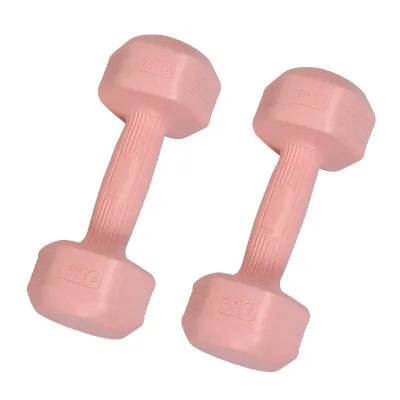

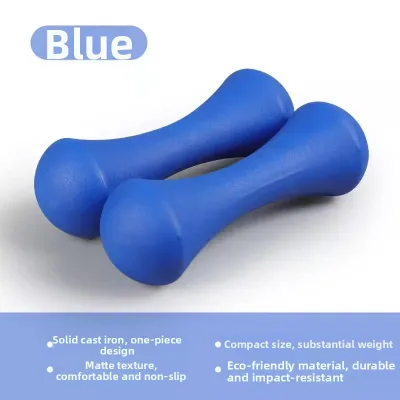
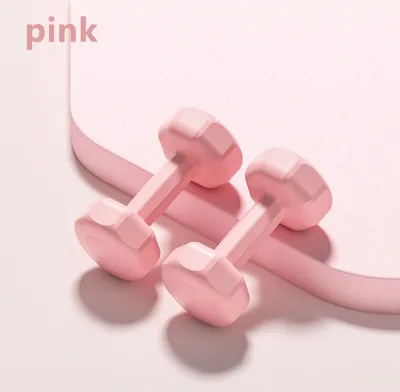
![[SG Stock]Neoprene Dumbbell Weight Strength Training Neoprene Dumbell Set 1kg 2kg 3kg suitable for home and gym exercise](https://img.lazcdn.com/g/p/15509c2888b8e8dae4efd080518cd81f.png_400x400q80.png_.webp)
![[SG in Stock]Dumbbell for Weight Strength Training Neoprene Dumbell Set 1kg 2kg 3kg Suitable For Home And Gym Exercise](https://img.lazcdn.com/g/p/7d8c29df8dc2348f95309f9dc80d8aa1.jpg_400x400q80.jpg_.webp)
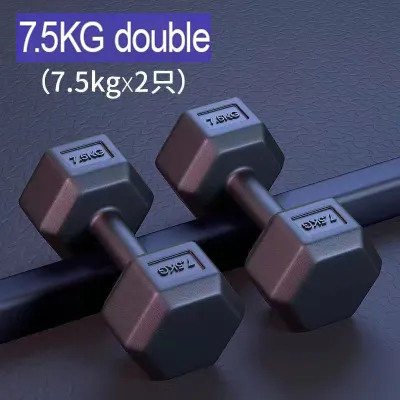
![[SG Ready Stock] Fitness Dumbbells Home Strength Training 1Kg/2Kg/3Kg Rubber dumbbells for girls](https://img.lazcdn.com/g/p/b5448cb7529e30685827c3c56a9552b7.jpg_400x400q80.jpg_.webp)
Prices are valid at publication and may change. Please refer to the product page for the latest price.
The handle is your primary point of contact, and its design directly influences both safety and exercise form. For a 3kg dumbbell, handles generally come in textured metal (knurled), contoured plastic, or fully coated neoprene. In Singapore’s warm and humid climate, sweat can quickly compromise your grip. A knurled steel handle provides excellent friction, but it can feel harsh on uncalloused hands during high-repetition workouts. Contoured handles are shaped to fit the natural curve of your palm, distributing pressure more evenly. If you choose a fully coated neoprene or vinyl dumbbell, ensure the handle diameter is comfortable for your hand size; a grip that is too thick can cause premature forearm fatigue, while one that is too thin may lead to over-tightening your grip and straining your wrists.
Types of 3kg Dumbbells Suited for HDB Living
Fixed-weight coated dumbbells are the most straightforward and durable option for home fitness. Because they have no moving parts, dials, or collar clamps, there is virtually zero risk of components breaking or rattling during dynamic movements. A pair of neoprene or vinyl hex dumbbells takes up very little physical space and can easily be tucked under a coffee table or placed in a closet. The main trade-off is versatility; as your strength progresses, a fixed 3kg weight cannot be adjusted heavier or lighter. However, for targeted shoulder exercises, lateral raises, high-intensity interval training (HIIT), and rehabilitation work, a dedicated 3kg pair remains a highly reliable, low-maintenance staple that requires no setup time.

If you plan to expand your routine or share the equipment with family members who require different resistance levels, an adjustable dumbbell system is a highly space-efficient alternative. These systems use a central handle with a selection dial or pin mechanism that engages different weight plates. A single adjustable dumbbell can often configure from 1kg up to 5kg or more, effectively replacing an entire rack of fixed weights. This consolidation saves massive amounts of floor space in a small flat. When evaluating adjustable options, check the minimum weight setting to ensure it includes a true 3kg configuration. Keep in mind that dial systems are physically larger than fixed 3kg dumbbells because the overall frame must accommodate the maximum weight capacity, which can make certain tight-range movements feel slightly bulkier.
For those who prioritize absolute minimalism, modular or nesting dumbbell designs offer a clever middle ground. Some modern fitness brands produce stackable weights where smaller, flat plates can be threaded or clipped directly onto the ends of a base handle. This allows you to adjust the weight to exactly 3kg while keeping the physical footprint as small as possible. Unlike traditional spinlock dumbbells with long, protruding metal bars that can scrape your legs during exercises, nesting designs maintain a flush, compact profile. These are ideal for storing in shallow drawers or small storage bins, keeping your living area completely free of visual clutter when your workout is finished.
Space-Saving Storage Solutions for Small Flats
The gap beneath your bed or sofa is prime real estate for home gym equipment. Before purchasing your 3kg dumbbells, measure this clearance height carefully. Most standard HDB sofas have a clearance of 10 to 15 centimeters, which is typically sufficient for a 3kg hex dumbbell. To prevent the weights from rolling around or scratching the floor when you slide them out, consider placing them inside a shallow, felt-lined plastic container or a dedicated low-profile storage tray. This keeps the weights clean, dust-free, and instantly accessible without disrupting the aesthetic of your living room.
If you prefer to keep your weights off the floor entirely, vertical storage is the most efficient path. A small, freestanding A-frame dumbbell rack occupies a footprint of less than 0.2 square meters and can hold several pairs of weights vertically. For renters or those who want to avoid drilling into HDB concrete walls, freestanding vertical trees are highly recommended because they require no wall mounting and can be easily relocated. If you do explore wall-mounted brackets, ensure they are anchored securely into solid concrete walls using appropriate masonry plugs, rather than thin drywall partitions, to safely support the concentrated weight.
Concealing your workout gear within your existing home decor is an excellent way to maintain a clean, organized living space. Storage ottomans with reinforced bases, decorative wooden chests, or fabric-lined storage bins that slide into modular shelving units are perfect for hiding a pair of 3kg dumbbells. This approach ensures your home looks like a relaxing living space rather than a cluttered gym. When using fabric bins, place a small rubber mat or a piece of cardboard at the bottom to distribute the weight and prevent the fabric from sagging or tearing over time.
What to Check Before You Buy
Do not rely on visual estimates when planning your home workout area. Physically map out a clear zone of at least 2 meters by 2 meters in your living room or bedroom to ensure you can perform full-range movements—like lateral raises or lunges—without striking walls, TV consoles, or ceiling fans. Additionally, measure the exact dimensions of your intended storage spot, whether it is a specific shelf, a drawer, or the gap under your bed, and compare these measurements against the product specifications provided by the manufacturer.
Inexpensive dumbbells can sometimes suffer from poor quality control, resulting in weights that deviate significantly from their stated 3kg specification. When shopping, look for products that guarantee a low weight tolerance (typically within 1% to 3% of the target weight). Furthermore, verify that the weight is evenly distributed between both heads of the dumbbell. An unbalanced dumbbell can put uneven strain on your wrists and rotator cuffs during unilateral movements, increasing the risk of joint discomfort over time.
Because you cannot physically test the grip, texture, or balance of a dumbbell when purchasing from online marketplaces, a flexible return policy is essential. Ensure the retailer offers a straightforward return or exchange window in case the dumbbell arrives with a damaged coating, a strong chemical odor, or a handle diameter that feels uncomfortable for your hands. Checking the warranty terms for coating durability is also wise, as high-quality vinyl or neoprene should not peel, crack, or split under normal residential use.
Frequently Asked Questions (FAQ)
Is a 3kg dumbbell heavy enough for building muscle?
While a 3kg dumbbell is generally not suited for heavy strength training or significant muscle hypertrophy (size growth) in larger muscle groups like the chest or legs, it is highly effective for building muscular endurance, toning, and targeting smaller stabilizing muscles. Exercises focusing on the shoulders (such as lateral raises and rear delt flies), arms (bicep curls and tricep extensions), and core can benefit greatly from this weight. To maximize muscle stimulation with a lighter weight, you can alter your workout variables. Focus on increasing your time under tension by slowing down the eccentric (lowering) phase of each repetition, incorporating isometric pauses, or performing high-repetition sets until local muscular fatigue is reached. This approach stimulates muscle fibers effectively without requiring heavy, space-consuming iron plates.
Can I use water bottles instead of buying a 3kg dumbbell?
Improvised weights like water bottles are a common starting point, but they present several limitations compared to a dedicated 3kg dumbbell. A standard 1.5-liter water bottle weighs approximately 1.5kg when fully filled, meaning you would need a bulky 3-liter container to reach a 3kg weight. These large plastic bottles are highly awkward to grip, lack ergonomic handles, and can easily slip out of sweaty hands during dynamic movements. Furthermore, the liquid inside shifts constantly during exercise, creating an unstable center of gravity that can strain your wrists or compromise your form. Investing in a purpose-built 3kg dumbbell ensures a secure, comfortable grip, balanced weight distribution, and long-term durability without the risk of leaks, cracks, or accidental spills on your HDB flooring.
Community discussion
Share your experience or ask a question. Comments are reviewed before publication.