
When selecting a 4-digit bicycle lock in Singapore, you should prioritize a hardened steel core, weather-resistant vinyl or silicone coatings, and a robust, shielded dial mechanism. Because Singapore’s tropical climate exposes outdoor gear to high humidity and sudden downpours, a lock’s physical durability is just as critical as its security rating. A 4-digit combination lock offers keyless convenience for quick stops along the Park Connector Network (PCN) or brief visits to local shops, but choosing the right model requires evaluating how the lock is built, how it handles moisture, and how well it fits your specific daily route.
Understanding the Role of a 4-Digit Combination Lock
A 4-digit combination lock provides a specific tier of security designed primarily to deter opportunistic theft. With 10,000 possible numerical combinations, these locks prevent a passerby from simply walking away with an unsecured bicycle. However, it is essential to recognize that no portable lock is entirely indestructible. A combination lock should be viewed as a tool to buy time and discourage casual thieves rather than an absolute barrier against a determined criminal equipped with specialized cutting tools.
For daily commuters in Singapore, the suitability of a 4-digit lock depends heavily on where and how long the bicycle will be left unattended. These locks are highly practical for short-duration stops, such as grabbing a drink at a pit stop along the PCN, popping into a convenience store, or parking in highly visible, high-footflow areas during daylight hours. They offer excellent secondary security when used alongside a primary lock to secure wheels or accessories.
Products mentioned in this guide
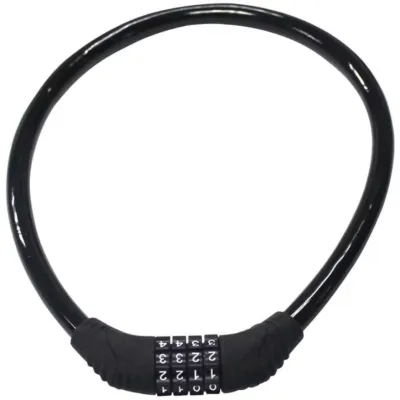
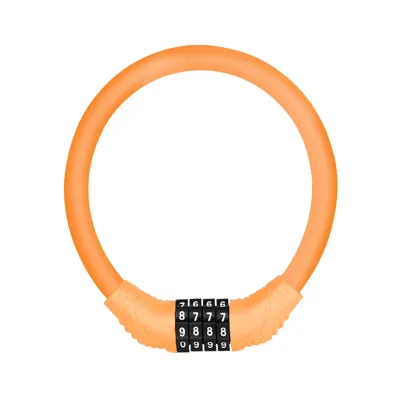
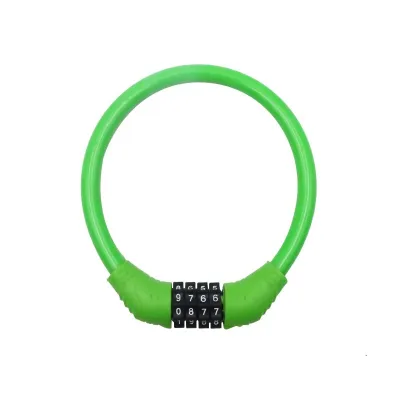
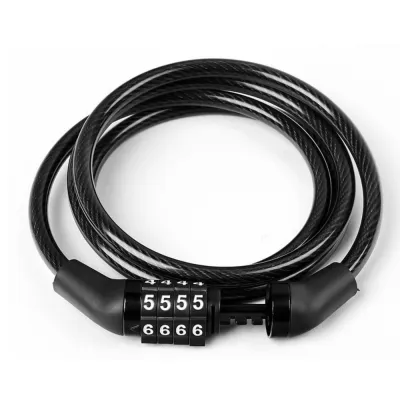
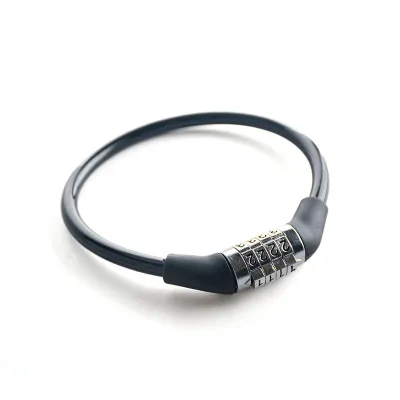
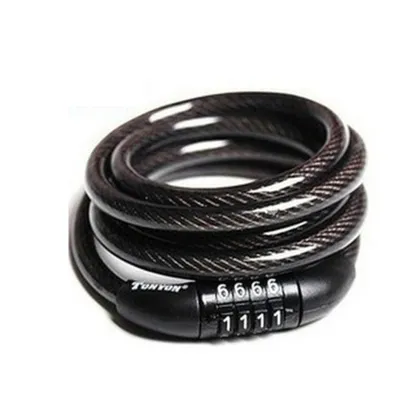
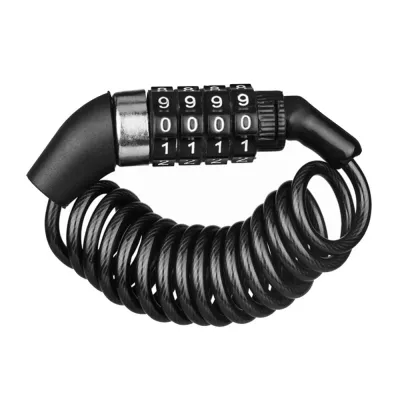
Prices are valid at publication and may change. Please refer to the product page for the latest price.
Conversely, relying solely on a 4-digit cable or lightweight chain lock for long-term or overnight parking at HDB void decks or quiet, unlit areas carries significant risk. High-risk scenarios require a multi-layered security approach. While keyless convenience eliminates the worry of losing a physical key during a sweaty ride, riders must balance this convenience against the physical cut resistance of the locking material.
Evaluating Core Security and Build Quality
To assess the security of a 4-digit bicycle lock, you must look closely at the materials used in both the cable or shackle and the locking head. The internal core is your primary defense against physical attacks. Braided steel cables offer excellent flexibility but can be severed relatively quickly with basic hand tools if they are thin. Hardened steel shackles or heavy-duty steel chains provide substantially higher resistance to hand tools like wire cutters and small bolt croppers.

When examining a lock, do not rely solely on the external thickness of the plastic sleeve. Manufacturers often use thick vinyl coatings to make a thin, vulnerable cable look much stronger than it actually is. Always check the product specifications to verify the actual metal diameter of the inner cable or shackle, separate from the protective sleeve. For basic deterrence, an inner metal diameter of at least 8mm to 12mm is advisable, while heavier chains should ideally feature links thicker than 6mm.
The locking mechanism housing is another critical point of vulnerability. Cheap locks often utilize thin plastic casings around the combination dials, which can be easily cracked or smashed with a heavy object. Look for locks that feature a solid metal housing—such as cast zinc alloy or hardened steel—encasing the internal locking cylinders.
Additionally, pay attention to the dial design and internal shielding. High-quality combination locks are engineered with anti-shim features that prevent a tool from being inserted into the dial gaps to feel the locking notches. Dials that turn with a distinct, crisp click and have minimal lateral play are generally more resistant to manual manipulation and decoding techniques.
Matching the Lock Form Factor to Your Commute
Bicycle locks come in several distinct form factors, each offering a different balance of portability, weight, and locking flexibility. Cable locks are the most common choice for casual riders due to their lightweight nature and coiled designs, which make them easy to wrap around a seat post or carry in a small frame bag. Their flexibility allows you to easily loop the cable through the frame, front wheel, and a variety of public fixtures, such as wide railings or park benches.
Chain locks consist of linked metal segments covered by a fabric sleeve to protect your bike’s paintwork. While heavier and more cumbersome to carry than coiled cables, chain locks offer superior flexibility and are much harder to cut with simple hand tools. They can be wrapped around your waist, shoulders, or secured inside a pannier bag during your commute, making them a solid choice for riders who need to leave their bikes unattended for slightly longer periods.
U-locks with integrated combination dials represent the sturdiest option in this category. These rigid metal shackles provide excellent resistance against prying and cutting attacks, but their fixed shape limits what you can lock your bicycle to. To overcome this limitation, some riders choose a hybrid setup, using a rigid U-lock to secure the frame to a dedicated bike rack while running an auxiliary cable through the wheels.
Before purchasing, measure the typical locking circumference you will need based on your daily route. Singapore’s public infrastructure includes standard yellow bicycle racks, green PCN railings, and various street poles. Ensure the lock you choose has sufficient length or clearance to comfortably encircle both your bicycle frame and the thickest anchor point you expect to use, without putting excessive tension on the locking mechanism.
Weather Resistance and Tropical Climate Considerations
Singapore’s tropical climate presents unique challenges for mechanical outdoor equipment. High relative humidity, frequent heavy downpours, and salt-laden air in coastal areas like East Coast Park can rapidly accelerate rust and corrosion. If moisture penetrates the internal dials of a combination lock, the springs and tumblers can seize, leading to a jammed mechanism that is impossible to open.
When shopping for a lock, look for models specifically designed with weather protection in mind. The combination dials should ideally feature weather-sealed covers or sliding dust caps that shield the numbers from direct rain and road grit. The entire length of the cable or chain must be fully enclosed in a weather-resistant vinyl, PVC, or heavy-duty nylon sleeve to prevent water from pooling against the metal core.
Avoid locks that feature exposed metal joints, unshielded dial gaps, or cheap internal steel springs that are prone to rapid oxidation. If water does manage to enter the dial housing, it can cause the internal pins to corrode and stick, which alters the mechanical feedback of the dials and can lock you out of your own bicycle.
To maintain your lock’s performance in a humid environment, establish a routine maintenance habit. After riding through a heavy rainstorm, rinse the lock with clean tap water to remove road grime and salt residue, then dry it thoroughly with a cloth. Periodically applying a small amount of dry Teflon-based or silicone-based lubricant to the dial gaps will help displace moisture and keep the internal tumblers turning smoothly; avoid heavy oils or WD-40, as they can attract dust and clog the mechanism over time.
Setting and Managing Your 4-Digit Code Securely
Properly initializing your lock is crucial to ensuring its long-term security and preventing accidental lockouts. When you first unbox a new 4-digit lock, it will typically be set to a default factory code such as “0000”. Always follow the manufacturer’s exact instructions to reset the code, which usually involves turning a reset collar or pressing a small pin while aligning your new numbers.
When choosing your personal 4-digit code, avoid highly predictable combinations that a casual thief could easily guess within a few attempts. Common patterns like sequential numbers (“1234”, “5678”), repeated digits (“1111”, “9999”), or easily guessable years (such as “1990” or “2000”) should be strictly avoided. Instead, select a random sequence of numbers that holds personal meaning to you but is not obvious to an outside observer.
To prevent forgetting your code—especially if you use multiple locks or ride infrequently—record the combination in a secure digital password manager on your smartphone. Avoid writing the code on a sticker attached to your bicycle frame, helmet, or carrying bag, as this completely defeats the purpose of the lock.
If you notice the dials becoming stiff, gritty, or difficult to turn during daily use, do not force them. Forcing a stuck dial can bend the internal alignment pins, permanently damaging the locking cylinder and rendering your code useless. Instead, gently clean the dial housing, apply a suitable lock lubricant, and slowly work the dials back and forth until they move freely again.
Pre-Purchase Evaluation Checklist
Before finalizing your purchase, whether at a local bicycle shop or when browsing online marketplaces, run through a quick evaluation checklist to ensure the lock meets your practical needs. First, assess the physical weight and portability of the lock. A lock that is too heavy or awkward to carry will likely be left at home, leaving your bicycle completely unprotected during spontaneous stops.
Next, test the tactile feedback of the combination dials if you are shopping in a physical store. The dials should turn smoothly with distinct, audible clicks at each digit, and there should be no loose play or sticking points. If you are buying online, read user reviews specifically focusing on dial stiffness and mechanism longevity.
Verify the physical dimensions of the lock against your bicycle’s frame geometry and wheel size. Ensure that a cable lock is long enough to loop through both wheels and the frame, or that a U-lock has enough clearance to fit around your frame and a standard public bike rack.
Finally, confirm the retailer’s return and warranty policies. A reputable brand or seller should offer a clear return window or warranty against manufacturing defects, particularly for mechanical failures in the dial cylinder. This protection is invaluable if the lock experiences issues shortly after exposure to Singapore’s wet weather.
Frequently Asked Questions (FAQ)
Can a 4-digit combination lock be easily picked or shimmed?
Basic, low-cost 4-digit locks can sometimes be bypassed using thin metal shims inserted into the dial gaps, or decoded by applying tension to the lock shackle while turning the dials to feel for the internal notches. However, higher-quality locks incorporate anti-shim designs and false gates inside the mechanism to prevent this type of manipulation. When choosing a lock, look for models that specify anti-shim or anti-pick protection, and visually inspect the dials to ensure there are no wide, exposed gaps between the numbers.
What should I do if I forget my 4-digit combination code?
Because combination locks are designed to be secure, manufacturers do not keep a master record of user-set codes, and there is no universal reset key. If you forget your code, your options are limited. You can try systematically testing all 10,000 combinations, which typically takes several hours of patient trial and error. If that fails, you will need to contact a professional locksmith or use heavy-duty cutting tools like an angle grinder or bolt cutters to remove the lock, which will permanently destroy it.
Are 4-digit locks approved for use at MRT station bicycle parking?
While there are no specific regulations banning 4-digit locks at MRT station bicycle parking areas, these public transit hubs are high-traffic zones where bicycles are left unattended for long periods, making them prime targets for theft. A standard 4-digit cable lock alone is generally insufficient for all-day parking at an MRT station. If you must park your bicycle there, it is highly recommended to use a heavy-duty U-lock as your primary security measure to anchor the frame, and use your 4-digit lock as a secondary deterrent to secure your wheels and accessories.
Community discussion
Share your experience or ask a question. Comments are reviewed before publication.