
Choosing the right bag for bicycle rides transforms how you experience your daily commute or weekend leisure trips. Whether you are navigating the flat, scenic paths of the local Park Connector Network (PCN) or embarking on a longer road exploration, how you carry your gear directly affects your comfort, balance, and physical effort. The three primary mounting styles—frame bags, saddle bags, and handlebar bags—each offer distinct advantages in terms of storage capacity, weight distribution, and ease of access. Finding the ideal setup requires matching your specific cargo needs with your bicycle’s geometry and your personal riding habits.
Assess Your Cargo Needs and Riding Style
Before comparing specific bag designs, you must define what you intend to carry and where you plan to ride. A daily commute along paved park connectors typically requires minimal gear, such as a phone, keys, wallet, an EZ-Link card, and perhaps a lightweight rain jacket to handle sudden tropical downpours. In contrast, a full-day weekend ride might demand extra inner tubes, a multi-tool, a portable pump, snacks, and additional hydration.
Your bicycle’s frame geometry and existing components also dictate which bags will physically fit. Small frames, dual-suspension mountain bikes, or step-through commuter models have limited open space within the main triangle, which restricts your options for certain bag types. Furthermore, adding weight to your bicycle alters its center of gravity and steering dynamics. Heavy items placed high or far forward can make steering feel sluggish or unstable, whereas keeping weight low and centered preserves the natural handling characteristics of your bike.
Products mentioned in this guide
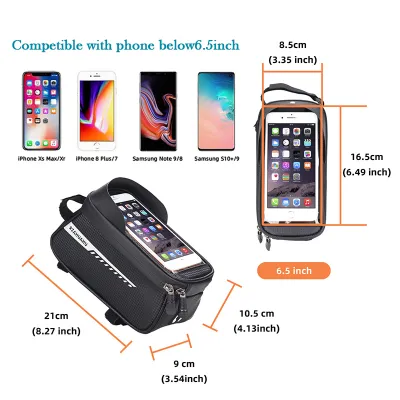
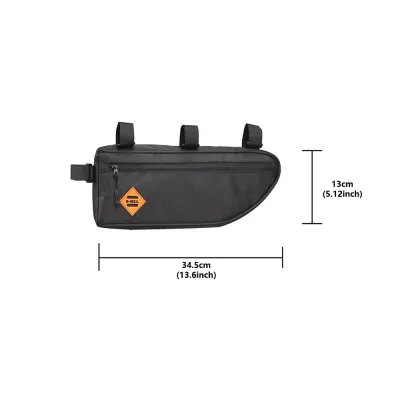
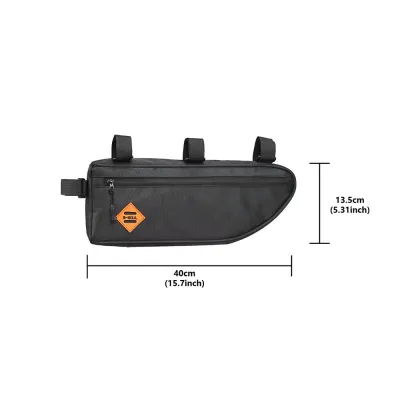
![[SG SELLER] Bicycle Handlebar Front Bag Cycling Bike Front Tube Bag Bike Pannier Shoulder Bag Carrier Pouch 6L Waterproof](https://img.lazcdn.com/g/p/dfcdde6d9761fa88c244ea1d73a8c07f.jpg_400x400q80.jpg_.webp)
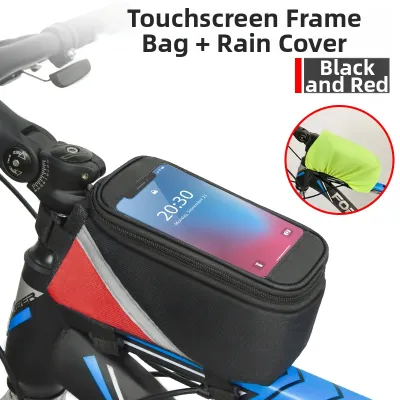
Prices are valid at publication and may change. Please refer to the product page for the latest price.
Evaluate Frame Bags for Centralized Weight and Stability
Frame bags fit directly inside the main triangle of your bicycle frame, securing to the top tube, down tube, and seat tube with adjustable straps. This central placement is highly advantageous because it positions the heaviest cargo directly between your wheels and close to your bike’s natural center of gravity. By keeping the weight low and centered, a frame bag minimizes sway and has the least impact on your steering and overall handling, making it an excellent choice for carrying denser items like tools, spare parts, or heavy locks.

However, compatibility is a primary consideration when choosing a frame bag. You must measure the interior dimensions of your frame triangle carefully, as a bag that is too large will overlap with your water bottle cages, making it difficult or impossible to retrieve your bottles while riding. Some riders opt for half-frame bags, which occupy only the upper portion of the triangle, leaving the lower section free for standard water bottles.
Accessibility is another factor to weigh. While frame bags are easy to reach down and unzip while stopped, accessing them safely while actively pedaling can be challenging. The narrow profile of these bags also means they are best suited for flat, compact items; overstuffing a frame bag can cause the sides to bulge outward, leading to annoying leg rub against your knees or thighs with every pedal stroke.
Evaluate Saddle Bags for Aerodynamics and Minimalist Storage
Saddle bags, which tuck neatly beneath your seat and attach to the saddle rails and seat post, are the traditional choice for minimalist storage. Because they sit directly behind the rider, they are shielded from the wind, offering good aerodynamic efficiency and keeping the front and center of your bicycle completely clear. This placement makes them common for road cycling and fast fitness rides where speed and streamlined efficiency are priorities.
The capacity of a standard saddle bag is typically modest, designed primarily to hold essential roadside repair kits, including a spare inner tube, tire levers, a small multi-tool, and a CO2 inflator. While larger bikepacking seat packs exist, standard saddle bags keep your load light and tucked away. This rear-wheel weight placement has a negligible effect on steering, though extremely large or poorly secured seat packs can sway from side to side when you stand up to pedal on climbs.
When selecting a saddle bag, you must verify that you have sufficient seat post clearance, especially if your bicycle uses a dropper post or has a low saddle height. There must be enough vertical space between the bottom of the bag and the top of your rear tire or mudguard to prevent rubbing when riding over bumps. Additionally, ensure the mounting straps do not rub against your inner thighs or damage delicate cycling shorts during long rides.
Evaluate Handlebar Bags for Quick Access and Front Loading
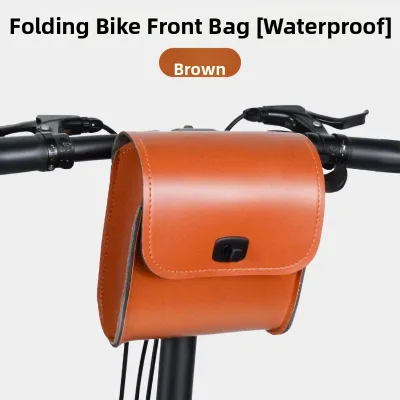
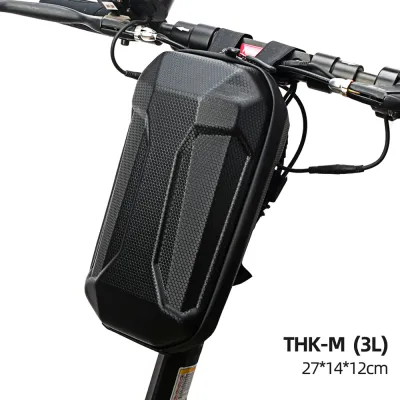
Handlebar bags mount directly to your steering bar, placing your gear right in front of you for excellent accessibility. This setup is incredibly convenient for items you want to grab quickly without dismounting, such as your phone, a camera, snacks, or a map. Many modern handlebar bags feature clear top sleeves for touchscreen devices, allowing you to view navigation routes easily as you cruise along the PCN.
Because handlebar bags place weight directly over the front wheel, they do have a noticeable impact on steering responsiveness. A heavily loaded front bag can make steering feel heavy at slow speeds and may cause the handlebars to flop to one side when the bicycle is parked. To maintain stable handling, it is best to reserve the handlebar bag for lighter, high-volume items like a windbreaker, snacks, or personal electronics, rather than heavy tools.
Before installing a handlebar bag, you must check for clearance around your brake and gear cables. A bulky bag can compress or kink these cables, which can degrade your braking performance or cause shifting issues. You also need to ensure the bag does not block your front safety light or interfere with your hand positions on the handlebars, particularly if you ride a road bike with drop bars where space between the hoods is limited.
Match the Mounting Style to Your Specific Ride
To choose the best setup, match the bag style to your typical riding scenarios and cargo requirements. For a casual daily commute or a short fitness loop on the PCN, a small saddle bag paired with a compact handlebar bag often provides a practical balance. The saddle bag keeps your emergency repair tools tucked out of the way, while the handlebar bag gives you instant access to your phone, wallet, and keys.
For longer weekend adventures or full-day tours where you need to carry extra clothing, food, and electronics, combining multiple bags is practical. A half-frame bag can house your heavier tools and food, keeping the weight centered, while a handlebar bag holds your camera and light layers. When combining bags, always distribute the weight logically: place the heaviest items in the frame bag, medium-weight items in the saddle bag, and the lightest, most accessible items on the handlebars.
Before purchasing any bag for bicycle use, perform a quick physical check of your bike. Measure the distance between your handlebars and front tire, the length of your exposed seat post, and the inner dimensions of your frame triangle. Comparing these measurements against the manufacturer’s product specifications ensures a secure fit and prevents costly return shipping or safety hazards on the road.
Verify Fit, Clearance, and Safety Before Riding
Proper installation is critical to ensure your bags do not interfere with the safe operation of your bicycle. Once your bags are mounted, perform a stationary check by turning the handlebars fully from left to right. Ensure that the handlebar bag does not pinch any cables, rub against the front tire, or restrict your steering range of motion.
Next, check for physical interference with your body. Sit on the saddle and pedal backward to verify that your knees do not strike the frame bag and your thighs do not rub against the saddle bag straps. If you notice any contact, adjust the strap tension or reposition the bag slightly to prevent chafing and discomfort during your ride.
Finally, inspect the security of all mounting straps and buckles. Loose bags can shift unexpectedly, which can throw off your balance or cause straps to become entangled in your spokes or brakes. If you experience excessive swaying, rattling, or rubbing while riding, stop immediately in a safe area to tighten the straps or redistribute the weight inside the bag. Regular maintenance checks on your bag attachments will keep your gear secure and your rides safe.
Frequently Asked Questions (FAQ)
Can I use multiple bike bags at the same time?
Yes, combining different bag types is an excellent way to increase your carrying capacity while maintaining balanced handling. When using multiple bags, distribute the weight evenly across your bicycle by placing heavy items in a frame bag to keep your center of gravity low, and lighter items in your handlebar or saddle bags. Always check your bicycle manufacturer’s manual to ensure your combined cargo and body weight does not exceed the frame’s total recommended load limit.
Do I need a specific bag for a step-through frame?
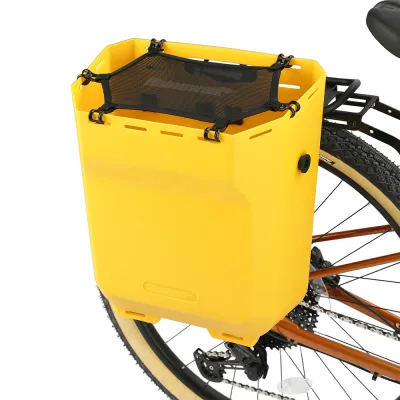
Step-through and low-step bicycle frames lack the traditional horizontal top tube, which makes standard full-triangle frame bags incompatible. If you ride a step-through bicycle, look for specialized compact frame bags designed to mount in the smaller angles of the frame, or rely on handlebar bags and saddle bags for your storage needs. Alternatively, rear rack-mounted panniers or trunk bags are highly effective options for step-through commuter bikes.
Community discussion
Share your experience or ask a question. Comments are reviewed before publication.