
A balance pad’s effectiveness depends on the interplay of its thickness, density, and material. The right combination provides the appropriate level of instability for your specific fitness goals while ensuring safety, joint support, and long-term durability. Understanding these core specifications allows you to move beyond generic marketing claims and select equipment that truly matches your training needs.
How Thickness Impacts Your Stability and Safety
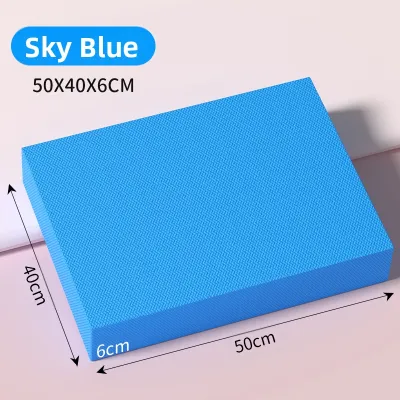
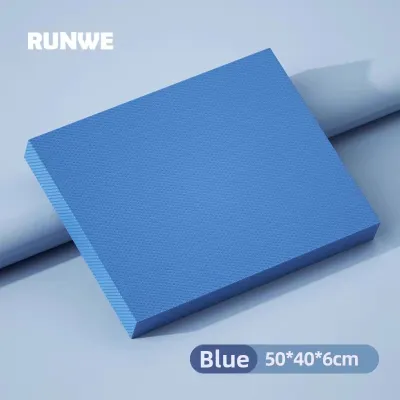
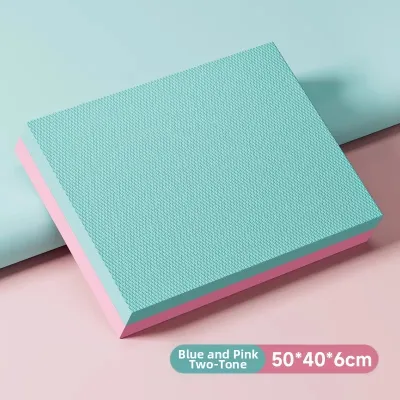
The height of a balance pad directly dictates how far your center of gravity can shift during an exercise. Thicker pads, typically measuring around 5 to 6 centimeters, introduce a higher degree of instability because they allow for deeper compression. This increased wobble forces your stabilizing muscles, particularly around the ankles and core, to work harder to maintain equilibrium.
However, a greater thickness also demands a higher level of joint stability. If a pad is too thick or overly soft for your current physical condition, it can cause your ankle to roll outward or inward, potentially leading to strains. Thinner pads, often ranging from 3 to 4 centimeters, offer a more grounded feel and a lower risk of joint deviation, making them a safer starting point for those recovering from injuries.
Products mentioned in this guide
![[BEST SELLER]Balance Foam Pad Yoga Mat Exercise Non-slip Waterproof Soft for Fitness Training](https://img.lazcdn.com/g/p/ecdbe1ded9c6362a36a977bc38118d05.jpg_400x400q80.jpg_.webp)
![[OKLIFE. SG]aron Anti-Slip Balance Pad Inflatable Wobble Balance Pad PVC Inflatable Yoga Mat for Core Strength & Balance Training](https://img.lazcdn.com/g/p/6c290bce7f4f951da067b79ca7ea0e12.jpg_400x400q80.jpg_.webp)
Prices are valid at publication and may change. Please refer to the product page for the latest price.
Before purchasing, check the manufacturer’s exact dimensions and compare them against your current balance capabilities. If you plan to perform heavy weight-bearing exercises, such as weighted squats or lunges, avoid excessively thick or highly compressible pads. For these movements, a thinner, firmer profile is necessary to prevent sudden shifts in balance that could compromise your form or safety.
Always prioritize your ability limits when selecting pad height. If you cannot maintain a stable joint alignment on a thicker pad during bodyweight exercises, do not attempt to use it with external weights. Equipment is designed to assist your training, but it cannot replace proper form, progressive training, and sound physical judgment.
Decoding Density and Firmness for Your Training Goals
Foam density determines how the pad responds to your body weight and how well it retains its structural integrity under load. High-density foam pads are firmer to the touch and resist deep compression. They provide a predictable, moderate level of instability, making them highly suitable for standing exercises, single-leg balances, and users with higher body weights.

In contrast, low-density foam pads are much softer and compress easily under pressure. This deep compression creates a highly unpredictable surface, which significantly increases the proprioceptive challenge. While this can be beneficial for advanced training, low-density pads can bottom out completely under heavy loads, rendering the pad ineffective as you end up standing directly on the hard floor.
To evaluate density, look for load-bearing specifications or maximum weight capacities provided by the manufacturer. If you weigh more or plan to use the pad for kneeling exercises where your entire body weight is concentrated on a small surface area, a high-density pad is essential to prevent painful bottoming out.
You can also check verified user feedback to see how the foam holds up over time. High-quality, high-density foam should quickly spring back to its original shape after use. If reviews indicate that a pad leaves permanent indentations or loses its firmness after a few weeks of use, the density may be insufficient for long-term training.
Evaluating Materials for Durability and Grip
The material of your balance pad determines its lifespan, slip resistance, and ease of maintenance. The most common materials used in these fitness accessories are Ethylene-Vinyl Acetate (EVA) foam and Thermoplastic Elastomers (TPE). Both materials offer distinct characteristics that impact your daily workouts.
EVA foam is highly durable, lightweight, and often more budget-friendly. It provides excellent shock absorption and resists tearing, making it a reliable choice for high-use environments. However, some low-grade EVA foams can retain odors or have a strong chemical smell initially, so it is wise to verify if the manufacturer uses closed-cell, non-toxic EVA.
TPE is generally softer, more flexible, and highly slip-resistant. It is often favored for its eco-friendly properties and lack of harsh chemical odors. TPE pads typically offer excellent traction, which is a critical safety factor if you tend to sweat heavily during workouts or plan to use the pad barefoot.
Regardless of the material, pay close attention to the surface texture. Look for pads with a textured, non-slip pattern on both sides to prevent your feet from sliding off the top and to keep the pad from shifting on the floor. Additionally, ensure the material is non-porous and water-resistant, allowing you to easily wipe it clean with a damp cloth after a sweaty session.
Matching Pad Specifications to Your Fitness Level
Selecting the right balance pad requires synthesizing thickness, density, and material into a configuration that matches your specific training goals and physical condition.
For physical therapy and rehabilitation, your primary focus should be on joint support and predictable movement. Look for a moderate thickness of about 4 to 5 centimeters combined with high-density foam. This setup provides gentle cushioning for sensitive joints while offering a controlled, stable wobble that minimizes the risk of re-injury. A textured TPE material is ideal here to ensure maximum grip and prevent slips.
If you are a beginner focusing on core activation and general fitness, prioritize safety and manageable instability. A high-density pad with a thickness of 5 centimeters is an excellent starting point. This configuration offers enough instability to engage your core and stabilizing muscles without overwhelming your balance, allowing you to build confidence and strength progressively.
Advanced athletes seeking a high proprioceptive challenge should look for a thicker pad, around 6 centimeters, with a slightly lower density that allows for deeper, more dynamic compression. This setup creates a highly challenging, unstable surface that mimics real-world athletic movements. For this level of training, highly durable, tear-resistant EVA foam is recommended to withstand intense, high-frequency workouts.
Before making your final purchase, use this quick checklist to verify the product specifications:
- Check the exact dimensions (length, width, and thickness) to ensure it fits your stance and workout space.
- Verify the manufacturer's maximum weight limit to ensure it can support your body weight plus any external weights you plan to use.
- Confirm that the pad features a textured, non-slip surface on both the top and bottom.
- Review the cleaning instructions to ensure the material is easy to sanitize and maintain.
Frequently Asked Questions (FAQ)
Can I use a balance pad on a carpeted or slippery floor?
Using a balance pad on an unstable or slippery surface can compromise your safety. On thick carpets, the pad may tilt unevenly, while on polished wood or tile floors, it may slide during dynamic movements. Always check the manufacturer’s guidelines regarding compatible floor surfaces. If you must use the pad on a slippery floor, place a high-grip, non-slip exercise mat underneath the pad to secure it in place.
How do I properly clean and store my balance pad?
To maintain hygiene and extend the lifespan of your balance pad, wipe it down after each use with a soft cloth dampened with water and mild soap. Avoid harsh chemical cleaners, bleach, or abrasive scrubs, as these can degrade the foam structure. Store the pad flat in a cool, dry place away from direct sunlight and extreme heat. Never place heavy or sharp objects on top of the pad during storage, as this can cause permanent indentations or tears.
Community discussion
Share your experience or ask a question. Comments are reviewed before publication.